Hidden Tree Hazards in San Antonio: What a Certified Arborist Checks
Hidden Tree Dangers You Cannot See From the Ground
Some of the most dangerous problems in a tree are the ones you cannot see while standing in your yard. Broken branches and dead limbs are easy to notice, but those are not the only warning signs that matter. Big trees can look green and full while hiding serious issues inside the trunk and under the soil.
As certified tree experts in San Antonio, we pay close attention to these "silent" hazards. They quietly build up over time, then fail fast during stress, like drought, heat, or strong storms. Late summer is a risky time, because months of dry weather and sudden storms can push a weak tree past its limit.
In this article, we will walk through some of the hidden dangers we look for, how we spot them, and why they matter for your home and family's safety.
Why Included Bark Makes Strong Trees Suddenly Split
Included bark is a simple problem with a big impact. It happens where two stems or big branches grow too close together. Instead of forming a wide, strong connection, the tree traps bark between them. That trapped bark keeps the wood from joining and makes a weak, wedge-shaped union.
In many San Antonio yards, we see this in live oaks and other common shade trees. The tree might look strong, but that narrow fork can split without warning, especially when the canopy gets heavy or winds pick up. In late summer, when branches are stressed from heat and dry soil, this weak point can fail very quickly.
From the ground, a trained eye looks for things like:
- A tight V-shaped fork instead of a wide U-shape
- Deep cracks or dark lines between two stems
- Bark pressed inward where two branches meet
Up in the canopy, we may notice more signs of stress around that joint. Once we find included bark, we think about ways to lower the risk. Depending on the size and location, that can include:
- Selective pruning to reduce weight on the weak fork
- Support systems like cabling in the upper canopy
- In some cases, removing one stem or the whole tree if the risk is too high
The right choice depends on how close the tree is to your house, driveway, or areas where people spend time.
Internal Decay, Rotting Wood Inside a "Healthy" Tree
A tree can be green, leafy, and still be rotting from the inside out. Internal decay often starts after a wound, such as a past storm break, poor pruning cut, lawn equipment damage, or old construction injury. Fungi enter through that wound, then slowly break down the wood inside the trunk or main branches.
From your porch, the tree might look fine. As a San Antonio certified tree expert, we look for quieter hints that the inside is not as solid as it should be. These include:
- Old wounds that never closed over smoothly
- Fungal conks or shelf-like mushrooms on the trunk or main roots
- Cracks, sunken areas, or soft spots in the bark
- Cavities, holes, or hollow sounds when the trunk is tapped
To understand how serious the decay is, we may:
- Tap or "sound" the trunk to listen for hollow areas
- Gently probe soft spots or cavities
- Use specialized tools to measure how strong the wood still is
Not every tree with decay needs to come down right away. Sometimes, if there is enough solid wood and the tree is not in a high-risk spot, we can manage it with pruning and regular checks. When the decay is advanced, or the tree leans over your home or parking area, removal can become the safest option.
Root-Plate Failure and Soil Heaving After Texas Storms
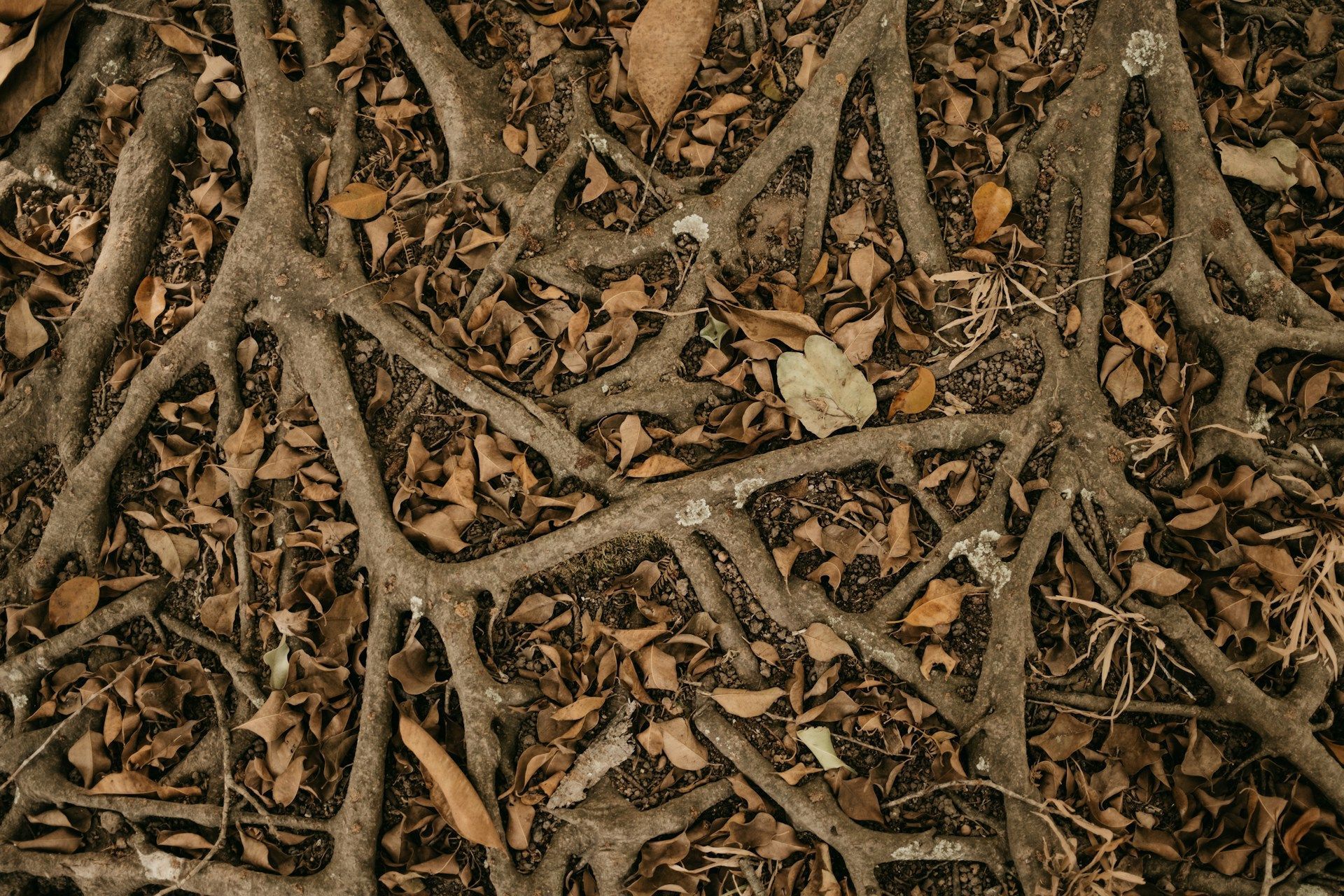
The root plate is the main mass of roots that holds a tree upright. When soil gets soaked from heavy rain, then strong winds hit, that root plate can start to crack, tilt, or lift. Previous damage from construction or trenching can make things even worse, because the tree does not have full support on all sides.
Ground-level warning signs of root-plate problems include:
- Fresh leaning that was not there before a storm
- Mounded or cracked soil on one side of the trunk
- Gaps opening around the base where you can see down along the roots
- New, exposed roots appearing after a big rain
Late-summer storms in our area often bring short, powerful bursts of wind when the ground is already wet. That is the perfect setup for root-plate failure. Any new lean or soil heaving should be checked quickly by a professional, especially if the tree is near a building, fence, driveway, or play area. A tree that has started to uproot can fail suddenly, even on a calm day, after the damage is already done underground.
Hidden Pest and Disease Indicators in San Antonio Trees
Pests and diseases in our region rarely show up overnight. They often start small, with tiny changes that are easy to miss in day-to-day life. Problems like oak wilt, hypoxylon canker, borers, and different scale insects can slowly weaken a tree long before big branches die.
When we inspect a tree, we look closely for details such as:
- Tiny round or oval exit holes on the bark from wood-boring insects
- Frass, which looks like fine sawdust or small pellets at the base or in bark crevices
- Discolored, thinning, or wilting patches in one part of the canopy
- Unusual leaf spots, streaks, or early leaf drop compared to nearby trees
- Bark staining, oozing, or peeling patches of bark
Catching these signs early gives you more options. With a quick diagnosis and a plan, we can often protect valuable shade trees, slow the spread of certain diseases, and reduce the chance of sudden failure in a weakened tree. Early care is almost always easier and safer than waiting for a crisis.
When to Call an Arborist Before the Next Big Storm Hits
You do not need to climb a tree to know when it is time to bring in a San Antonio certified tree expert. From the ground, watch for a few key warning signs:
- A new lean or a lean that seems to be getting worse
- Mushrooms or fungal growth at the base or along big roots
- Cracking or mounded soil on one side of the trunk
- Sudden dieback in one section of the canopy
- Multiple dead branches showing up at once
Late summer is a smart time for a tree risk check, before peak storm activity and strong fronts arrive. It is also wise to have trees evaluated after any major weather event that brings high winds or heavy rain. Regular, professional inspections help uncover the hidden problems that leaves and bark can hide.
At Teague's Tree Service, we are a family-owned, licensed, and insured tree company serving the San Antonio area. We care about safe, healthy trees and the peace of mind that comes from knowing a certified arborist has looked for the hazards you cannot see from the ground.
Protect Your Trees With a Trusted Local Expert Today
Healthy trees start with qualified care, and that is exactly what we provide at Teague’s Tree Service. When you work with our
San Antonio certified tree expert, you get precise evaluations and solutions tailored to your property. If you are ready to schedule service or have questions about your trees, simply
contact us and we will help you take the next step.