Tree Pruning Cuts: Collar vs. Flush, How Much to Remove, When to Call an
Healthier Trees, Safer Yard: Why Pruning Cuts Matter
Good pruning is about more than just shaping a tree so it looks nice. The way branches are cut affects how the tree heals, how strong it is in high winds, and how safe your yard is for people, cars, and buildings. Smart pruning helps trees live longer, grow in a better shape, and drop fewer limbs at the worst times.
Around San Antonio, we ask a lot from our trees. They deal with strong sun, long dry spells, and sudden storms that roll through during busy holiday weekends. When cuts are made in the wrong place, or too much is taken off at once, trees can get stressed, weak, and more likely to break.
Not every pruning cut is the same. Where you cut on the branch and how much you remove can decide if your tree closes the wound and grows stronger, or if decay gets inside. When you understand the basics, you can spot good work, avoid quick mistakes, and know when it is safer to let a professional handle your tree pruning in San Antonio.
Collar vs Flush Cuts: Where You Should Actually Cut
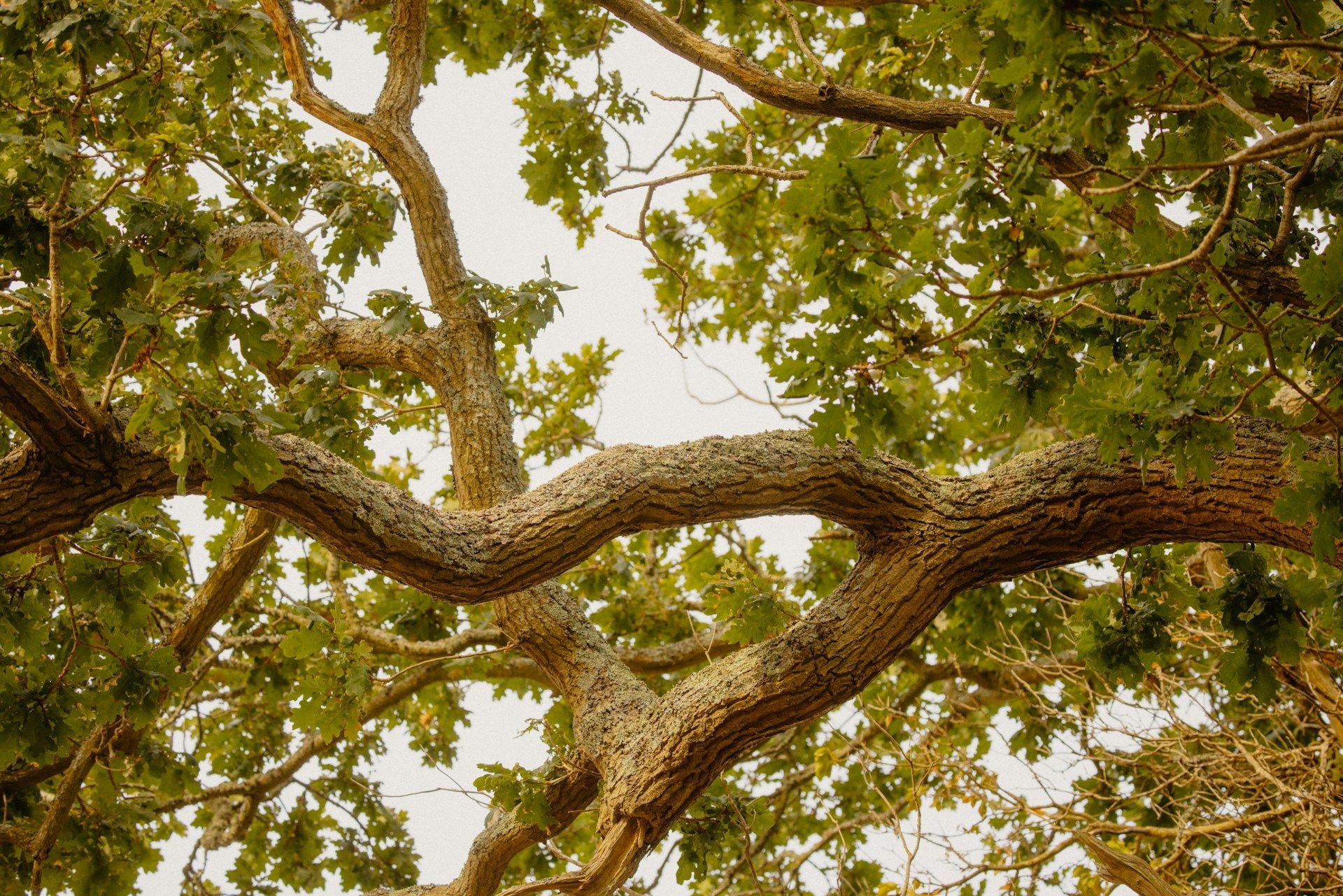
Every branch connects to the trunk or a bigger limb in a special way. There are two main parts to notice when you look closely:
- Branch collar, the slightly swollen or raised area where the branch attaches
- Branch bark ridge, the darker, rough strip of bark on top of where the branch meets the trunk
On common San Antonio trees like live oaks, cedar elms, and pecans, that collar might be easy to see or more subtle, but it is almost always there. This is the tree’s natural defense zone. Inside that area, the tree has tissue that helps close wounds and keep decay from moving into the main trunk.
Good pruning cuts are made just outside the branch collar, not through it and not far away from it. The goal is a smooth cut that follows the natural angle of the branch, starting near the branch bark ridge and ending just past the collar. When the cut is in that sweet spot, the tree can:
- Close the wound faster
- Keep decay limited to the removed branch area
- Stand up better to pests and disease
Flush cuts, which slice flat and tight against the trunk, shave off the collar. This leaves a large, slow-healing wound. Decay can creep down into the trunk, which weakens the whole tree and can create hollow spots. On the other hand, stub cuts leave a short, dead piece of branch sticking out beyond the collar. These stubs dry out, crack, and become perfect entry points for insects and rot.
Both flush cuts and stub cuts may look fine at first, but over time they often lead to weak new growth, more broken branches, and greater risk during Central Texas windstorms.
How Much to Remove Without Stressing Your Tree
Even if every cut is in the right place, taking off too much at once can shock a tree. A simple rule many arbor pros follow is to avoid removing more than about one quarter of the live canopy in a single year. Some trees, especially older ones or those already stressed by drought, do better with smaller changes spread out over time.
Over-thinning is a common problem. When too many inside branches are stripped out, the ends of the limbs are left with little puffs of leaves. This is often called “lion tailing.” It may look open and airy for a short while, but it can cause big problems:
- Sunscald on branches and trunk that were suddenly exposed
- Limbs that sway more in the wind and are more likely to snap
- Faster drying of the soil and root stress
During fall and the holiday season, many homeowners want their trees shaped before guests arrive. Light touch-up work, like removing small dead twigs you can reach from the ground with hand tools, can be reasonable. Anything that changes the structure of the tree, involves large limbs, or affects balance near a roof or driveway should be handled by someone with training in proper tree pruning in San Antonio.
Seasonal Timing for Pruning in San Antonio
Our area has mild winters, so pruning can happen in several parts of the year, but some timing still works better than others. Late fall and the cooler months are often a good window for many trees. There is less heat stress, the leaves may be thinner on some species, and it is easier to see the main structure and problem branches.
Oak trees bring extra timing concerns because of oak wilt. For live oaks and red oaks in our region, it is safer to prune during the coolest, driest months when insect activity is lower. Fresh cuts on these trees are usually sealed with pruning paint right away. This helps block beetles that can spread oak wilt spores from infected trees to healthy ones.
Even with ideal timing rules, emergencies do not always wait. Some situations need fast attention, such as:
- Dead or cracked limbs hanging over a roof, driveway, or play area
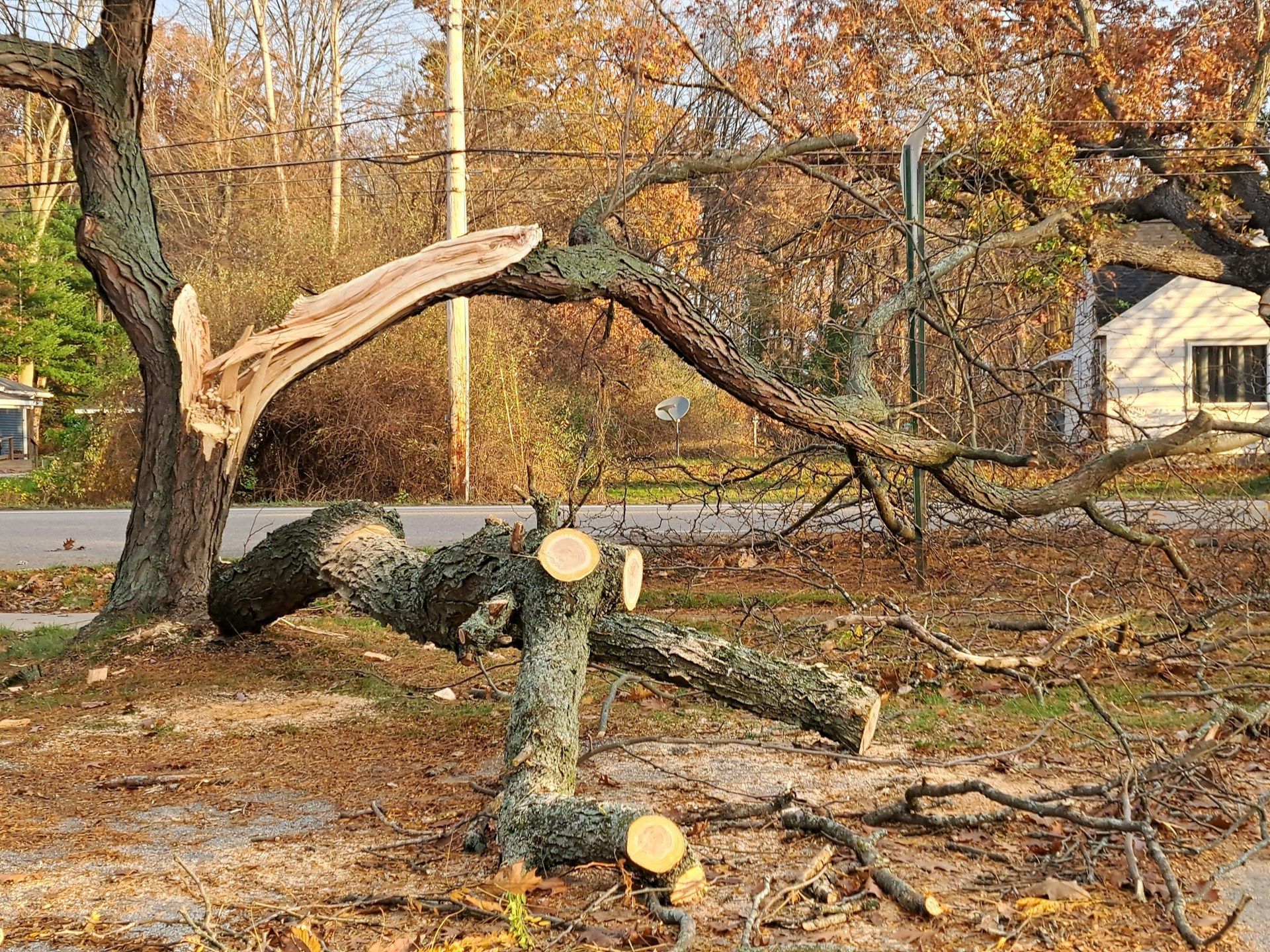
- Storm-damaged branches that are twisted, split, or leaning
- Limbs hitting power lines or scraping against a house or business
In these cases, safety comes first. Hazard removal and emergency pruning can be done any time of year, with care taken to protect tree health as much as possible.
DIY vs Pro: When to Call a San Antonio Arborist
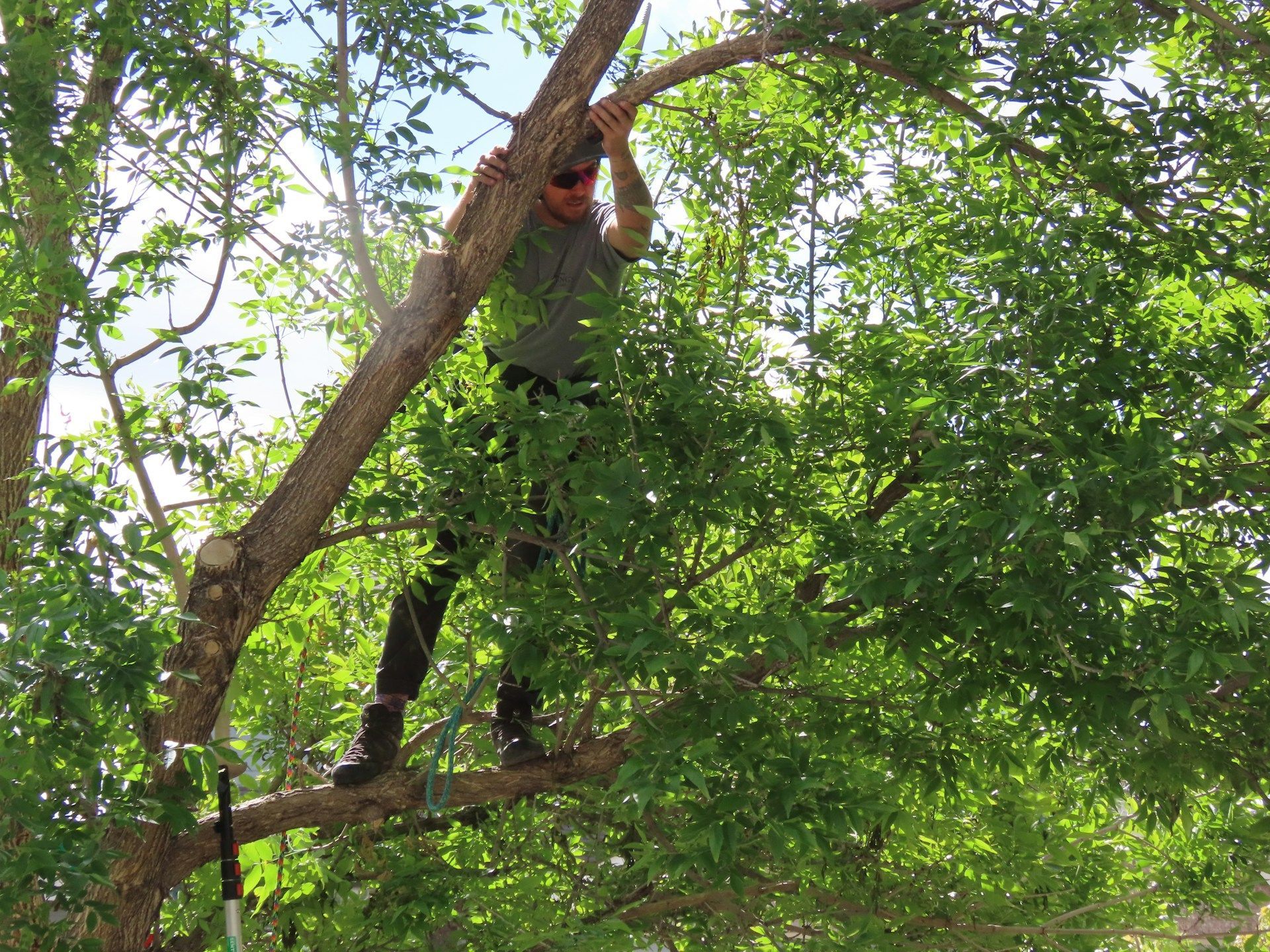
Some pruning looks simple from the ground, but once ladders, power tools, and heavy limbs are involved, risk climbs fast. A quick mental checklist can help you decide if a job should wait for a professional:
- Is the branch higher than you can safely reach from the ground?
- Is it near power lines, roofs, fences, or parked cars?
- Is the limb thicker than your wrist?
- Do you see signs of decay, mushrooms, cracks, or hollows in the wood?
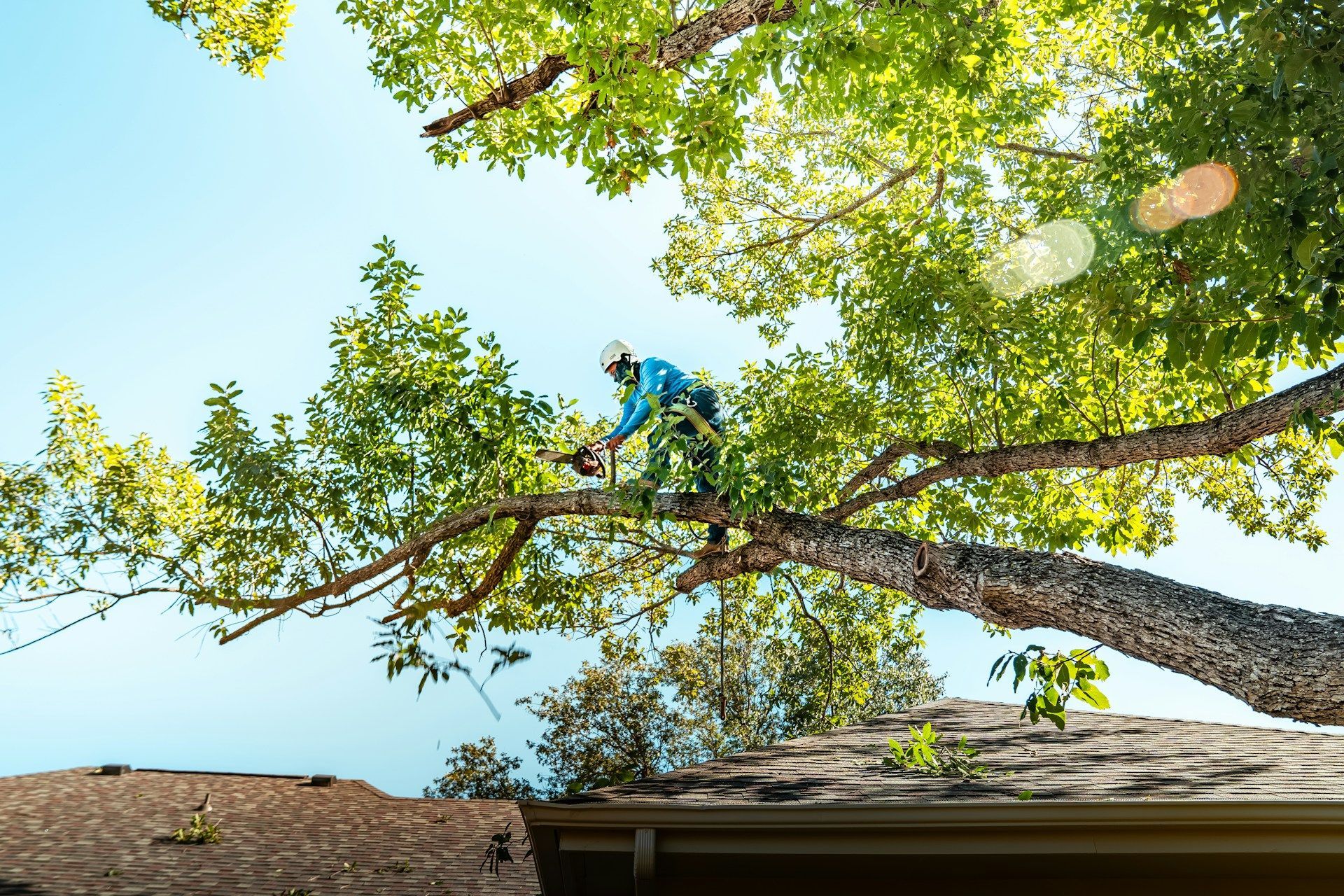
- Would you need a chainsaw or to lean from a ladder to reach it?
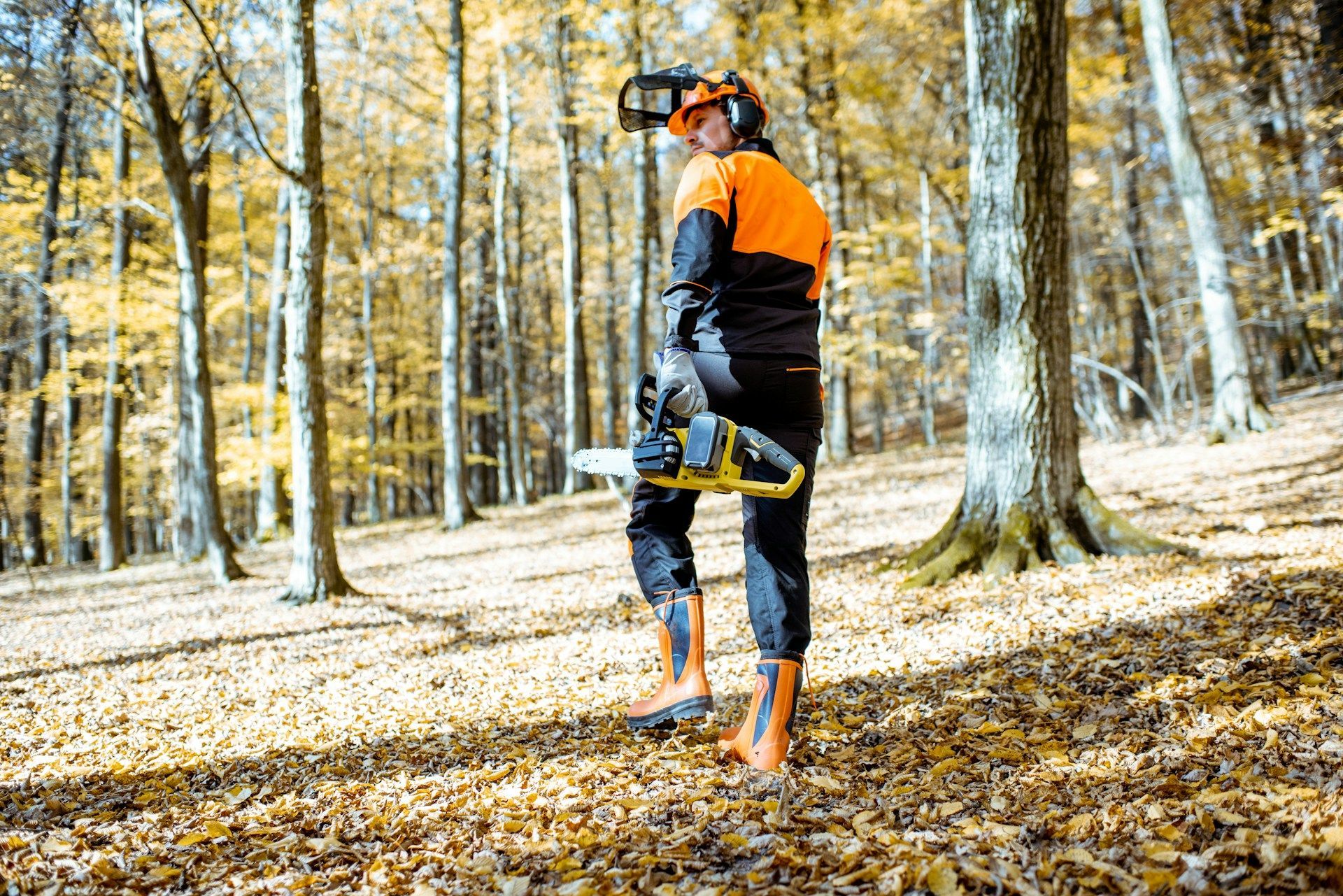
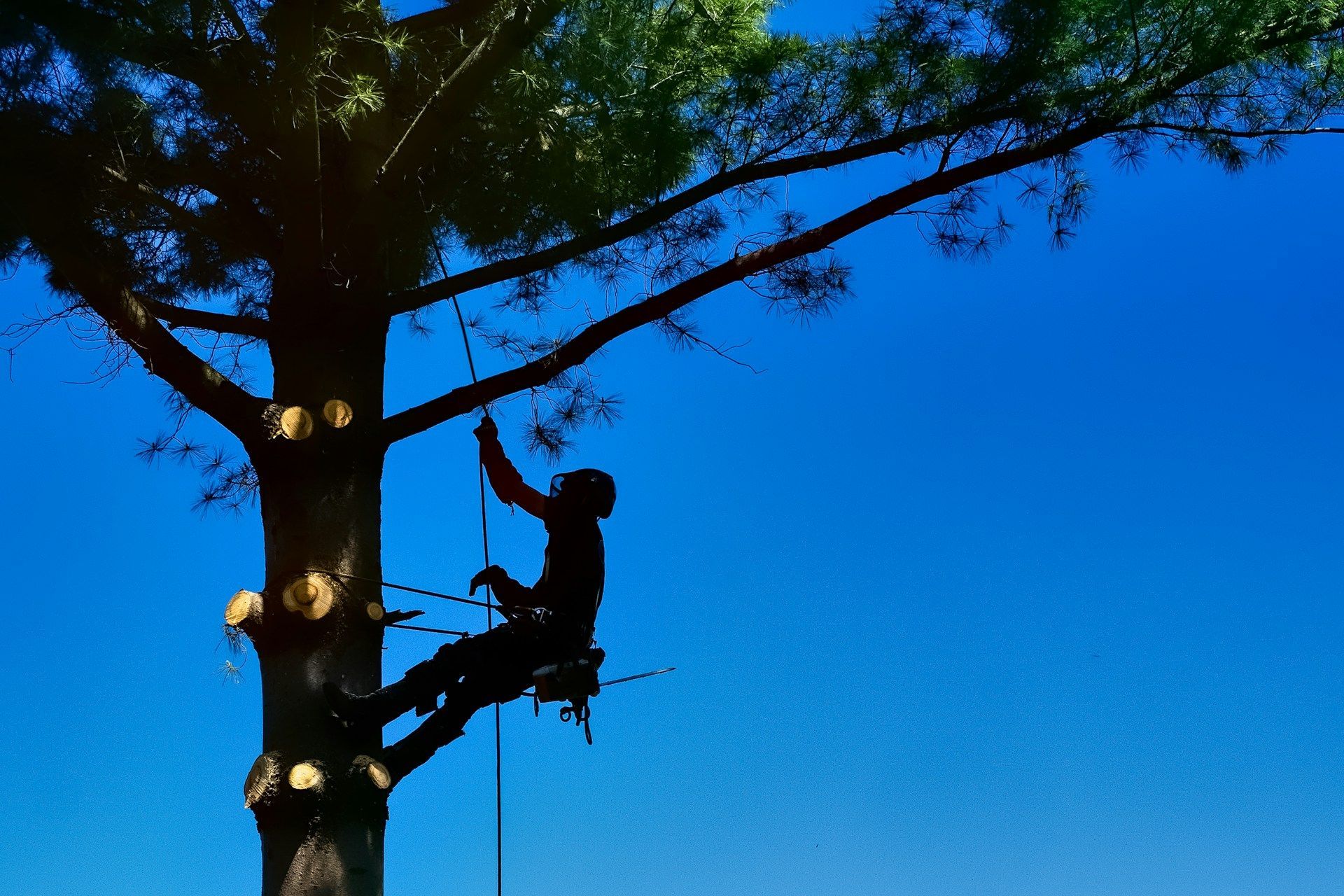
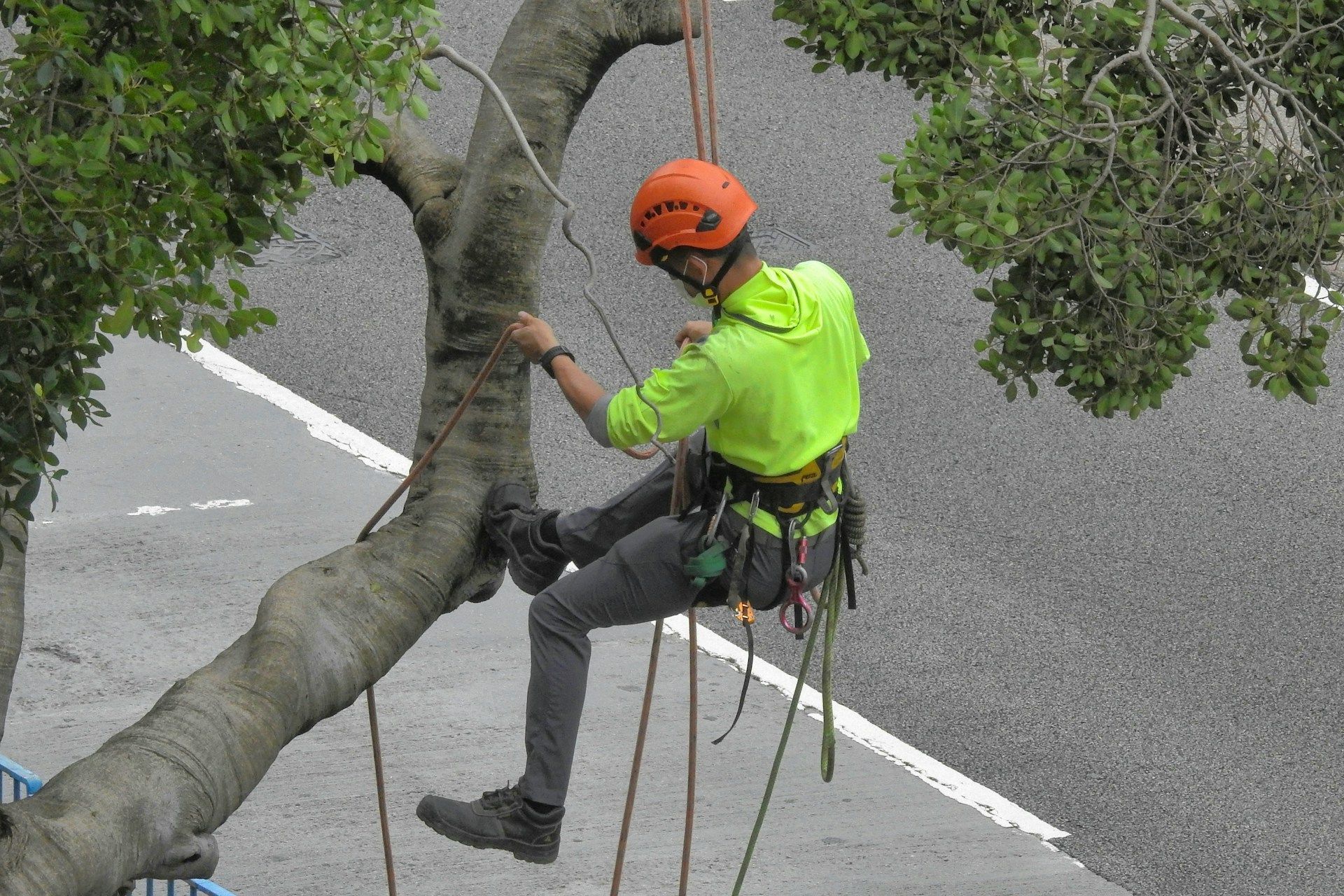
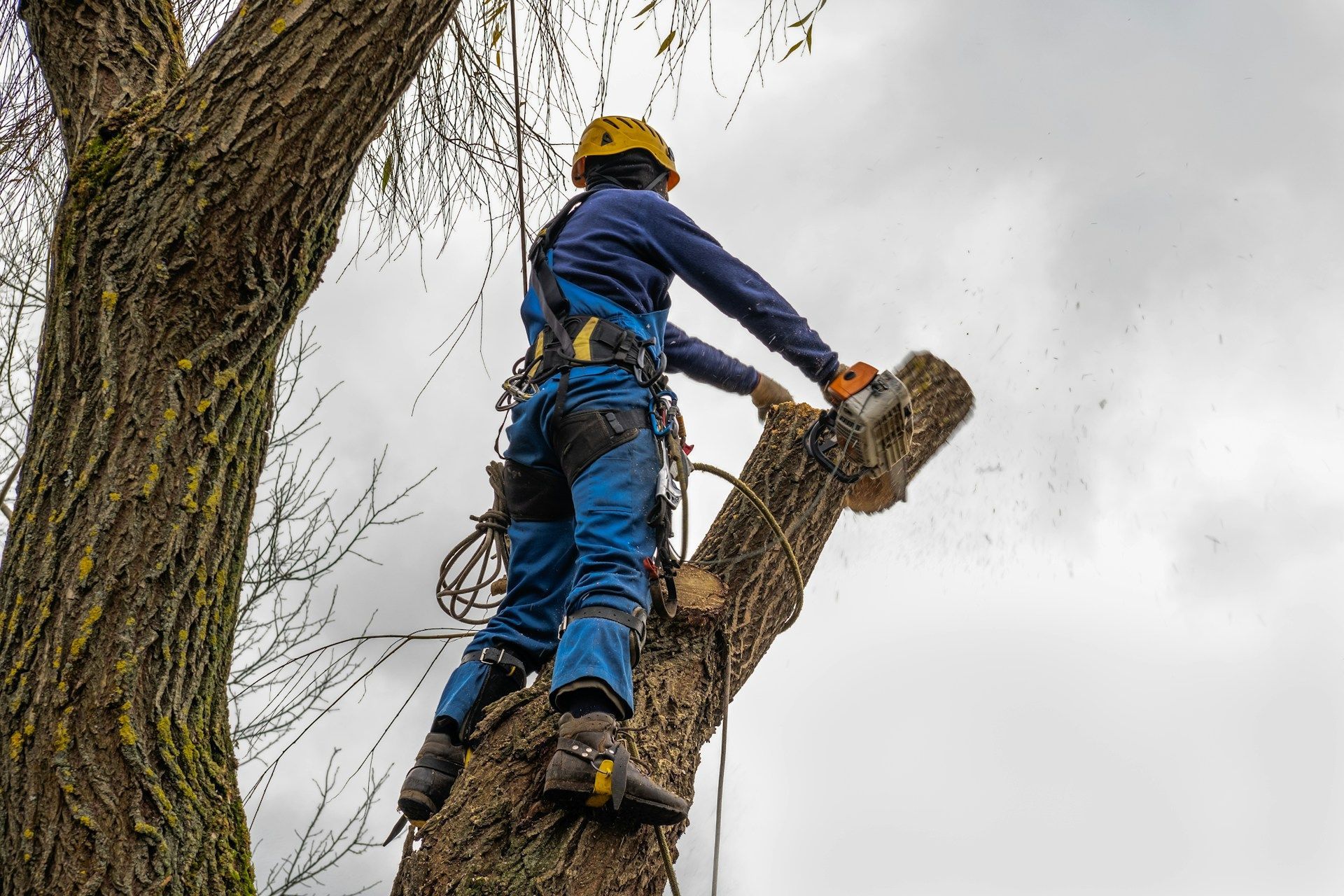
If you answer yes to any of these, it is usually time for a pro. A trained tree worker will look at more than just the one branch. They check overall tree health, how weight is spread through the canopy, and where the tree is likely to fail in high wind. They choose the right cuts, use ropes and rigging when needed, and make sure branches land safely without damage.
Local, family-owned crews that work in San Antonio every day also understand how our soil, heat, and common pests affect pruning choices. That local knowledge helps reduce long-term problems, keeps trees stronger, and lowers the chance of surprise limb breaks when yards are full of guests and cars during the holidays.
Protect Your Trees Before the Next Big Storm
As the holiday season gets closer and schedules fill up, it is a smart time to give your trees a quick check. Walk your yard or commercial property and look for dead limbs, branches that rub together, or long, stretched-out limbs hanging over roofs, parking lots, and driveways. Notice any branches that sway low in the wind or drop small twigs often, since those can be early warning signs.
Teague’s Tree Service helps homeowners and business owners in San Antonio with careful pruning that respects branch collars, protects tree health, and reduces storm hazards. We handle structural pruning, hazard reduction, stump grinding, and full removals when a tree can no longer be saved, along with 24/7 emergency service when storms hit at the worst moments. With a thoughtful pruning plan and the right cuts in the right spots, your trees can head into the busy winter and spring storm seasons stronger, safer, and better looking for years to come.
Get Started With Your Project Today
If your trees are overdue for care, we are ready to help you restore their health and shape with expert tree pruning in San Antonio. At Teague’s Tree Service, we evaluate each tree carefully so you get the right service for safety, appearance, and long-term growth. Reach out today to schedule an on-site assessment or to ask questions about your specific trees. You can easily request an appointment when you contact us.