Emergency Tree Removal in San Antonio for Narrow Access Yards
A tree that is leaning toward your house on a stormy night is not something to ignore, especially when your yard is tight and hard to reach. Narrow side yards, small backyards, and tight alleys change how fast and how safely that tree can be removed. When every inch matters, a quick, smart plan can be the difference between a close call and serious damage.
This guide walks through what really counts as an emergency, why narrow-access yards in San Antonio are extra risky, how professional crews handle tight spaces, and what you can do right away to stay safe. It also explains what information to share when you call for help so the right team can move fast and protect your home.
Fast-Action Guide to Emergency Tree Removal
Storms in San Antonio can roll in fast, with wind and heavy rain that hit trees hard. In older neighborhoods and newer small-lot communities, trees often grow close to homes, fences, sheds, and AC units. When a large branch cracks or a whole tree shifts toward your roof, there is not much room for error.
Narrow-access yards bring special challenges, such as:
- Side yards just a few feet wide
- Long, skinny driveways with limited turn space
- Shared alleys and fences close to tree trunks
- Backyards blocked by pools, decks, or patios
In these spots, big trucks cannot always get close, and there is rarely a clear place to drop branches. Emergency tree work has to be thoughtful, step by step, so the fix does not create new damage.
We work in these kinds of yards all the time in San Antonio, and we know how to plan around tight corners and nearby structures. The rest of this article explains how to recognize a real emergency, what makes narrow yards tricky, and how professional crews approach these calls.
When Tree Damage Becomes a Real Emergency
Not every broken limb is an emergency, but some situations should never wait. True emergencies usually involve an immediate safety risk or blocked access that affects daily life.
Here are examples of real emergencies:
- A tree or large branch resting on your roof or leaning toward it
- Tree limbs on or pressed against power lines
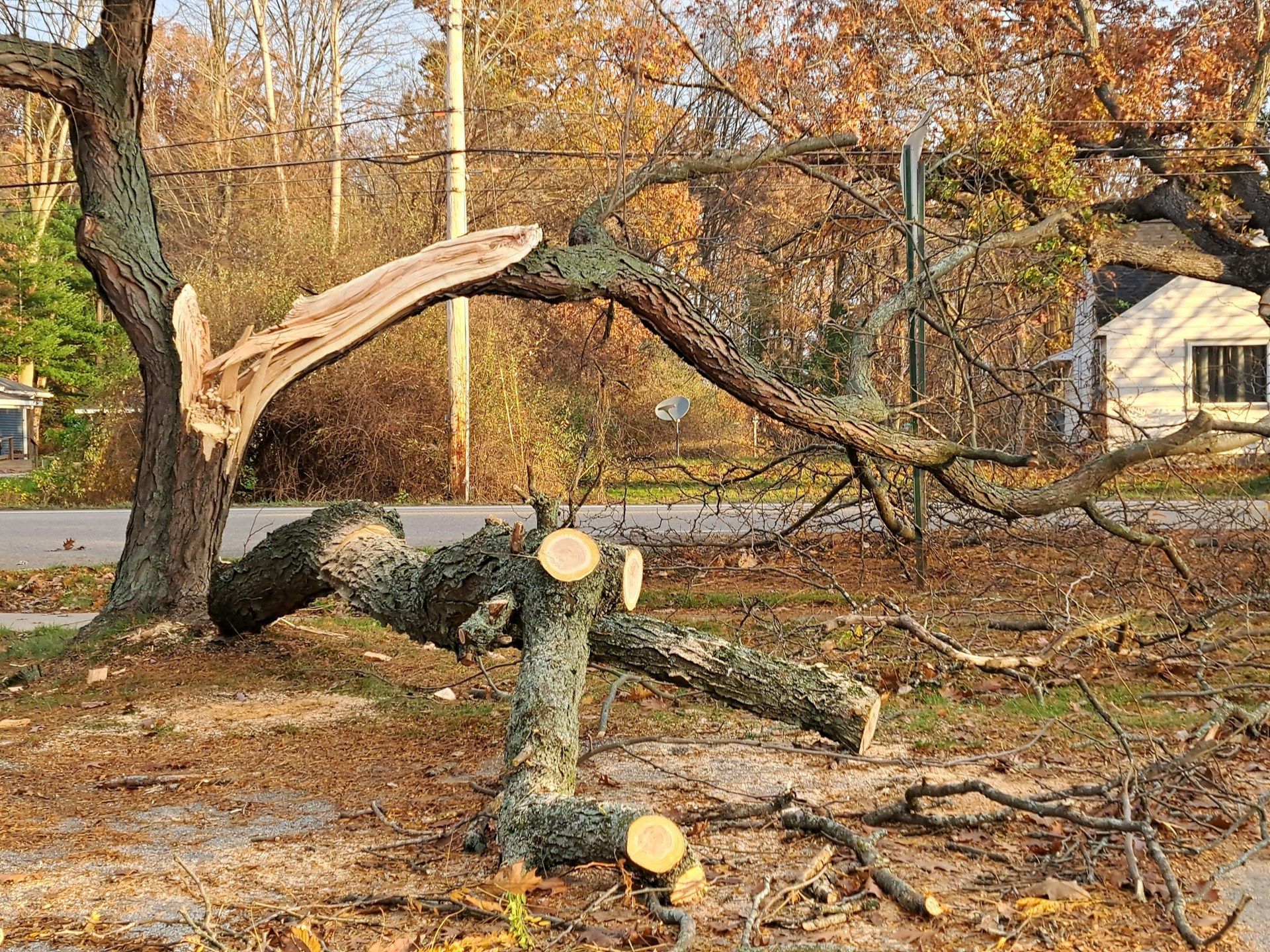
- A split trunk leaning over a home, driveway, or street
- A fallen tree blocking your only way out by car
- A tree at risk of falling into a neighbor’s house or parked vehicles
During fall storm fronts, heavy rain and strong wind can turn a tree that looked fine yesterday into a hazard overnight. Trees that are already weak, diseased, or badly pruned are more likely to fail when wind and water hit them.
Red flags to watch for include:
- New cracking sounds, especially during wind
- Fresh soil pushed up around the base of the trunk
- Roots lifting on one side of the tree
- A tree that suddenly leans after a storm
- Large branches hanging, caught in other branches
- Limbs resting on fences, sheds, or vehicles
Trying to fix these issues on your own, especially in a tight yard, can be very risky. Hidden cracks inside the trunk, unseen tension in branches, and nearby power lines can cause a cut limb to swing or drop in a way you do not expect. Professional crews are trained to read that stress and use the right gear to manage it safely.
Unique Risks of Narrow-access Yards in San Antonio
San Antonio has many properties where space is tight and access is limited. These layouts can turn a normal tree problem into a much more serious one.
Common narrow-access setups include:
- Zero-lot-line homes where the house sits right on or near the property line
- Older bungalows with very small side yards between houses
- Long flag lots where the only access is a skinny driveway
- Duplexes and townhomes with shared drives and close neighbors
In these settings, emergency tree work carries extra risks:
- Limited escape routes for workers if a tree shifts suddenly
- Higher chance of branches hitting roofs, gutters, or AC units
- Greater risk of damage to neighbor fences and shared structures
- Very little open space to safely drop or stack cut pieces
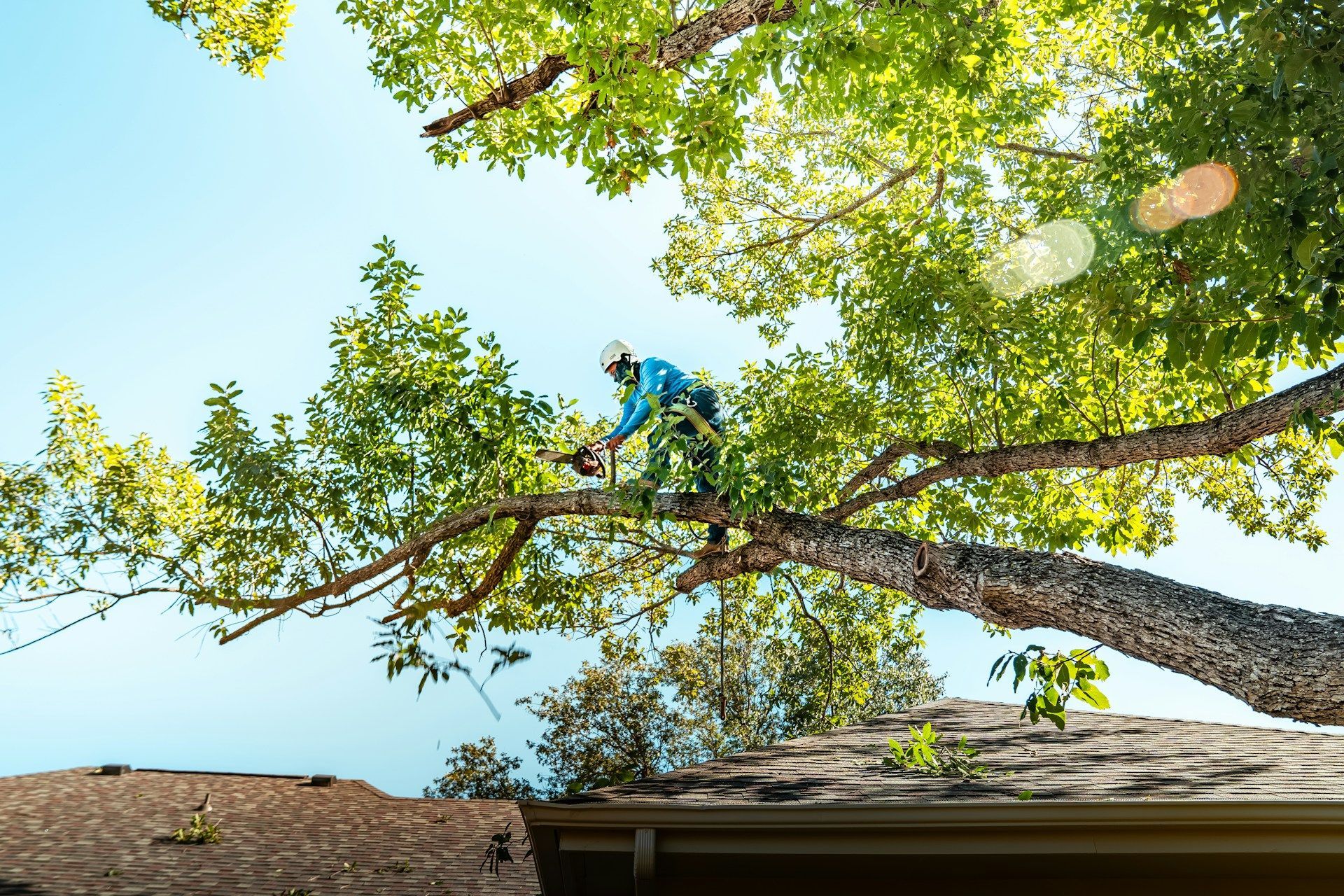
When trucks, cranes, or large machines cannot reach the tree, the removal strategy changes. Often, the tree must be taken apart from the top down in small sections. Workers may use rigging lines to lower each piece instead of letting it fall.
During busy storm periods, narrow yards can become blocked fast. A single failed limb can:
- Close off the only path to your driveway or street
- Knock over fences that divide properties
- Damage service lines and slow down repair crews
Trying a quick DIY fix in these situations can make the damage worse and slow things down for insurance and utility workers.
How Pros Safely Remove Trees in Tight Spaces
Professional emergency tree work always starts with a careful look at the situation. Before any cutting starts, the crew studies the tree, the lean, and what is underneath and around it.
A safe plan usually includes:
- Checking the tree’s health, trunk, and main limbs
- Identifying targets like roofs, power lines, fences, and vehicles
- Planning where each cut piece will land
- Mapping safe paths for workers to move in and out of the area
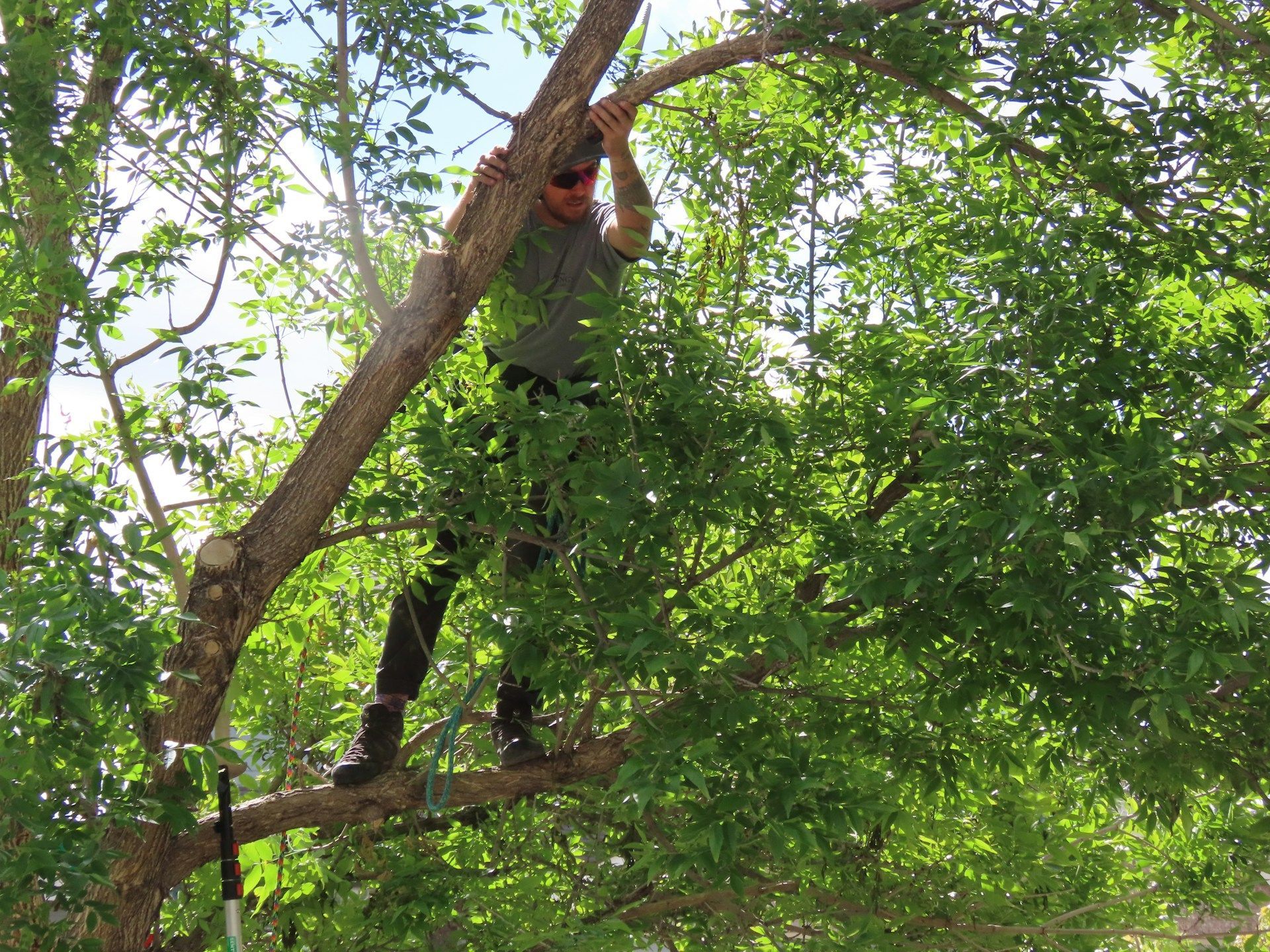
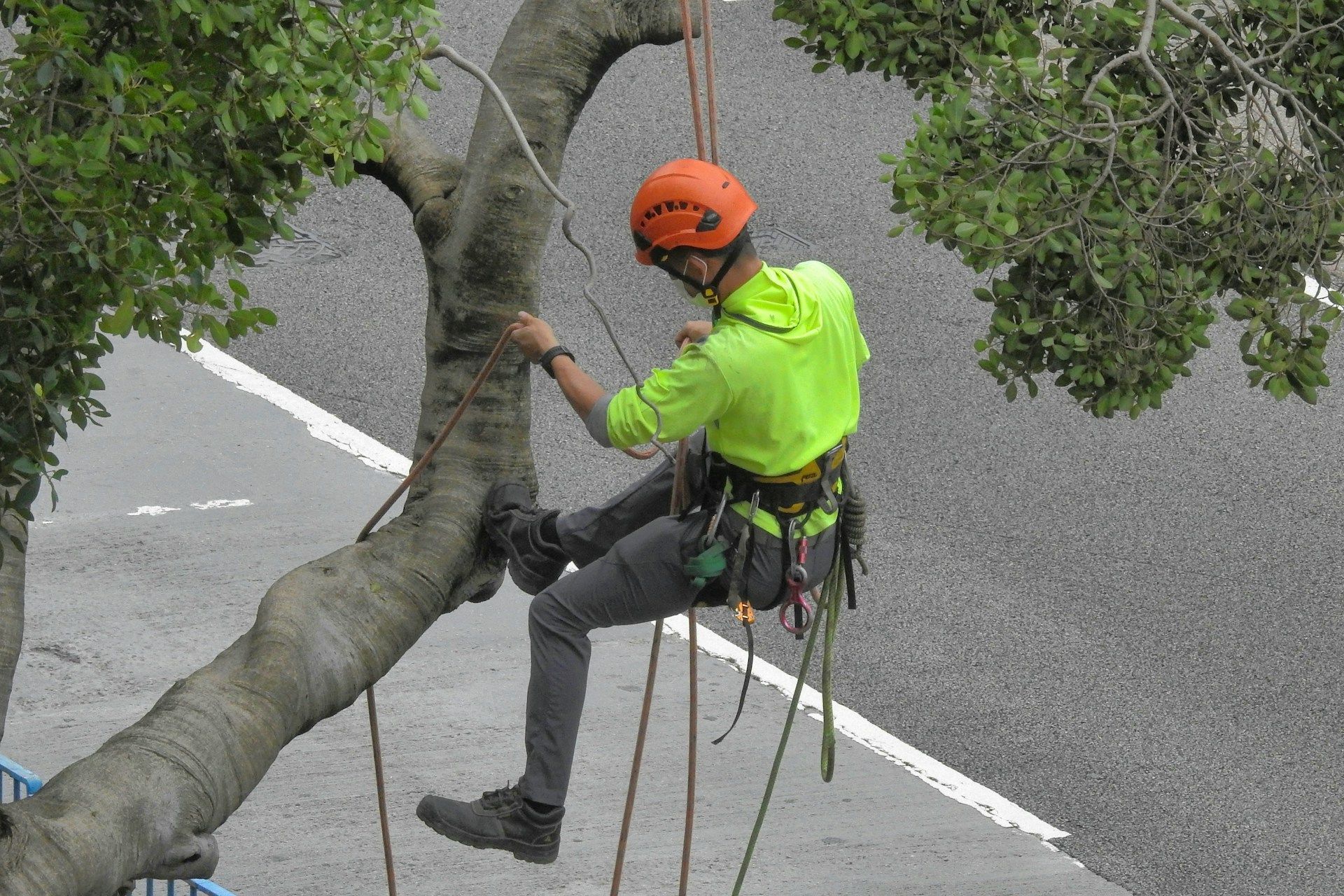
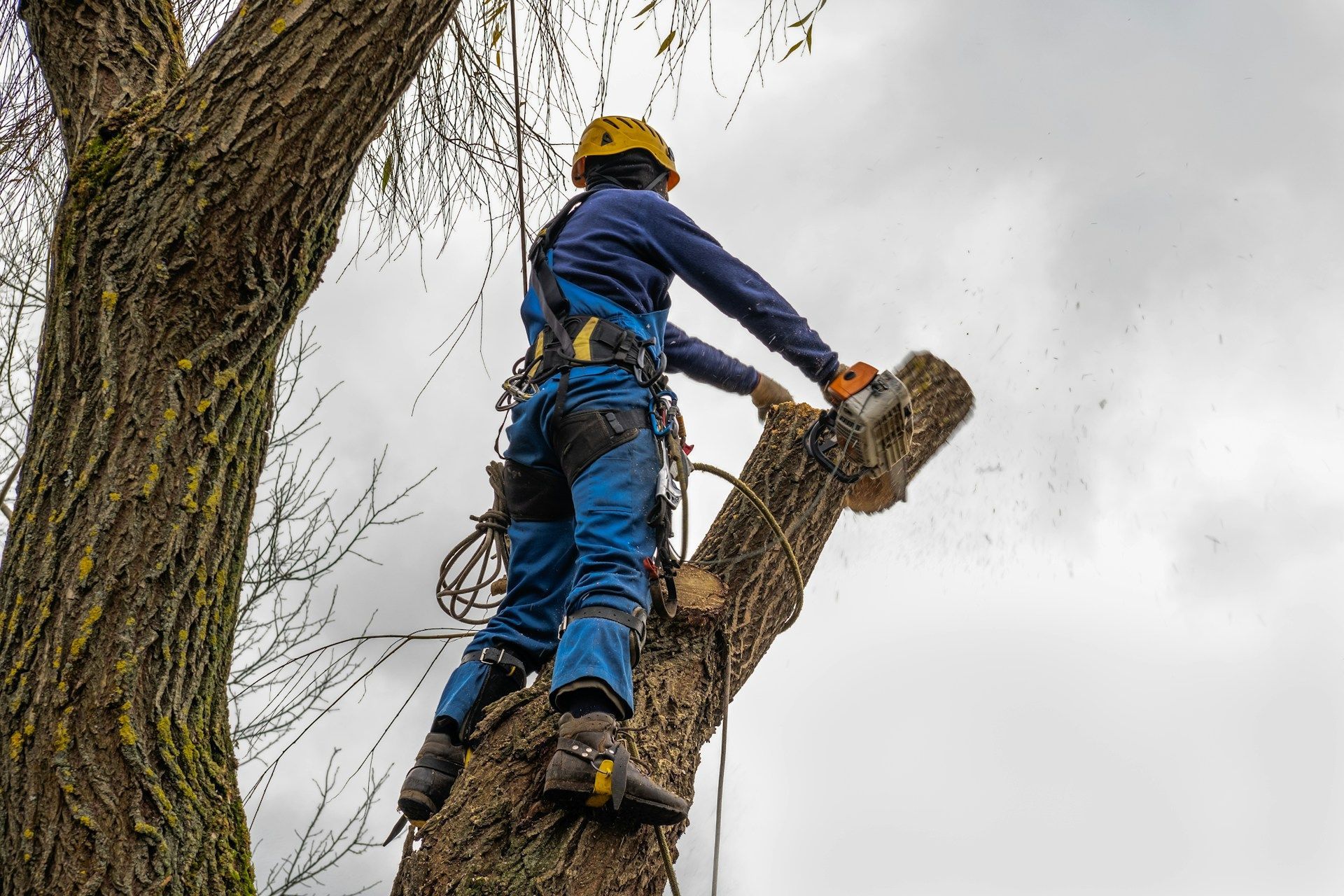
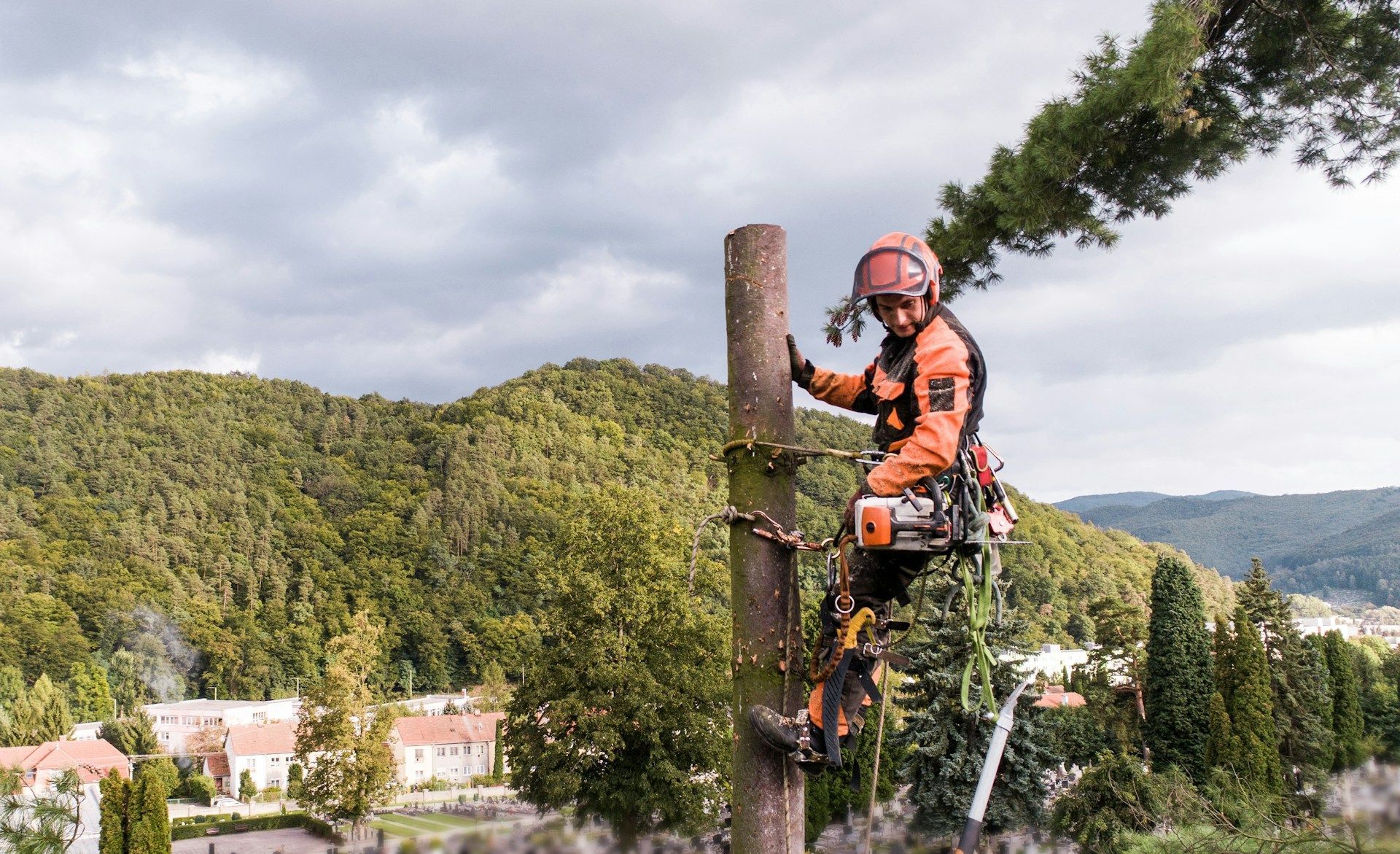
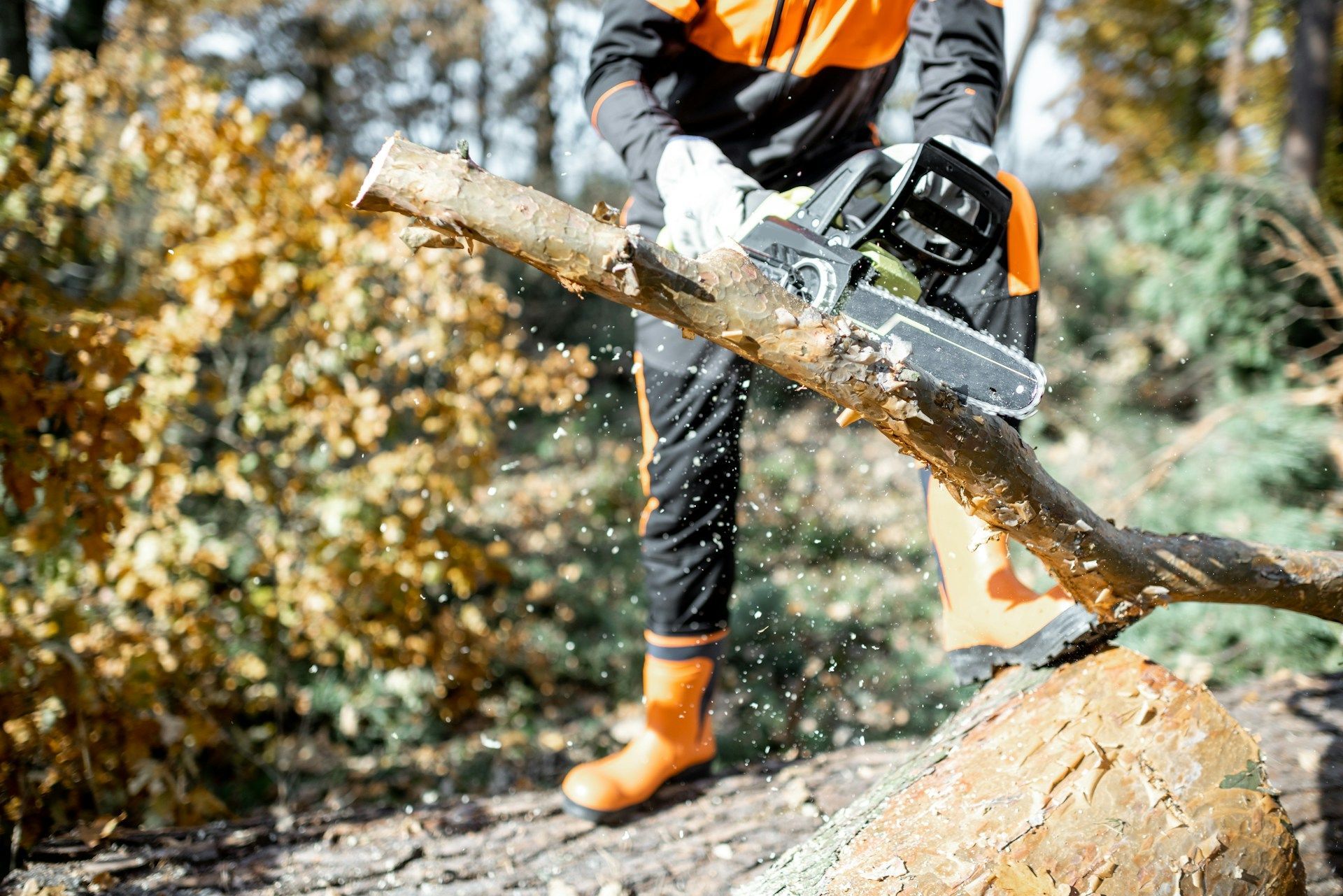
When bucket trucks or cranes cannot get into your yard, climbers may go up the tree using harnesses and ropes. From there, they remove the tree in sections. Rigging gear and friction devices help control each limb as it comes down so it can be lowered slowly instead of dropped.
To protect your property in a tight yard, crews often:
- Put down boards or mats to protect grass and walkways
- Use padding along fences, walls, or corners
- Stack cut wood and brush in small, organized piles
- Coordinate with you to move vehicles, grills, or patio items before work starts
Compact equipment can still play a big role in narrow spaces. Smaller stump grinders can fit through standard gates. Mini skid steers or similar machines can carry heavy logs out without tearing up the entire yard or damaging irrigation and landscaping beds.
What to Do Before the Crew Arrives
When you notice a tree emergency, staying safe comes first. The area around a damaged tree can change quickly, especially if wind picks up again.
Right away, you should:
- Stay out of the area under and around the leaning tree or hanging limbs
- Keep kids and pets indoors and away from windows on that side of the house
- Avoid parking under or near the damaged tree
- Do not touch any limbs on or near power lines
- Call 911 if power lines are down or sparking
When you call an emergency tree service, sharing clear details helps them plan equipment and crew size before they arrive. Helpful information includes:
- Where the tree is located on your property
- What the tree is touching or threatening
- Whether access is only through a narrow side yard or alley
- Gate widths and any tight corners to reach the tree
- The presence of pools, sheds, decks, or large playsets
- Any known power, phone, or internet lines nearby
You can also take a few simple steps to speed up the work:
- Unlock gates and clear pathways if it is safe to do so
- Move light items like trash cans, planters, and patio chairs
- Turn on exterior lights if it is dark
- Take photos of the damage from a safe distance for your records
It is important not to cut weight-bearing limbs yourself. Cutting the wrong piece at the wrong time can shift the load and cause sudden failure. A fully insured professional company helps protect you if something unexpected happens during the work and can also help prevent headaches with insurance claims later on.
Choose Teague’s for Fast, Safe Emergency Tree Help
Emergency tree removal in San Antonio is stressful enough. When your yard is narrow or hard to reach, you need a team that understands how to work in those tight spaces and still move quickly. As a family-owned, fully insured tree company based here in San Antonio, we handle emergency tree trimming, removals, stump grinding, and tree planting for both homes and businesses, including properties with limited access.
Before storm season gets busy, it helps to have a plan. Many property owners ask us to check trees that lean over roofs, driveways, shared fences, or parking areas so they can address problems before the next big storm hits. This is especially helpful for elderly family members, rental homes, or multi-unit properties where a blocked drive or damaged fence affects more than one household.
With the right preparation and an experienced crew ready to step in, even the tightest San Antonio yard can be made safer in a short amount of time. That peace of mind matters when the wind picks up, the rain starts to fall, and you want to know your home, your family, and your neighbors are better protected.
Protect Your Property With Fast, Professional Tree Help
When a storm or sudden tree failure puts your home at risk, you need a crew that can respond quickly and safely. At Teague’s Tree Service, we offer 24/7 emergency tree removal in San Antonio so you are not left waiting while damage gets worse. Call us anytime or contact us online, and we will mobilize our team to secure your property and clean up the damage safely.