Storm-Damaged Trees in San Antonio: Cabling, Pruning, or Removal
When Storms Hit San Antonio, Your Trees Need a Plan
Storm winds and heavy rains can turn quiet San Antonio streets into a mess of fallen limbs and leaning trees. If your property has mature trees, every strong front that rolls through can leave you wondering what is safe and what is not. Those quick choices right after a storm can affect your family’s safety, your home, and even your wallet.
Storms hit trees that may already be stressed from heat, drought, or past pruning. Cracks that looked small before can spread, roots can loosen, and heavy limbs can twist out of position. That is when you face a big decision: can this tree be saved with pruning or support hardware, or is emergency tree removal in San Antonio the safer call?
As tree pros, we look at storm damage differently than most people. You might see a ragged canopy and scattered branches. We focus on structure, balance, and how the tree is attached to the ground. The question is not “Does it look bad?” but “Can it hold safely in the next storm?”
First 24 Hours After a Storm: Safety Before Sentiment
Right after a storm, feelings can run high. It is easy to focus on the mess in your yard or the tree you have loved for years. But safety comes first, every time.
Start with a quick visual check from a safe distance:
- Downed or sagging power lines touching branches
- Large limbs hanging over driveways, roofs, or walkways
- Trees that are suddenly leaning or heaving the soil on one side
- Broken branches that are stuck up in the canopy
- Trees or limbs blocking doors, gates, or access for emergency vehicles
What you should do in the first day:
- Take photos and short videos of damage for your insurance records
- Keep kids, pets, and cars away from damaged trees
- Call your utility company if lines are involved
- Call a tree professional if you see anything that feels unstable
What you should not do:
- Do not cut hanging limbs on your own
- Do not climb ladders near damaged trees
- Do not walk under a torn or cracked canopy just to “get a closer look”
Emergency tree removal in San Antonio is most urgent when:
- A tree or limb is resting on a roof or vehicle
- A tree blocks a driveway or main exit
- There is movement in the root area or a fresh, sharp lean
- Branches are close to or touching power lines
During fall, when people host more outdoor get-togethers and spend evenings outside, fast action keeps guests, cars, and roofs safe before the next round of storms.
How Arborists Decide If a Storm-Damaged Tree Can Be Saved
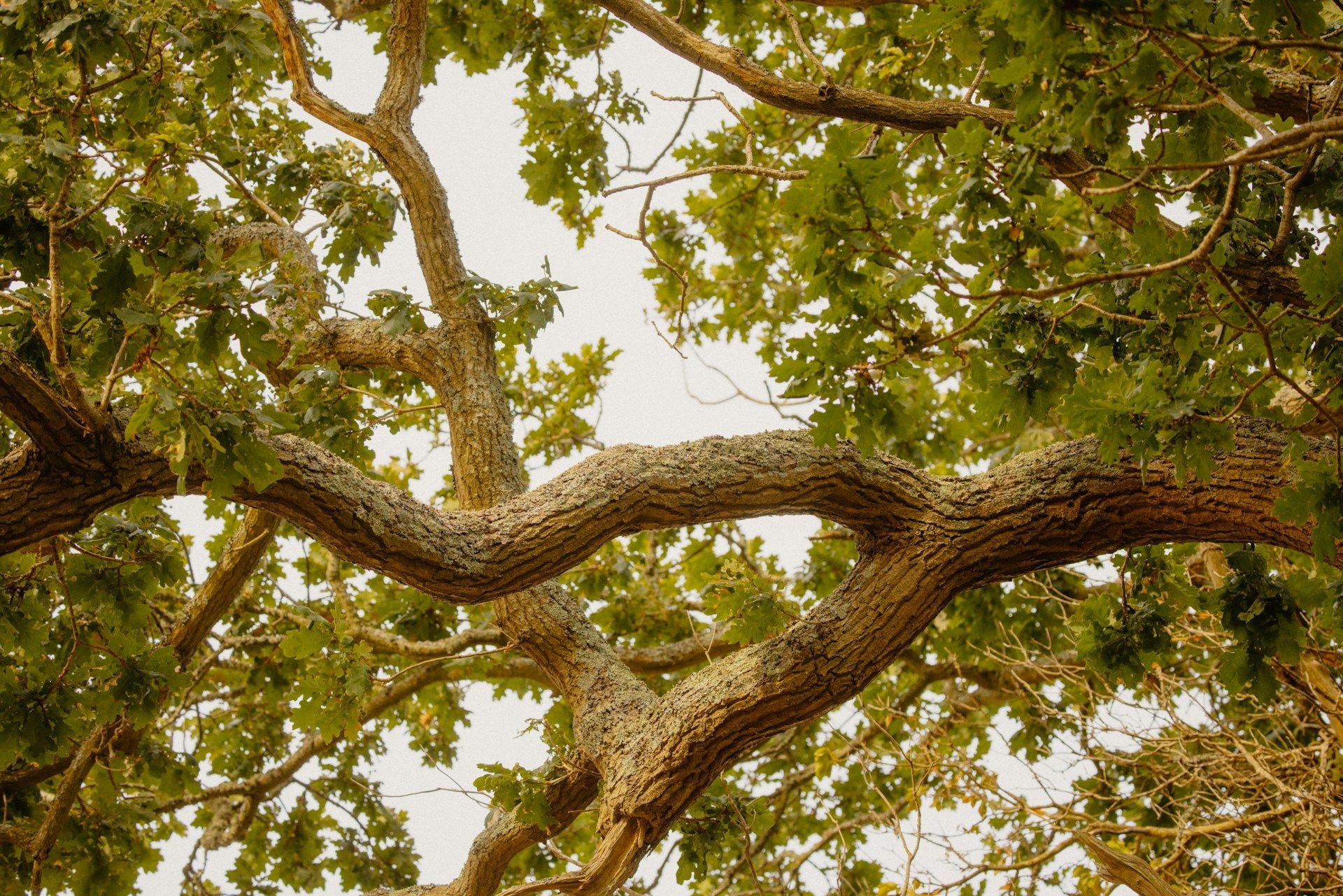
From the ground, two damaged trees can look similar but have very different futures. A trained eye looks past the broken branches to the “bones” of the tree.
We pay close attention to things like:
- Cracks or splits in the trunk or main branch unions
- Split crotches where two big limbs join
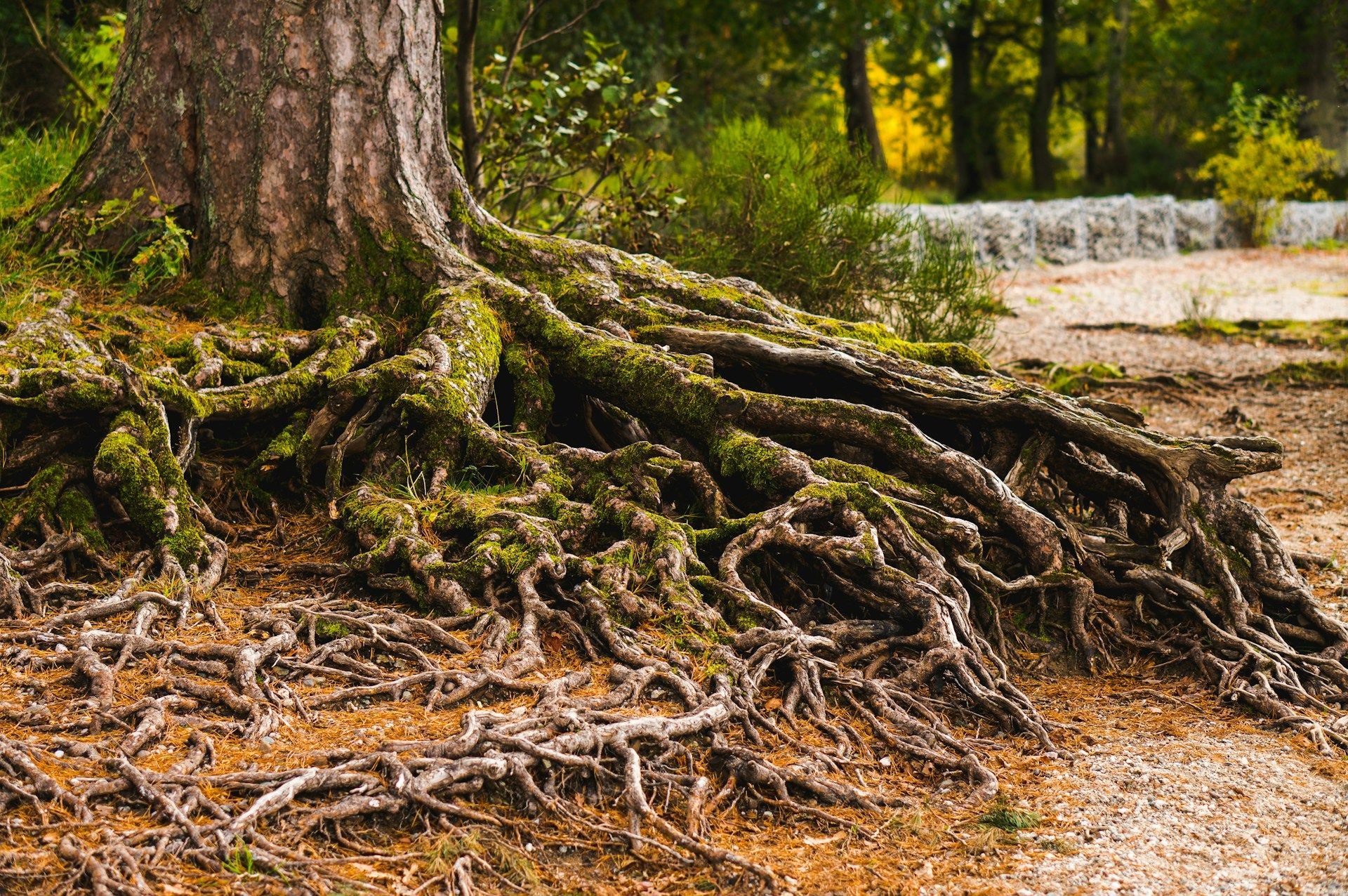
- Movement or lifting in the root plate, the area where the trunk meets the soil
- Signs of hidden decay, such as soft wood or fungus at the base
- Old cuts from poor pruning that never healed well
- How much of the canopy is missing or torn
Then we think in terms of risk, not only damage. That means asking:
- Target: What could be hit if this tree or limb fails, a fence or a bedroom?
- Likelihood: Is failure likely soon, or can it be slowed with support and pruning?
- Consequences: If it falls, are we talking about a dented railing or a serious injury?
In general:
- A mostly healthy tree with a few broken limbs can often be saved with pruning and sometimes cabling or bracing.
- Trees with badly damaged root systems, deep trunk splits, or a new strong lean often call for removal.
One common misunderstanding is thinking a tree is “fine” just because it stayed standing. Some of the highest-risk trees are still upright but cracked inside. On the flip side, a tree with several big limbs on the ground is not always doomed. Structure and stability matter more than looks.
When Cabling, Bracing, and Pruning Are the Smart Call
Not every storm-hit tree needs to come down. In many cases, cabling, bracing, and careful pruning can safely extend the life of a favorite tree.
Here is what each method means in simple terms:
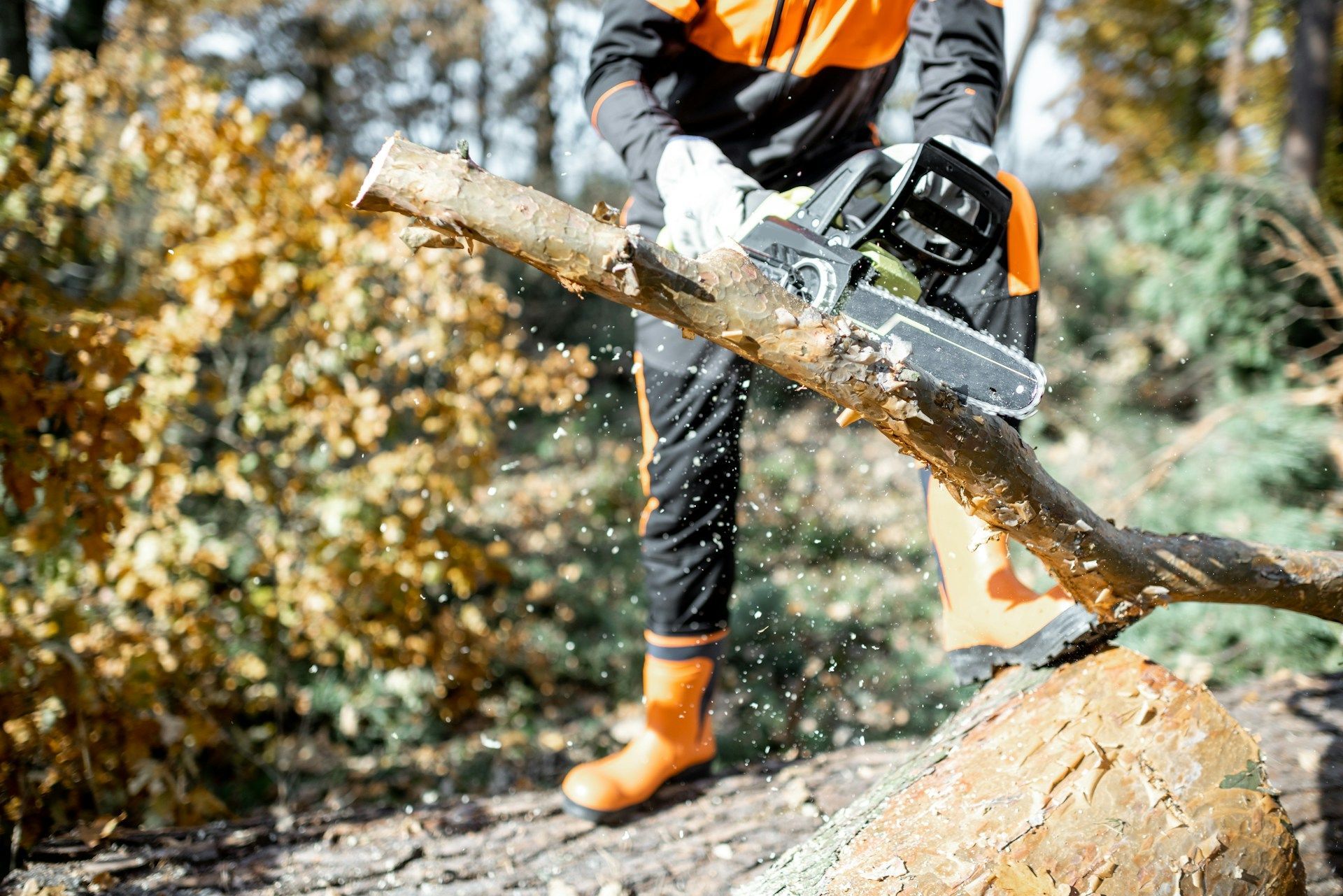
- Pruning: Removing broken, split, or weakened limbs, and thinning the canopy to balance weight and reduce wind resistance.
- Cabling: Installing high-strength steel cables between major branches or co-dominant stems to share the load and limit movement.
- Bracing: Placing steel rods through split or weak unions to hold them together and prevent further separation.
These tools are helpful when:
- A mature shade tree lost one major leader but still has a solid trunk and root system
- A valuable tree over a patio or driveway has one or two suspect limbs but is otherwise healthy
- A historic or sentimental tree has a weak union that needs extra support
Benefits of these methods include:
- Lower wind sail so branches do not whip as hard in gusts
- Better weight distribution so one limb does not carry everything
- Extra time to enjoy a tree that might otherwise need to come down sooner
There are limits, though. Support hardware does not make a risky tree “storm proof.” Trees that receive cabling or bracing should be inspected on a regular basis and again after strong storms. In San Antonio, we also pay attention to species, drought history, and soil conditions to decide if these supports are likely to hold up under local weather patterns.
Clear Signs It’s Time for Full Tree Removal
Sometimes the safest choice, and the kindest in the long run, is full removal. Certain red flags usually push us in that direction:
- Major trunk failure or large missing sections of trunk
- Deep, long vertical cracks that run down the stem
- Trees that have tipped with roots showing or soil humped on one side
- Soft, crumbly, or hollow wood at the base or where the trunk splits
- Trees that already hit a structure, even if they bounced off or slid down
We also weigh risk against reward. Even a beloved tree may not be worth the danger if it:
- Hangs over bedrooms or play areas
- Stands uphill from a neighbor’s house or parking lot
- Has a history of dropping limbs in past storms
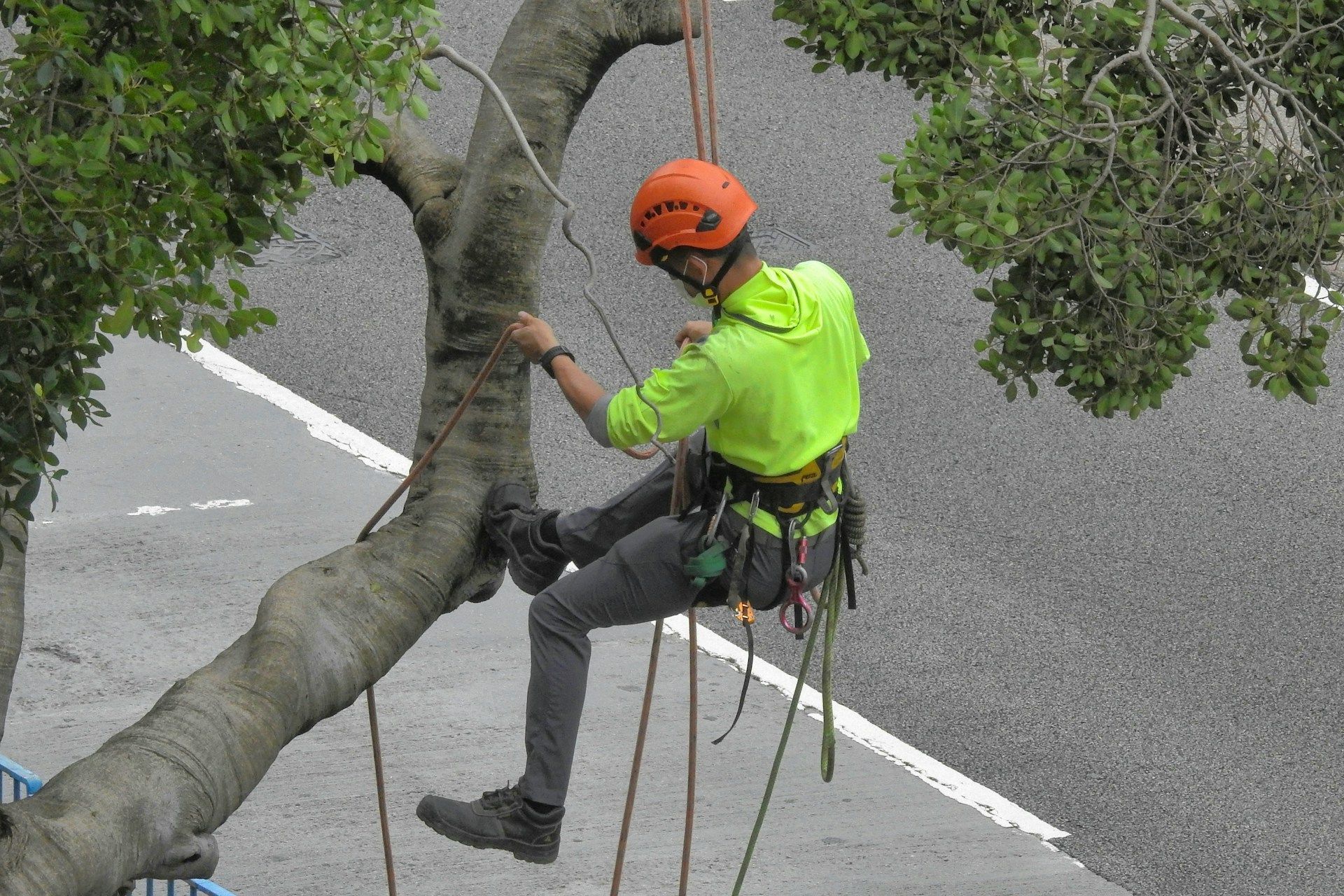
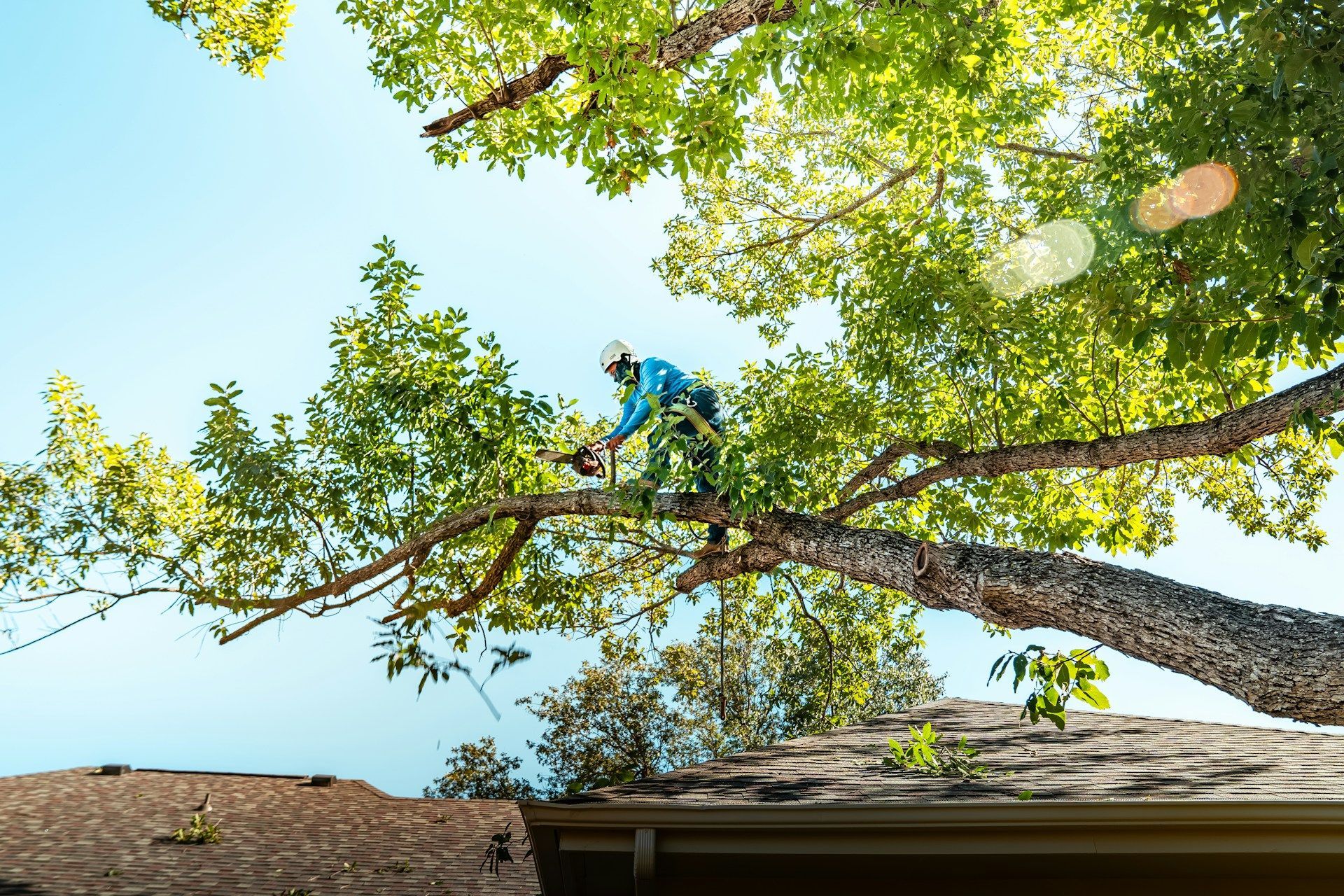
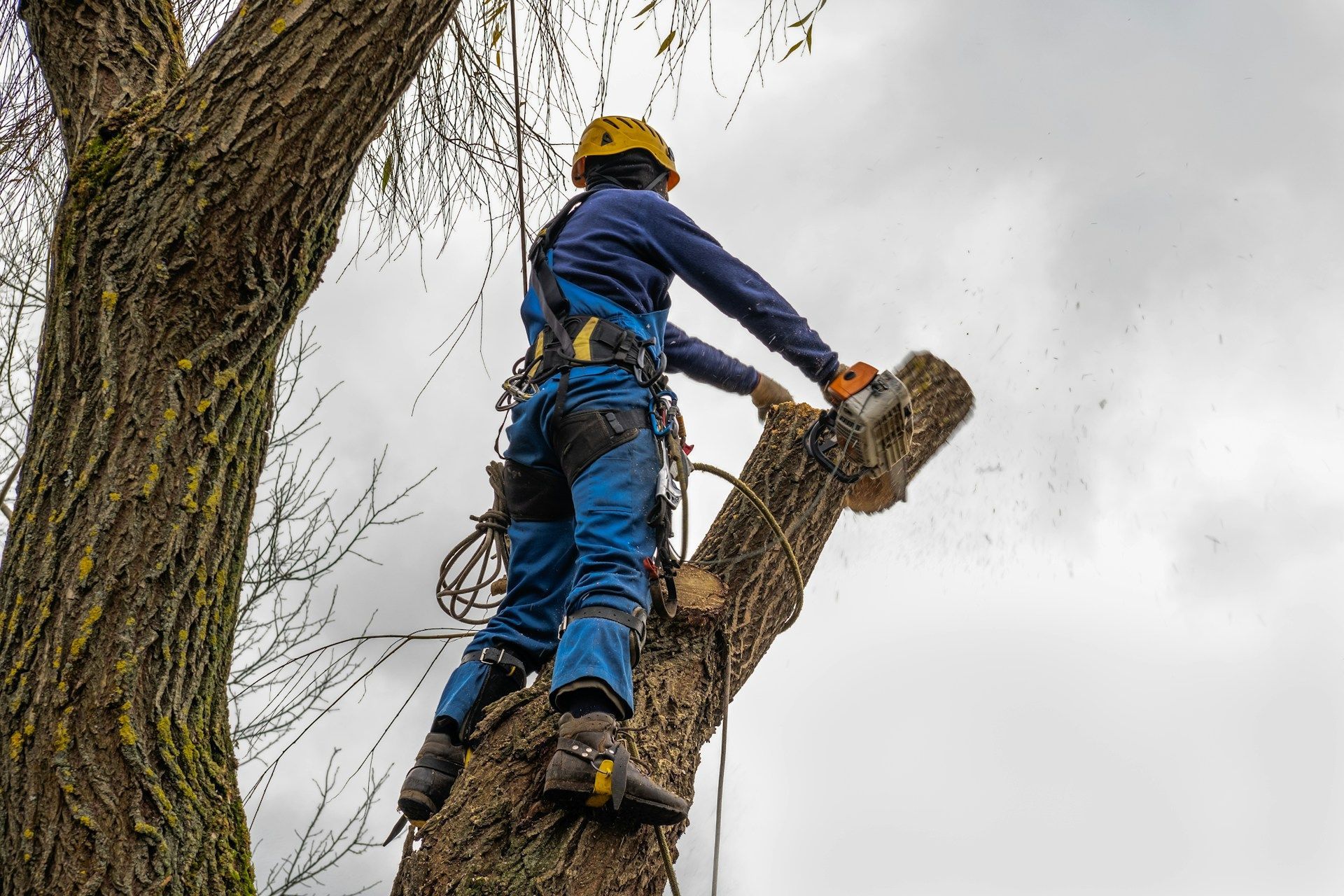
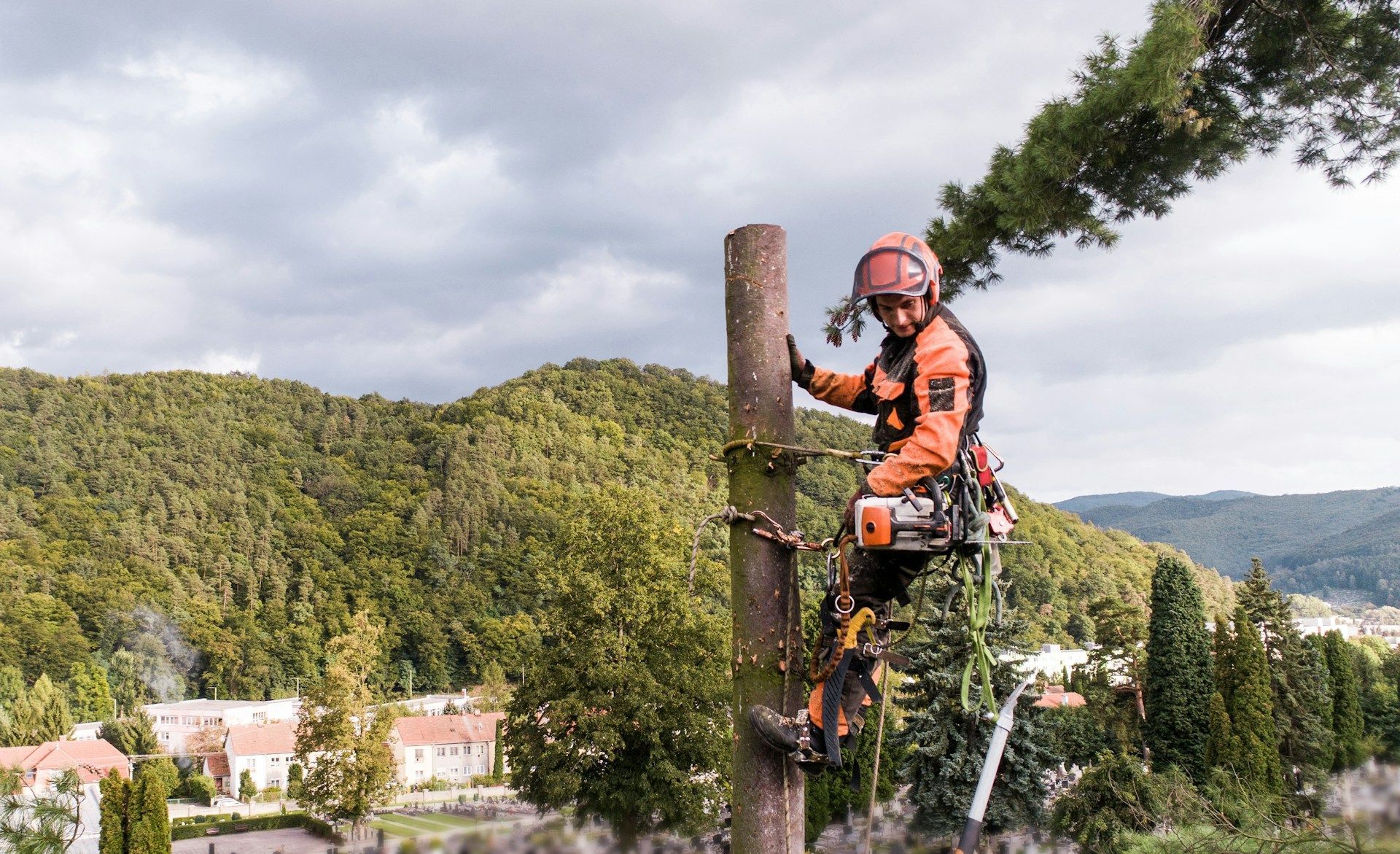
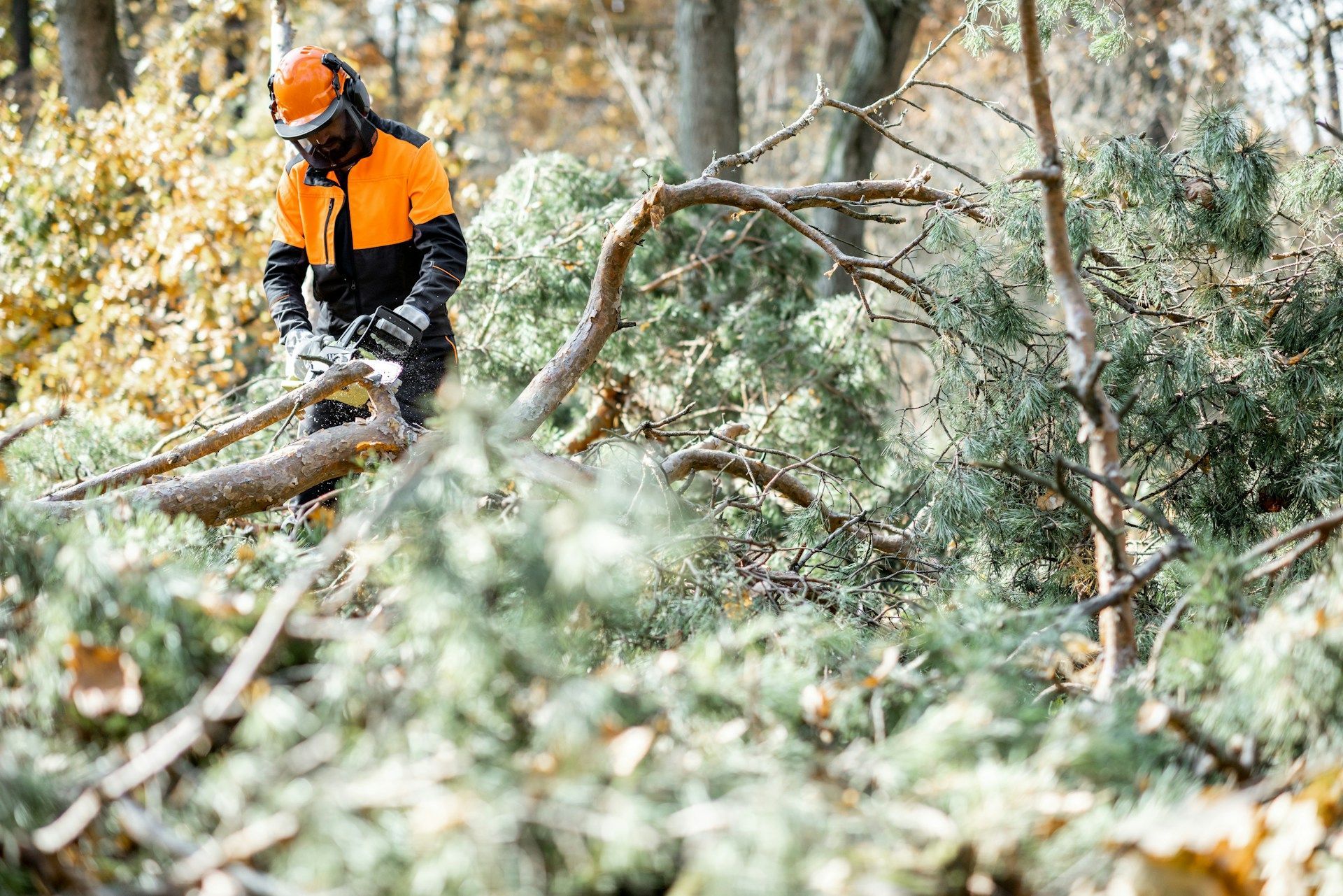
Emergency tree removal in San Antonio is done with careful planning. Crews may remove the tree in small sections, use rigging to lower limbs over roofs, or bring in cranes when there is no safe drop zone. Debris is cleared as the work goes, and the site is left ready for what comes next.
After removal, many property owners choose stump grinding so the space can be reused. It is also a good time to talk about replanting with more wind-resilient species and checking nearby trees for similar storm weaknesses.
Partner with a Trusted San Antonio Tree Expert Before the Next Storm
The best time to think about storm damage is before the wind picks up. A simple risk check and structural pruning can turn a future emergency into a smaller cleanup job. Large trees over driveways, play spaces, and outdoor living areas deserve special attention.
A local, family-owned tree company that is licensed and insured and works in San Antonio day after day understands the area’s soil, weather patterns, and common tree problems. That kind of local experience matters when choosing between pruning, support hardware, or removal.
It is smart to get a professional eye on your trees if:
- You see cracks, fresh leans, or torn limbs from recent storms
- You have big trees over places people park or gather
- Your property has had repeated branch failures during windy weather
With the right plan, you can protect your home, keep people safe, and still enjoy healthy, beautiful trees for years to come.
Protect Your Property With Fast, Professional Tree Service
When a storm or unexpected damage puts your trees at risk, you should not have to wait for help. At Teague’s Tree Service, we provide 24/7
emergency tree removal in San Antonio to quickly secure your home or business. Call us any time or use our
contact page so we can respond promptly and safely handle the situation.