Recognizing Tree Stress: When to Call a San Antonio Arborist
Spotting Tree Trouble Before It Becomes Dangerous
Trees can look green and full one week, then drop a big limb the next. One strong storm, one heavy gust, and a branch that seemed fine can land on a fence, roof, or car. Many San Antonio yards have trees that appear healthy on the outside while hiding stress on the inside.
Most serious tree problems start small. Tiny cracks, leaf changes, or root issues quietly build over time, especially after long hot summers or rough storms. When these warning signs are missed, the risk to people, pets, and property goes up.
We want you to feel confident looking at your trees and knowing when something is not right. When you can spot early stress and call a San Antonio arborist at the right time, you help protect your home and keep your favorite shade trees safer and stronger for years.
Common Signs Your Tree Is Under Stress
Tree stress often shows up in the canopy first. Leaves are like a health report for the whole tree, from roots to branches.
Watch for leaf changes such as:
- Early leaf drop in late summer or early fall while other trees in the neighborhood are still holding their leaves
- Leaves that are smaller than normal or look scorched and brown around the edges
- Yellowing between the veins while the veins stay green, especially on the same branch
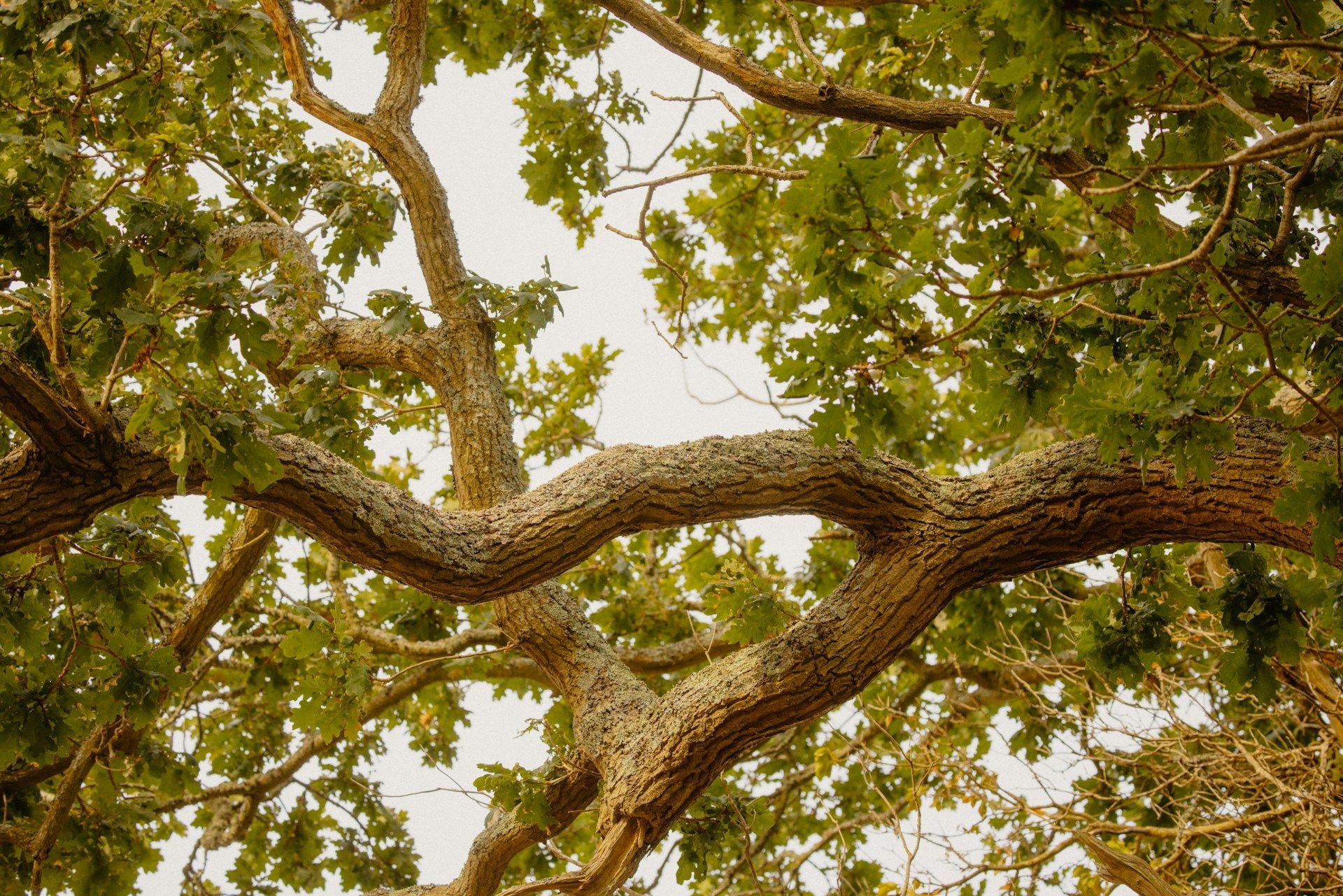
- Thin, see-through canopies where you can easily spot the sky through the branches
Bark, trunk, and root problems are also big warning flags. The trunk is the main support system of your tree. When it starts to fail, safety becomes a concern.
Keep an eye out for:
- Cracks, peeling bark, or sunken canker spots on the trunk or major limbs
- Mushrooms or other fungal growth at the base of the tree or along big roots
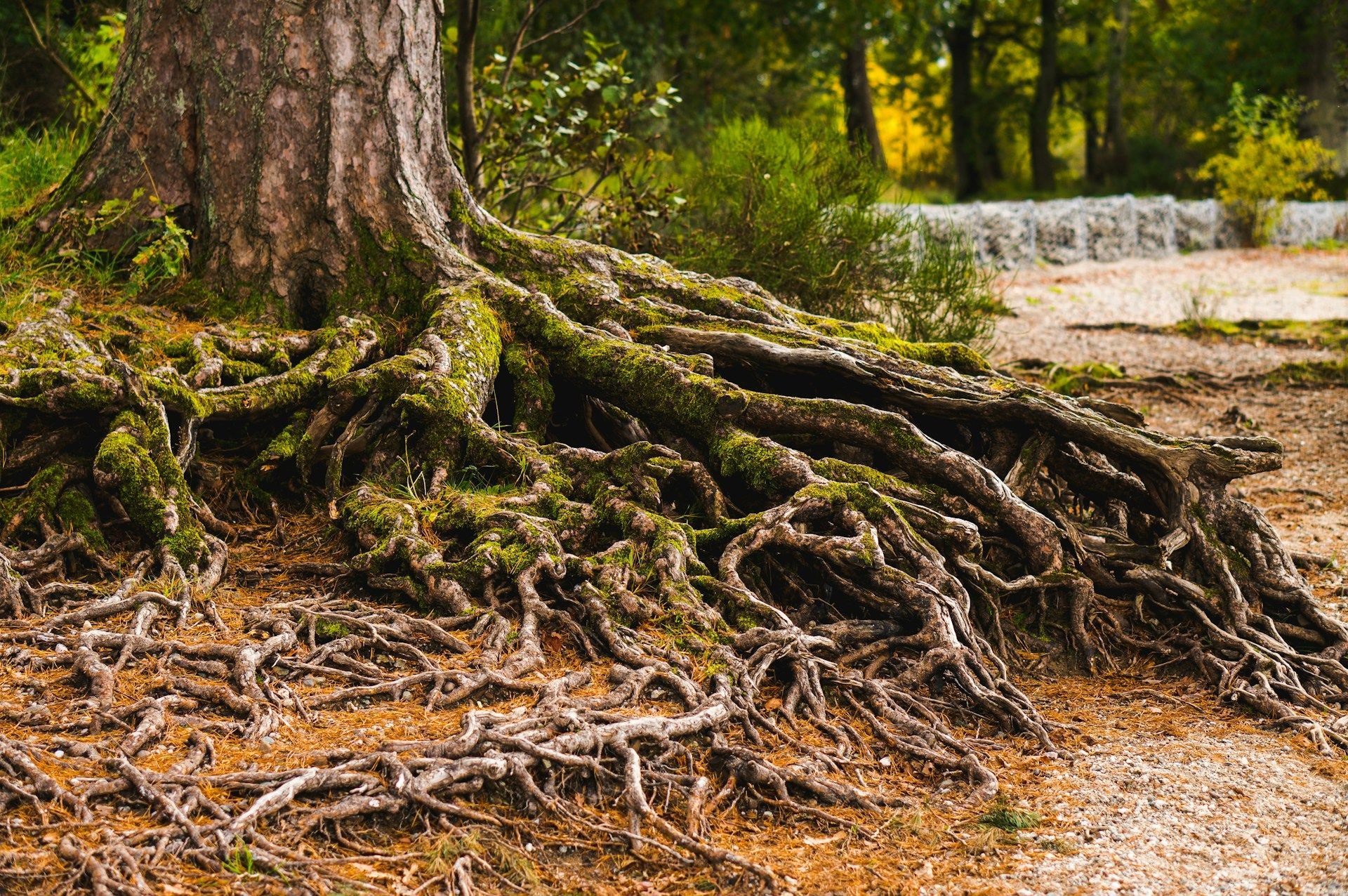
- Heaving soil, newly exposed roots, or a tree that leans more after rain or wind
Pests and disease often move in when a tree is already stressed. In San Antonio, that can happen after drought, heat, or storm damage.
Signs of insect or disease trouble include:
- Tiny borer holes, sawdust-like material, or sap oozing from the trunk, especially on oaks
- Sticky residue on leaves or patio furniture, along with black sooty mold on leaves
- Clusters of visible insects on twigs or leaves
- Dead twig tips or whole limbs dying back from the outside in
If you see more than one of these issues on the same tree, it is time for a closer look from a pro.
How San Antonio Weather Stresses Local Trees
San Antonio trees deal with a lot, from long sunny stretches to sudden storms. Even native trees can struggle when several stress factors stack up.
Heat, drought, and watering habits play a huge role. Extended heat and dry conditions strain root systems, even for hardy species. Shallow or quick watering only wets the top layer of soil, so roots stay closer to the surface, making them weaker over time. On the other hand, heavy watering right at the trunk can lead to rot and fungal activity.
Trees planted in thick turf or rock-heavy yards face extra pressure. They may compete with grass for water and nutrients. Rock beds and light-colored concrete reflect heat onto trunks and roots, which adds more stress.
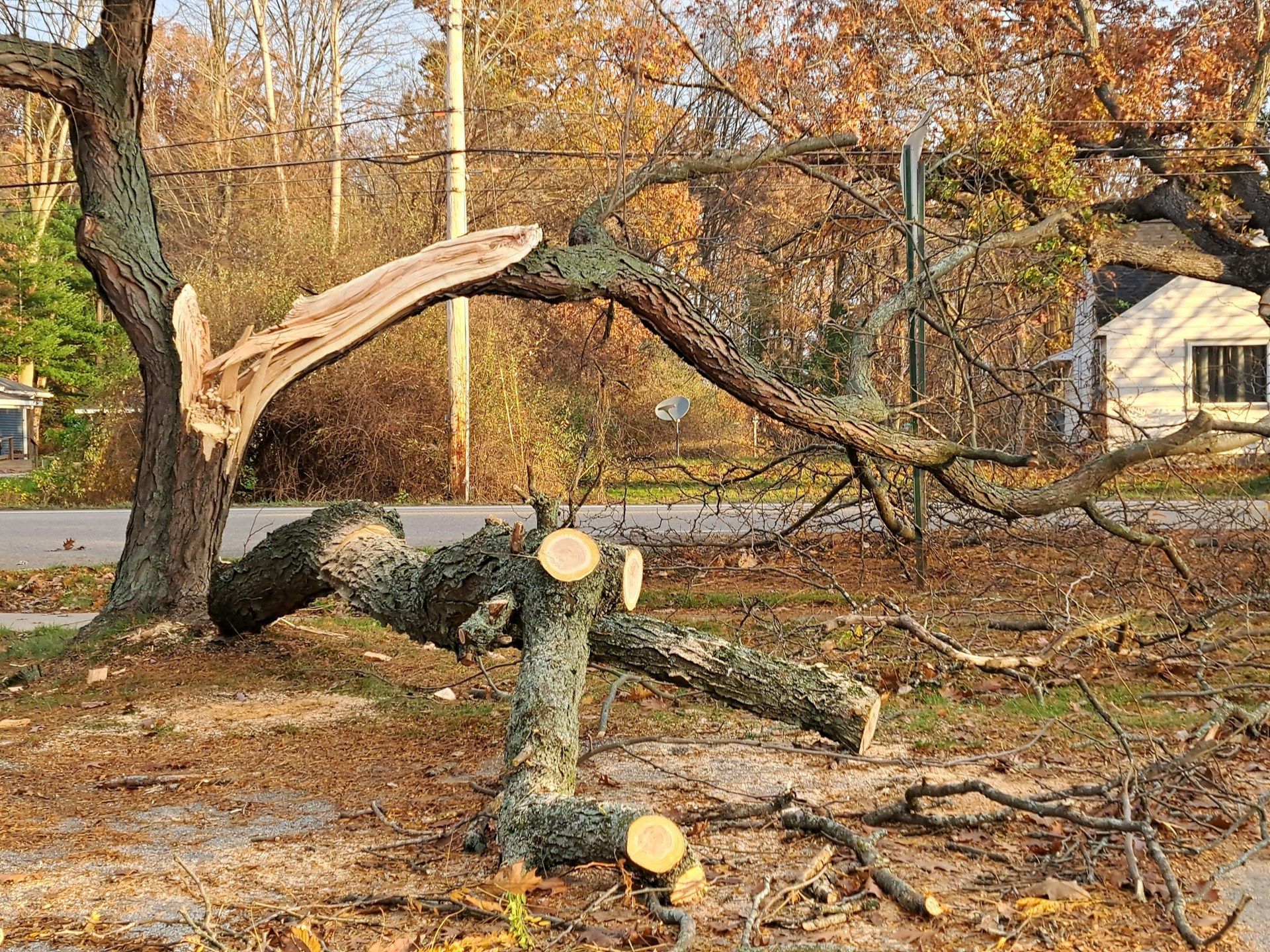
Storms, wind, and flash flooding bring a different set of problems. Heavy rain can quickly saturate the soil, then strong gusts push against soft, wet ground. Roots can loosen or tear, even if the tree does not fall that day. Hail and sudden wind can crack or twist branches, leaving hidden fractures that fail later.
After a strong storm, many homeowners only notice broken limbs on the ground. A San Antonio arborist looks for:
- Fresh cracks or splits where large branches meet the trunk
- Soil lifting on the side opposite a lean
- Branches that are bent out of their normal position
Urban pressures add one more layer. Compacted soil from parking, foot traffic, or construction makes it hard for roots to breathe and take up water. Trenching, new patios, or changes to yard grade in the root zone can harm roots, even if the tree looks fine at first. Damage like this can show up months or years later as slow decline.
When It’s Time to Call a San Antonio Arborist
Some tree issues are mainly cosmetic, but others are clear safety risks. Knowing the difference is important for your family and property.
Safety red flags that need professional attention include:
- Large dead limbs high in the canopy or branches that are hanging and stuck in other limbs
- Visible cracks where big limbs meet the trunk
- Trees that suddenly lean or lean more than they did before, especially after storms or heavy rain
- Branches growing over roofs, driveways, play areas, or parking spaces
Tree health also affects your long-term property value. Shade trees make yards more comfortable and inviting, but they need the right care.
It is time to call in help when:
- The same leaf problems, pests, or dieback keep returning, even with careful watering
- Newly planted trees stay stunted, fail to leaf out fully, or show ongoing stress
- Mature trees that you rely on for shade start to thin out or drop limbs
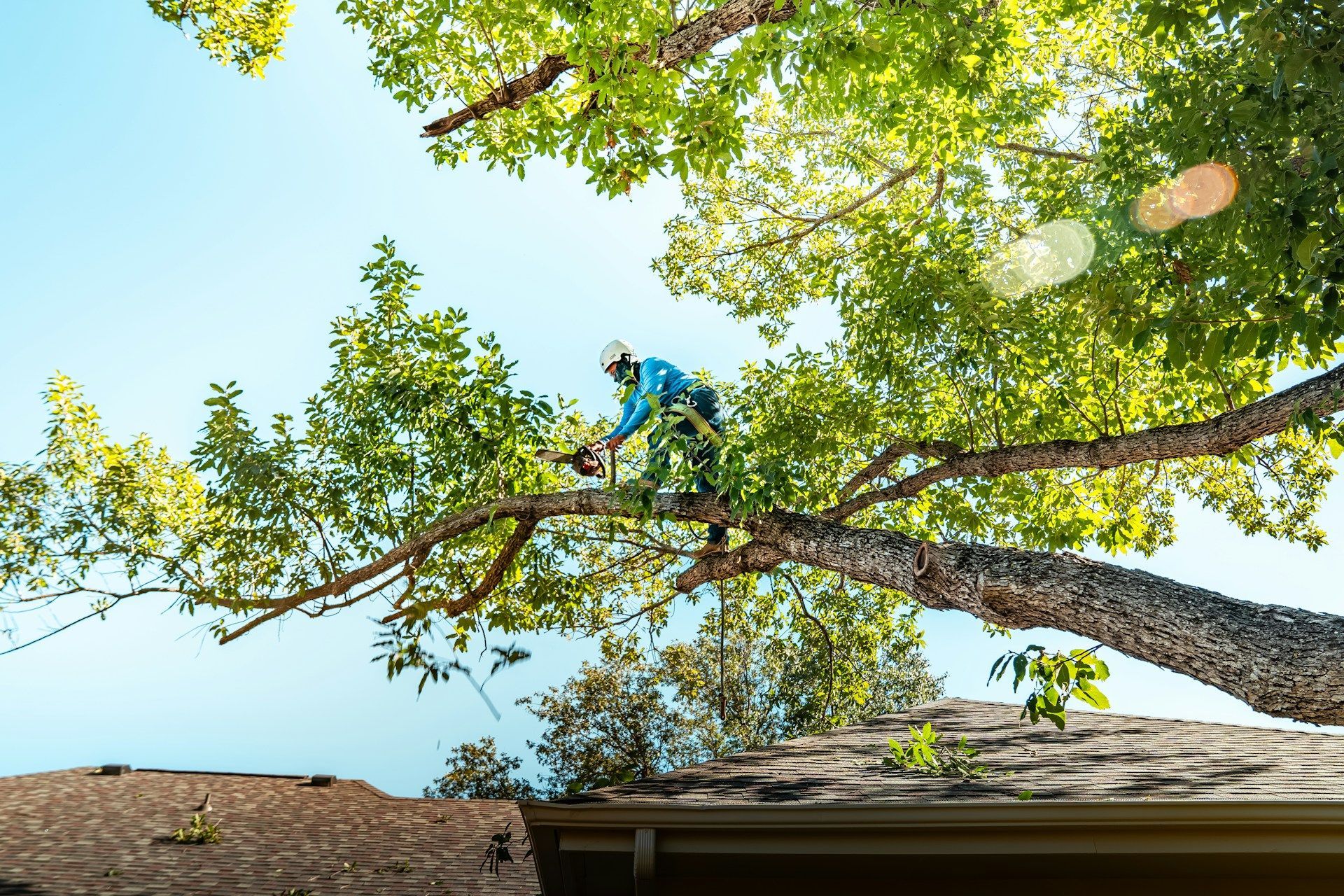
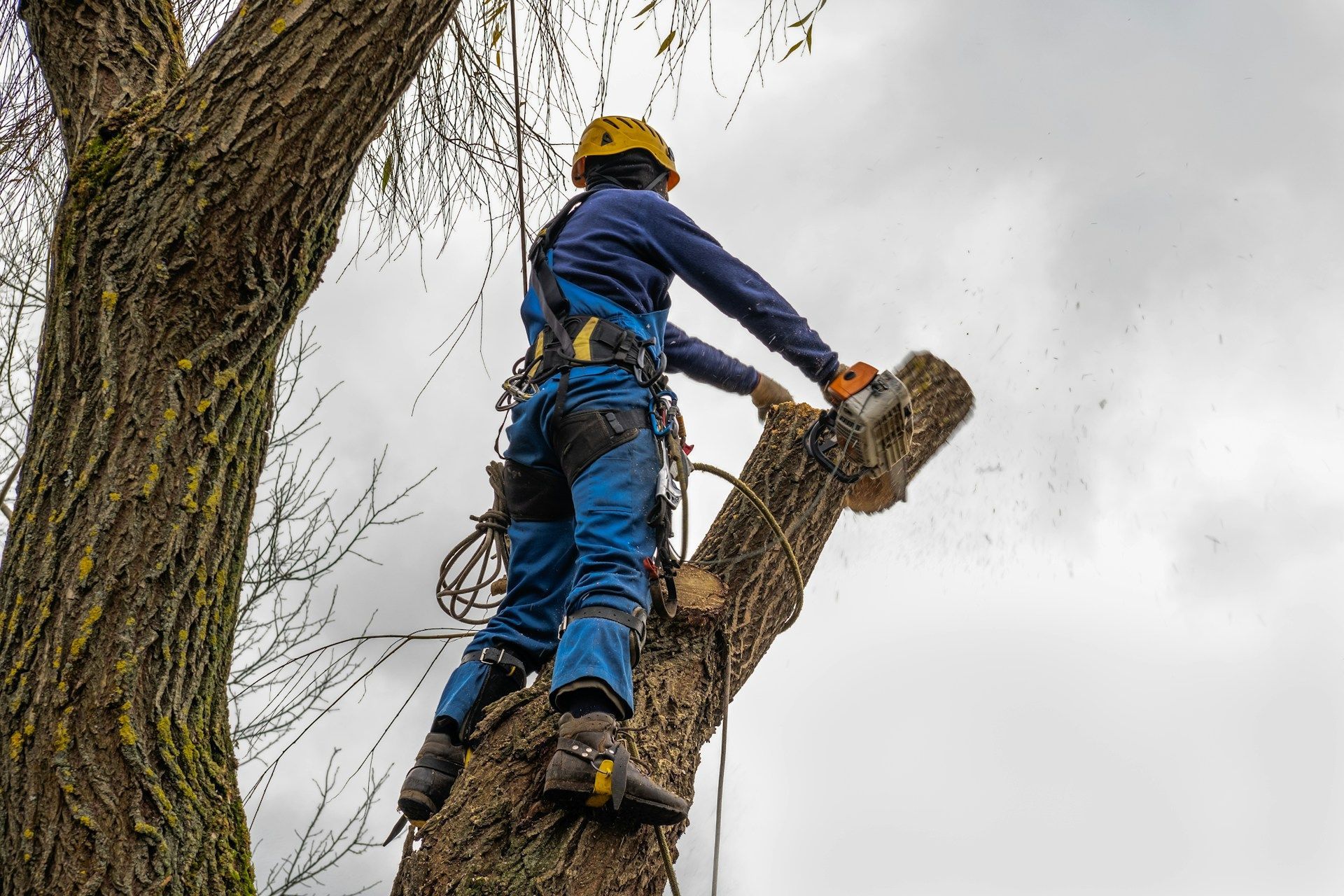
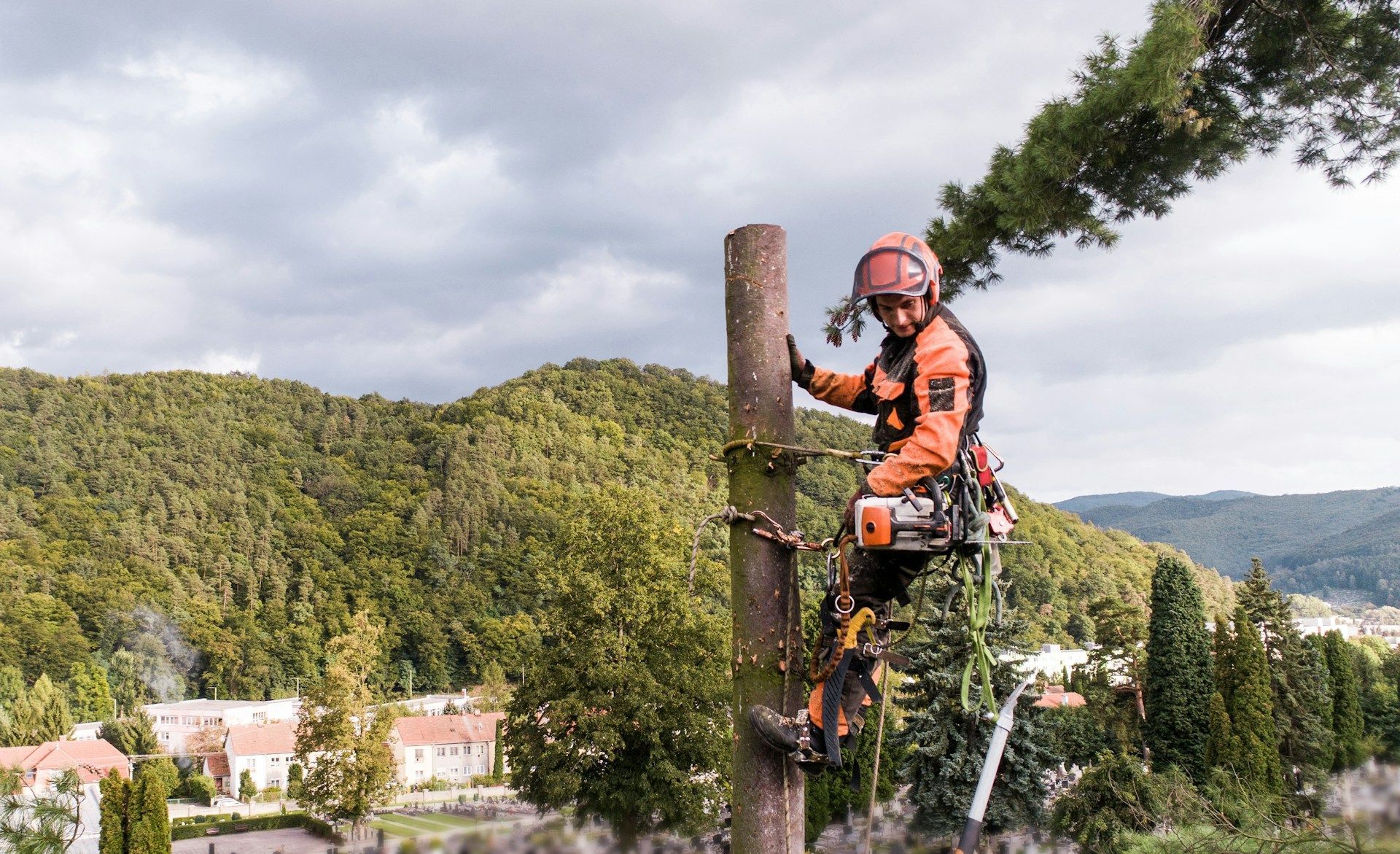
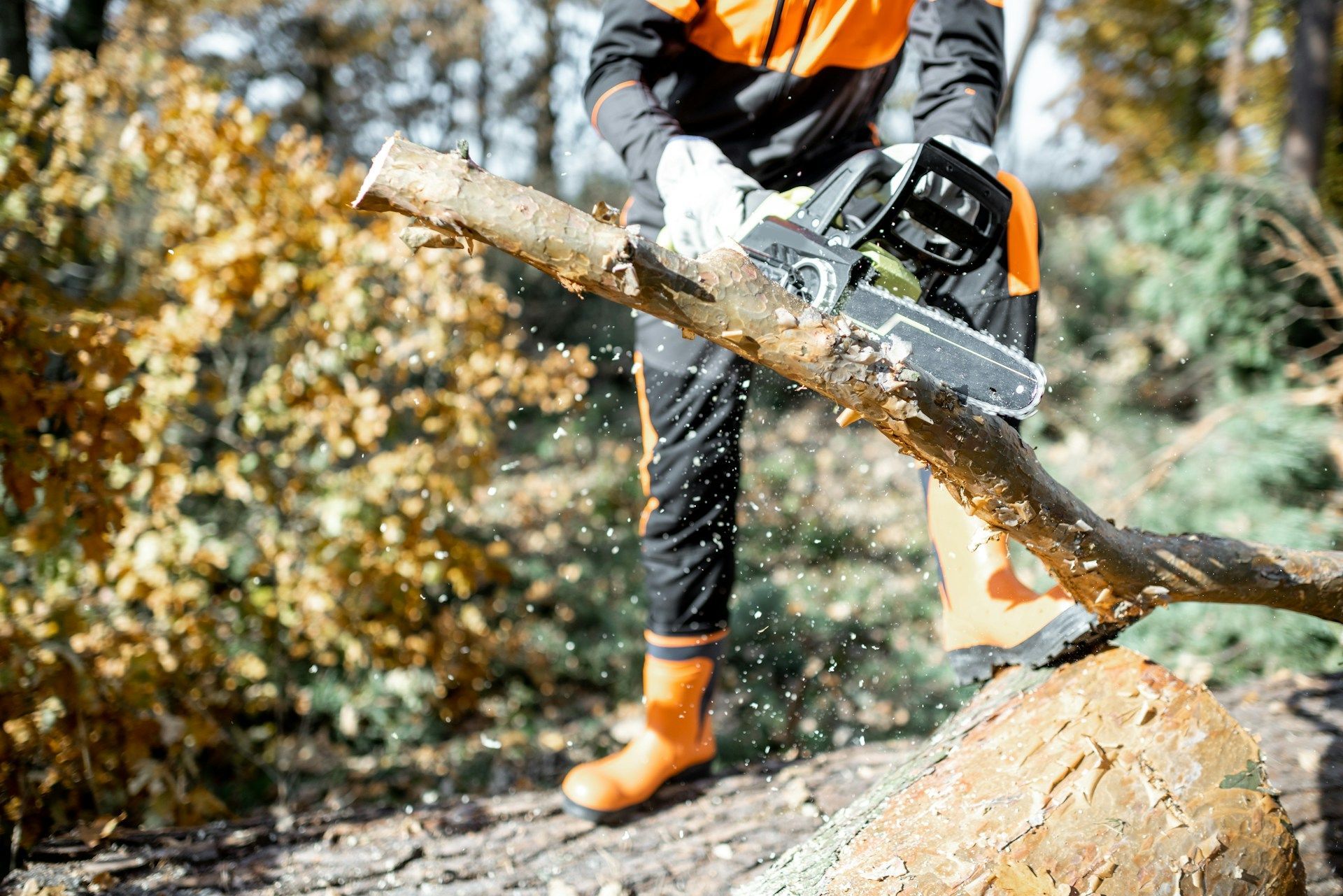
A trained arborist looks beyond what you can see at a glance. They pay attention to soil conditions, root health, trunk structure, and early signs of disease. DIY pruning or removal can lead to personal injury, damage to your home, or long-term harm to the tree. Professional crews use the right equipment and methods to work safely and protect nearby structures and plants.
Seasonal Tree Care Tips for San Antonio Homeowners
In a warm climate like ours, trees stay active for much of the year. That means there is always something you can check, and there are better times for certain kinds of work.
Late summer and early fall are great times to:
- Check for heat and drought stress, especially leaf scorch and thinning canopies
- Note any branches that rub on each other or hang low over walkways or roofs
- Plan needed structural pruning and deadwood removal so it can be done in the cooler months
- Have large or overextended branches inspected before the next stormy period
During fall and winter, growth slows down, which is helpful for certain tree services. Cooler conditions put less strain on trees when they are pruned or when decay issues are addressed. This is a good season to:
- Plant new trees so they can start forming roots before hotter months
- Correct poor structure with careful pruning to guide future growth
- Deal with trunk decay, cavities, or weak branch unions
- Install cabling or bracing if an arborist recommends extra support
- Clean up leaves and debris around trunks to lower some pest and disease pressure
In spring and early summer, trees wake up and show how they handled the previous stresses. Pay attention to how they leaf out. If a tree only buds on one side, has many bare branches, or shows very weak growth, deeper issues might be present. This is also the time to adjust watering habits as days get longer and sunnier. Aim for deep, less frequent soakings out at the drip line instead of quick surface watering near the trunk.
Follow-up visits with a tree care professional can help track progress. When problems are caught and treated early, trees have a better chance to recover and stay strong.
Protecting Your Trees and Property with Expert Help
Early recognition of tree stress protects more than just branches. It helps avoid sudden limb drops, roof damage, and risky situations for people using the yard. It also gives your shade trees a better shot at staying healthy and stable for the long term.
A simple walk through your property once in a while, using the signs in this guide, can reveal a lot. When anything looks off, from leaf changes to leaning trunks, bringing in a San Antonio arborist gives you clear answers and a plan to keep your trees safe, healthy, and looking their best.
Protect Your Trees With Expert Local Care Today
If you are ready to give your trees the professional attention they deserve, our team at Teague’s Tree Service is here to help. Schedule a consultation with a trusted
San Antonio arborist who understands local conditions and how to keep your landscape safe, healthy, and attractive. We will walk your property, answer your questions, and recommend clear next steps that fit your goals and budget. To book an appointment or request an estimate, simply
contact us today.