San Antonio Storm-Season Tree Checklist: Fix Now vs. Can Wait
Get Your Trees Storm Ready Before Winter Hits
Storm season in San Antonio does not really take a break. Strong wind, heavy rain, and fast-moving fronts can roll in any month, and our trees take the hit first. Getting ahead of those storms is one of the smartest things you can do to protect your home, your cars, and your family.
Fall is a great window for a tree risk assessment in San Antonio. The long, hot summer has already stressed many trees, and the toughest wind events often show up as we move toward the holidays and early spring. By checking your trees now, you can fix the problems that could turn into broken limbs, blocked driveways, or emergency calls later.
In this guide, we will walk through what to handle right away, what to plan for soon, and what can wait without putting your property at risk. We will look at pruning, cabling and bracing, and root and soil care, all through a storm-season lens.
Start with a DIY Tree Risk Walk-Through
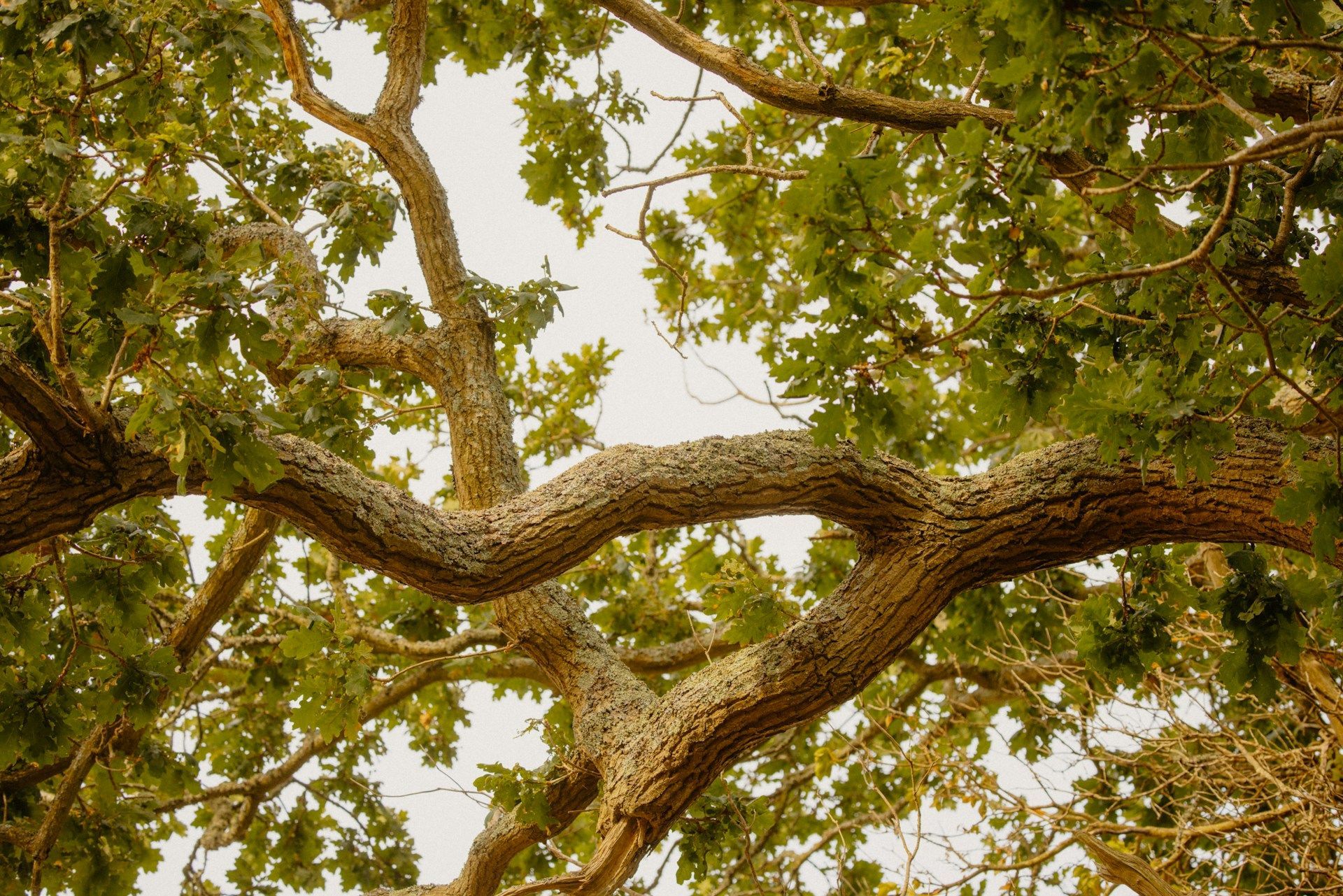
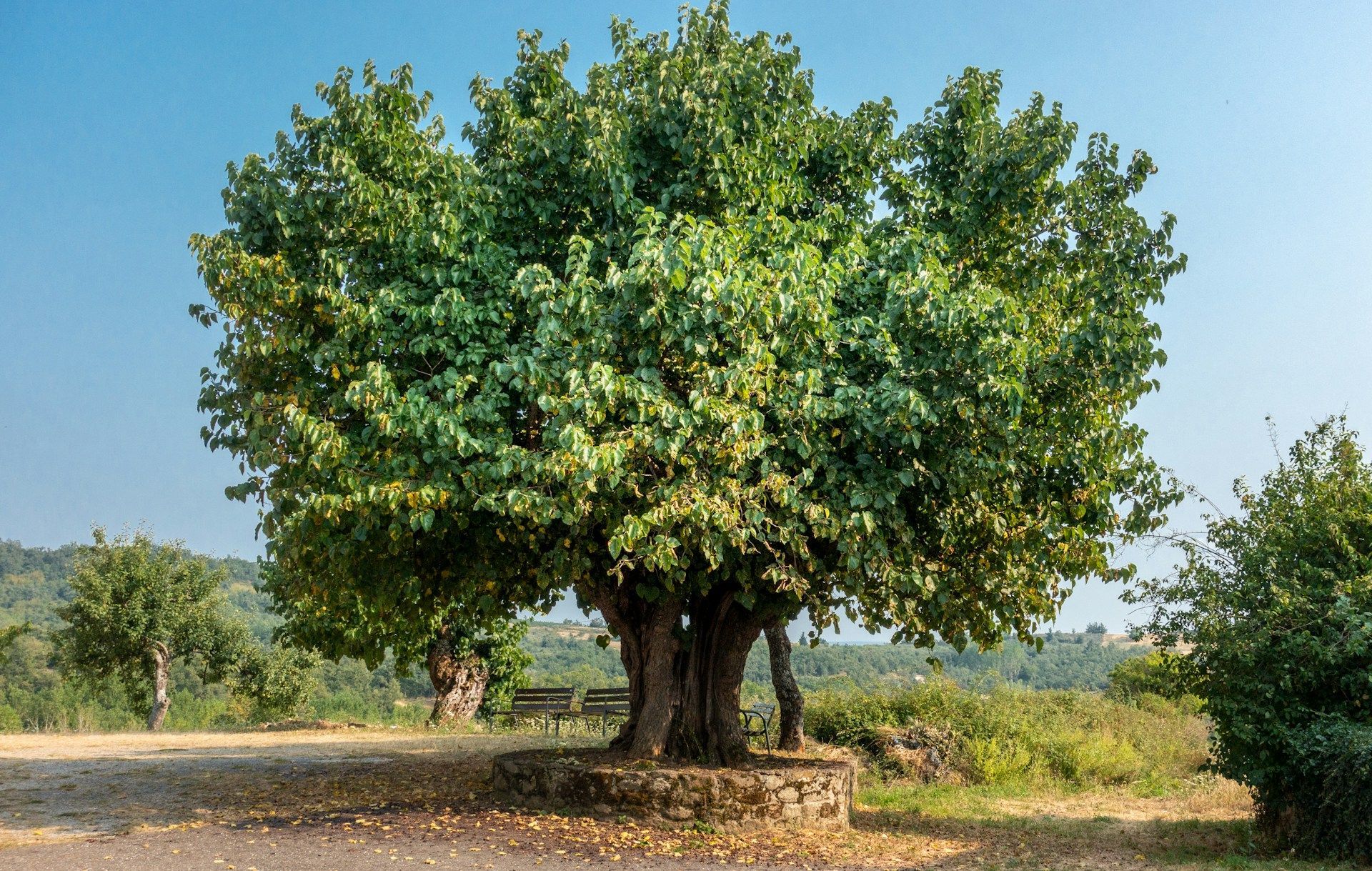
Before you bring in a tree crew, it helps to take a slow walk through your yard. You do not need special tools, just your eyes and a little time. Walk around each tree, look up into the canopy, then look down at the base and the soil.
Here are red flags that should never wait and need quick attention from a professional:
- Hanging or cracked limbs over roofs, driveways, patios, or play areas
- Large branches that move oddly in light wind or sag lower than they used to
- Trees that are leaning more than before, especially if the lean is sudden
- Soil that is heaving, cracked, or lifting on one side of the trunk
- Mushrooms or fungal growth around the base or right on the trunk
Those issues can mean the tree is already failing or starting to fail. In strong wind, they can turn into broken branches or a full tree coming down.
Some things can often be watched over time instead of handled right away:
- Small dead twigs or minor deadwood tucked inside the canopy
- Lightly rubbing branches that are not yet cutting deep into each other
- Small, shallow trunk wounds that already have firm, raised callus tissue
When you walk the yard, jot down what you see and where it is. That quick list makes any tree risk assessment in San Antonio faster and more focused, because the arborist can go straight to your biggest worries first.
Pruning Priorities Before the Next Big Storm
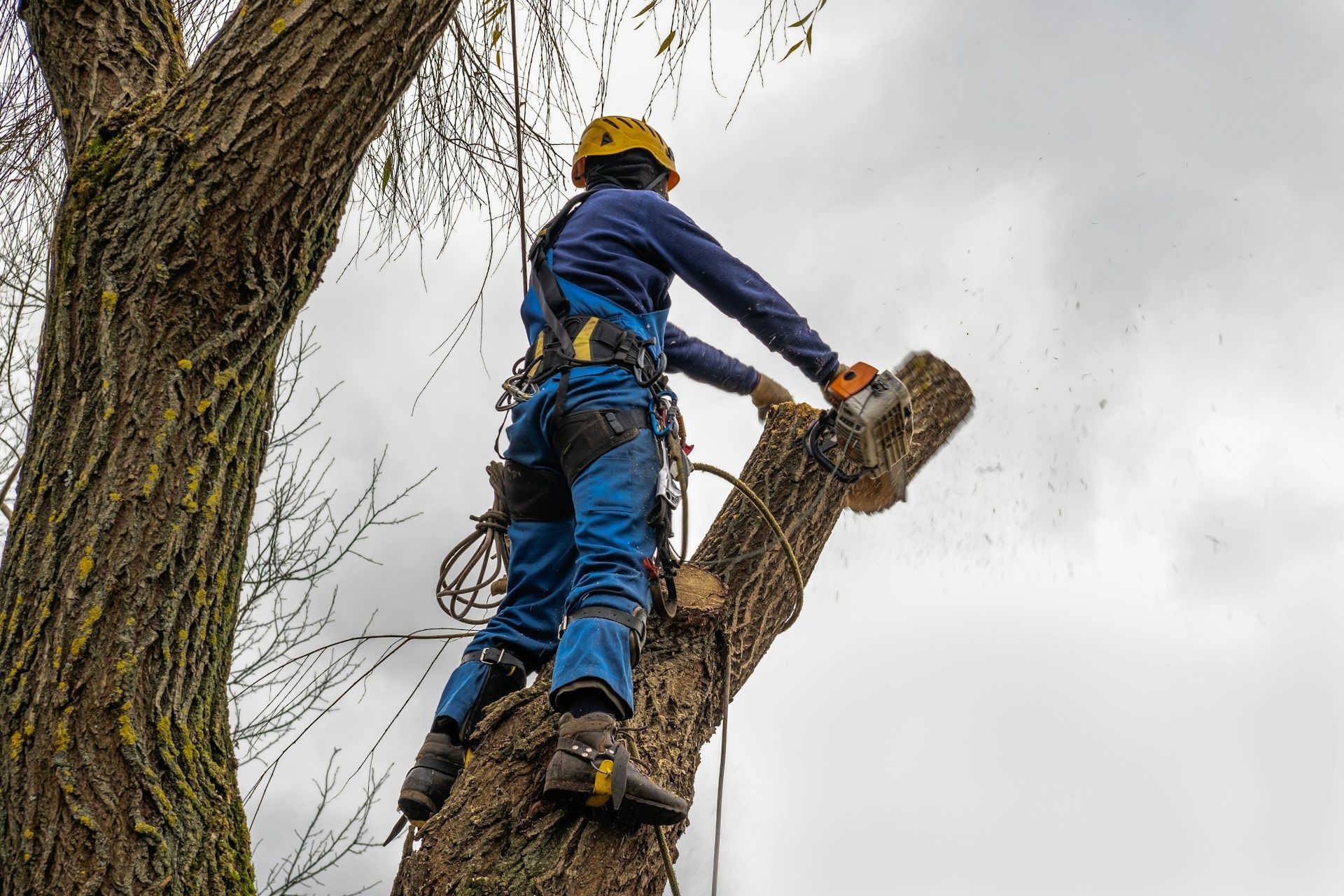
Pruning for safety is different from pruning for looks. Before the next strong front rolls through, safety work should come first. That kind of pruning lowers the chance of big branches breaking and keeps limbs away from things you care about.
High-priority pruning before storm season usually includes:
- Removing dead, broken, and storm-damaged branches
- Cutting back limbs that hang over roofs, driveways, and walkways
- Clearing branches away from sheds, fences, and play sets
- Working with the proper utility contacts to improve clearance near power lines
In San Antonio, late fall is often a good time for structural pruning on many species. The worst summer heat has passed, and some pests and diseases are less active. Thoughtful cuts at this time can help guide the tree’s shape and reduce weak spots that wind loves to attack.
Not every pruning wish needs to be done right away. These jobs can often wait until a later visit:
- Thinning branches just to let more sunlight reach lawns or gardens
- Aesthetic shaping to get a more formal or “perfect” look
- Non-urgent crown cleaning where there is no serious safety or health risk
If you are not sure which bucket a certain branch belongs in, that is a good topic to bring up during a tree risk assessment in San Antonio.
When Cabling, Bracing, or Removal Cannot Be Delayed
Some tree problems cannot be fixed with pruning alone. If a tree has serious structural issues, it may need cabling, bracing, or in some cases, full removal before the next round of storms.
Situations that rarely can wait include:
- Large limbs with a split crotch where you can see daylight or a deep crack
- Co-dominant stems, two trunks the same size, with visible separation
- Trees over homes, parking areas, or high-use spaces that have begun to lean
- Root uplift on one side of the tree, paired with fresh soil cracking or gaps
In these cases, a professional tree risk assessment in San Antonio looks at:
- The species and how it usually handles wind
- The size and type of the defect
- What the tree could hit if it fails
- Whether you want to keep that tree long term
Sometimes cabling and bracing can safely be planned for a later date, such as:
- Preventive cabling for young or medium trees with only minor structure issues
- Support work for trees that are not close to houses, vehicles, or public walkways
The key is to separate high-risk targets from lower-risk ones and to address anything that could cause big damage if it fails.
Root Zones, Soil Care, and What You Can Tackle Over Time
What happens under the soil line is just as important as what happens in the branches. Strong roots keep trees upright during heavy wind. When the root zone is harmed, even a healthy-looking canopy can fail.
Root-related concerns that should be handled soon include:
- Soil washout after heavy rain that exposes thick, main roots
- Erosion that leaves one side of the root system bare or hanging
- Hard, compacted soil where feet or tires pass right next to the trunk
Quick, simple root care jobs you can plan for fall include:
- Adding a wide layer of mulch around the tree, keeping it off the trunk
- Redirecting downspouts so water does not dump right at the base
- Fixing low spots that stay soggy after every rain with better drainage
- Avoiding new paving, patios, or heavy structures over known root areas
Other health projects can roll out slowly over time:
- Mixing in compost at the edges of the root zone to build better soil
- Long-term aeration and decompaction plans in high-traffic areas
- New tree planting during cooler months so roots can establish before summer
When root care is done right, trees are better anchored and more flexible when sudden wind hits.
Call in the Pros Before the Weather Turns Rough
Once you have walked your yard, looked up into the branches, and checked the base of each tree, you have already taken a big step toward safety. The next smart move is to have a professional look at the issues you found and confirm what needs to be done now and what can safely wait.
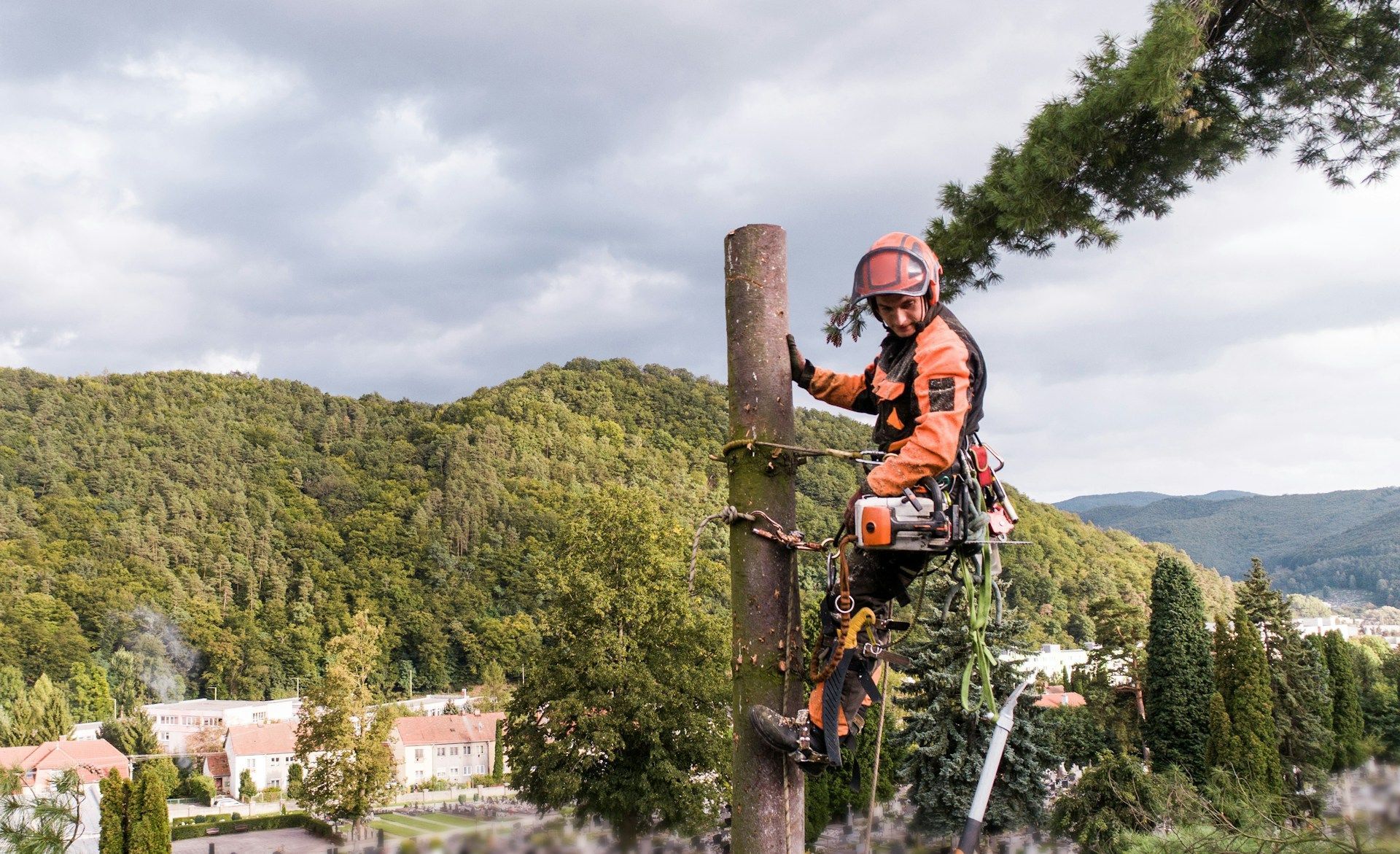
Teague’s Tree Service is a family-owned, fully insured tree care company serving the San Antonio area. We offer trimming, removal, stump grinding, planting, and emergency tree services, and we focus on practical, storm-smart recommendations. A tree risk assessment in San Antonio from our team can sort your list into clear action items, from high-priority pruning and possible cabling, to longer-term soil and root care, to trees that are simply ready for routine maintenance later.
Protect Your Trees And Property With A Professional Assessment
If you are concerned about the safety of your trees, we can help you identify hidden hazards before they become costly emergencies. Our certified team at Teague’s Tree Service provides thorough
tree risk assessment in San Antonio tailored to your property’s specific conditions. Reach out today through our
contact page to schedule an evaluation and get clear recommendations for keeping your trees healthy and your property safe.