Storm Season Choices for San Antonio Tree Removal Safety
Make Safer Storm Decisions About Your Trees
Strong storms and big trees are not always a good mix. In San Antonio, a quiet late-summer afternoon can turn into loud thunder, sideways rain, and fast, gusty wind. What looked like a “tough old oak” in the yard can crack without warning, and in a few seconds that branch can be on a roof, car, or power line.
Storm season pushes property owners into fast choices. Do you trim, brace, or remove? Do you try to handle it yourself, or bring in a crew with the right gear? Is it safe to watch and wait, or does that tree need help now? This article walks through how to make smarter, safer choices about tree removal in San Antonio before and after big storms, so you can lower the chance of damage and injuries.
As a local, family-owned tree company, we work year-round and stay busy when the thunderheads build up. We know the types of trees that grow here, how the soil behaves after heavy rain, and what repeated storms can do to stressed branches. Our goal is to help you spot risks early and understand your options, long before you are dealing with a 911 call in the driveway.
How San Antonio Storms Turn Trees Into Hazards
Late summer and fall in our area often bring a tough mix. The days stay hot, the air feels heavy, and storms can roll in fast in the afternoon or at night. Strong wind, sudden downpours, and the occasional hailstorm hit trees that have already been through months of heat and dry spells.
Heavy rain can soak the ground in a short time. When the soil gets saturated, roots lose some of their grip. Add strong gusts, and even a tree that seemed fine last week can start to lean or uproot. Shallow-rooted trees or trees planted close to driveways, patios, or house slabs are at higher risk of shifting when the soil softens.
There are also slow, hidden problems that storms like to expose. Past drought, insect damage, and poor pruning can leave:
- Internal rot inside the trunk that you cannot see
- Weak branch unions where big limbs meet the main stem
- Thick, unbalanced canopies that catch more wind than they should
- Old topping cuts that never healed well
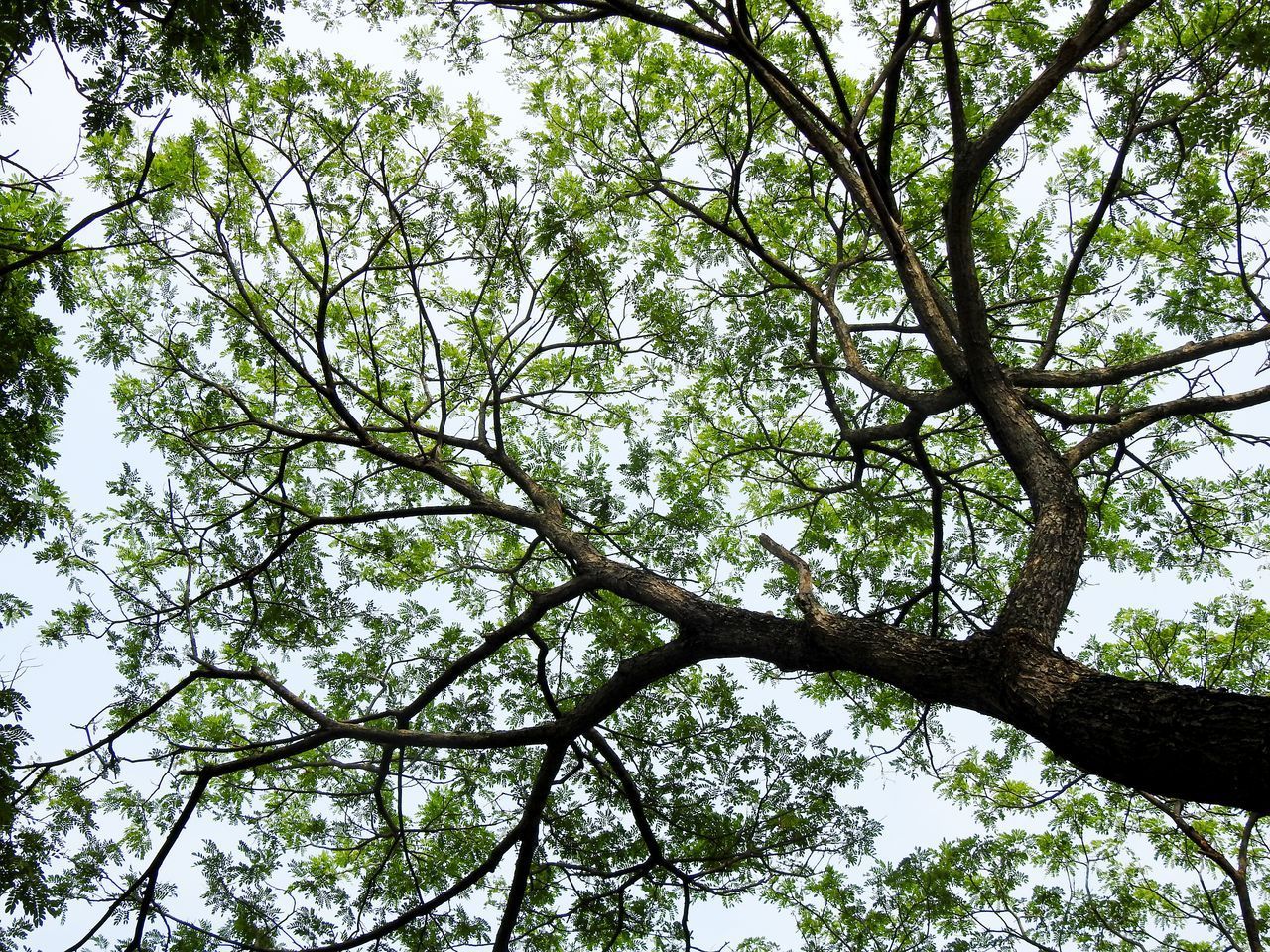
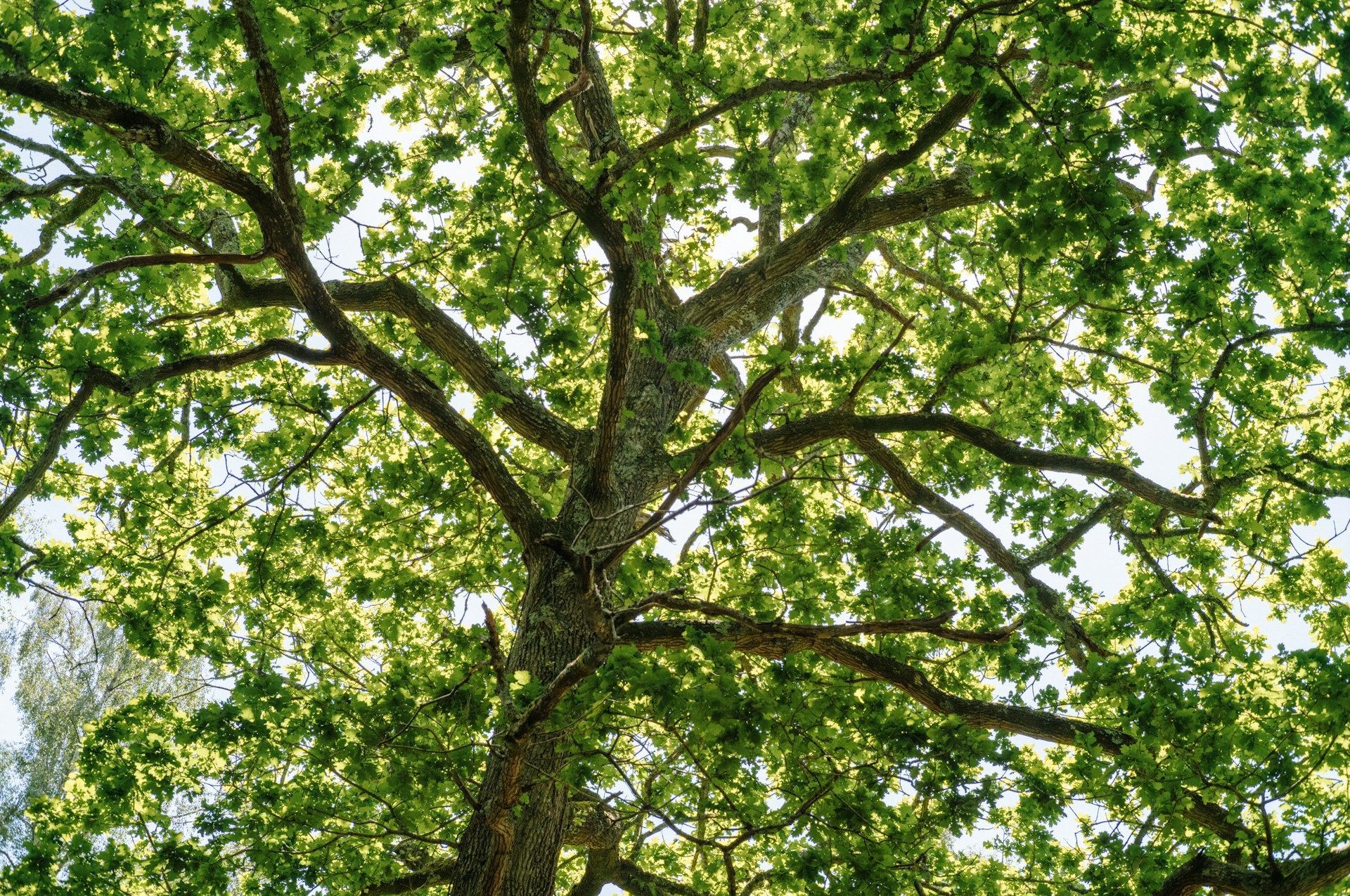
From the ground, the tree might still look “mostly okay.” But up high, there can be cracks, decay pockets, or heavy branches hanging on by a thin strip of wood. A professional tree assessment before or early in storm season helps find those hidden issues before the next gust does it for you.
Clear Warning Signs a Tree May Fail This Storm Season
Some danger signs are obvious once you know where to look. When you walk your yard, pay attention to:
- A new lean, or a lean that seems to be getting worse
- Soil that is cracked, heaving, or raised on one side of the base
- Mushrooms, conks, or soft, crumbly spots on the trunk or roots
- Large dead branches high in the canopy
- Bark falling off in patches, leaving bare, soft wood
After a storm, you may notice fresh changes. Walk carefully and look for:
- New cracks where branches meet the trunk
- Split limbs or branches that twisted and did not snap off fully
- Hanging “widowmaker” branches snagged above your head
- Limbs touching, bending, or tangled in power lines
Many people want to know when a tree can be saved and when removal is safer. In general:
- Light damage, like a few smaller broken limbs, may be handled with pruning
- Some trees with minor structural issues can get extra support with cabling or bracing
- Trees with major trunk decay, big cracks, or serious root problems are often better removed
If you see more than one warning sign, or the tree is close to a home, driveway, sidewalk, or play area, take clear photos from a safe distance and get a professional opinion. A trained eye can tell the difference between “ugly but safe for now” and “this could fail the next time the wind picks up.”
Smart Choices: Trim, Brace, or Remove Before a Storm
The best storm work is done before the radar turns red. Preventative pruning can make a huge difference in how a tree handles high wind and heavy rain. For many healthy trees, good storm prep includes:
- Thinning dense canopies so wind can move through more easily
- Removing dead, dying, or rubbing limbs that are likely to break
- Reducing weight on long branches that hang over roofs, driveways, or parking areas
- Cleaning out weak, crossing branches that could snap under stress
Some valuable trees have minor defects that can be helped with structural support. Properly designed cabling and bracing can share the load between limbs and reduce the chance of a big split. This is not a DIY job. The placement and hardware matter a lot, and poor work can make things worse.
There are times when removal is the most responsible choice. That can include trees with:
- Severely decayed trunks or large hollow sections
- Roots cut or compacted by past construction or driveway work
- A strong lean toward a structure, road, or high-traffic area
- Repeated storm damage year after year on the same main limbs
Planning tree removal in San Antonio ahead of peak storm activity gives more flexibility on timing, and helps you avoid the stress of emergency work when everyone in town is calling for help at once.
Why Emergency Tree Removal Is Not a DIY Project
After a big storm passes, it can be tempting to grab a saw and “clean up a bit.” This is where many serious injuries happen. Broken limbs and tilted trunks often hold a lot of hidden tension. One wrong cut can send a branch whipping or a trunk rolling in a direction you did not expect.
Common post-storm dangers around trees include:
- Partially uprooted trees that can suddenly fall the rest of the way
- Limbs pinned under other branches that spring loose when cut
- Unstable, muddy ground that shifts under ladders and equipment
- Branches resting on damaged roofs, sheds, or fences
In San Antonio yards and commercial lots, you also have to think about utilities and tight spaces. Downed or low-hanging power lines are very serious, even if they look harmless. Working near them with a metal ladder or a saw is not safe for an untrained person.
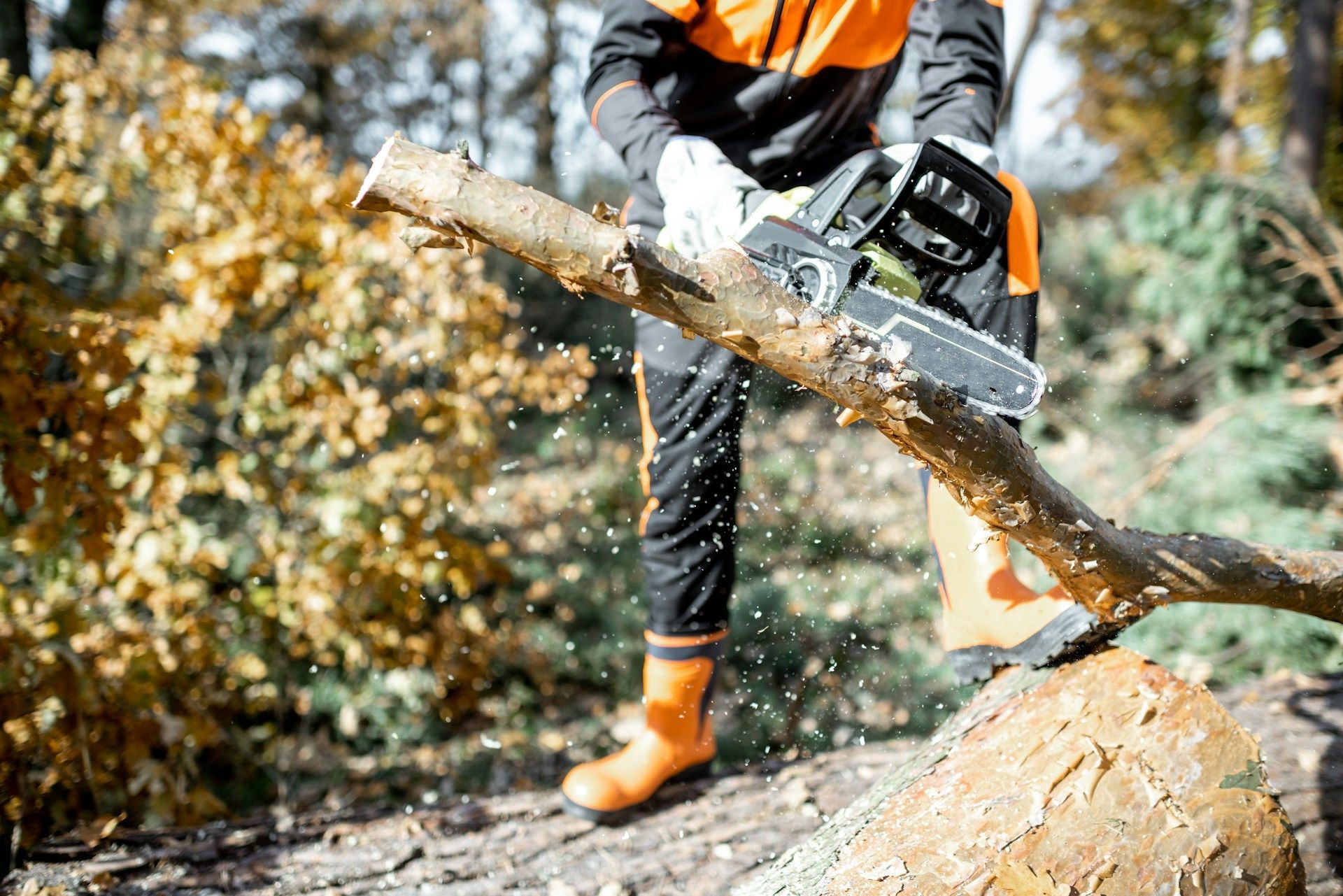
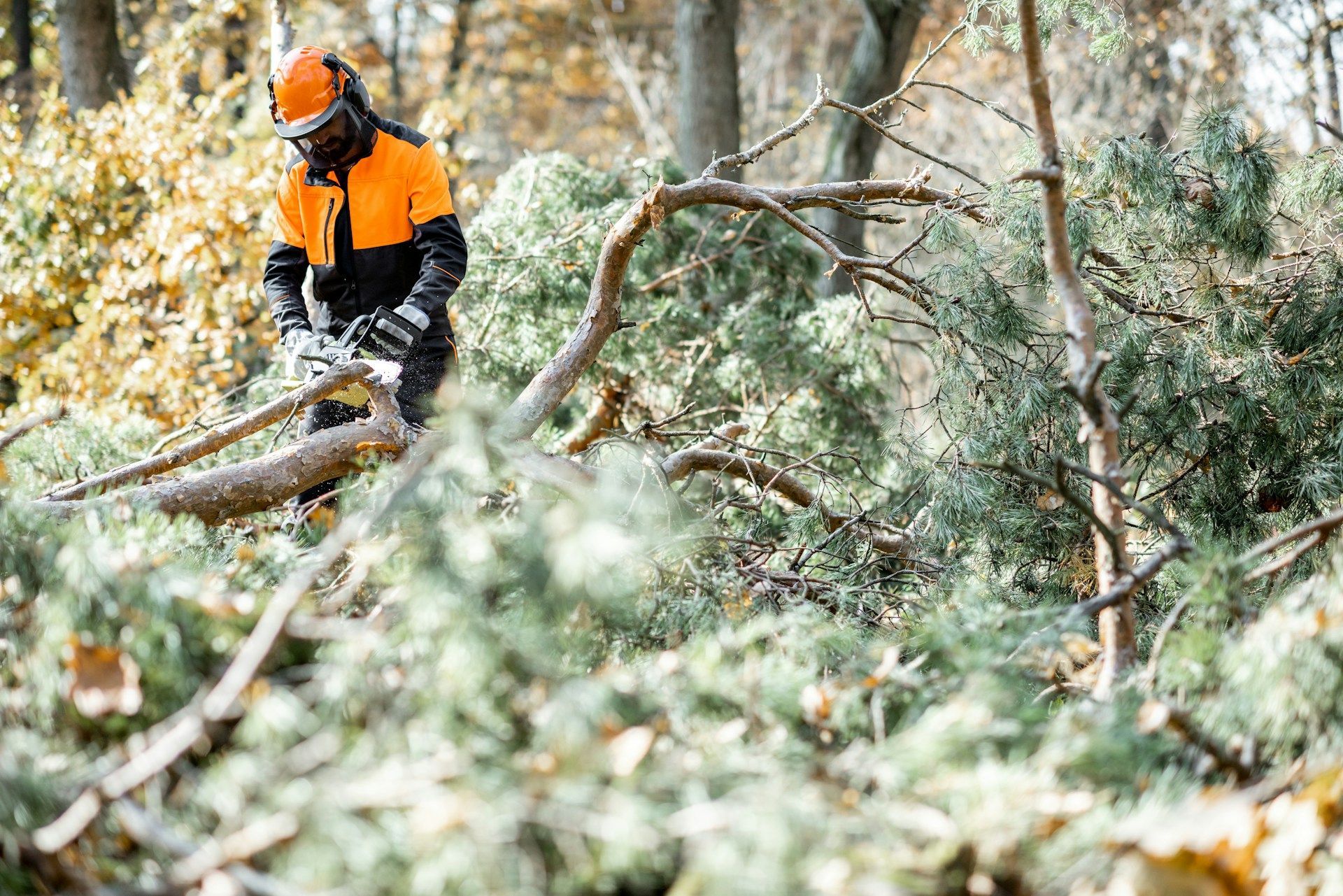
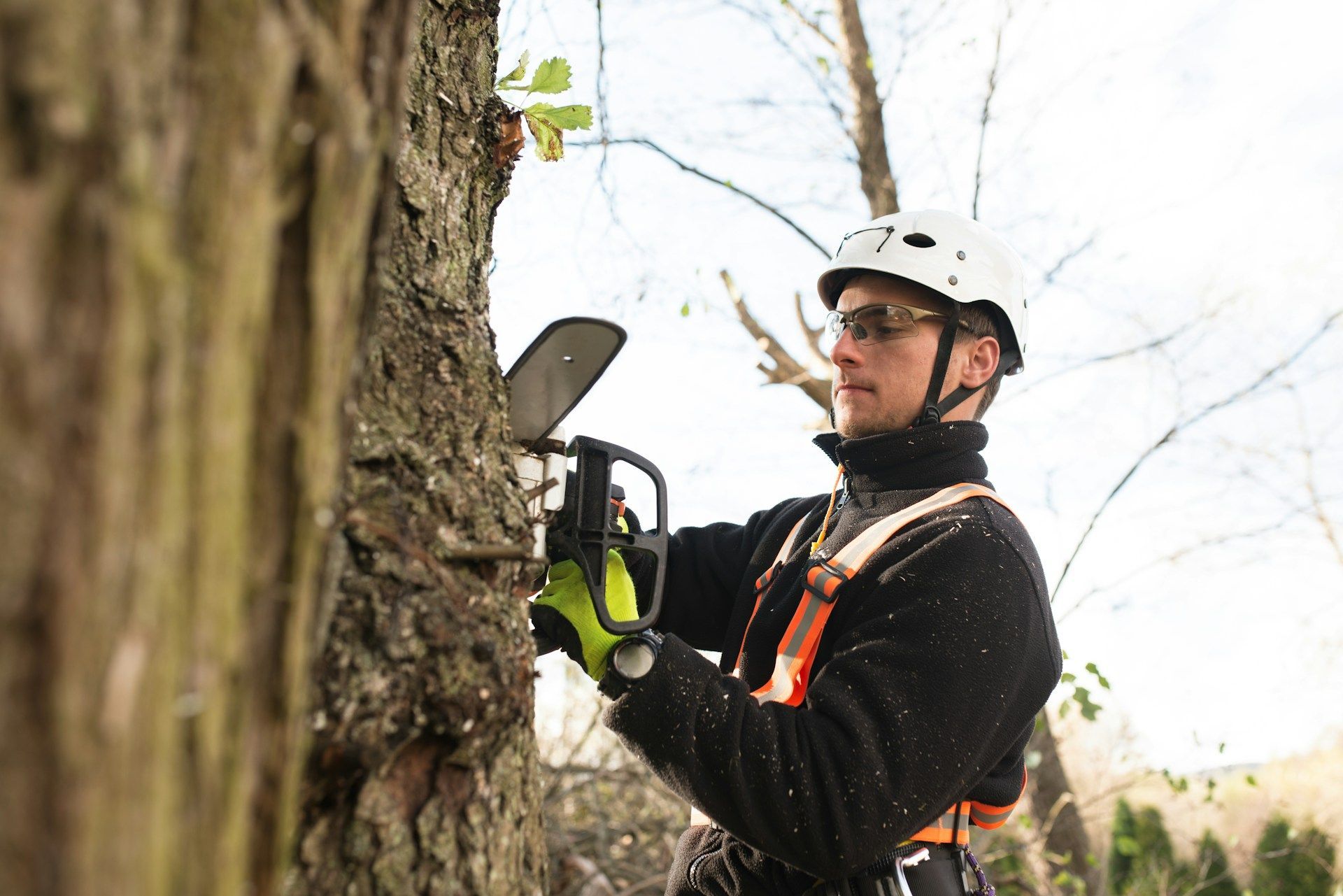
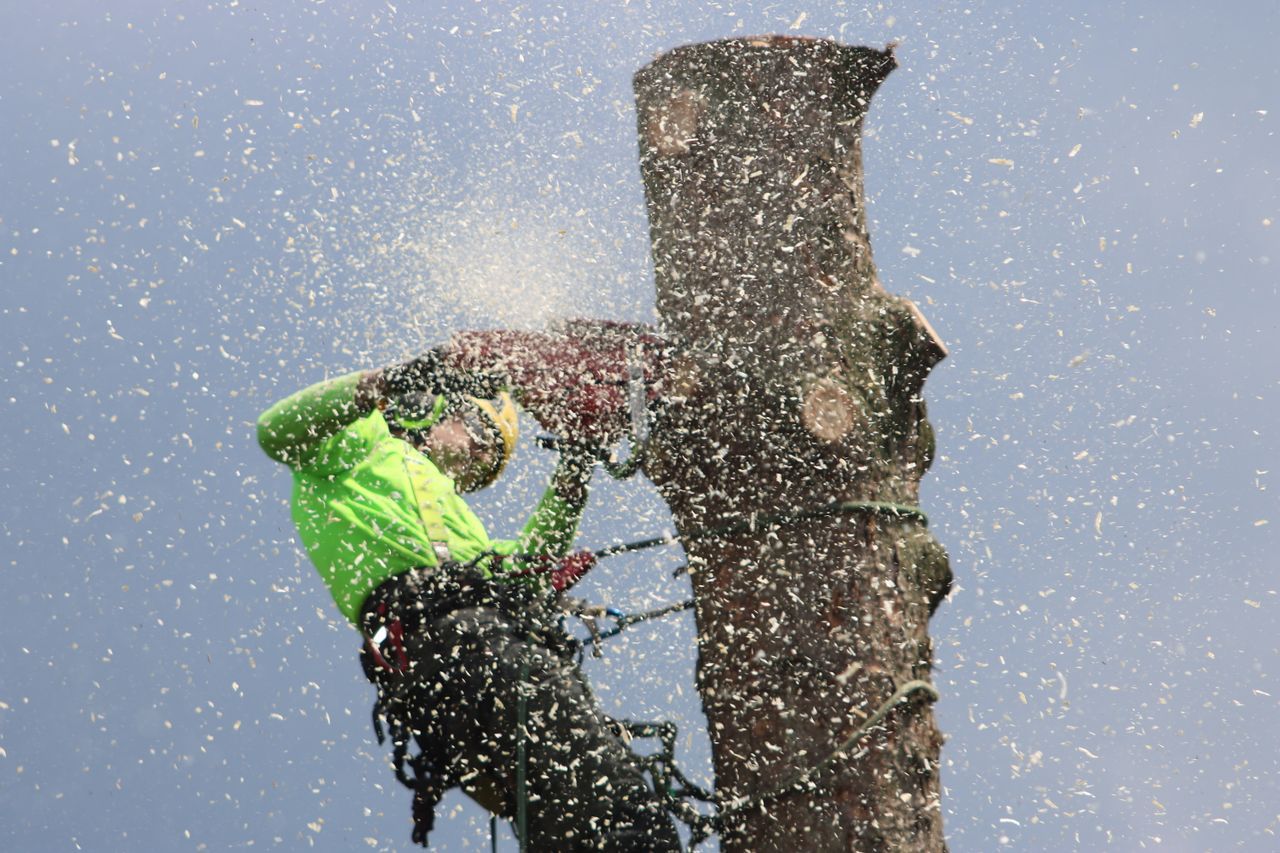
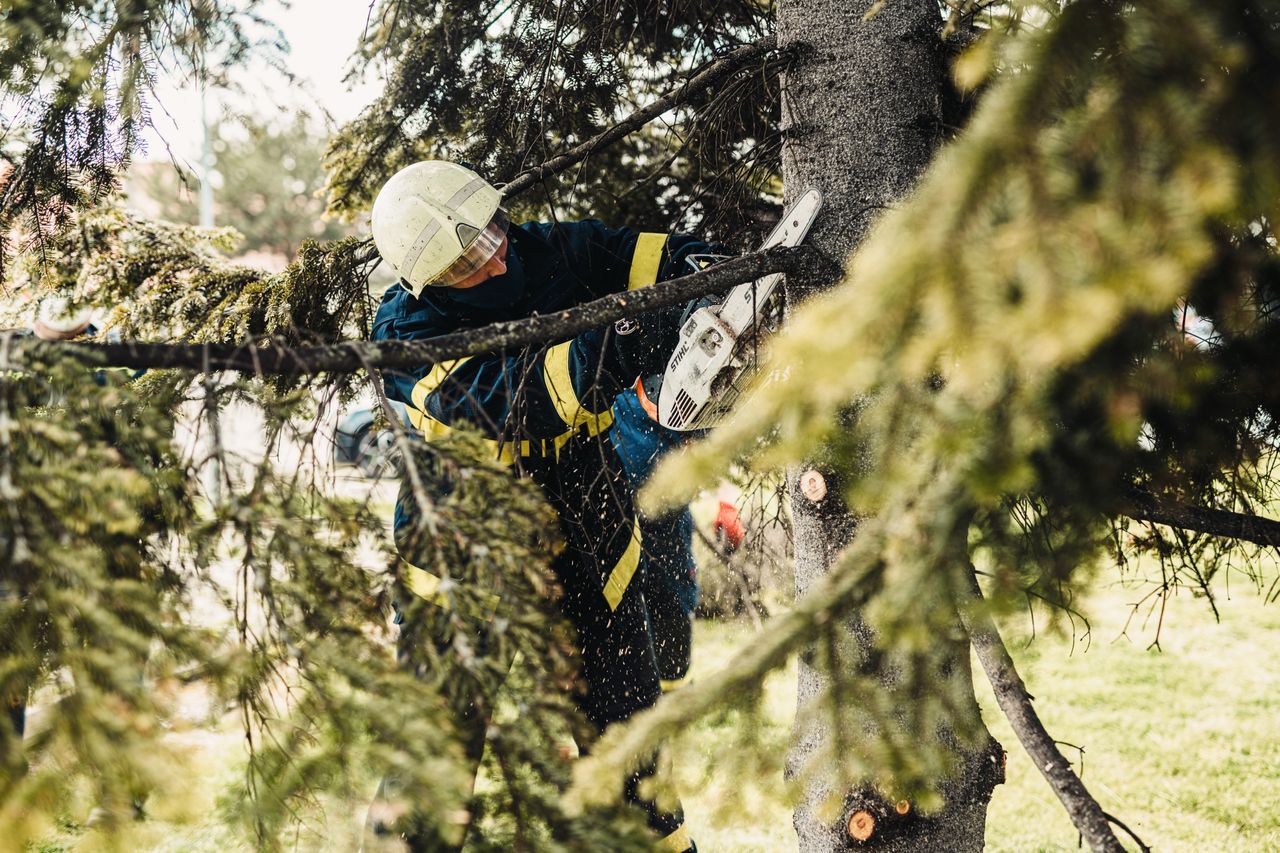
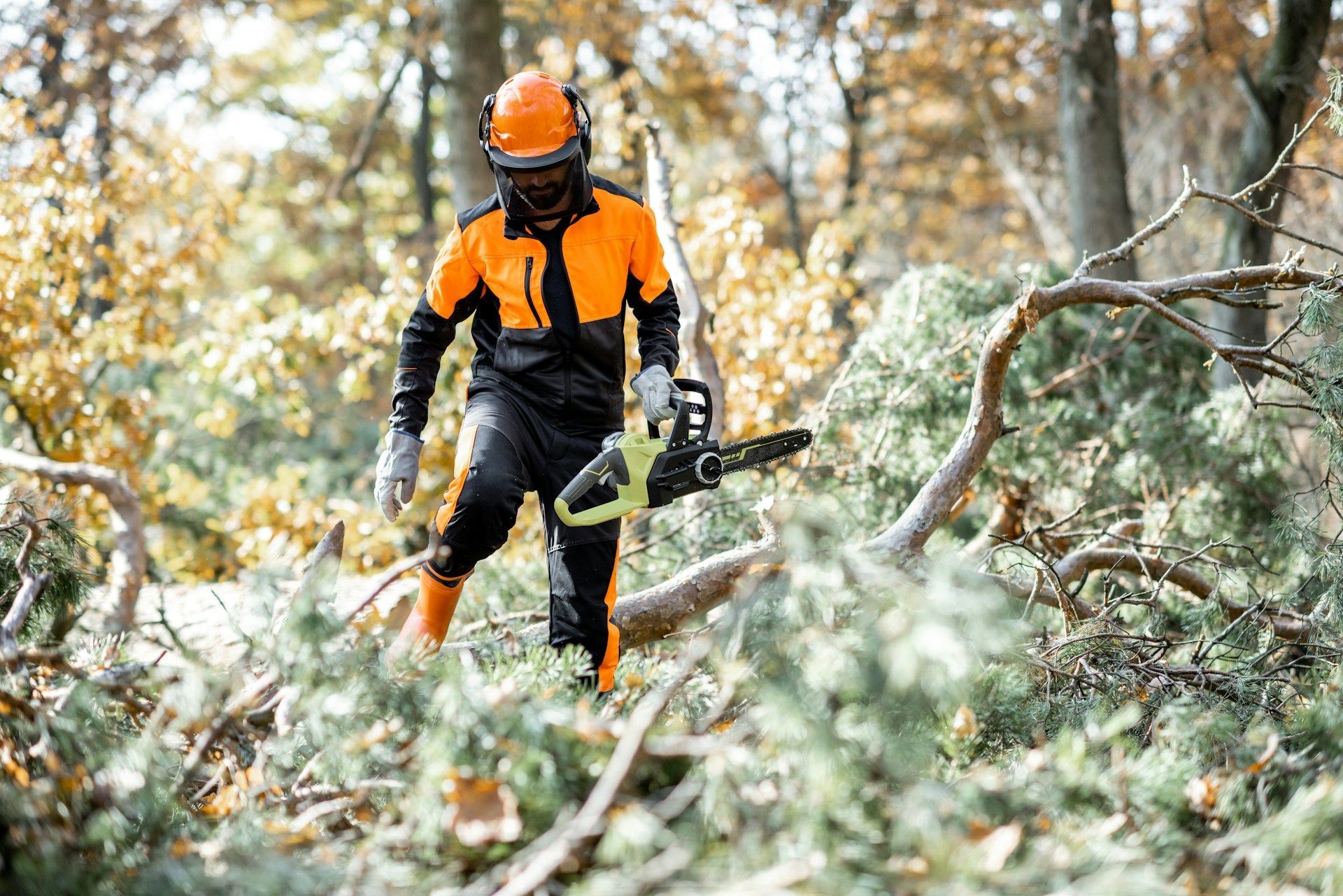
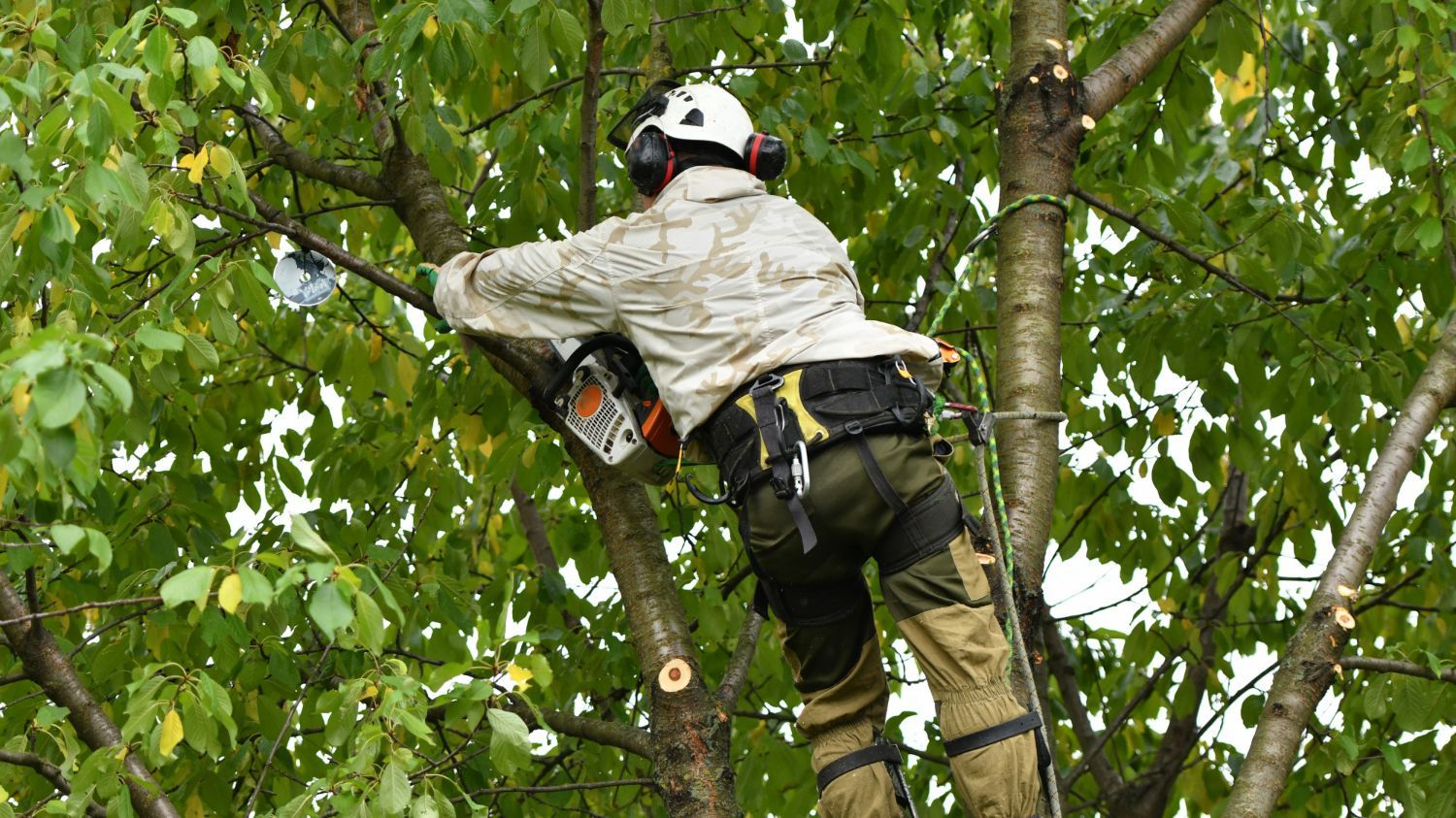
A professional crew handles emergency tree removal with a clear plan. That usually starts with a site assessment, then setting up safety zones, protecting nearby structures, and using proper rigging to lower pieces in a controlled way. Crews are trained to work in low light, around traffic, and in cluttered spaces without adding new damage. A licensed, insured company also helps protect property owners if something unexpected happens and can help document the scene for insurance when trees hit structures or vehicles.
Prepare Your Property Now for a Safer Storm Season
A little planning before the next round of storms can make your home or business much safer. A simple pre-storm checklist might include:
- Arrange a professional tree assessment to spot weak points
- Remove clearly dead, unstable, or badly damaged trees
- Prune heavy limbs that hang over roofs, parking areas, and walkways
- Clear loose debris, small dead limbs, and yard clutter that can fly around
It also helps to build a “storm team” contact list on your phone. Include a trusted tree service that offers 24/7 emergency help, your preferred roofer, and your insurance information. When outages, blocked roads, and flooded areas slow everything down, having those numbers ready saves time and stress.
Many property owners like to plan tree work around late summer and fall. The daylight is still good, forecasts are a bit more predictable, and it is easier to set up non-emergency trimming, pruning, and stump work before weather gets busy again. Teague’s Tree Service is based right here in the San Antonio area, and our family-owned team works year-round to help local homes and businesses stay safer in storm season with careful tree removal in San Antonio, trimming, and stump services tailored to our local weather and trees.
Get Started With Your Project Today
If you are ready to make your property safer and more attractive, our team at Teague’s Tree Service is here to help with professional
tree removal in San Antonio. We will assess your trees, explain your options, and complete the work safely and efficiently. Reach out today through our
contact page to schedule your on-site evaluation and get a clear, upfront quote.