Unexpected Tree Pruning Problems San Antonio Homeowners Overlook
Avoid Costly Mistakes with Smarter Tree Pruning
Tree pruning in San Antonio sounds simple. You grab some tools, cut a few branches, and you are done. But small pruning mistakes can create big problems later, like weak trees, surprise limb breaks, and even early tree removal.
Fall is an important time to pay attention. Our trees just went through months of sun, heat, and drought stress. Holiday lights and decorations are coming soon, and we want trees to look good and stay safe through fall storms and spring winds. When pruning is done the wrong way, it can quietly damage trees instead of helping them.
We work with trees every day in the San Antonio area, so we see the same hidden problems again and again. In this article, we will walk through the issues many homeowners miss when they try to handle pruning on their own, and how thoughtful, expert care keeps trees strong for the long run.
Hidden Damage From Cutting at the Wrong Time
Trees do not like random haircut days. Timing matters, especially after a long South Texas summer. By fall, many trees are already stressed from:
- Intense sun on exposed bark
- Long periods of dry soil
- Heat damage to leaves and small branches
If heavy pruning is added on top of that stress, the tree has to spend energy fixing wounds instead of building strength. That can slow recovery and make the tree more likely to struggle in the coming months.
Some of our most common local trees are also picky about timing. Live oaks, for example, need special care. Cutting at the wrong time can raise the risk of certain diseases and pests. Pruning in the right window with clean tools and proper cuts, helps protect both that tree and other trees nearby.
Bad timing can also affect how your yard looks and feels later. Poorly timed tree pruning in San Antonio can:
- Reduce flowers on blooming trees next season
- Thin out shade just when you want it most
- Leave branches weaker during strong winds and storms
So a quick trim at the wrong moment can decide how much shade you have on your patio, how safe your yard is in a storm, and how healthy that tree will be next year.
Over-Thinning Crowns and Creating Future Hazards
One of the biggest DIY pruning problems is over-thinning the crown. That means removing too many inner branches and leaves. When people do this heavily, the tree can end up with what pros call “lion-tailing,” where most of the foliage is at the very ends of long, bare limbs.
It may look tidy at first, because you can see more sky through the tree. But inside, the structure is now off balance. Over-thinned trees:
- Bend and twist more in strong winds
- Grow top-heavy, with weak new shoots at the tips
- Develop long, bare branches that are more likely to crack
Here in San Antonio, fall fronts and spring storms can bring hard gusts. A lion-tailed tree has very little inner growth to break up those winds. So instead of moving gently, the whole limb whips back and forth, which can lead to splits and failures.
Careful crown thinning is different. A trained crew removes the right branches in the right places to:
- Keep the tree’s natural shape
- Share the weight evenly through the canopy
- Open enough space for light and air without stripping the interior
This kind of thoughtful pruning helps the tree stay stable, reduces stress on heavy limbs, and guides safer growth for years, not just for one season of curb appeal.
Overlooking Disease, Decay, and Pest Red Flags
Homeowners often look at trees from a distance. If the top looks green and the shape seems fine, the tree feels “healthy enough.” But many problems start quietly inside the branches or trunk before they show in the canopy.
During pruning, it is easy to miss signs like:
- Soft, crumbly wood inside a cut
- Dark streaks under the bark
- Fungal growth at the base or on limbs
- Tiny exit holes, sawdust, or sticky spots from insects
If diseased wood is cut the wrong way, or if tools are not cleaned between cuts, the problem can spread from branch to branch. In tight San Antonio neighborhoods, that can also mean trouble for trees on nearby lots.
Professional tree pruning in San Antonio is not just about shape. It should include a careful health check, such as:
- Looking at bark texture and color
- Checking how branches attach to the trunk
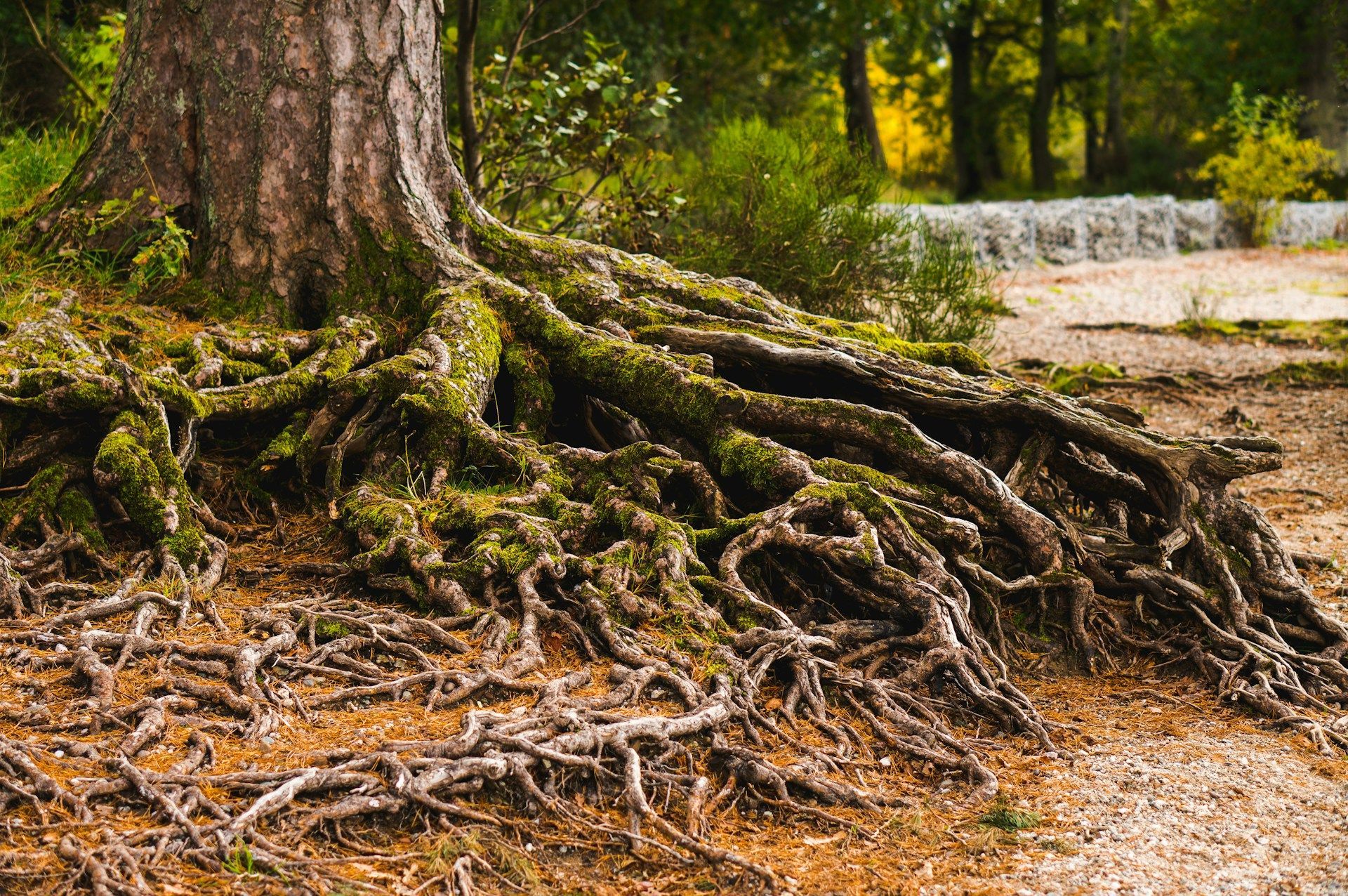
- Examining the root flare where the trunk meets the soil
- Studying canopy density and deadwood
Catching small issues early can often turn a future removal into a simple pruning fix, and can prevent a weak, hidden area from failing during a storm.
Unsafe DIY Pruning That Risks Roofs and Power Lines
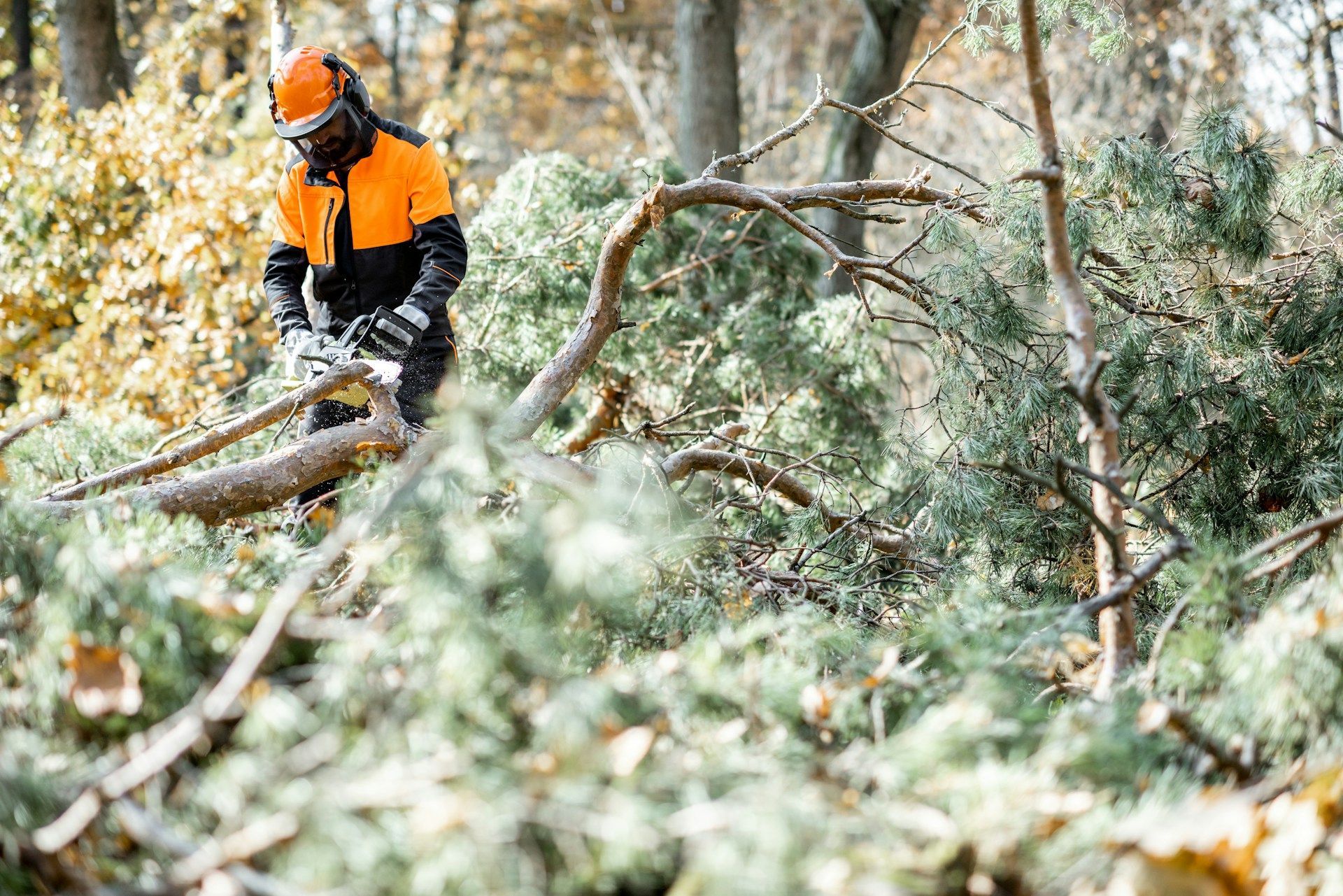
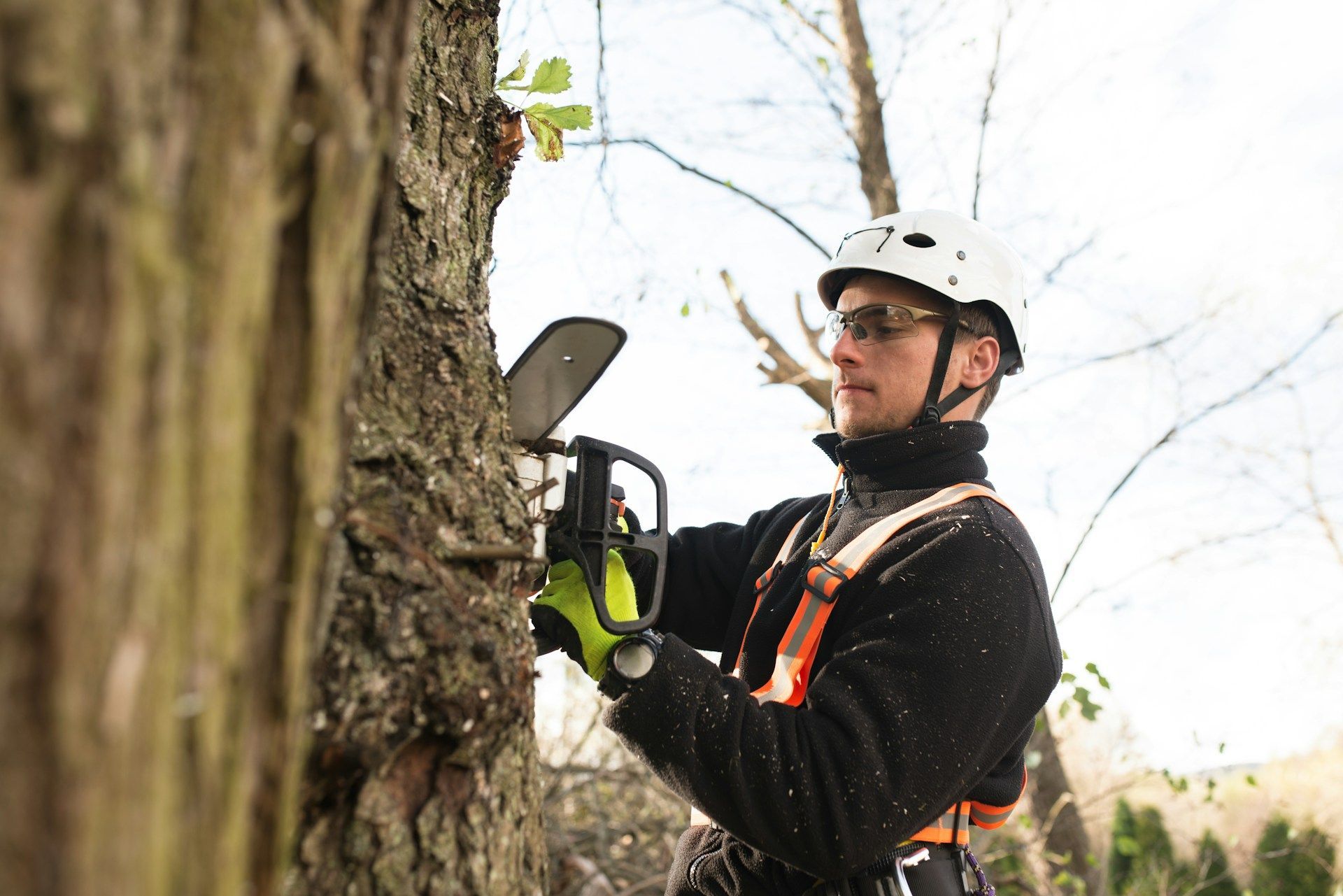
Many pruning jobs look easy from the ground. Then you climb a ladder with a saw in your hand, and it is a different story. Without the right tools and training, simple jobs can become unsafe very fast.
Common safety mistakes include:
- Using dull hand saws or small tools on heavy limbs
- Climbing without proper gear or help
- Reaching over roofs, fences, or vehicles
- Working close to power lines or service drops
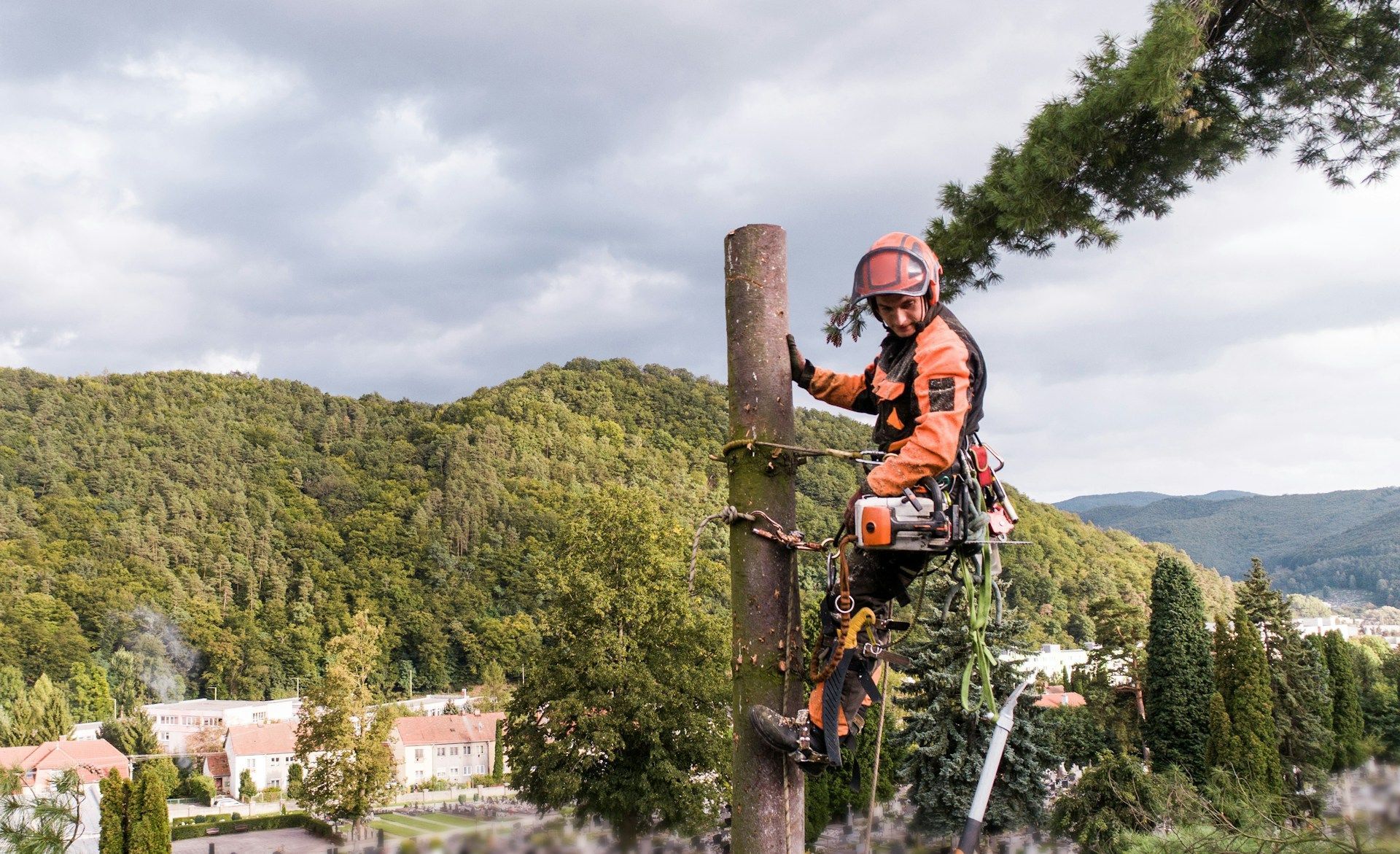
When a cut is made above a house or driveway, the weight of the branch can cause it to swing or roll in ways people do not expect. One wrong move and that branch can slam into a roof, break a window, or pull down gutters. In worst cases, it can seriously hurt someone on the ground.
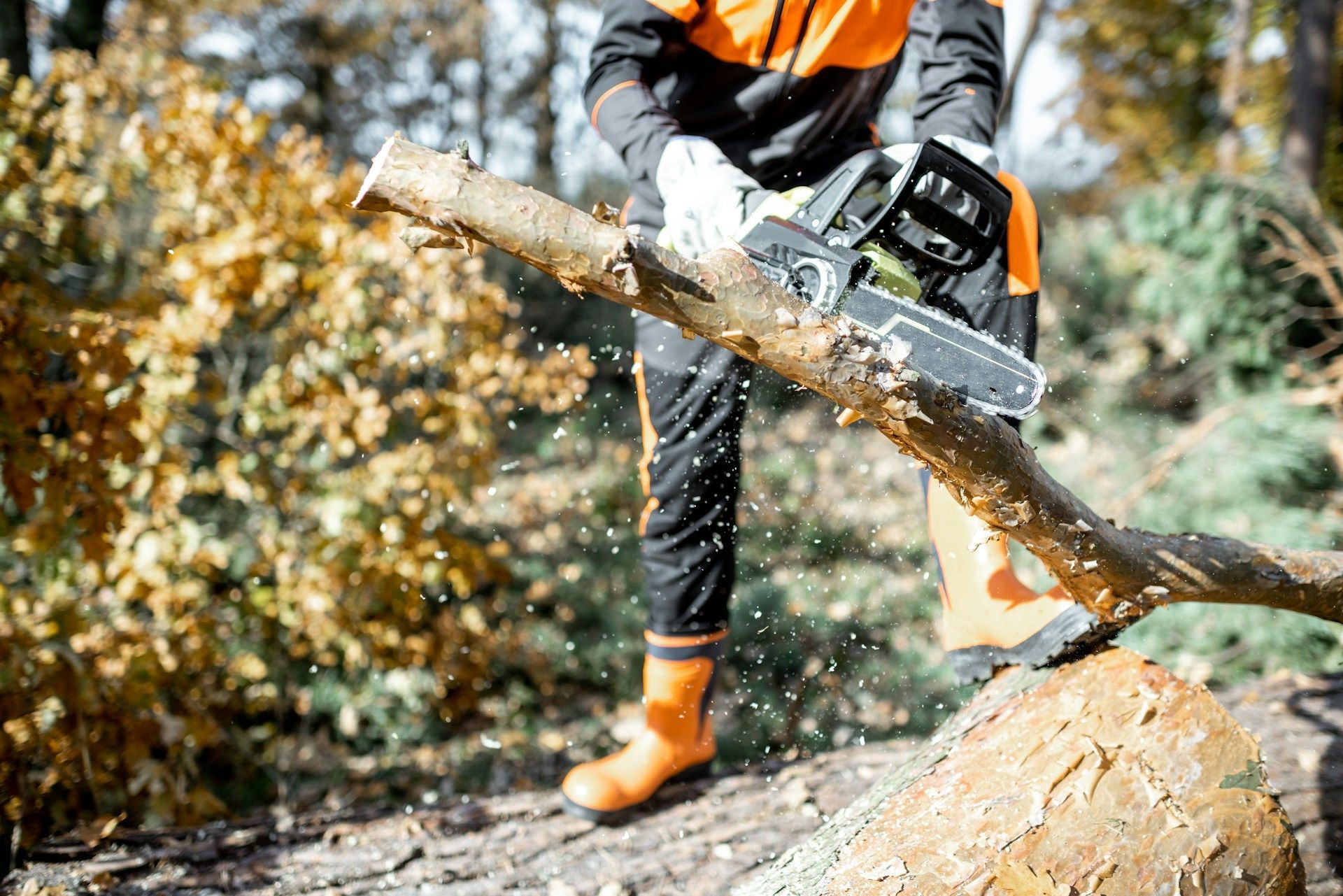
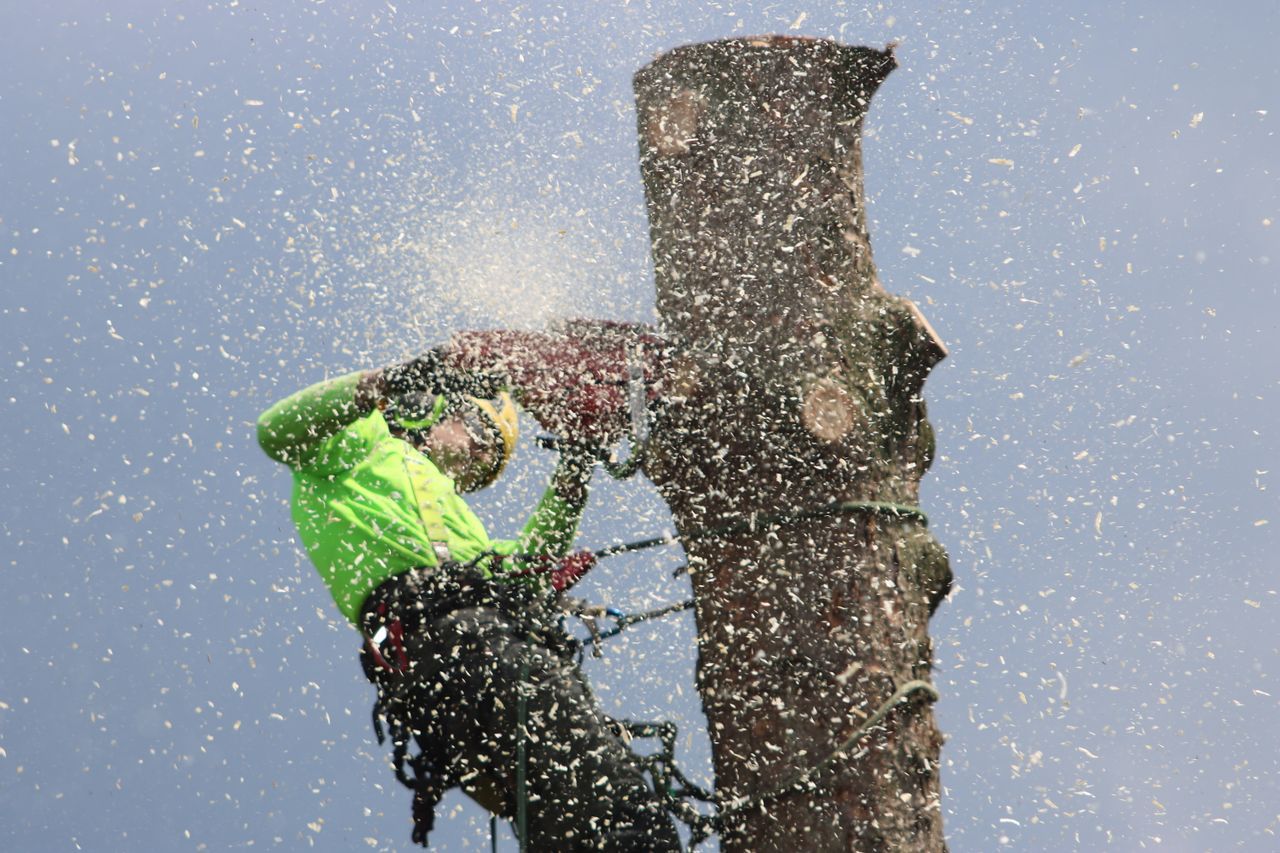
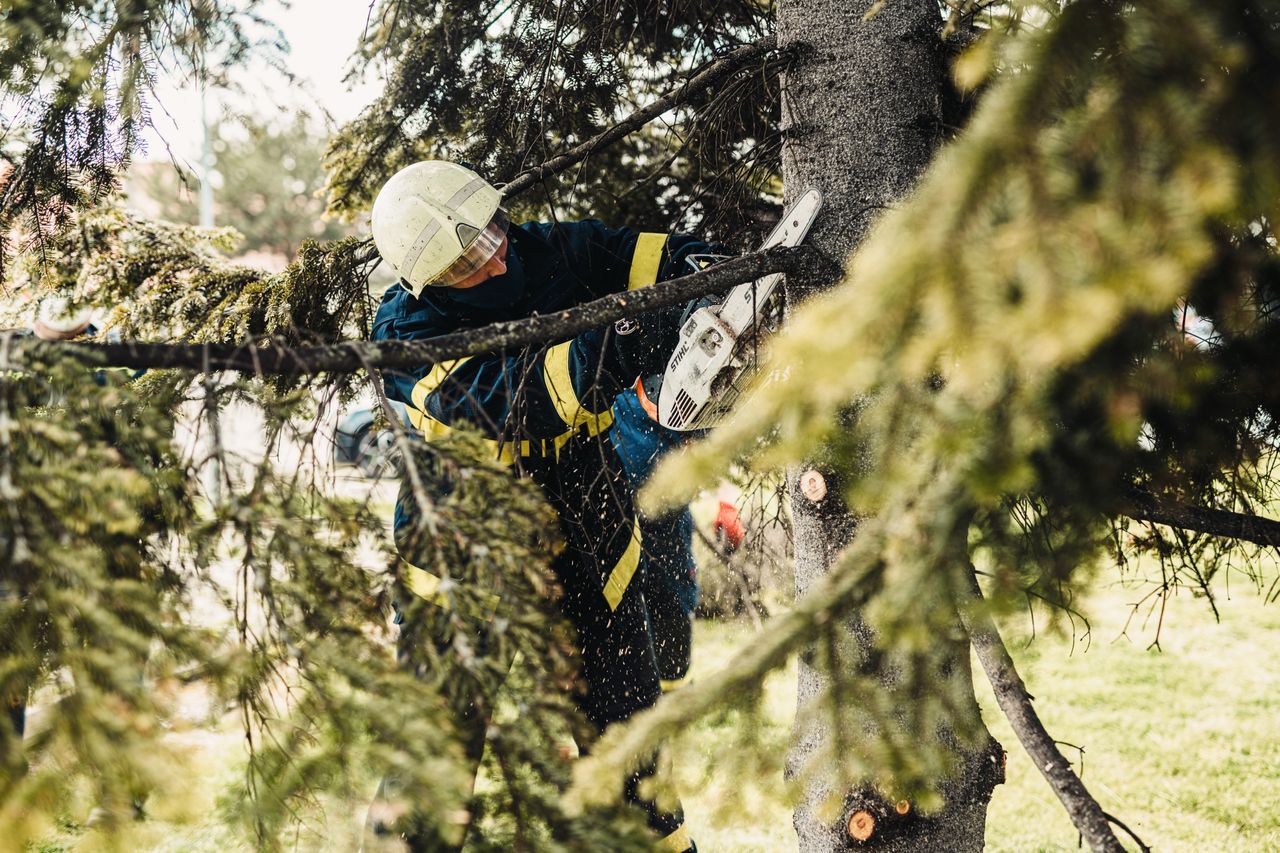
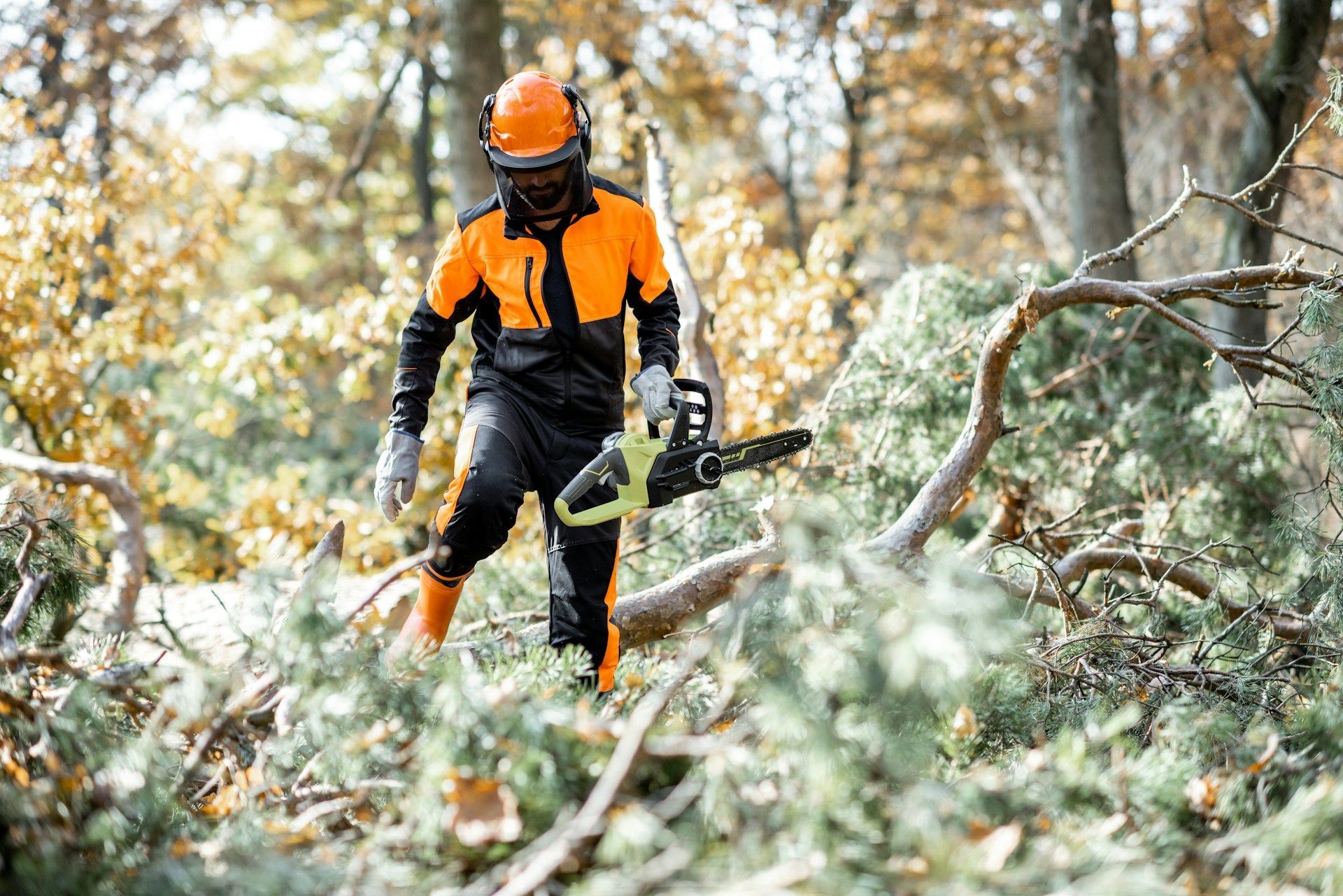
Tree crews that do this work every day are trained to control each cut. They use ropes, rigging, and careful cutting plans so branches come down in small, safe sections. They are also used to working around sheds, patios, and utilities, always thinking one step ahead to protect people and property.
Neglecting Cleanup, Stumps, and Future Growth
The job is not finished just because the last cut is made. What happens after pruning matters just as much as the pruning itself. Leaving big piles of brush and chunky limbs scattered around the yard can:
- Attract insects and other pests
- Smother grass and plants
- Create tripping hazards for kids and pets
Poorly cut stubs left on the tree can also be a problem. They do not seal over well, they collect moisture, and they open the door to decay and pests. Over time, that can lead to rot inside the branch or trunk.
After larger removals or heavy pruning changes, ignoring the stump can cause even more headaches. In many San Antonio yards, unground stumps will:
- Send up clusters of ugly suckers
- Make mowing and yard work harder
- Create uneven turf that is easy to trip on
A full-service approach handles everything from safe cutting to hauling and chipping the debris, plus stump grinding when it is needed. Just as important, a good plan includes a follow-up pruning schedule based on local growth patterns, so the tree is checked and shaped again before small issues become big surprises.
Get Started With Your Project Today
If your trees are overdue for professional care, we are ready to help restore their health and appearance. Learn more about our expert
tree pruning in San Antonio and how Teague’s Tree Service can keep your landscape safe and beautiful year-round. To schedule a visit or request a quote, simply
contact us and we will follow up promptly.