Recognizing Tree Health Issues Before They Spread in San Antonio
Stop Tree Problems Early to Protect Your Property
Tree problems usually start small. A few brown leaves, a thin patch in the canopy, a crack in the bark. In San Antonio’s heat, drought, and sudden storms, those little issues can grow into big problems if no one is watching. Weak limbs can snap, whole trees can fail, and you can lose shade you count on during long hot afternoons.
Catching trouble early protects more than just one tree. It helps keep your home or business safer, saves you from bigger work later, and keeps your yard or commercial property looking cared for. Healthy trees also give better shade and stand up better when windy storms roll through in fall.
As a family-owned tree company here in San Antonio, we work with local trees every day. We know how our live oaks, red oaks, pecans, and other common trees respond to our weather and soil, and we understand local rules and patterns. In this article, we will walk through clear signs to watch for from the ground, common pests and diseases in our area, when it is time to call a professional, and how a regular tree health assessment in San Antonio helps stop issues before they spread.
How San Antonio’s Climate Affects Tree Health
San Antonio trees deal with a lot of stress. Long stretches of heat and late-summer drought leave roots thirsty and soil dry. Then quick fall storms can bring sudden wind and rain that test every weak branch and shallow root.
Those swings can reveal problems that were hiding inside the tree. When conditions change around October, you may see:
- Branches breaking where there is hidden decay
- Roots losing their grip and letting the tree lean
- Limbs snapping in spots already damaged by pests or past storms
Different local species handle that stress in their own ways. Common signs of heat and water stress include:
- Live oaks and red oaks: thin or patchy canopies, bare spots at the top, early leaf drop
- Pecans: scorched leaf edges, more nuts dropping early, sparse foliage
- Cedar elms and ash: smaller than normal leaves, yellowing or browning too soon
- Ornamental trees: wilting that does not improve with watering, twig dieback
City life adds even more pressure. Trees in neighborhoods, shopping centers, and office parks often face:
- Compacted soils from foot traffic and parking areas
- Irrigation that soaks some roots and leaves others dry
- Nearby construction that cuts or crushes roots
- Power lines that force awkward, repeated trimming
All of this makes regular tree health assessment in San Antonio very important. Catching climate stress early lets a trained expert guide what to prune, what to monitor, and what might need treatment or removal.
Early Warning Signs You Can See From the Ground
You do not need to climb a ladder to spot many early warning signs. A simple walk through your yard or around your building can tell you a lot.
Canopy and leaf changes to watch for:
- Thinning foliage where you used to see dense shade
- Bare branches at the top while the rest of the tree is still leafed out
- Yellowing, browning, or spotted leaves out of season
- Unusually small leaves or leaves that look misshapen
- Leaves that stay stuck on the tree long after others nearby have dropped
These clues can point to issues with water, roots, or pests feeding on the tree.
Trunk and bark issues can be even more serious. Take a close look at the main trunk and larger limbs. Be alert for:
- Peeling or cracking bark that shows bare wood beneath
- Dark, wet-looking, or oozing spots
- Mushrooms or other fungal growth at the base or along the trunk
- Cavities or holes in the trunk
- Soft, crumbly, or spongy wood that suggests internal decay
Ground-level signs are just as important. At the root zone, pay attention to:
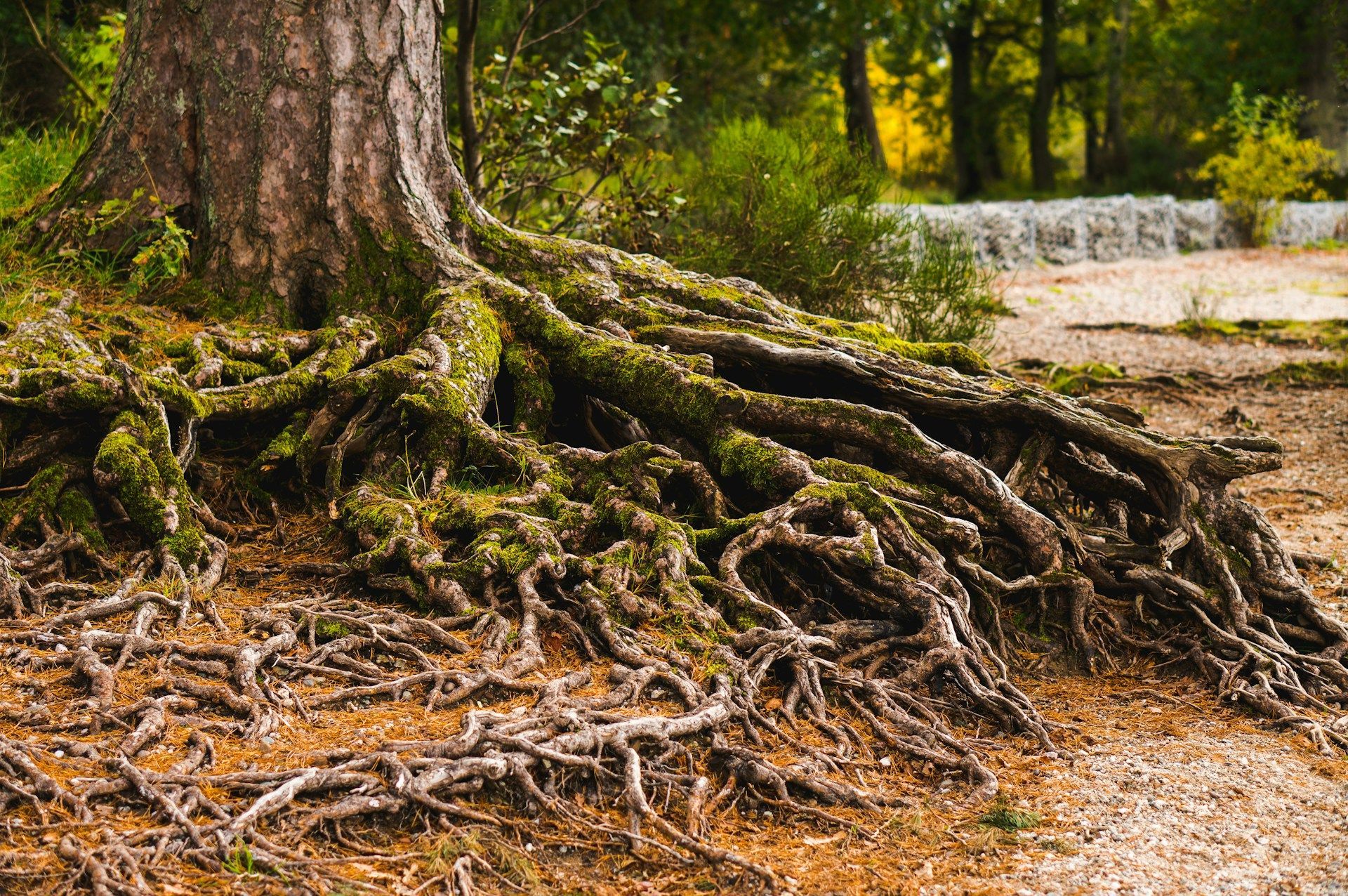
- Soil that looks heaved up on one side of the tree
- Exposed, cut, or damaged roots
- Standing water around the base after irrigation or rain
- A lean that seems new or worse after a storm
Any of these can mean the root system is struggling to anchor and feed the tree.
Common Pests and Diseases in San Antonio Trees
Many San Antonio trees face regular attacks from insects. A few pests love our oaks, pecans, and ornamentals. Signs that insects may be at work include:
- Tiny exit holes in the bark from borers
- Fine, sawdust-like material at the base or in bark cracks
- Sticky sap or a shiny, sticky coating on leaves from sap-feeding insects
- Webbing in branches from webworms or similar pests
- Chewed leaves or skeletonized leaf tissue
Diseases are another big concern, especially in groups of trees. Problems like leaf spots, cankers, and root rot can move through a landscape if they are not caught early. Oaks carry their own set of disease risks that can spread from one tree to another when conditions are right.
Some issues are mostly cosmetic, while others point to deep structural damage or contagious problems. That is where a professional tree health assessment in San Antonio makes a difference. A trained eye, and when needed basic diagnostic tools, can tell if your trees are dealing with surface-level stress or something more serious that calls for treatment or removal to protect neighboring trees.
When It’s Time to Call a Tree Care Professional
There are some warning signs that should always be treated as safety issues. These include:
- Large dead limbs hanging over driveways, roofs, or parking areas
- Branches tangled in or close to power lines
- Trees that suddenly start leaning or that lean more after a storm
- Trees damaged by early fall thunderstorms, which already dropped limbs
Other times, the situation is less dramatic but still calls for expert evaluation. For example:
- The same section of the canopy keeps dying back year after year
- Several trees in your yard or on your commercial property show similar leaf or bark problems
- Trees stand close to homes, offices, fences, parking lots, or play areas
- Older, long-standing “legacy” trees that you want to protect as long as possible
Bringing in a professional in early to mid-fall can be especially helpful. There is enough recent growth to read the tree’s health, and there is still time to plan pruning and hazard reduction before stronger seasonal winds and storms. For both homes and commercial sites, this kind of planning can prevent sudden failures and keep your trees strong, attractive, and better prepared for changing conditions.
Make This Fall the Season You Invest in Tree Health
A simple first step is to walk your property this week with fresh eyes. Look up into each canopy. Scan the trunk and bark. Check the soil and roots at the base. Use the warning signs in this guide as a checklist. Note any dead branches, fungus, cracks, unusual leaf loss, leaning trees, or patches that just “feel off.”
When you are ready for expert support, a licensed and insured family-owned company like Teague’s Tree Service can help you understand what your trees are telling you. From routine trimming and pruning to targeted treatments and safe removals when needed, we focus on keeping San Antonio trees healthy, stable, and attractive so problems are caught early and do not spread across your yard or commercial property.
Protect Your Trees With a Professional Health Check
If you suspect issues with your trees or simply want peace of mind, our certified team at Teague’s Tree Service is ready to help with a thorough
tree health assessment in San Antonio. We will evaluate your trees, explain what we find in clear terms, and recommend practical solutions that fit your property and budget. To schedule your assessment or ask a question, just
contact us and we will follow up promptly.