Tree Health Checklist for San Antonio Homeowners Before Calling an Arborist
Catch Tree Problems Early and Protect Your Investment
Regular tree checks are one of the easiest ways to protect your home, yard, and peace of mind. A quick walk around your property a few times a year can help you spot small problems before they turn into falling branches, dying trees, or damage to your roof and fence. Waiting until a tree is clearly failing often means fewer options and bigger headaches.
Late fall is a great time for San Antonio homeowners to look closely at their trees. Days are shorter, some trees are slowing their growth, and holiday storms and wind can put more strain on weak branches. A simple tree health assessment in San Antonio, before the busy holiday season, can help you catch hidden issues while there is still time to act.
We believe homeowners should feel confident doing a basic visual check, then calling in a pro when something looks off. At Teague’s Tree Service, our family-owned team steps in after that DIY walk-through to give clear answers, safe solutions, and help keep your trees healthy, safe, and good-looking for the long term.
Reading Leaves Like a Pro in the San Antonio Climate
Leaves are one of the first places your tree will show stress. You do not need special tools, just a little time and attention. Start by looking at color and fullness.
For many common San Antonio trees:
- Live oaks usually keep thick, green leaves most of the year
- Cedar elms often turn yellow and drop leaves in fall, then leaf back out in spring
- Pecan trees have larger, compound leaves that should be a rich green in the growing season
Things to watch for:
- Widespread yellowing or browning outside of normal fall change
- Thin, sparse foliage at the ends of branches
- Whole sections of the canopy that look bare compared to the rest
These signs can point to drought stress, root problems, disease, or nutrient issues, especially after a long, hot summer.
Next, look closely at leaf shape and texture. Warning signs include:
- Leaves that curl, twist, or look distorted
- Dark spots, blotches, or powdery patches
- Tiny holes or chewed edges
- Sticky residue on leaves, cars, or patio furniture under the tree
- Fine webbing on leaves or between branches
These clues can mean insect activity like aphids, scale, or borers, or fungal issues that need a professional eye. Try to notice timing too. Some leaf drop in fall is normal, but:
- Sudden leaf loss early in the season
- Only one side of the tree dropping leaves
- Leaves drying and falling right after a heat wave or storm
These are red flags that the tree might be struggling with something deeper than simple seasonal change.
Bark and Trunk Clues You Should Never Ignore
The trunk and bark act like the tree’s skin and spine. Problems here can affect the whole tree. Walk all the way around and look at the full height you can safely see.
Pay close attention to:
- Long vertical cracks in the bark
- Areas where bark is peeling away in big sheets
- Dark streaks, oozing sap, or wet-looking patches
- Large cavities or holes in the trunk
If a trunk sounds hollow when gently tapped or you see big cavities, that can mean internal decay or structural weakness that is not safe to ignore.
Fungal growth is another big warning sign.
- Shelf-like bracket fungi or conks on the trunk
- Mushrooms growing in a ring around the base
- Soft, crumbly, or spongy wood near these growths
Fungi and mushrooms often show that decay is already in the wood. This is a good time to stop any DIY trimming plans and bring in a trained tree service that can judge how stable the tree really is.
Also check old wounds and pruning cuts. Healthy wound closure usually looks like raised, rounded wood slowly growing over the cut edge. Problem signs include:
- Flat, open cuts that never seem to close
- Cuts made straight across large limbs near the top of the tree
- Big stubs left behind where limbs were cut but not properly removed
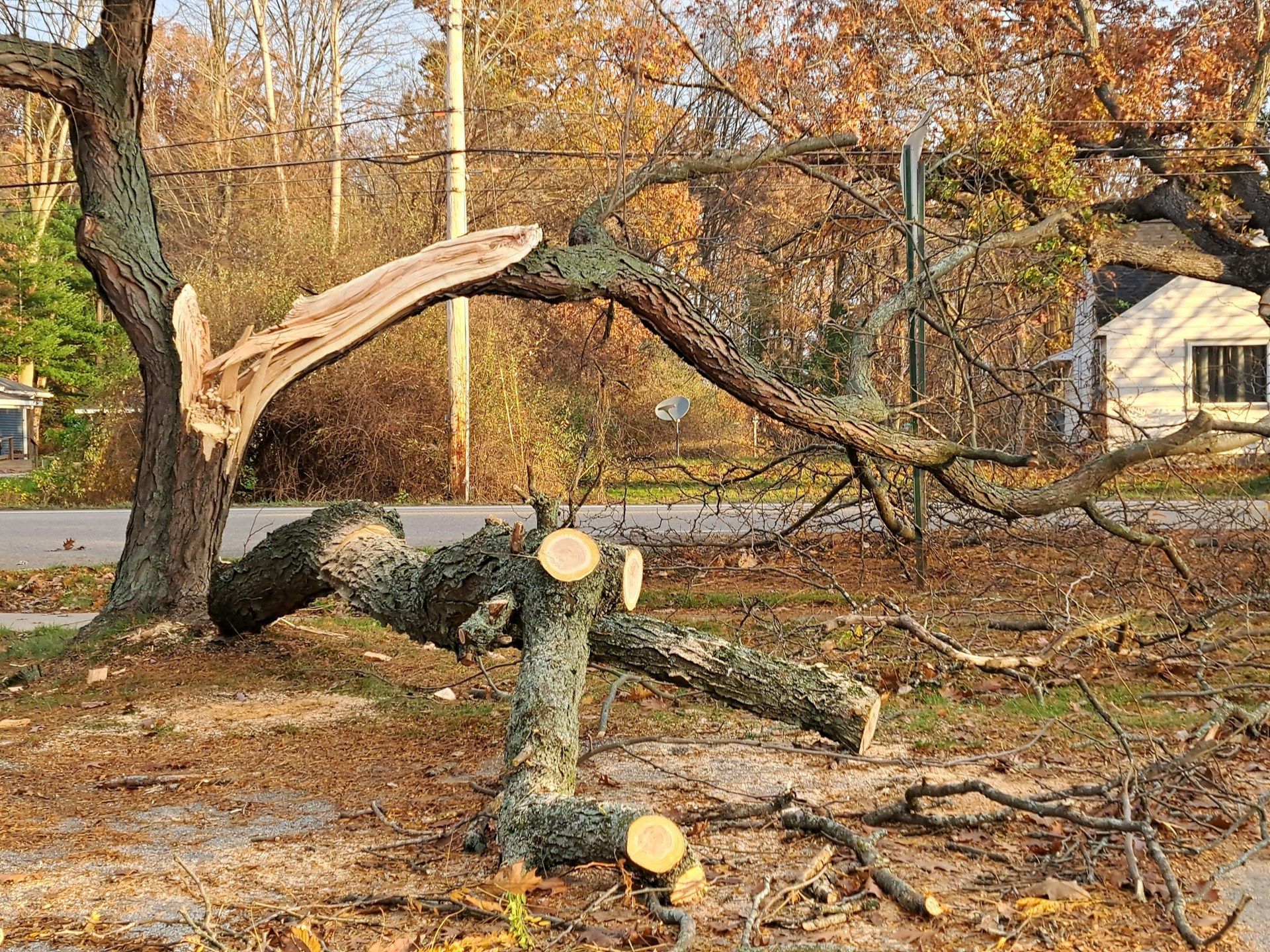
- Torn bark or rough breaks from storms or impact
Repeated topping or poor pruning can weaken a tree over time and make storm damage more likely.
Soil, Water, and Root Flare Checks for Strong Foundations
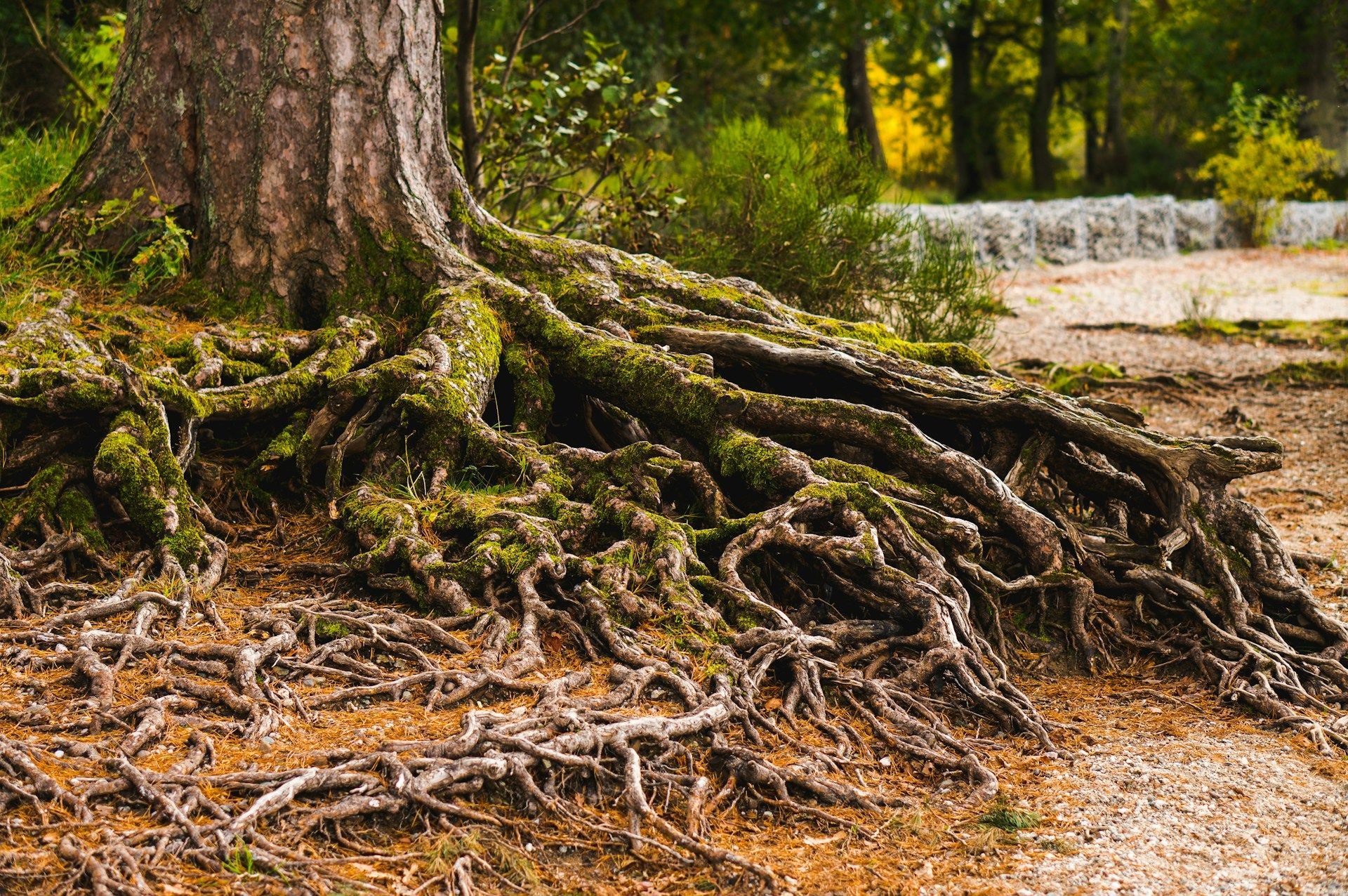
A strong tree starts below ground. One of the simplest checks is finding the root flare, the area where the trunk widens at the base and roots spread out into the soil. You should be able to see that gentle flare at the soil line.
Warning signs at the base:
- Trunk going straight into the ground like a fence post
- Soil or mulch piled high against the bark
- Thick mulch “volcanoes” built up around the trunk
When the root flare is buried, the tree can struggle to get enough oxygen, bark can stay too damp, and roots can weaken, which can affect stability.
Next, look at the soil and moisture around your trees. San Antonio’s clay-heavy soils can swing from rock-hard to soggy. Here are some simple checks:
- Press a screwdriver or small tool into the soil. If it barely goes in, the soil may be too compacted
- Notice if water pools around the tree for a long time after watering or rain
- Look for dry, cracked soil and stressed plants nearby
Too much water and poor drainage can invite root diseases, while extreme dryness can stress the tree and lead to dieback.
Also look at surface roots:
- Big roots lifting sidewalks, driveways, or lawns
- Roots circling around the base of the trunk
- Roots that look like they are pressing into or crossing over each other tightly
Circling or girdling roots can slowly strangle the trunk and reduce stability. Exposed roots can also be a trip hazard and a sign the tree is fighting for room or dealing with erosion. These are situations where a professional tree health assessment in San Antonio is especially helpful.
When a DIY Check Is Not Enough
Some signs you find on your walk-through should lead straight to a professional visit, not more watching and waiting. Safety comes first.
Call for expert help if you see:
- A tree leaning more than it used to, especially if the soil is cracked or raised on one side
- Large branches hanging over roofs, driveways, play areas, or outdoor seating
- Branches close to or touching power lines
- Big dead limbs, even if they are still attached
Also pay attention to patterns across your yard. It is one thing if one tree looks a little off. It is more serious when:
- Several trees are losing leaves or browning at the same time
- You see the same insects or fungus on different trees
- Trees start to decline soon after construction, digging, patio work, or a major drought or storm
In these cases, a full tree health assessment in San Antonio can help you understand what is going on across the whole property, not just one tree. That is where a licensed and insured local company like Teague’s Tree Service comes in. We provide expert evaluations, safe pruning, cabling and support where needed, careful removals when there is no other choice, stump grinding, planting help, and emergency storm work for both homes and commercial properties.
Your Next Steps for Safer, Healthier Trees This Season
To keep things simple, use the same quick checklist every fall:
- Leaves: Check color, thickness, spots, holes, curling, sticky residue, and early or uneven leaf drop
- Bark and trunk: Look for cracks, peeling, cavities, mushrooms, oozing, and poor wound closure
- Root flare: Make sure the base widens at soil level and is not buried in soil or mulch
- Soil and roots: Note dry or soggy soil, compaction, exposed or circling roots, and lifted concrete
- Surroundings: Watch for leaning trees, dead limbs, branches over structures, or near power lines
Write down what you see, along with dates and photos from the same spots each year. Over time, this record helps show if something is slowly getting worse or staying steady. When your notes raise questions or you spot any of the red flags above, that is the right time to bring in Teague’s Tree Service for a closer look and a clear plan to keep your San Antonio trees healthy, attractive, and as safe as possible for years to come.
Protect Your Trees With a Professional Health Evaluation Today
If you are concerned about how your trees are handling San Antonio’s climate, we can provide a detailed tree health assessment in San Antonio tailored to your property. At Teague’s Tree Service, we carefully inspect for disease, pests, structural issues, and hidden problems before they become costly hazards. Reach out to us to schedule an on-site visit and get clear recommendations for keeping your trees safe, healthy, and beautiful. If you are ready to get started, simply contact us today.