Questioning Tree Health in San Antonio? When to Call an Arborist
Spotting Trouble Before It Falls on Your Roof
Tree problems in San Antonio have a way of showing up at the worst time, like right before a storm rolls through or when guests are on the way. Healthy trees give shade and beauty, but weak or damaged trees can threaten your roof, cars, fences, and power lines. With our mix of long dry stretches and sudden storms, tree health is not something to ignore.
Many homeowners do not notice early warning signs. A little crack here, a thin branch there, and it all feels normal until a big limb breaks or a trunk starts to lean. By that point, the fix is harder, more stressful, and sometimes dangerous. That is where a local San Antonio arborist comes in, to spot trouble early and protect both your trees and your property value.
In this article, we will walk through common warning signs, what our weather does to your trees, when it is time to call a pro, and how a proper tree assessment works. You will also get simple seasonal tips so your trees go into fall stronger and safer.
Common Signs Your Tree Is in Trouble
Your trees usually show you when something is wrong. The trick is knowing what to look for before a branch ends up on your roof.
Watch for leaf changes like:
- Thinning canopy where you can suddenly see a lot more sky
- Early color change or leaf drop when nearby trees still look normal
- Brown or crispy tips, even when you are watering as allowed
- Whole sections of the tree losing leaves out of season
The trunk and bark tell their own story. Red flags include:
- Deep cracks running up and down the trunk
- Bark peeling away in large sheets
- Oozing sap, dark streaks, or wet-looking spots
- Cavities or hollow sections in the trunk
- Mushrooms or fungal growth at the base
Structural issues can turn into safety hazards, especially near homes and driveways. Keep an eye out for:
- Large dead branches that do not leaf out anymore
- Limbs hanging over your roof, driveway, or play areas
- Trees leaning more than they used to, or a lean that suddenly worsens
- Branches rubbing against each other and creating open wounds
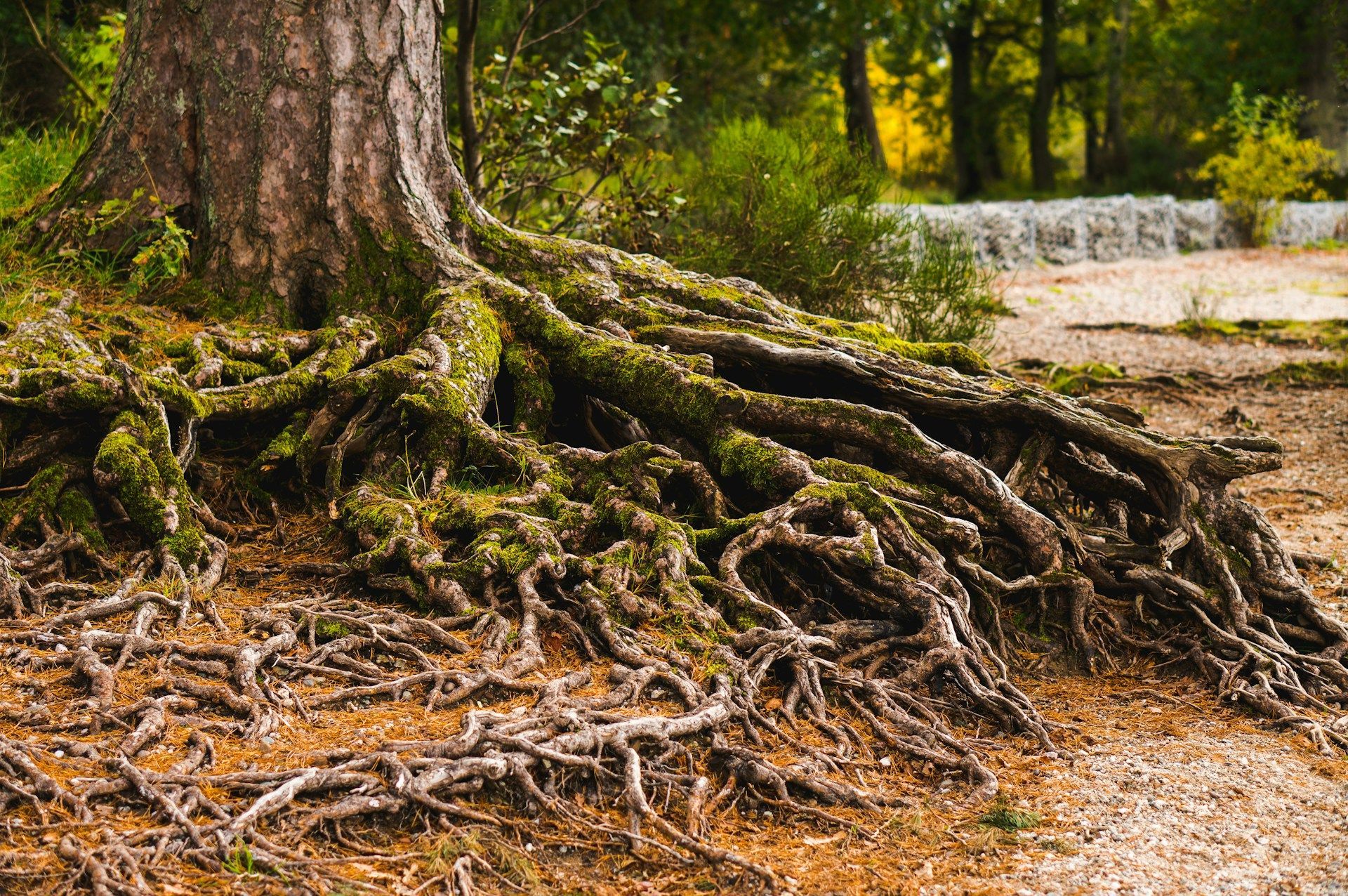
Problems underground can be just as serious. Roots do not like to be cut, buried, or driven over. Warning signs include:
- Exposed roots cut or broken from traffic or mowing
- Soil heaving or cracking near the base of the tree
- Tree decline after nearby construction, trenching, or new patios and driveways
If you notice a mix of these issues on a valuable shade tree, it is time for a professional opinion.
How San Antonio Weather Stresses Your Trees
San Antonio trees deal with a lot. Heat, dry spells, and strong winds all add up, especially in fall when many trees are already tired from summer.
Our long, hot seasons and watering rules can leave trees like live oaks and pecans under constant water stress. Chronic dryness weakens roots, makes leaves thin out, and opens the door for pests and disease. A tree that is already stressed from drought will not handle storms as well.
When late-season thunderstorms show up, strong gusts rush through neighborhoods and look for weak points. Cracks, dead limbs, and bad branch unions become failure points. What might have held in calm weather can snap under one strong gust.
We also see:
- Oak wilt concerns for certain oaks
- Borers that attack stressed or injured trees
- Fungal diseases after wet periods followed by heat
City microclimates make things harder too. Reflective heat from pavement, compacted soil in newer neighborhoods, and yards packed with plants all compete for limited water and nutrients. Each of these factors chips away at tree health over time.
A San Antonio arborist understands these local stress points and can tell whether a tree is adapting well or starting to struggle.
When to Call a San Antonio Arborist Right Away
Some tree issues can wait for a routine check. Others should not. If you see any of these, do not put it off.
Immediate hazards include:
- A tree that suddenly leans more than before
- Large dead limbs over your house, driveway, or neighbor’s yard
- Cracks where major limbs meet the trunk
- A split trunk or bark lifting away after a storm
Changes tied to a clear event also need quick attention, like:
- Broken branches or hanging limbs after high winds
- Bark scraped off by a vehicle or equipment
- New wilting or dieback after trenching, digging, or soil work near the roots
- Odd symptoms after pruning by an untrained crew
Oaks deserve special care. Watch for:
- Sudden heavy leaf drop outside normal seasonal changes
- Unusual leaf discoloration or patterns
- Fungal mats or odd growth on or near the tree
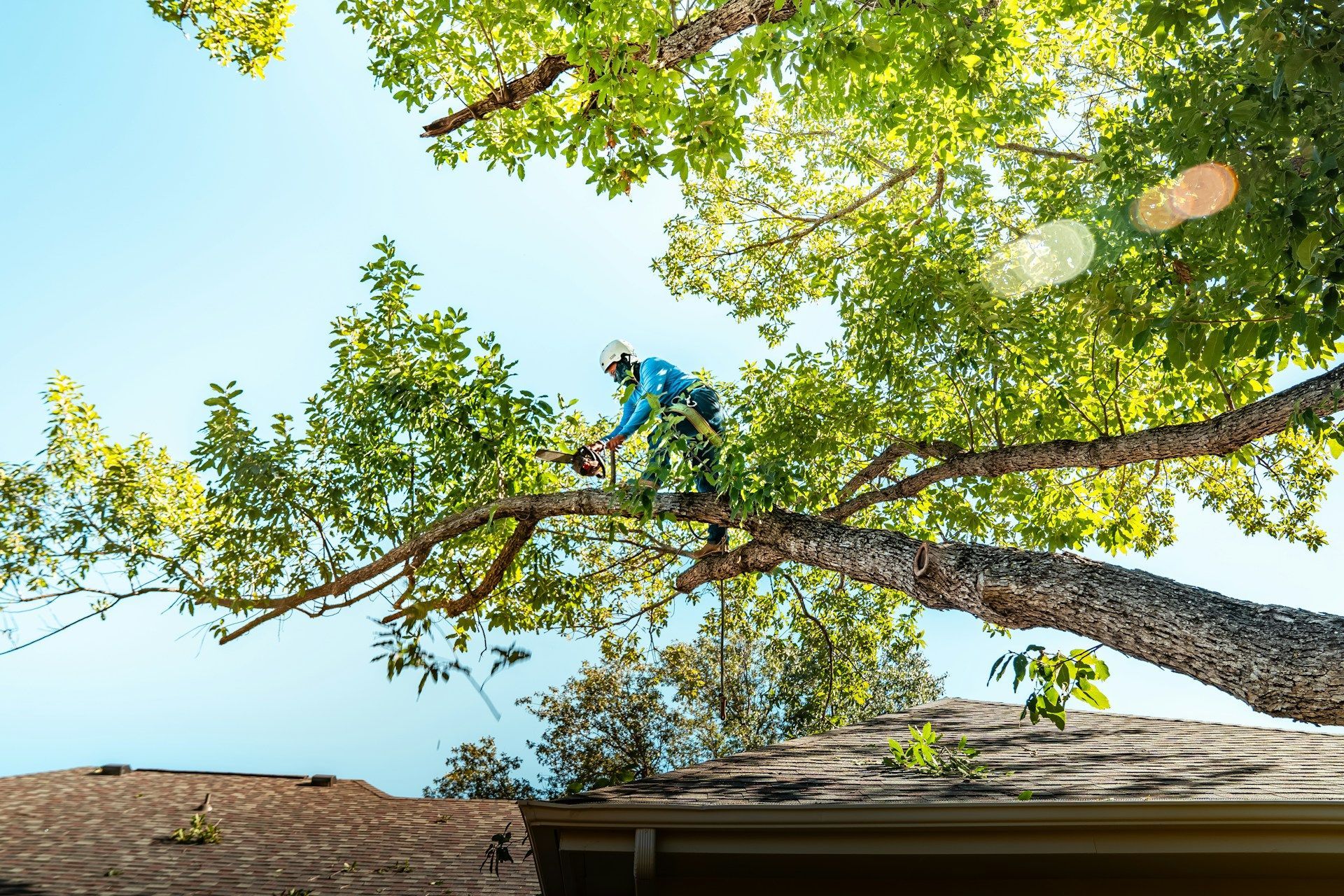
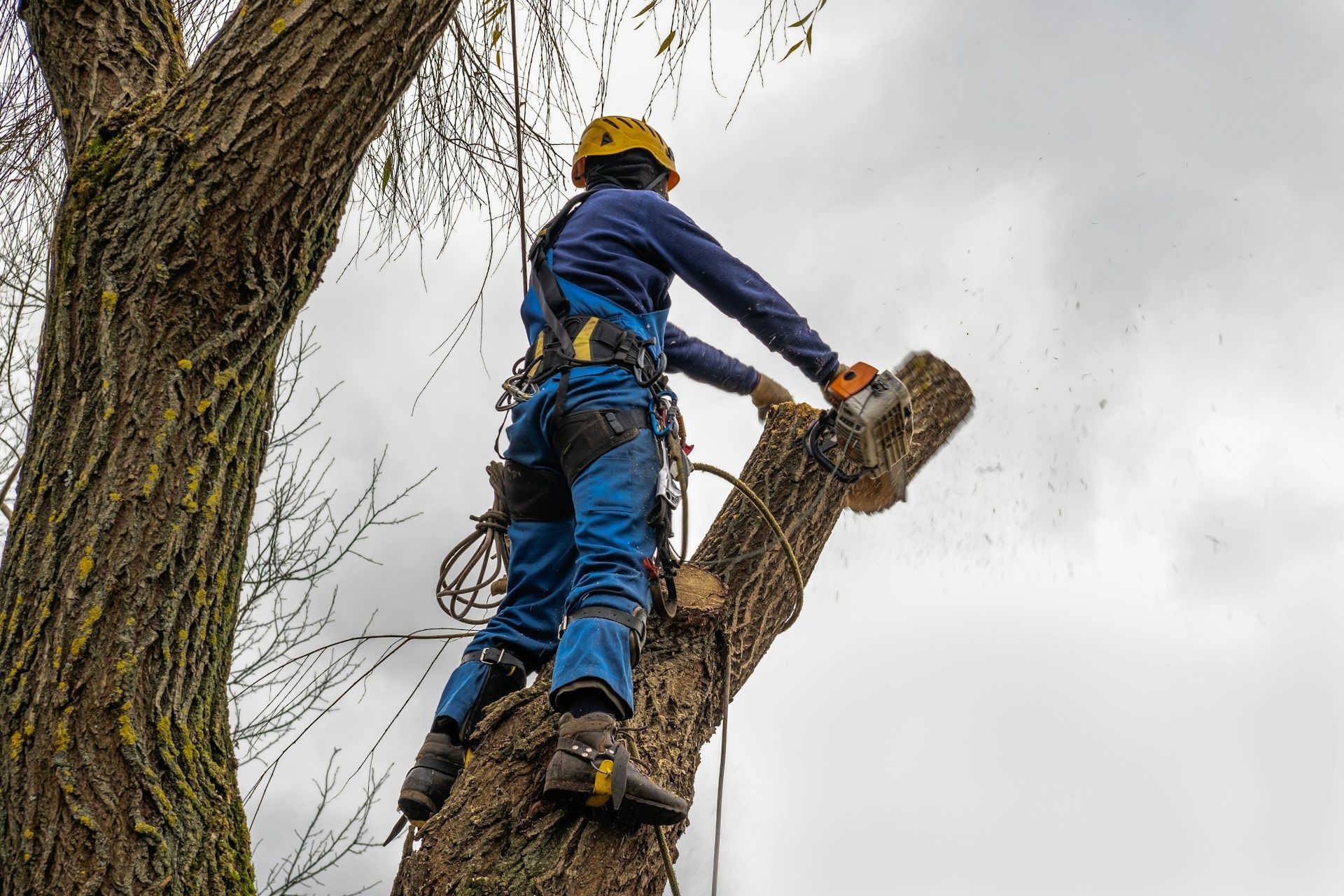
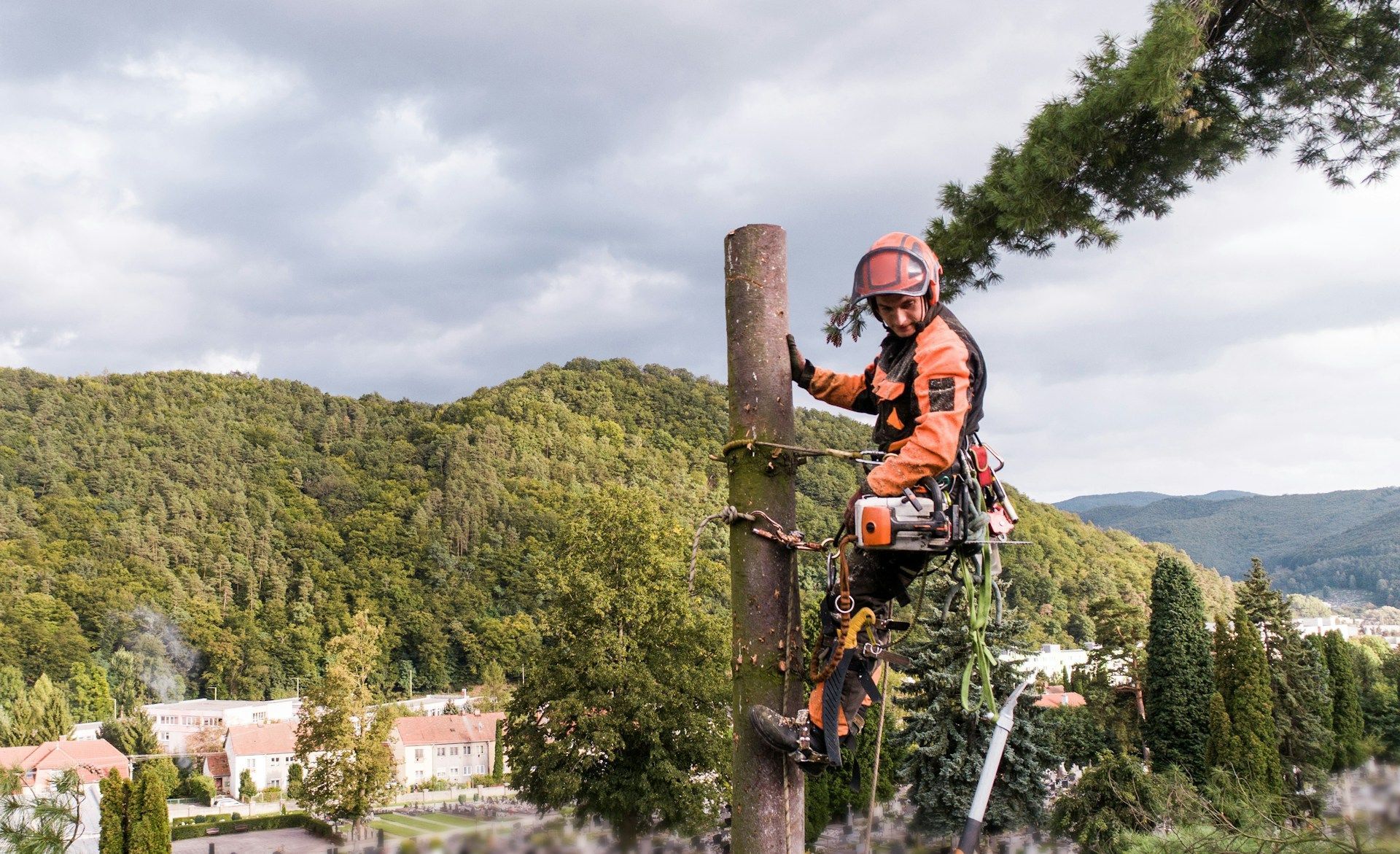
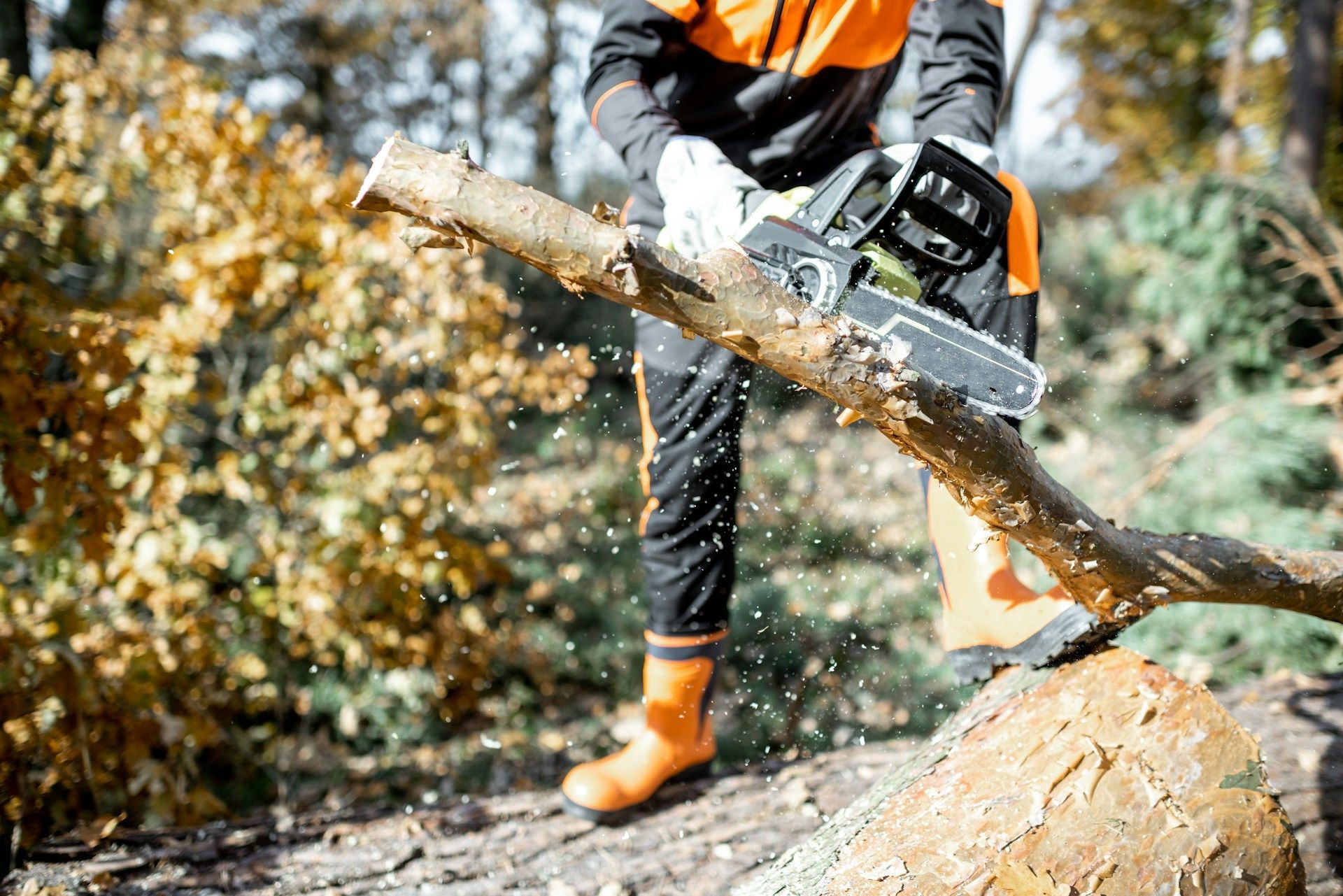
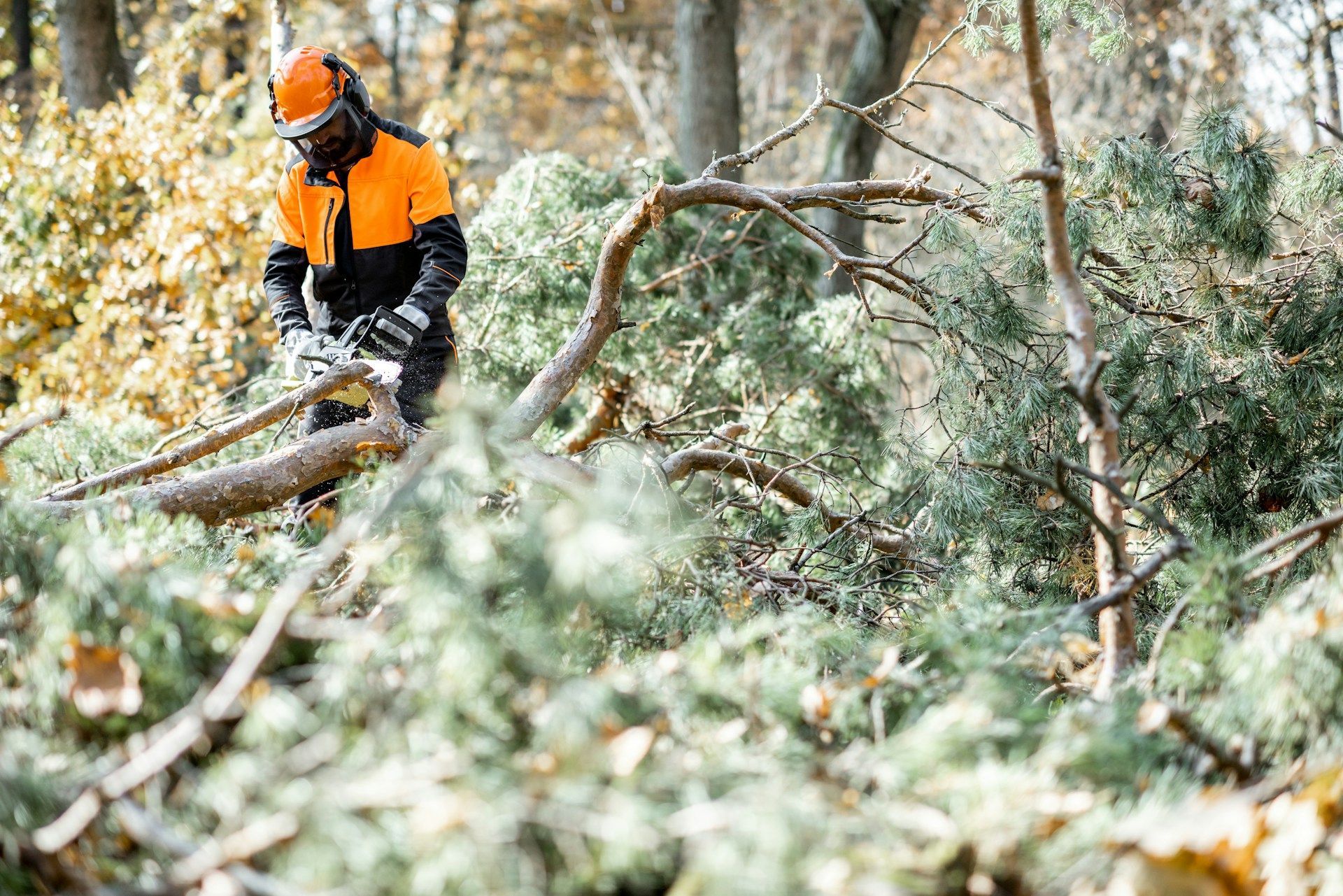
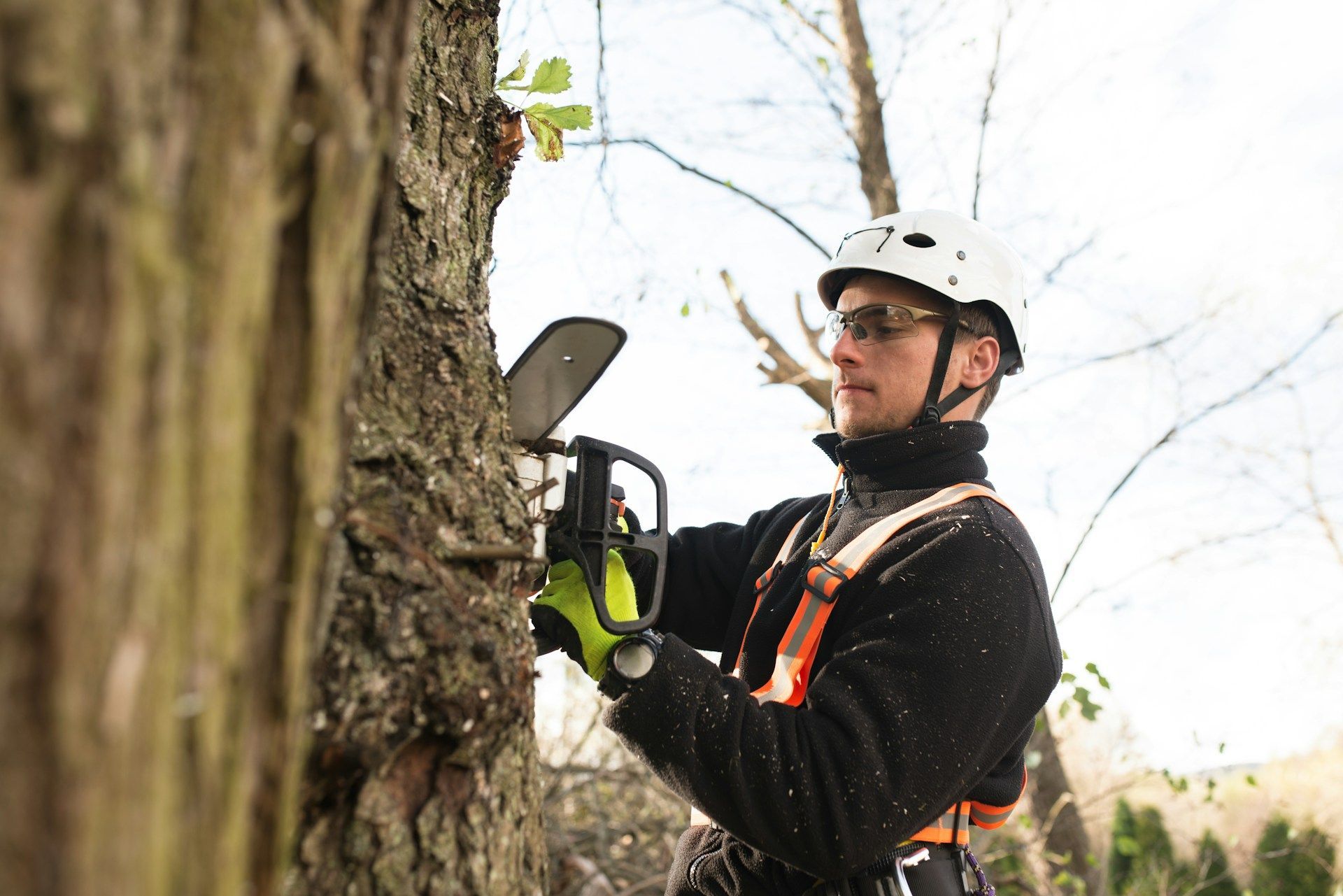
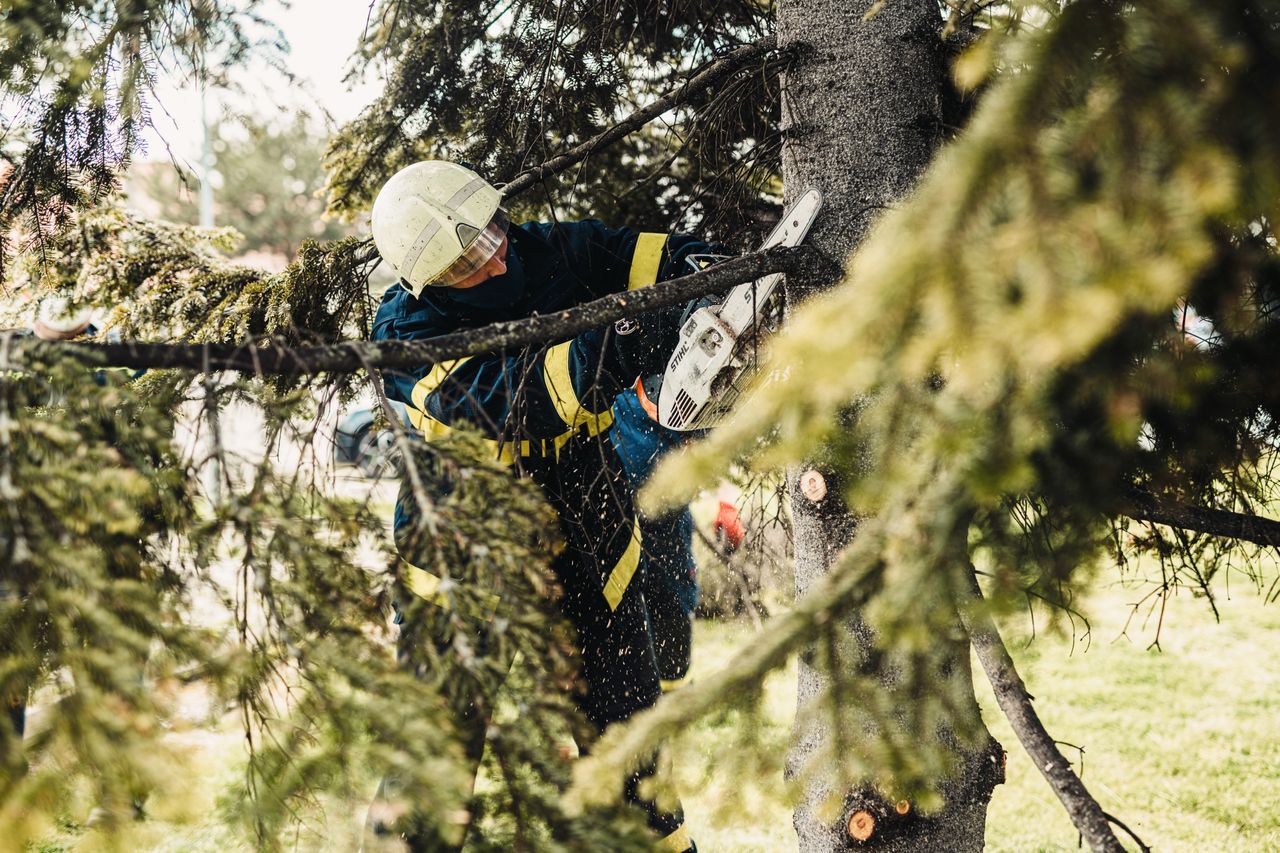
Safety is another big reason to bring in a pro. Tree work often means climbing high, working near power lines, and handling heavy sections of wood. Fully insured professionals are trained for this type of work and can manage 24/7 emergencies when a tree suddenly becomes a threat.
What to Expect During a Professional Tree Assessment
Many homeowners are not sure what actually happens during a tree health visit. It is more than a quick glance from the street.
A professional assessment usually includes:
- A careful look at the canopy, including live leaves, deadwood, and branch structure
- An inspection of the trunk for cracks, cavities, fungal signs, and insect damage
- A review of roots and soil, including grading, compaction, and moisture
- A study of the site, such as nearby buildings, traffic, and power lines
We may use simple tools and visual checks, along with industry standards, to decide if pruning, cabling, or removal is the safest plan. Not every troubled tree must come down, but not every tree can be saved. The goal is to balance safety with long-term health.
You should receive clear, written recommendations, not just quick verbal notes. That plan might include:
- Priority pruning to remove hazardous limbs
- Ongoing care to manage pests or disease
- Stump grinding after any removals
- A timeline so you can budget and plan ahead
Regular checkups and proper pruning cycles reduce surprise failures. They also help the healthiest trees stay that way longer, so you enjoy shade and beauty instead of worry.
Seasonal Tree Care Tips for a Safer Fall in San Antonio
Fall is a smart time to look up at your trees and get ahead of problems before holiday plans and stormy weather mix.
An October checklist might include:
- Scan your property for dead or dying limbs
- Note any limbs resting on your roof or close to power lines
- Watch trees near driveways and walkways where people park and walk
- Plan any needed pruning so trees head into the shorter days in better shape
Watering and mulching help trees bounce back from summer stress. Focus on:
- Deep, occasional watering within local rules, rather than frequent light sprinkles
- Keeping mulch in a wide ring around the base, not piled on the trunk
- Avoiding heavy rock beds that trap heat around roots
Pruning is one area where DIY work often causes long-term harm. Topping trees or making big, random cuts can create weak new growth, invite decay, and actually make future breakage more likely. Proper structural pruning by trained pros guides the tree into a safer, stronger form.
Fall is also a good time to plan ahead. If a tree needs to be removed or reduced, doing that work before holiday guests, backyard gatherings, and windy periods helps keep your property safer and your stress level lower.
Protect Your Home by Partnering with Local Tree Experts
You do not have to become a tree expert to keep your property safe. Your job is to notice when something looks off. Our job is to figure out why and what to do about it. A San Antonio arborist understands how local weather, soil, and pests all play together in your yard.
When you see visible decay, a sudden lean, heavy dead limbs, storm damage, or unexplained decline in a valued shade tree, that is your signal to get professional eyes on it. Early attention can mean the difference between a simple pruning job and a major emergency in the middle of the night.
At Teague’s Tree Service, we are a family-owned, fully insured tree company that focuses on complete tree care, from trimming and removal to stump work and emergency service across the San Antonio area. We take pride in helping homeowners feel safe under their own trees and giving clear guidance on what needs to happen next.
Protect Your Trees With Expert Local Care Today
Our certified team at Teague’s Tree Service is ready to assess your trees, explain your best options, and complete the work safely and efficiently. If you need a trusted
San Antonio arborist, we can tailor a plan that fits your property and budget. Reach out through our
contact page to schedule an inspection and get your questions answered. Let us help you keep your landscape healthy, attractive, and worry-free.