San Antonio Storm Cleanup for Commercial Properties: OSHA/ANSI Safety Steps
Protecting Your Commercial Property After Severe Storms
Strong thunderstorms, high winds, and tropical remnants can roll through the San Antonio area fast. In a short time, healthy-looking trees can split, uproot, or drop heavy limbs right where people and cars need to move. For commercial properties, this is more than a mess. It is a direct hit to safety and daily business.
When trees fail, you can end up with blocked parking lots, damaged storefronts, crushed signs, and limbs on roofs or near power lines. Walkways can turn into trip hazards, and customers may not even be able to reach your doors. That means lost revenue, frustrated tenants, and a lot of stress.
Emergency storm cleanup in San Antonio should be part of your business continuity plan, not just a “clean it up when we can” task. With a prepared plan and the right tree partner, you can protect people, limit liability, and get operations back up quickly. Our team at Teague’s Tree Service focuses on fast, safe response so commercial sites can return to normal with less downtime and less risk.
First 24 Hours After a Storm: Safety and Liability Basics
In the first day after a storm, safety comes before everything else. Trees, power lines, and damaged structures can create hidden dangers across a property.
Life safety first means you:
- Assume every downed or sagging wire is energized
- Keep staff, tenants, and customers far from any area with tree or line damage
- Call 911 or the local utility if trees are touching or near power lines
Right away, you should block off problem zones with cones, tape, or temporary barricades. Close off entrances or drive aisles that pass under hanging limbs or leaning trees. Clear, simple signs that say “Area Closed” or “Use Other Entrance” help keep people from walking into danger.
At the same time, start documenting damage. Before any cleanup begins, take timestamped photos and short videos of:
- Blocked parking spaces and drive lanes
- Damaged storefronts, awnings, signs, and roofs
- Trees or limbs on vehicles or near building entries
- Any visible trip hazards along sidewalks and paths
Keep basic notes on when contractors arrive, what they do, and how much debris they remove. This kind of record can support insurance claims and help if a liability question comes up later.
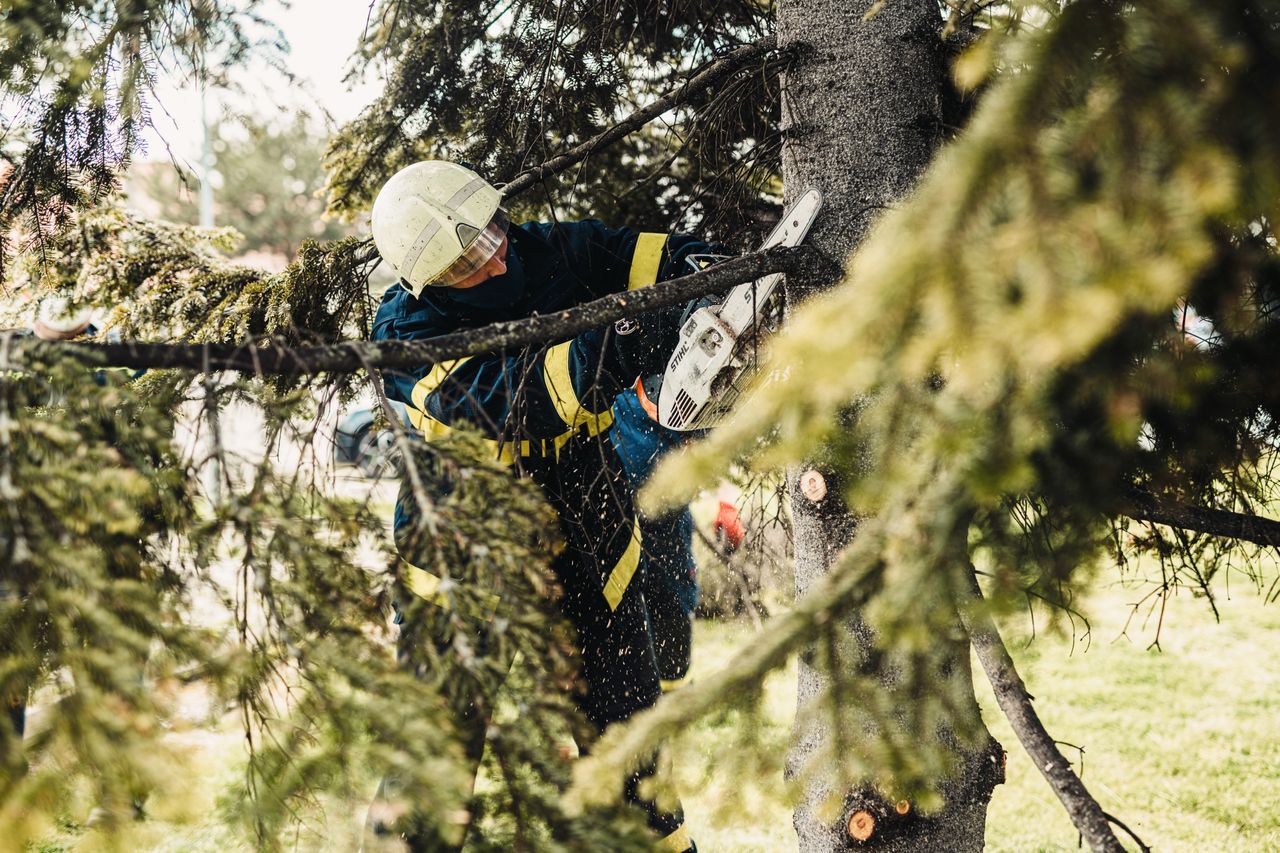
When it is time to start cleanup, call a fully insured tree company that regularly handles storm work. Sending untrained maintenance staff into unstable trees, twisted branches, and possible electrical hazards puts everyone at risk. Our crew at Teague’s Tree Service offers 24/7 emergency response in the San Antonio area, so we can help secure the site, rank the risks, and guide you on the safest steps toward reopening.
Applying OSHA and ANSI Standards to Commercial Sites
For property managers and owners, OSHA rules and the ANSI Z133 tree care safety standard are not just paperwork. These guidelines are there to protect workers, tenants, and visitors while storm cleanup is happening on your property.
When you hire a crew that does not follow these rules, you may be opening the door to serious problems. Untrained workers without proper gear, using unsafe tools or methods, can get hurt. If that happens on your site, you may be pulled into the situation from a liability standpoint.
Safe emergency tree work should include:
- A hazard assessment before any cuts are made
- Clear work zones, with cones, tape, and spotters around active areas
- Strong awareness of electrical hazards near lines and service drops
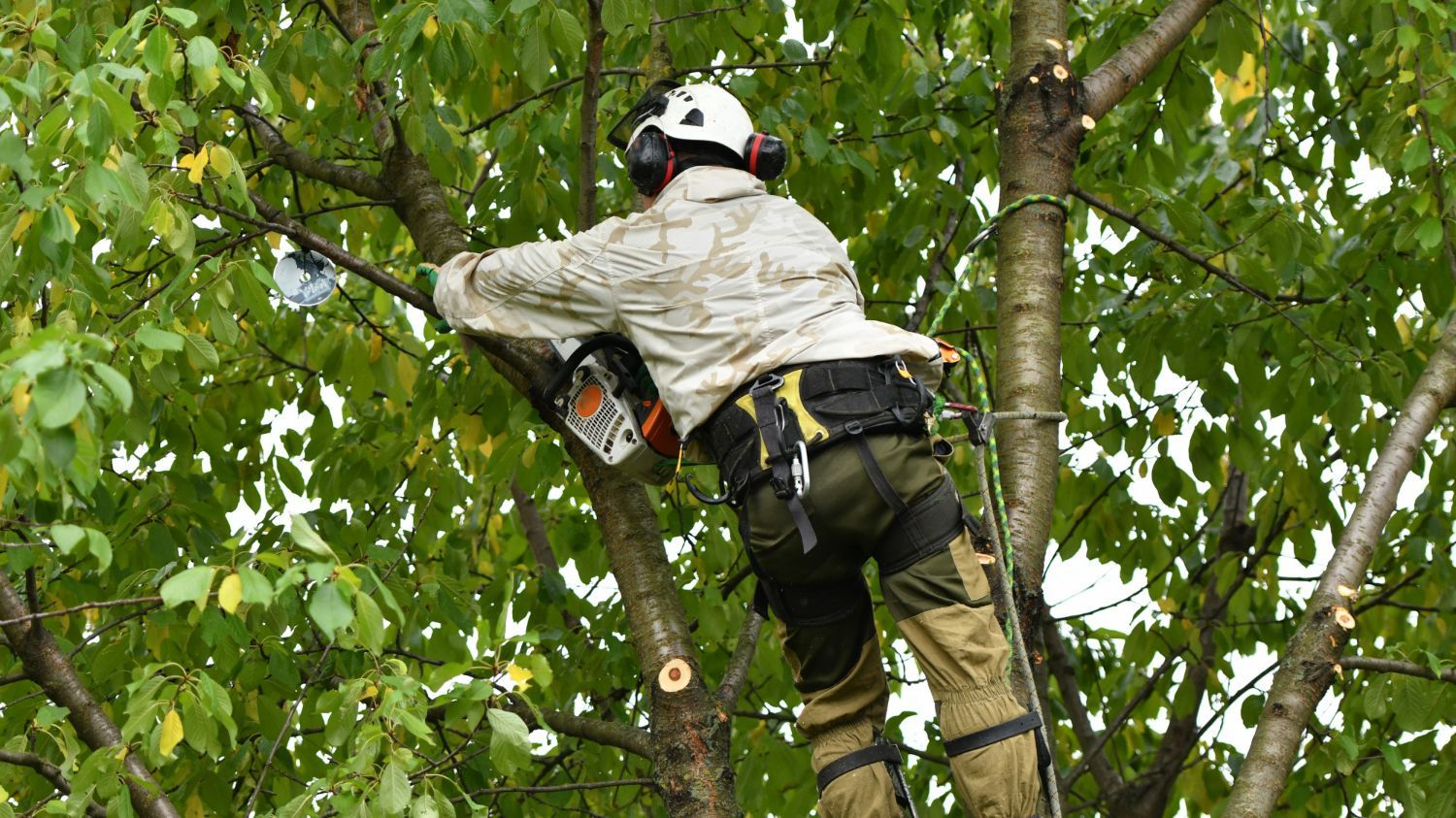
- Proper use of rigging, ropes, and aerial lifts for overhead limbs
- Traffic control in busy parking lots and drive aisles
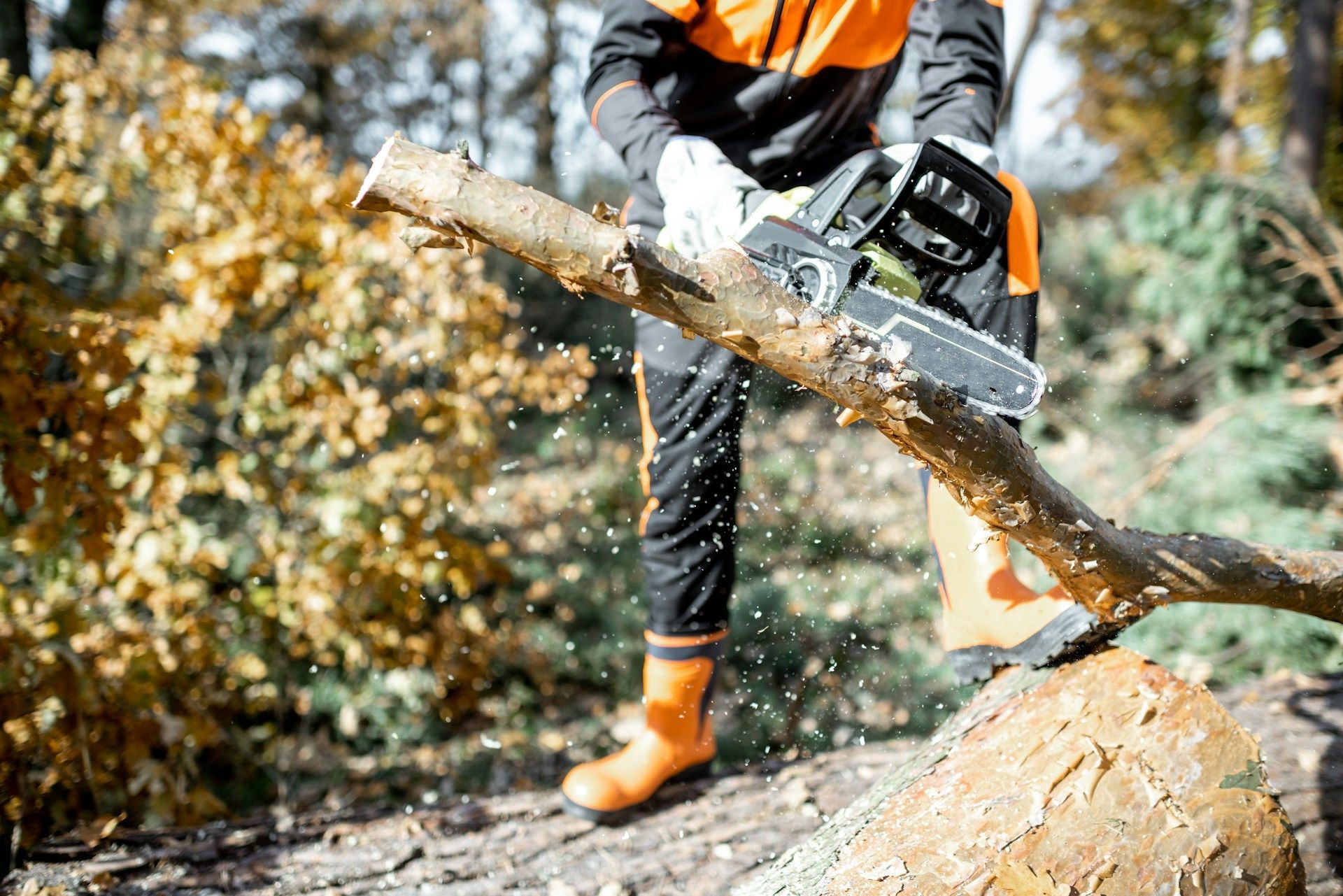
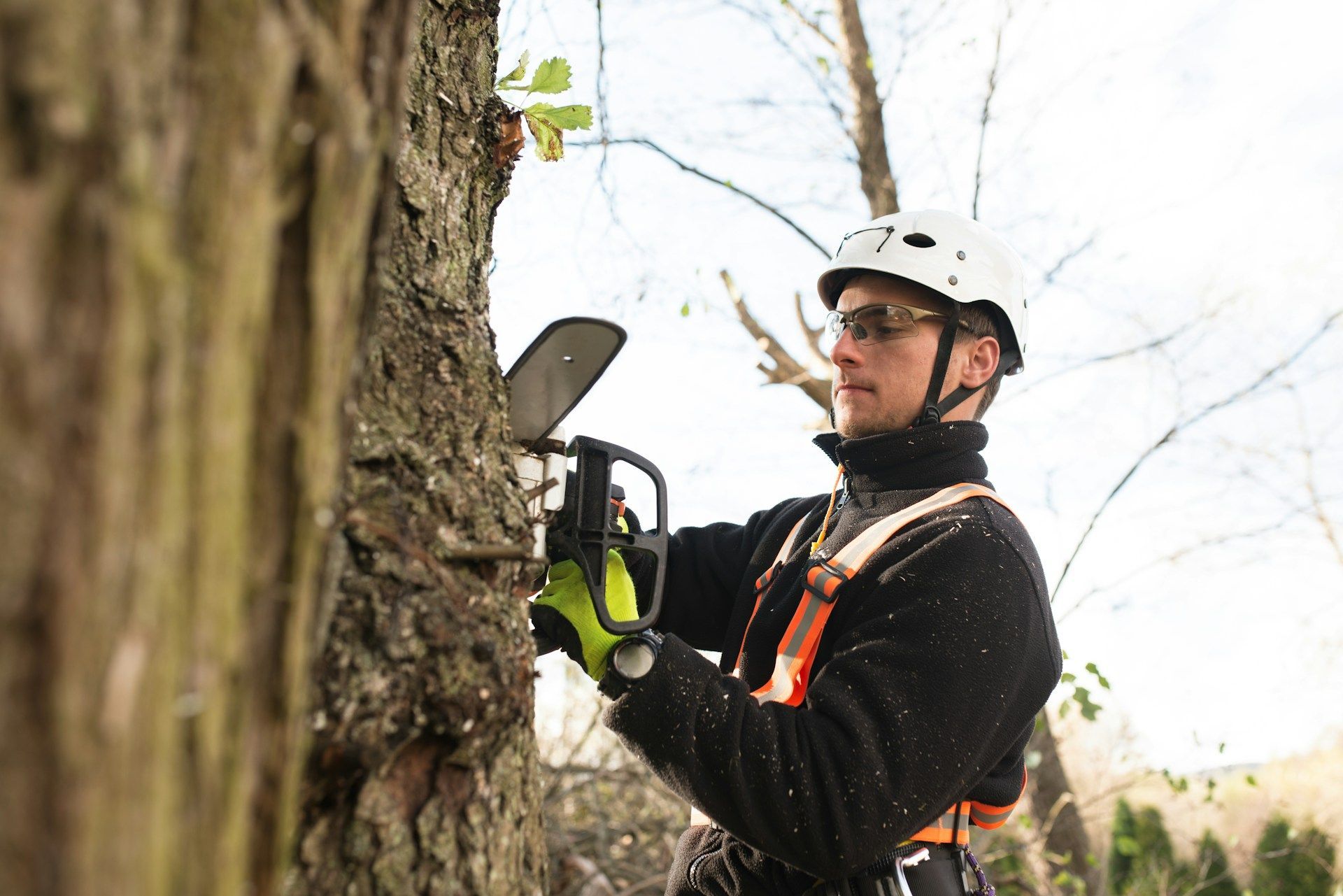
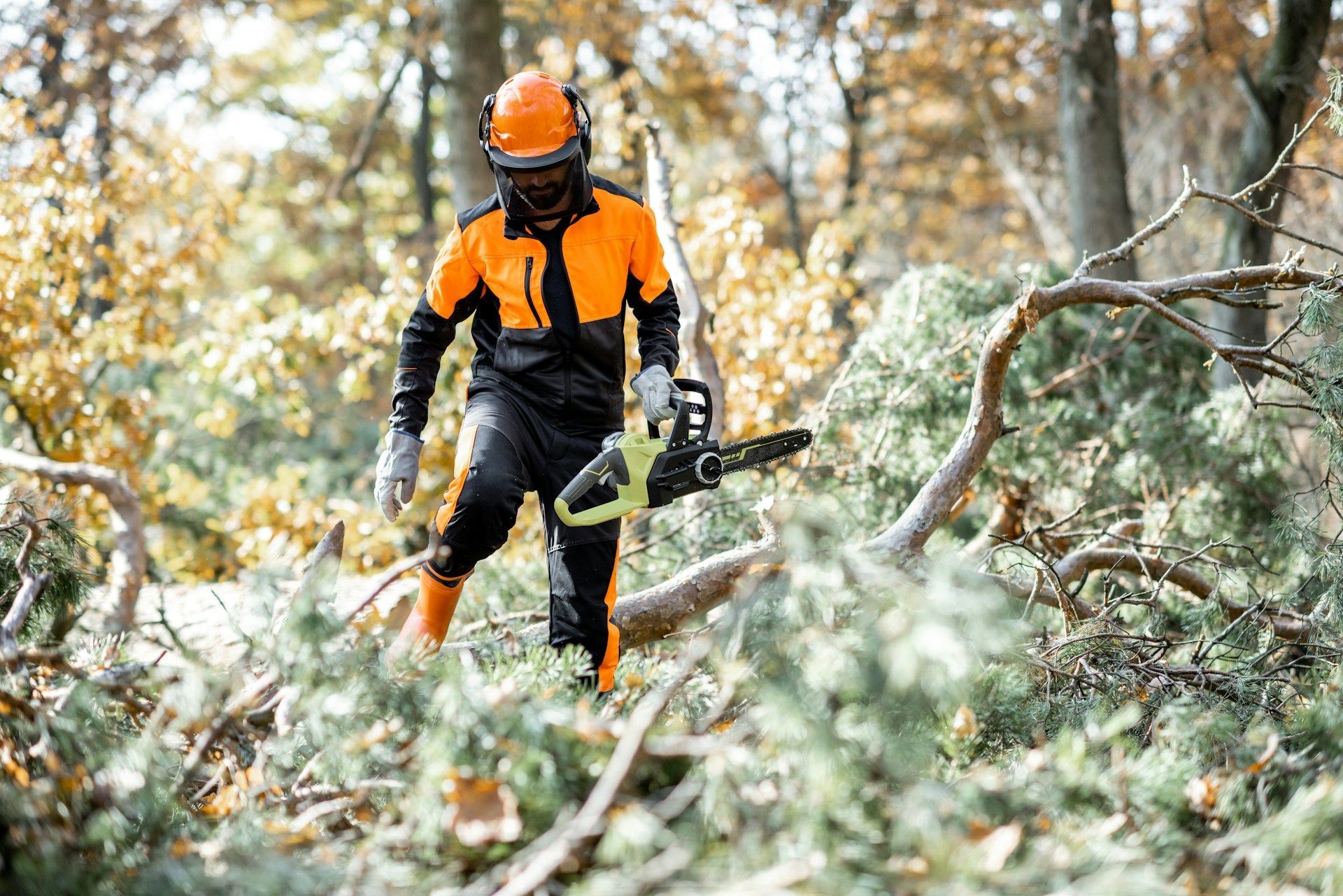
Professional crews use the right personal protective equipment, like helmets, eye and hearing protection, chainsaw chaps, and high-visibility vests. They also follow safe chainsaw and chipper procedures, so the risk stays as low as possible during fast-paced storm work.
When you talk with a storm cleanup provider, you can ask:
- Can you show proof of general liability insurance and workers’ compensation?
- Are your crews trained in OSHA and ANSI Z133 safety practices?
- How much experience do you have with commercial sites and active parking lots?
- Do you have written safety procedures for storm response jobs?
At Teague’s Tree Service, we bring trained crews and commercial-grade equipment that is suited for complex properties, multi-tenant centers, and busy storefronts.
Keeping Parking Lots and Storefronts Open and Safe
After a storm, your goal is simple: open safely, as soon as possible. That starts with smart triage. A professional emergency storm cleanup in San Antonio should focus first on:
- Fire lanes and emergency access routes
- ADA-compliant entrances and ramps
- Main storefront entries and key walkways
- Loading docks and delivery access
Often, we can quickly remove limbs and smaller trees that block drive aisles while we section off tougher problems, like a large tree on a roof or near lines, for more careful work. This helps you reopen parts of the lot even while some areas stay closed.
During cleanup, it helps to set clear temporary traffic patterns. You may:
- Mark safe parking zones away from active work
- Use cones and tape to guide vehicles around blocked areas
- Create simple detours for pedestrians that keep them away from falling zones
- Coordinate with delivery drivers on safe entry and exit paths
Protecting your hardscape, signs, and landscaping matters too. Careful crews use controlled rigging instead of just pushing debris to the ground. We plan equipment paths to avoid tearing up asphalt or crushing curbs, and we can use ground protection mats when needed.
After the emergency work, a follow-up tree assessment near storefronts and parking areas can flag damaged or unstable trees that should be pruned or removed before the next storm.
Communicating with Tenants, Employees, and Customers
Good communication can calm a stressful situation. Right after the storm, send a short update to tenants and staff that covers:
- Which areas are safe to use and which are closed
- Where to park and how to enter the building
- An estimated timeline for the first round of cleanup
It helps to pick one main channel, like email, a tenant portal, or a group text system. This cuts down on repeat questions and gives everyone the same message at the same time.
Set realistic expectations by being honest about what is happening now and what will come later. You might say that emergency tree removal and site securing are already in progress, while full debris cleanup and landscape repair will follow. Sharing the name of the contractor and a bit about their safety focus can build trust that the situation is under control.
For customers, simple public messages work best. Update your website banner, social media, and on-site signs to show:
- Current open hours
- Any temporary entrances or parking changes
- Areas where cleanup is still going on
Keep the tone focused on safety and convenience. Let people know that trained emergency storm cleanup professionals are handling the site so they can feel confident coming back.
Building a Storm-Ready Tree and Business Continuity Plan
The best time to think about storm cleanup is before storm season ramps up. A storm-ready tree and business plan can prevent a lot of damage and stress.
Regular tree risk assessments based on industry standards can spot trouble early, such as:
- Dead or cracked branches over parking and sidewalks
- Decay in trunks near buildings and signs
- Root issues that may lead to leaning or uprooting
- Branches too close to roofs, canopies, and power service lines
Proactive pruning, cabling in some cases, and selective removals can lower the chance of sudden failure in high winds. This does not remove all risk, but it can make storm results far more manageable.
It also helps to write down a simple response checklist for your property. Include:
- Who makes the first calls after a storm
- Which areas get blocked off first
- Where cones, barricades, and temporary signs are stored
- How to document damage and work done
Keep an updated list of utility contacts, preferred contractors, and staff roles so decisions are not made in a rush when everyone is stressed.
When you build a relationship with a local storm-response tree team like Teague’s Tree Service ahead of time, you gain a partner who already knows your site layout and your priorities. That means faster response, smarter triage, and a custom plan that fits single buildings, shopping centers, and multi-tenant properties. With the right prep and the right support, you can protect people, reduce liability, and keep your business moving even after a tough storm.
Protect Your Property With Fast, Reliable Storm Cleanup Help
When severe weather hits, you need a team that can respond quickly and safely. At Teague’s Tree Service, we offer 24/7 emergency storm cleanup in San Antonio to remove hazardous limbs, clear debris, and help prevent further damage. If you are facing urgent tree damage or downed branches, reach out and let our experienced crew secure your property. For non-emergency questions or to schedule service, please contact us.