Insurance & Documentation Checklist After Emergency Tree Removal in San Antonio
Protect Your Claim From Day One After a Tree Emergency
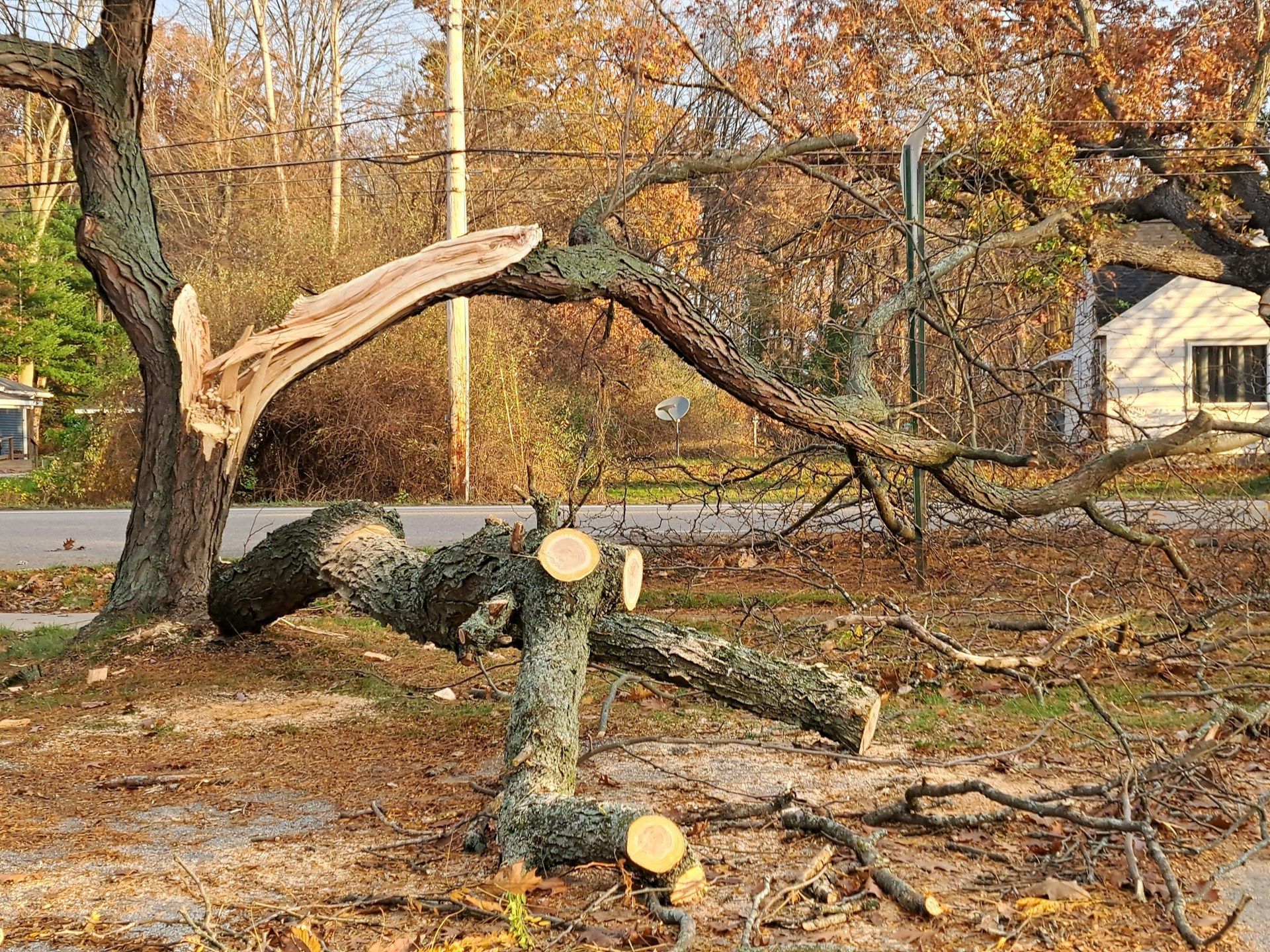
Emergency tree removal in San Antonio usually happens when a storm or strong wind drops a tree or big limb where it should not be. That might be on your roof, across your driveway, against a fence, or leaning into power lines. Any situation where a tree creates an immediate safety risk or blocks access counts as an emergency.
When that happens, homeowners insurance can help, but only if the damage and the cleanup are documented the right way. Clear proof can be the difference between getting most of your costs covered and having your claim reduced or denied. The goal of this guide is to walk through a simple checklist you can follow so your photos, notes, permits, and contractor paperwork all support your claim and help you avoid disputes later.
First 24 Hours: Safety, Photos, and Proof of Damage
The first day after a tree emergency is all about safety and quick action. Before you think about insurance, focus on keeping people out of harm’s way.
Right after the incident, keep your distance from any downed or sagging power lines and call 911 or your utility company if a line is involved. Make sure kids, pets, and neighbors stay away from the damaged area, and shut off main power or water if there is active leaking near utilities.
Once things are as safe as they can be, start building proof for your claim before any cleanup begins. Take clear photos and videos of the scene, including wide shots of your whole property from several angles, the tree or limb and how it landed on the roof, fence, car, or yard, and close-ups of roof holes, broken shingles, gutters, and siding. Also document interior leaks, wet ceilings, and damaged belongings under the impact, along with any blocked driveways or broken gates that limit access.
For “insurance-friendly” photos, think like an adjuster who was not there. Use these tips and quick facts to make your images more useful later:
- Make sure timestamps are turned on in your camera or phone
- Take multiple angles and step farther back than you think you need
- Add simple measurements in at least a few photos, such as a tape measure or your shoe for scale
- Photograph temporary fixes like tarps, buckets, or boards
- Save receipts for tarps, plywood, trash bags, and any other emergency supplies
Try not to move debris until you have a solid set of photos and video. When emergency tree crews arrive, you can also ask them to take a few more shots before and after their work.
Working with Your Insurer and the Claims Adjuster
Once the area is stable and you have basic photos, it is time to involve your insurance company. Do this as soon as it is safe, even if all the damage is not clear yet.
When you call your insurer, it helps to have a few key details ready. Be prepared to describe what happened and when you first noticed the damage, and ask for a claim number and write it down. You should also ask what they want for proof of emergency tree removal in San Antonio and confirm whether they require specific forms, estimates, or permits.
While you wait for an adjuster to visit, gather your information in one place so nothing gets lost. A simple folder or notebook works. Include printed or digital copies of your photos and videos, a short written note with date, time, weather, and any loud cracks or hits you heard, and a damage log that lists each affected area, like “front roof above garage” or “fence on left side yard.”
When the adjuster comes out, keep track of what is said. Write down:
- The adjuster’s name and the date they visited
- Any areas they inspected and any they skipped
- What they said about coverage or limits
- Any promises about follow-up calls or emails
After the visit, sending a short email or letter that sums up the conversation, in your own words, can help avoid disagreements later. It creates a clear record of what was discussed while everything is still fresh.
Permits, City Rules, and San Antonio Tree Protections
In San Antonio and Bexar County, some trees are protected by local rules, especially larger or older ones. Often, these rules focus on planned projects, like building or remodeling, but they can also touch emergency removals. In true emergencies, the city may allow work to be done first as long as code and safety rules are followed and any required documentation is completed.
Permit records can matter later when your claim is reviewed. If a tree was large, near the street, or looked protected, your insurer may want proof that the work followed local rules. Showing that you complied can:
- Reduce delays caused by questions about “was this allowed?”
- Support that the removal was needed for safety, not just looks
- Help show that you did not remove healthy trees just to clear a view
To keep things simple, build a small permit checklist for your claim file and collect the paperwork as it becomes available. This might include:
- Copies of any permits, approvals, or emergency notices
- Emails or letters from San Antonio Development Services or county offices
- Inspection reports, if any city staff visited your property
- Notes of any phone calls about permits, including dates and names
Keep both digital photos of these documents and paper copies with your other claim records.
Contractor Selection, Invoices, and Work Documentation
Choosing the right tree service is another big piece of your claim. In an emergency, it can be tempting to pick the first name you see, but that can cause problems with safety and insurance.
Look for a company that is:
- Licensed and insured for tree work
- Experienced with emergency tree removal in San Antonio
- Familiar with local rules, utilities, and access issues
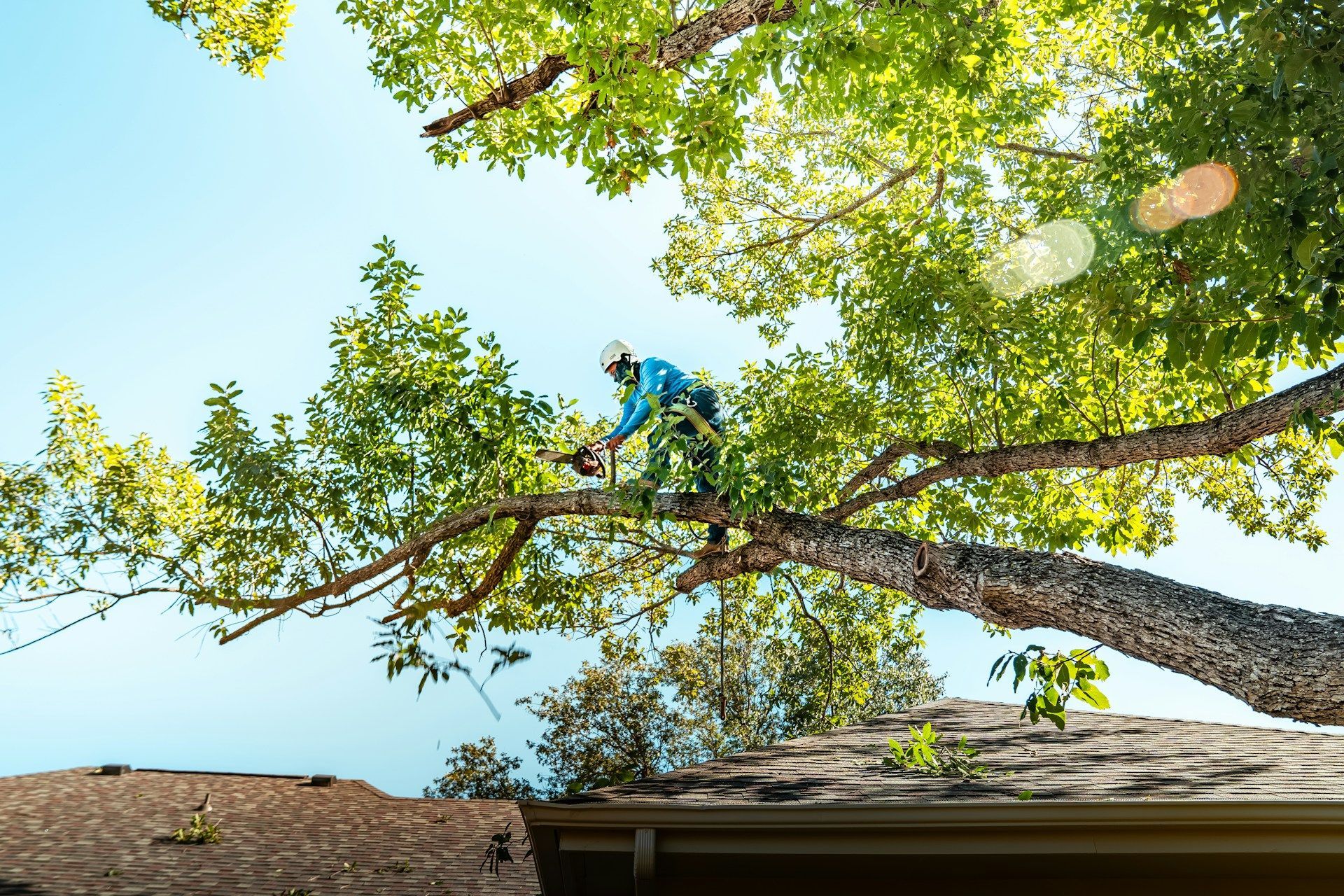
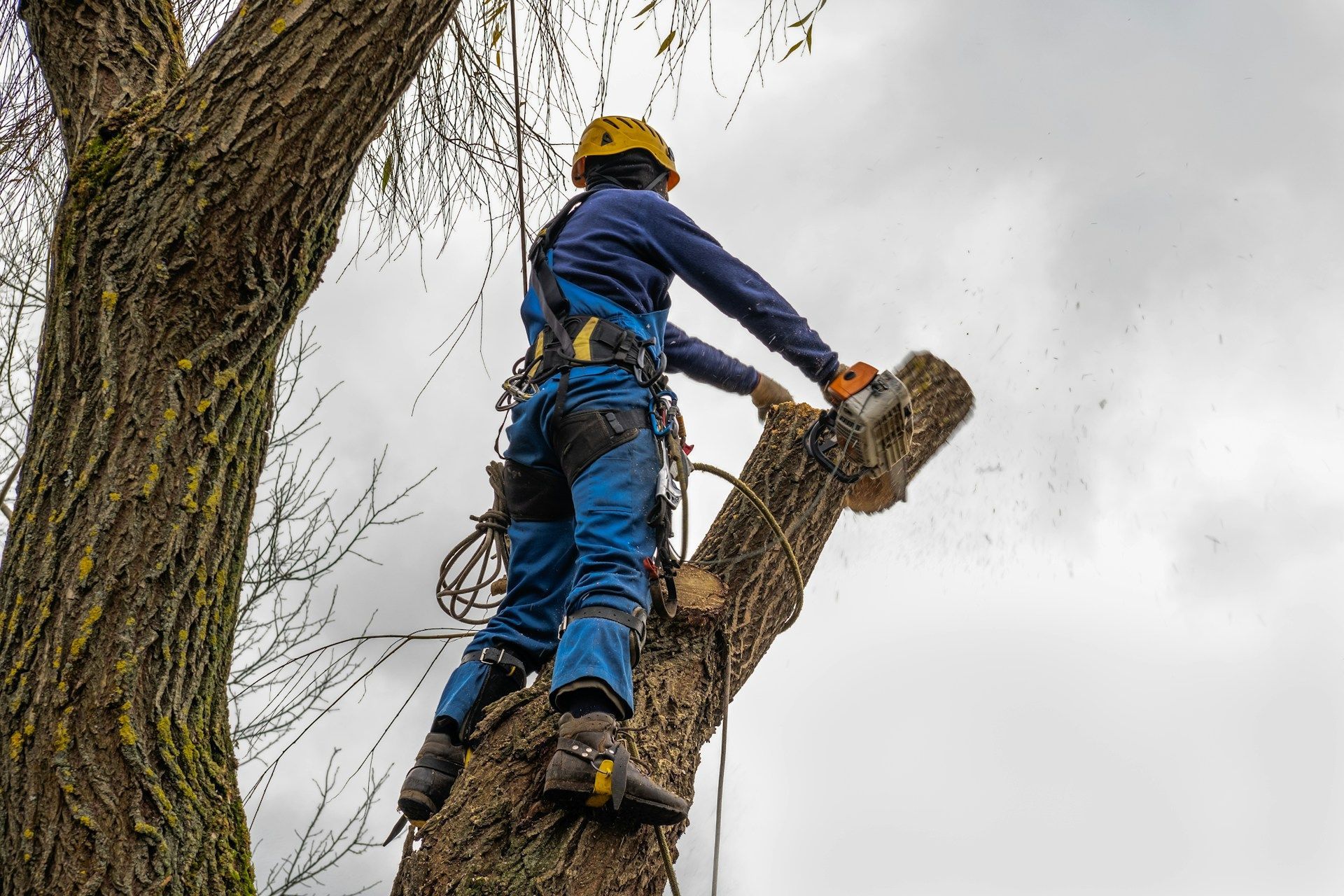
Family-owned companies like Teague’s Tree Service work in this area every day and understand how storms and sudden wind gusts can affect local trees and structures.
For your claim, the invoice should be clear and detailed. Strong invoices usually list:
- Company name and contact details
- Proof or note of insurance and licensing
- Date and time of service, including whether it was after-hours or urgent
- Exact address or area of the property where work was done
- Type of work, such as emergency removal, trimming, demossing, stump grinding, or debris hauling
- Equipment used, such as cranes or specialized saws
- Total labor hours and number of crew members on site
Ask for a full project file from your contractor so your documentation matches what was done on-site and when. This can include:
- A signed service agreement or work authorization
- Before-and-after photos of the damaged area and tree
- Any written safety notes, like “tree leaning into primary power line”
- Copies of permits they pulled, if any
- Proof of payment, such as receipts or transaction confirmations
- Any written follow-up suggestions for other trees that might be at risk
Organizing Your Tree Damage Claim File for Faster Payouts
Once you have all these pieces, the last step is staying organized. A neat claim file can speed things up and cut down on endless back-and-forth messages.
Set up a simple “Tree Damage Claim” folder with subfolders for:
- Photos and videos
- Permits and city or county paperwork
- Contractor estimates, agreements, and invoices
- Adjuster notes and insurance letters or emails
- Receipts for tarps, boards, temporary fence, or other quick fixes
It also helps to write a short timeline in paragraph form so it reads clearly when you (or your insurer) review it later. Include when the storm or tree incident happened, when you first saw the damage, when you called your insurer and got a claim number, when emergency tree removal happened, when the adjuster came to inspect, and any follow-up visits or added work.
When your insurer asks for information, you can send this packet by secure email, through their online portal, or as printed copies. Having everything complete and clearly labeled often means fewer repeat questions and a smoother path to payment.
Take Control of Your Next Storm-Season Tree Emergency
Around the late fall and holiday season, many people in San Antonio are busy with travel, decorations, and guests. At the same time, we still see strong storms and sudden wind that can bring down limbs and whole trees without warning. Planning ahead makes a big difference in how stressful that kind of day will feel.
We encourage homeowners to save their insurance details in an easy-to-find spot, store this documentation checklist, and keep the number of a trusted emergency tree service in their phone. A preventative tree health and risk assessment before the busier storm periods can also help catch weak limbs or problem trees early, reduce the odds of an emergency call, and make any future claim much smoother if a storm still finds a way to cause damage.
Protect Your Property With Fast, Professional Tree Help
When a storm or sudden damage puts your trees at risk, you should not have to wait for help. At Teague’s Tree Service, we are ready around the clock to provide safe, efficient emergency tree removal in San Antonio so you can protect your home and family. Reach out today to discuss your situation, get straightforward guidance, and schedule immediate service. If you prefer, you can also contact us to request a prompt call back.