Warning Signs Your San Antonio Tree Needs a Certified Arborist
Spot Trouble Early to Protect Your San Antonio Trees
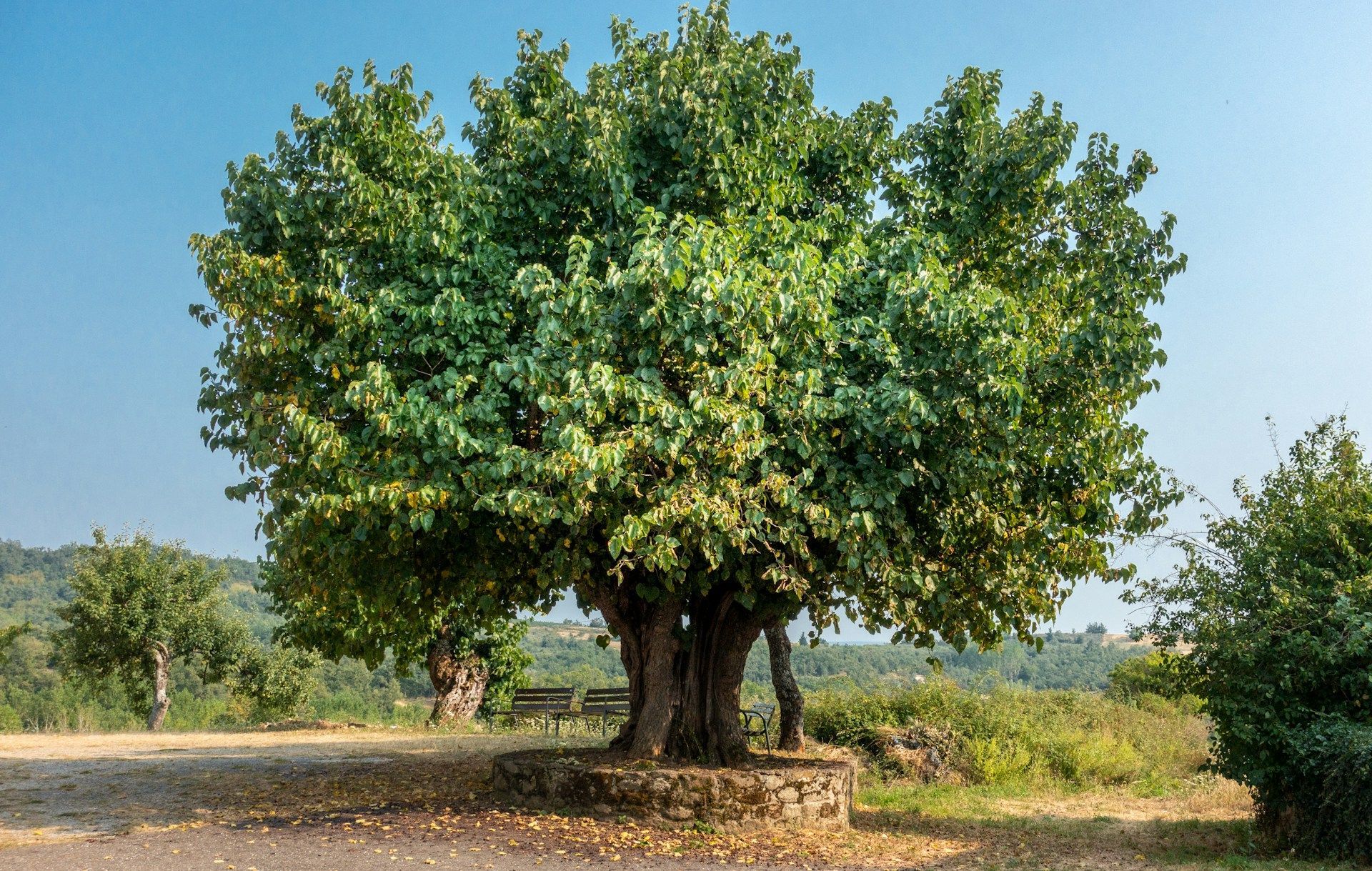
Healthy trees work hard in San Antonio. They shade your house from the brutal sun, cool your yard, and help your property feel calm and welcoming. Strong trees also stand up better to high winds and heavy rain, which keeps your roof, cars, and family safer.
The good news is that trees rarely fail without sending some warning signs first. The hard part is that many of these signs are easy to miss when you see your trees every day. That is where a certified arborist in San Antonio can step in, spot problems early, and keep a small issue from turning into a fallen tree.
In this guide, we will walk through clear warning signs to watch for in your leaves, branches, trunks, and roots. We will also talk about why some do-it-yourself work is risky and how a professional can protect both your trees and your home before fall storm season ramps up.
When Leaves and Branches Signal Distress
Leaves are often the first place trouble shows up. If something feels “off” with your tree’s canopy, it is worth paying attention.
Some foliage red flags include:
- A canopy that suddenly looks thin or “see-through”
- Early fall color or leaf drop starting well before other trees in your area
- Leaves that are much smaller than past years
- Yellowing, browning, spotting, or curling leaves, especially on only one part of the tree
- Branches that stay bare on one side all season
When one side of the tree has healthy leaves and the other side looks weak or bare, that can point to problems with roots, soil, or even internal decay. In our climate, where heat and drought already stress trees, those signs matter.
Branches and twigs also send clear messages:
- Dead or brittle limbs that snap easily
- Limbs hanging over roofs, driveways, or play areas with no healthy leaves
- Lots of twig dieback at the tips of branches
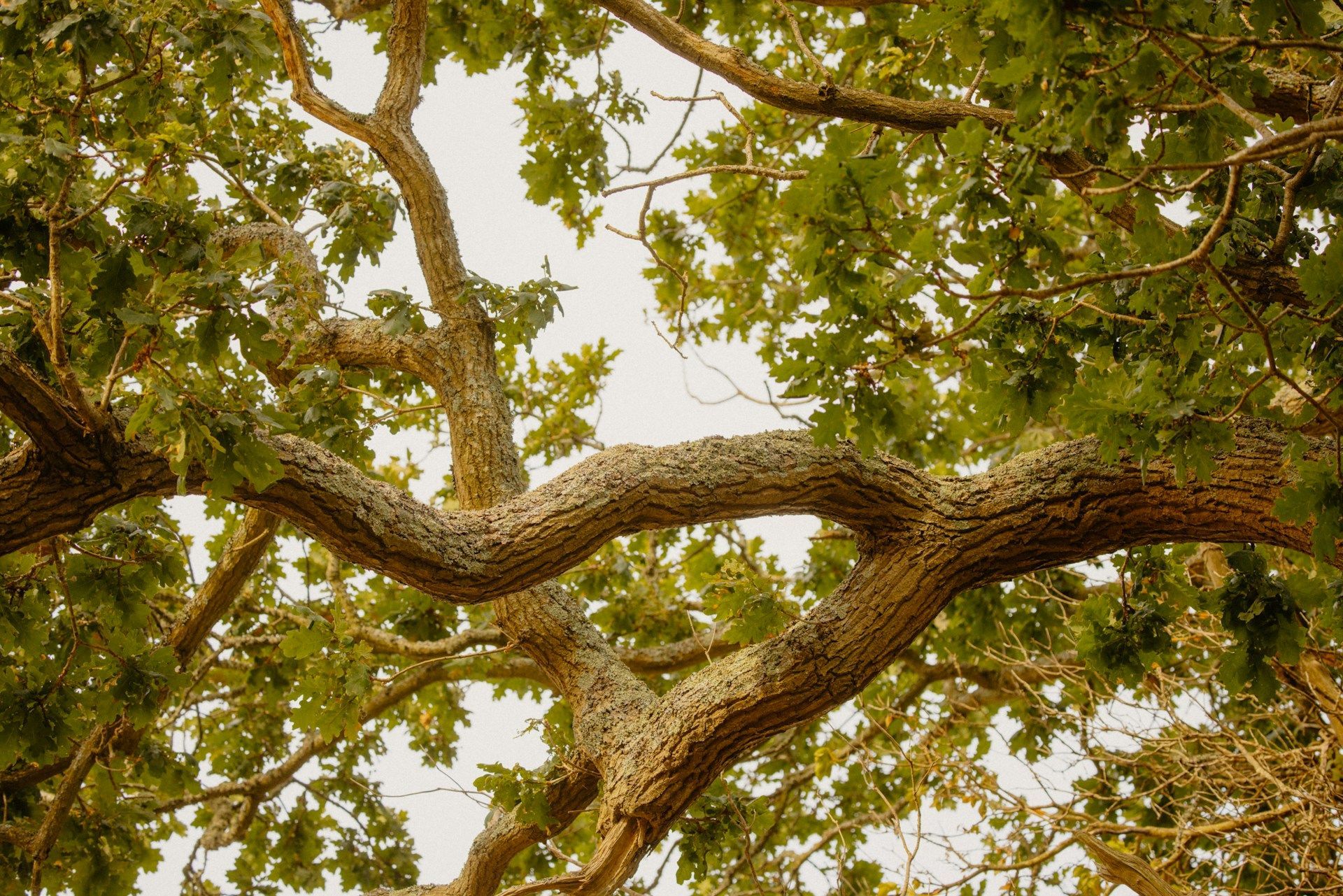
- Branches that cross and rub against each other, scraping off bark
These issues can lead to weak spots, hidden rot, and sudden limb breaks. Pruning at the wrong time or in the wrong way can make it worse, which is one reason DIY trimming is risky.
A certified arborist in San Antonio is trained to tell normal seasonal change from warning signs of disease or decline. We use simple tests, like careful pruning cuts, moisture checks, or taking small samples, to see what is happening inside the tree. That way, we can choose the right plan before damage spreads.
Cracks, Leaning, and Trunk Damage You Should Not Ignore
The trunk is the main support of the tree, so any change there deserves quick attention. After strong summer storms, it pays to walk your yard and take a slow look at each trunk.
Watch for structural warning signs like:
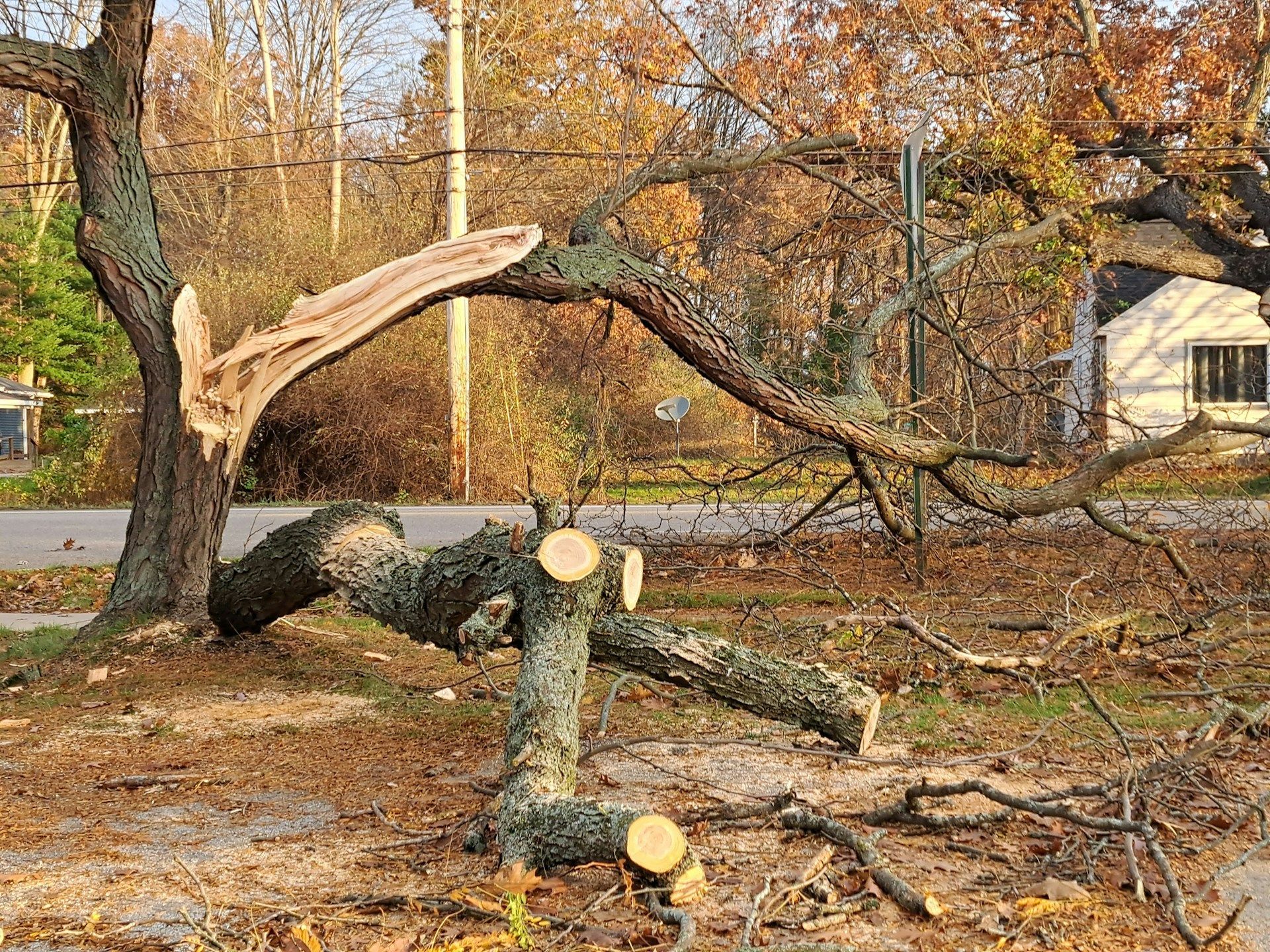
- New cracks or splits in the trunk or larger limbs
- Cracks that seem to be getting wider over time
- Deep cavities or holes in the trunk
- Large areas of missing or peeling bark
- Mushrooms or fungal growth on the trunk or at the base
- Oozing sap or dark, wet-looking streaks
These signs often point to hidden decay inside the wood. A tree with internal rot can look fine on the outside until it suddenly fails in a storm.
Leaning trees and root issues are just as serious. Some trees have a natural lean that has not changed for years. That is usually less concerning than a lean that shows up quickly or seems to be getting worse. After heavy rain or wind, look around the base of leaning trees for:
- Soil that is heaving or pulling away from the roots
- Cracked ground on one side of the trunk
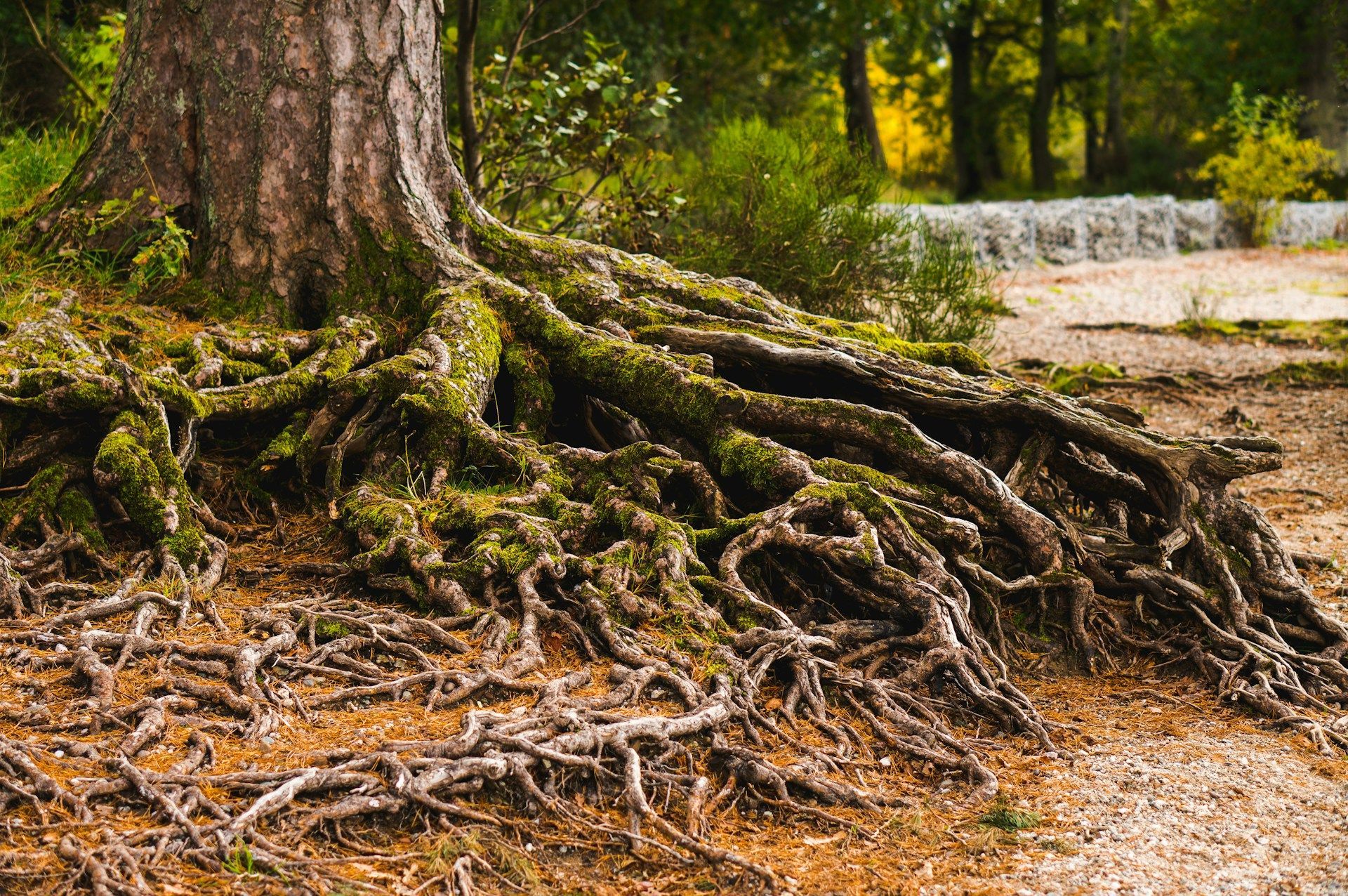
- Roots that are newly exposed or broken
Roots that have been cut for construction, driveways, sidewalks, or new landscaping can also weaken the tree’s grip in the soil. Since you cannot see most of the root system, it is easy to underestimate the risk.
A certified arborist will look at the whole picture: trunk, crown, roots, and nearby targets like homes, fences, and power lines. Depending on what we find, we might recommend support systems such as cabling and bracing, careful pruning to reduce weight and wind load, soil and root care, or, if the risk is too high, safe removal.
Pests, Disease, and Heat Stress in San Antonio Yards
Our warm, often dry climate puts trees under steady stress. That stress makes them easier targets for pests and disease that thrive in the heat.
Common problems include:
- Boring insects that leave tiny holes and sawdust-like frass
- Scale insects and aphids that suck sap from leaves and twigs
- Fungal and bacterial diseases that cause spotting, wilting, or cankers on branches
These issues are often subtle. You might only notice that one section of the tree looks dull or thin. Some signs homeowners often miss are:
- Small exit holes and fine sawdust on the trunk or at the base
- Sticky residue on leaves, patio furniture, or cars parked under trees
- Black, sooty mold growing on that sticky film
- Webbing in the canopy or between branches
- One limb that suddenly wilts while the rest of the tree seems fine
Heat and drought stress make all of this worse. A thirsty tree cannot fight off bugs or heal from disease as well as a healthy, well-cared-for tree.
A certified arborist in San Antonio looks closely at these patterns and symptoms to identify the exact pest or disease. That matters, because different problems need different treatments. Spraying random chemicals can harm good insects, damage nearby plants, and still not fix the real issue. We focus on targeted options and long-term prevention, including smart watering habits, proper mulching, and seasonal inspections timed to our local climate.
Seasonal San Antonio Warning Signs Before Fall Storms
As we head into fall, many families are focused on school schedules, sports, and upcoming holidays. It is also a smart time to pay attention to how your trees are handling the long stretch of summer heat.
Late-summer and early-fall stress can show up as:
- Branches dropping after normal winds or mild storms
- Leaf scorch, where leaf tips and edges turn brown and crispy
- Leaves curling or folding to protect themselves from sun and heat
- Oaks, pecans, and other favorites showing uneven color or sudden limb dieback
These warning signs often show that the tree is already weak. When stronger storms hit later in the season, weak trees are more likely to snap or uproot.
It is also helpful to do a quick pre-storm safety check around your home or business. Take note of:
- Long, overextended limbs hanging over roofs, patios, or parking areas
- Trees planted close to structures that seem too large for their space now
- Older trees that have not been professionally trimmed in many years
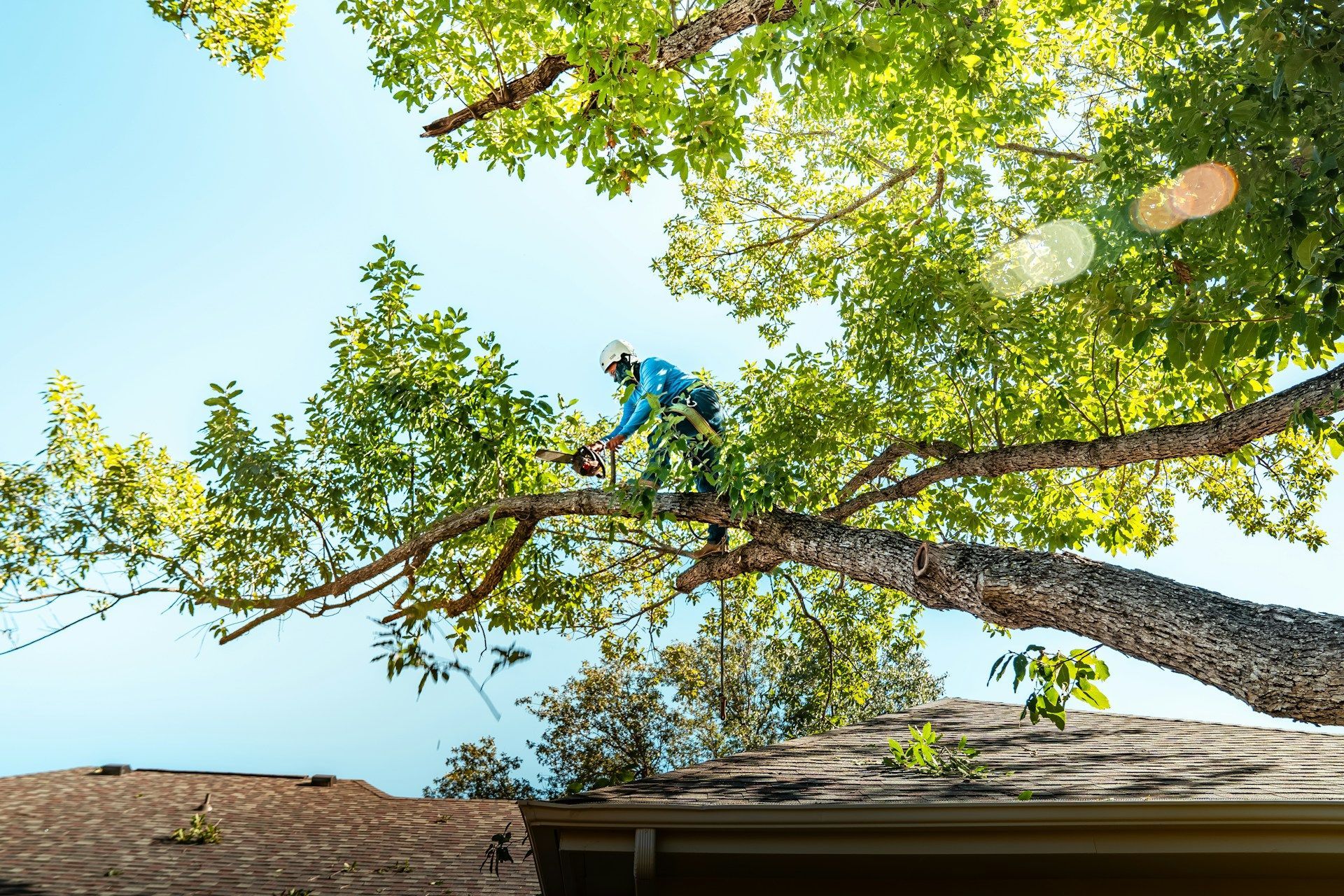
A local arborist can prepare your trees for rough weather by reducing wind resistance through strategic pruning and removing hazardous limbs while still protecting the tree’s health and shape. With a thoughtful care plan and regular checkups, your trees have a much better chance of standing strong through future seasons.
Call in a Pro Before a Small Problem Becomes an Emergency
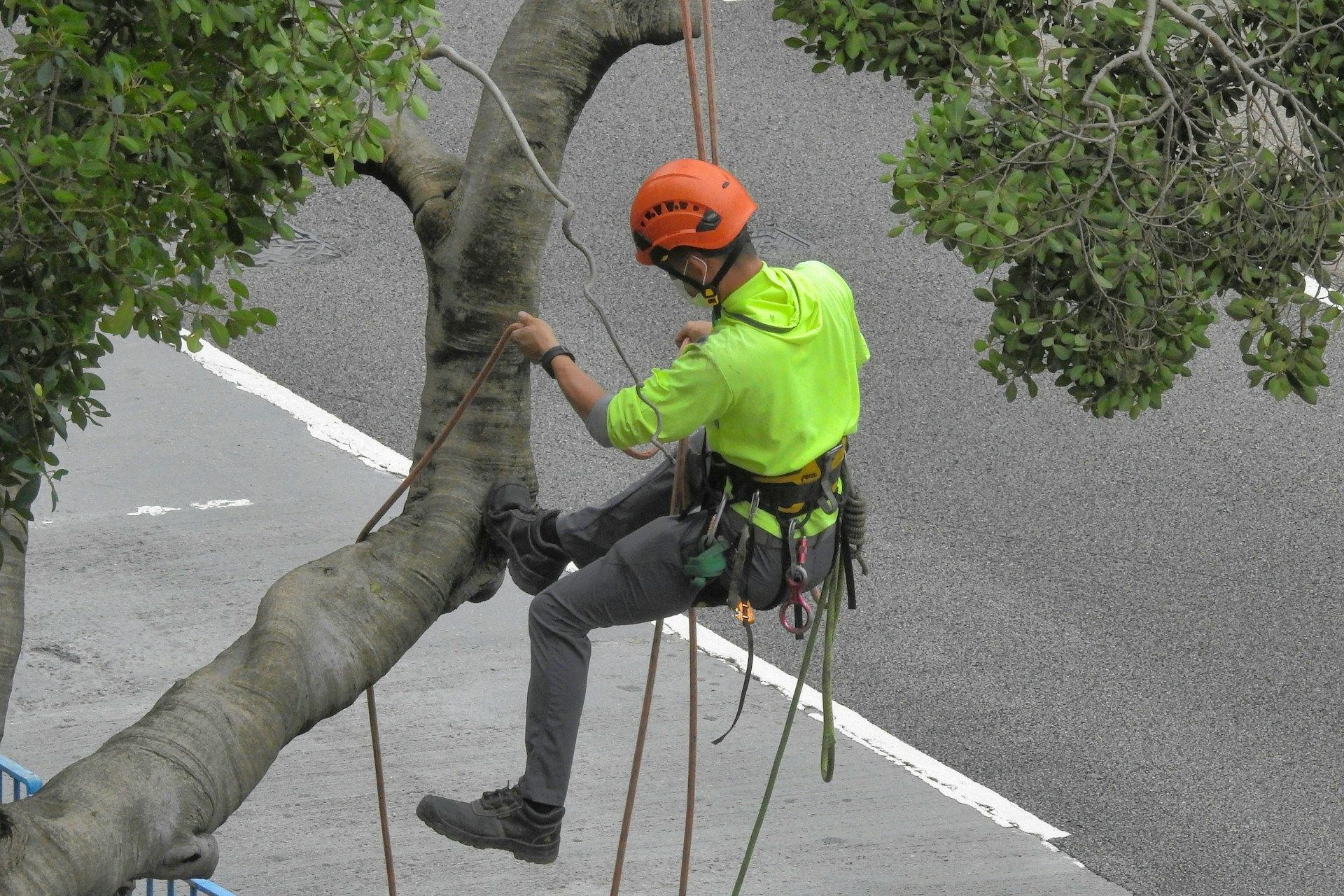
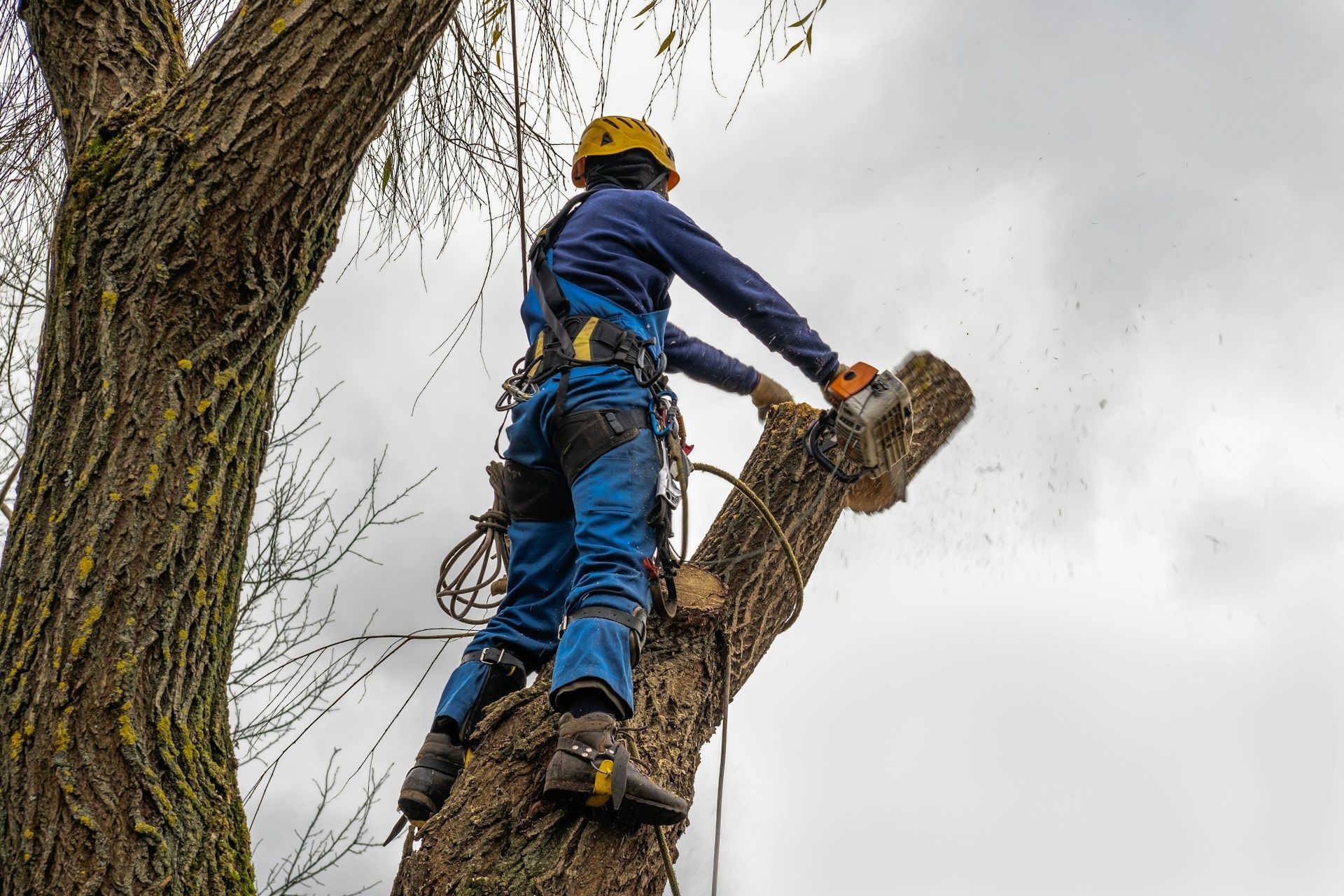
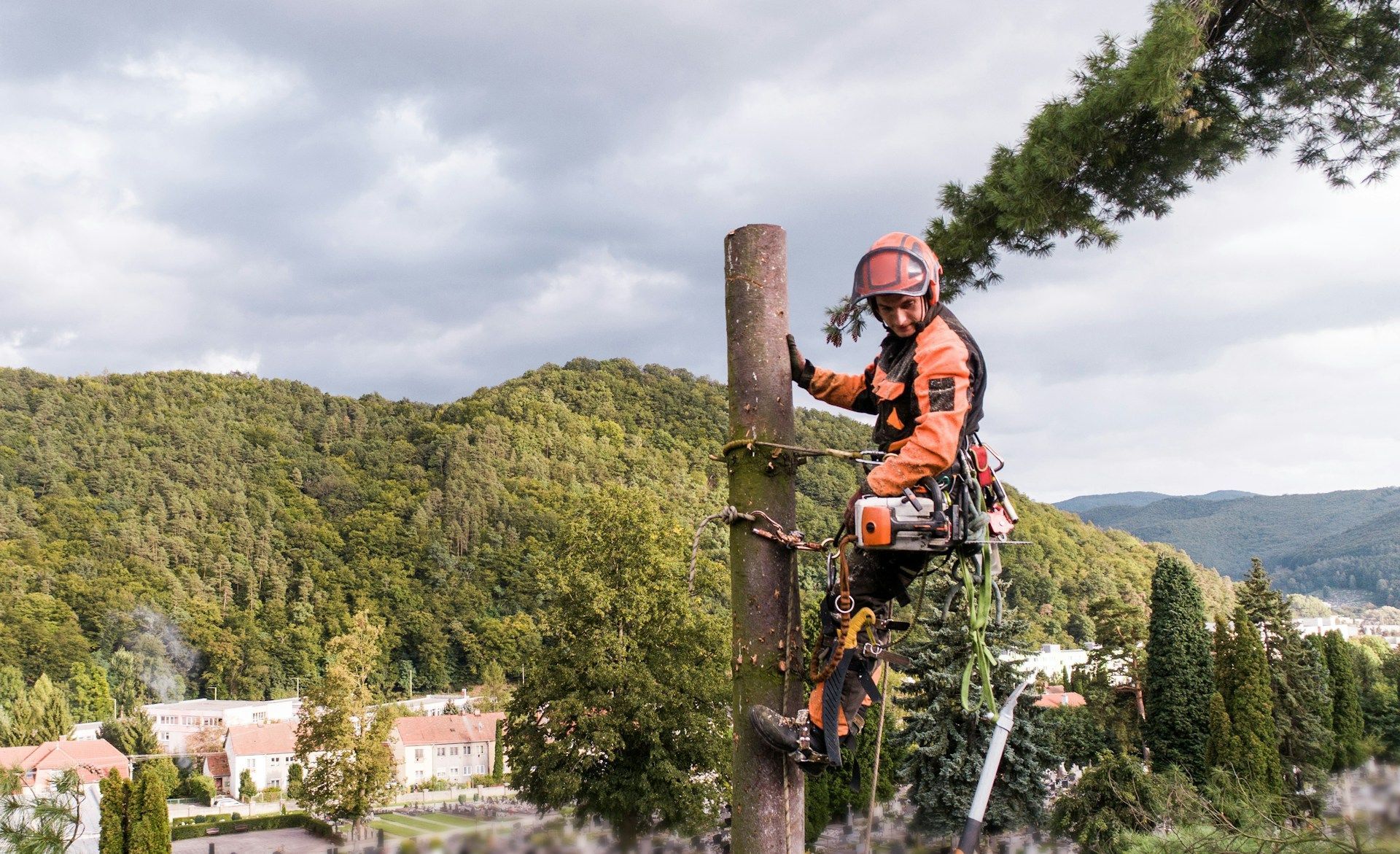
Some tree work is simply not safe for property owners to take on. You should pause and call a professional if you see:
- Large dead limbs high in the canopy
- Trees near or under power lines
- Trees that have taken storm damage, like hanging branches or split trunks
- Clear signs of serious decay, cavities, or a new lean
Ignoring these “minor” issues can lead to middle-of-the-night emergencies, property damage, and stressful cleanup. When you work with a fully insured, family-owned tree company that knows San Antonio neighborhoods and tree species, you get peace of mind along with safer, healthier trees.
During a visit, a certified arborist will walk your property, look up into the canopy, examine the trunk and root zone, and ask about past work, watering habits, and any changes you have noticed. From there, you might receive recommendations such as careful pruning, fertilization, soil improvement, pest and disease treatment, or, if needed, removal of a tree that poses a serious risk. Regular maintenance visits can extend the life of your trees, keep your property safer, and help your landscape look its best year-round.
Get Started With Your Project Today
If you are ready to make a plan for healthier, safer trees, our team at Teague’s Tree Service is here to help. Schedule an evaluation with a
Certified arborist in San Antonio so we can assess your trees and recommend the right solutions for your property. We will answer your questions, explain your options, and provide a clear estimate before any work begins. To book an appointment or request more information, simply
contact us today.