Common San Antonio Tree Service Myths That Risk Your Yard
Stop Believing Tree Myths That Hurt Your Yard
Healthy trees do not happen by accident. They need the right care at the right time, especially in a place like San Antonio where late summer heat hangs on well into fall. This is when many yards are already stressed from long dry spells, surprise storms, and hard sun.
A lot of well-meaning homeowners follow tree tips they heard from a neighbor or saw online. Some of those tips are actually myths. They can dry out roots, weaken branches, and turn a strong tree into a safety risk. As a family-owned tree service in San Antonio, TX, we have seen these myths damage yards across the area.
We want to clear up some of the worst myths before they hurt your trees anymore. Below, we walk through common local beliefs about watering, trimming, topping, and tree removal, explain what is really true, and share how you can protect your landscape as we move through fall and into the next storm season.
Myth 1: “San Antonio Trees Don’t Need Much Water”
This myth sticks around for a few reasons. Many yards have native or drought-tolerant trees. Water limits are common. People also think big, mature trees can just take care of themselves.
But long, hot summers and early fall heat are hard on every tree. Dry soil can:
- Compact around the roots
- Cause early leaf drop and thin canopies
- Open the door for pests and diseases
- Lead to dead branches that break in storms
Deep, slow watering is almost always better than quick, shallow watering. For many trees, that means:
- Watering less often, but soaking the root zone each time
- Focusing on the area under the outer edge of the canopy, not just the trunk
- Watering early in the morning so less water is lost to the sun
Different soils and tree species may need different routines. A professional tree service in San Antonio, TX, can check your soil moisture, suggest better watering habits, and look for early signs of drought stress while there is still time to help the tree recover.
Myth 2: “Topping Is the Fastest Way to Control Trees”
Topping means cutting big branches back to stubs. It might look like a quick way to shrink a tall tree, clear lines, or get ready for storm season. At first, the tree looks smaller and “safer,” so the myth makes sense on the surface.
The problem is what happens next. Topping:
- Forces weak, fast-growing sprouts that break easily
- Leaves large cuts that invite decay and pests
- Exposes bark to sudden sun, which can burn and crack it
- Makes the tree look rough and unnatural, which can hurt curb appeal
The tree often ends up more dangerous than before. New sprouts grow in tight clusters, with weak attachment points. In a strong wind, those can snap and fall.
Safer options include crown reduction and structural pruning. With these methods, we:
- Shorten or remove select branches back to healthy side branches
- Keep the natural shape of the tree
- Help balance weight and reduce the chance of failure in a storm
A licensed, insured tree company will follow proper pruning standards instead of topping. That way you get a tree that is both safer and healthier as we head into the season of gusty days and strong storms.
Myth 3: “Tree Trimming Is Only for Spring”
Another common belief is that you should only trim trees in the spring. Spring can be a fine time for some work, but it is not the only choice, and it is not always the best one.
In San Antonio, many trees do well with trimming in late summer and early fall. By this point in the year:
- Heat and dry spells have shown which limbs are weak or dead
- Problem branches are easier to spot and remove
- Trees can be shaped to better handle fall winds and stormy days
There is one big timing myth we hear a lot: “You can trim any tree at any time.” That is not true either. Oaks, for example, need special care. They should be pruned at certain times and the wounds treated carefully to lower the risk of oak wilt spreading.
Other types of trees do not have that same risk, so they can be trimmed more freely in early fall. The best plan is a regular tree health check once or twice a year. A local tree service in San Antonio, TX, can look at each species in your yard and create a trimming schedule that fits the tree and your property.
Myth 4: “Any Handyman Can Remove a Tree Safely”
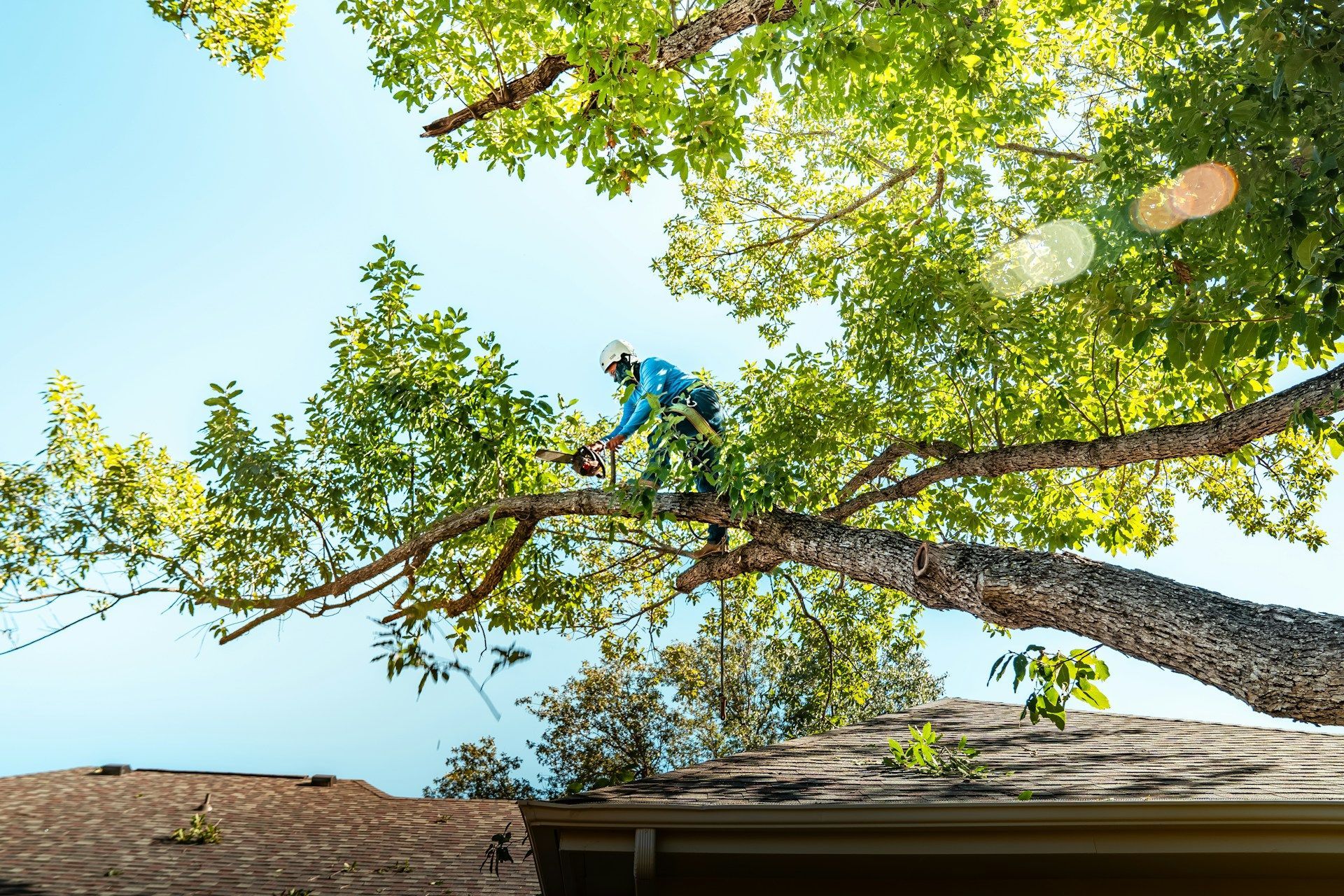
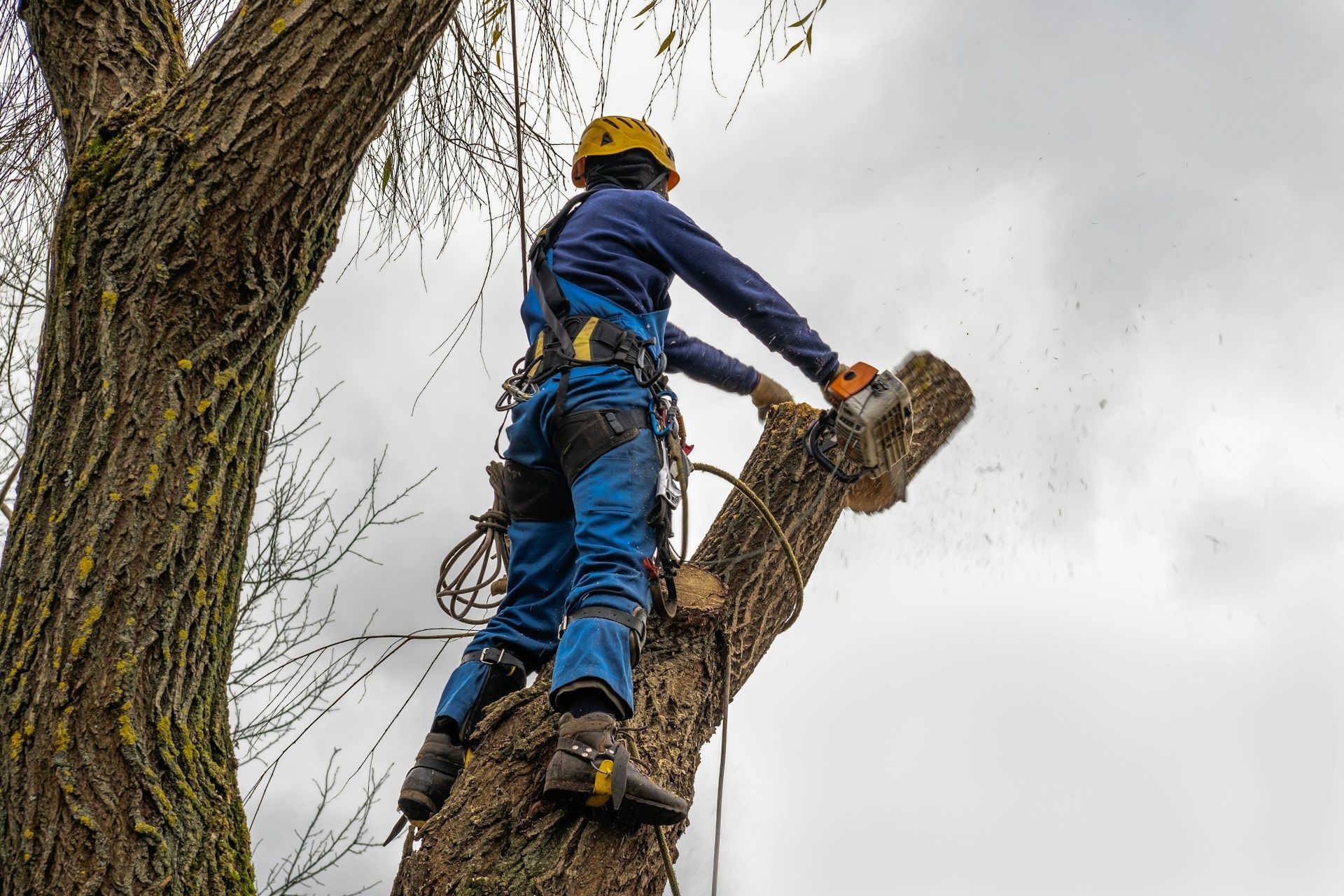
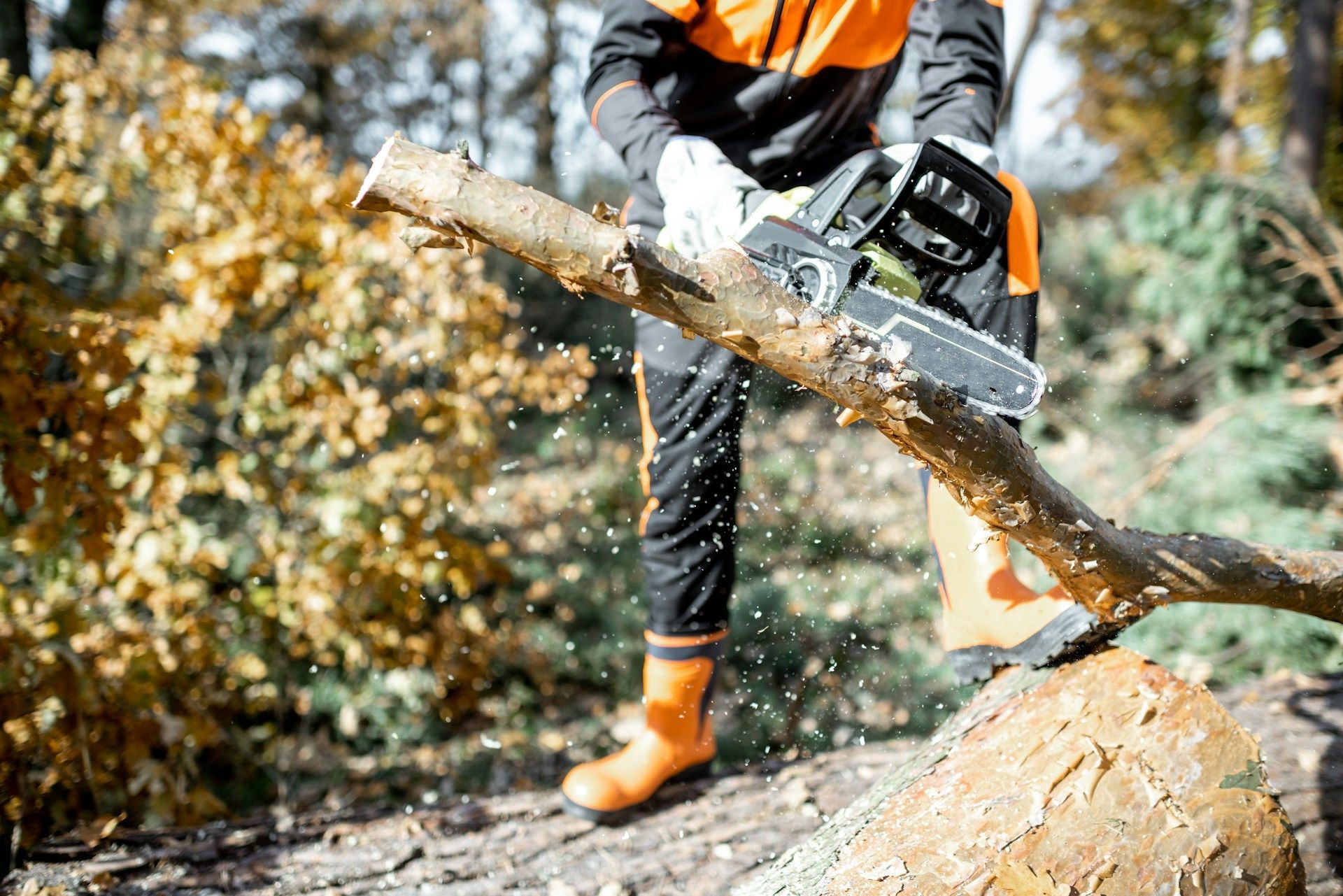
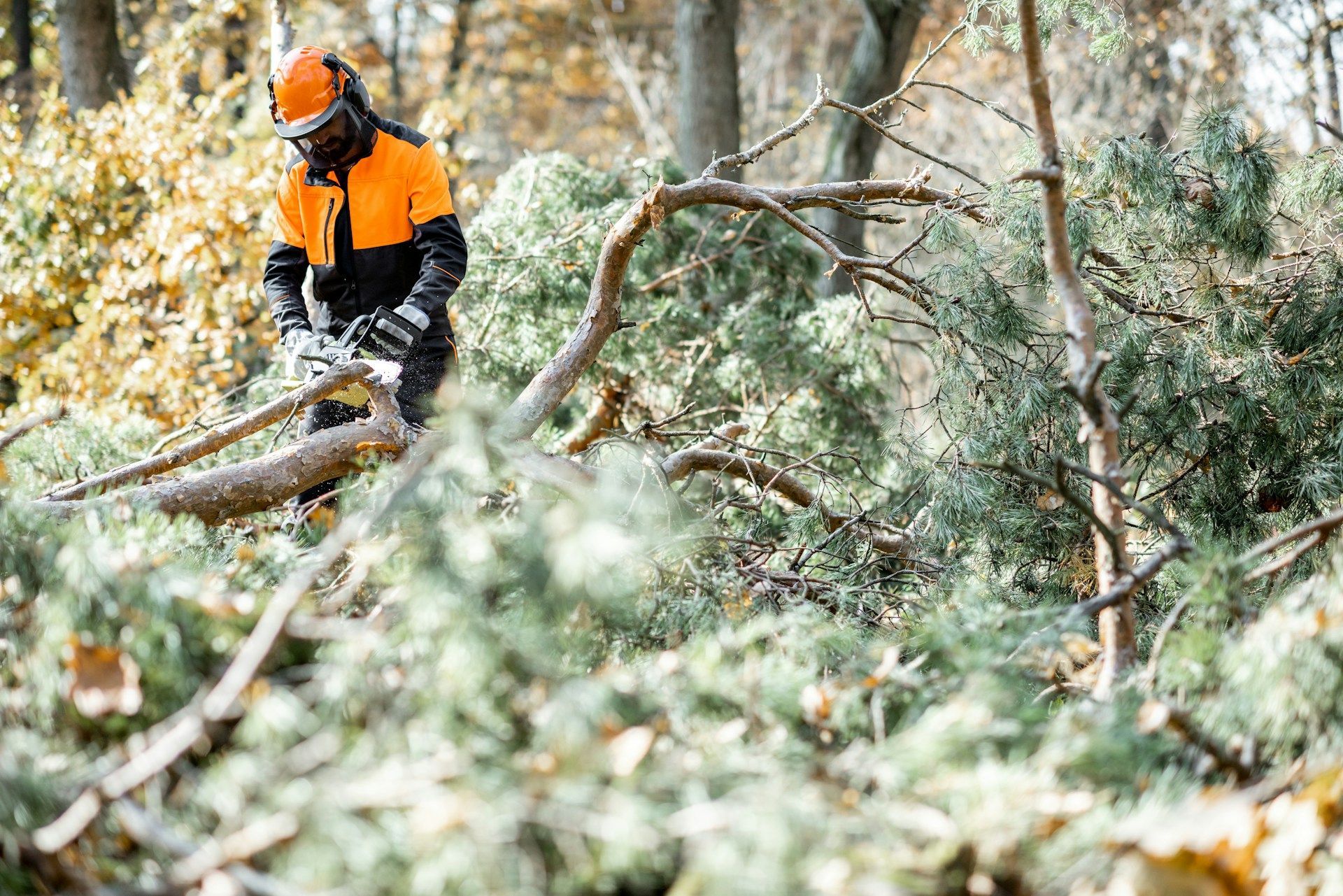
Tree removal sounds simple until something goes wrong. Cutting down a tree and grinding the stump involves heavy tools, falling wood, and often tight spaces between homes, fences, and streets. In many San Antonio neighborhoods, there are also buried lines and nearby structures to think about.
DIY work or hiring someone without the right experience can lead to:
- Trees falling in the wrong direction
- Damage to roofs, fences, sheds, or vehicles
- Injuries from chainsaws, ladders, or falling limbs
- Stumps and roots left to sprout again or rot below the surface
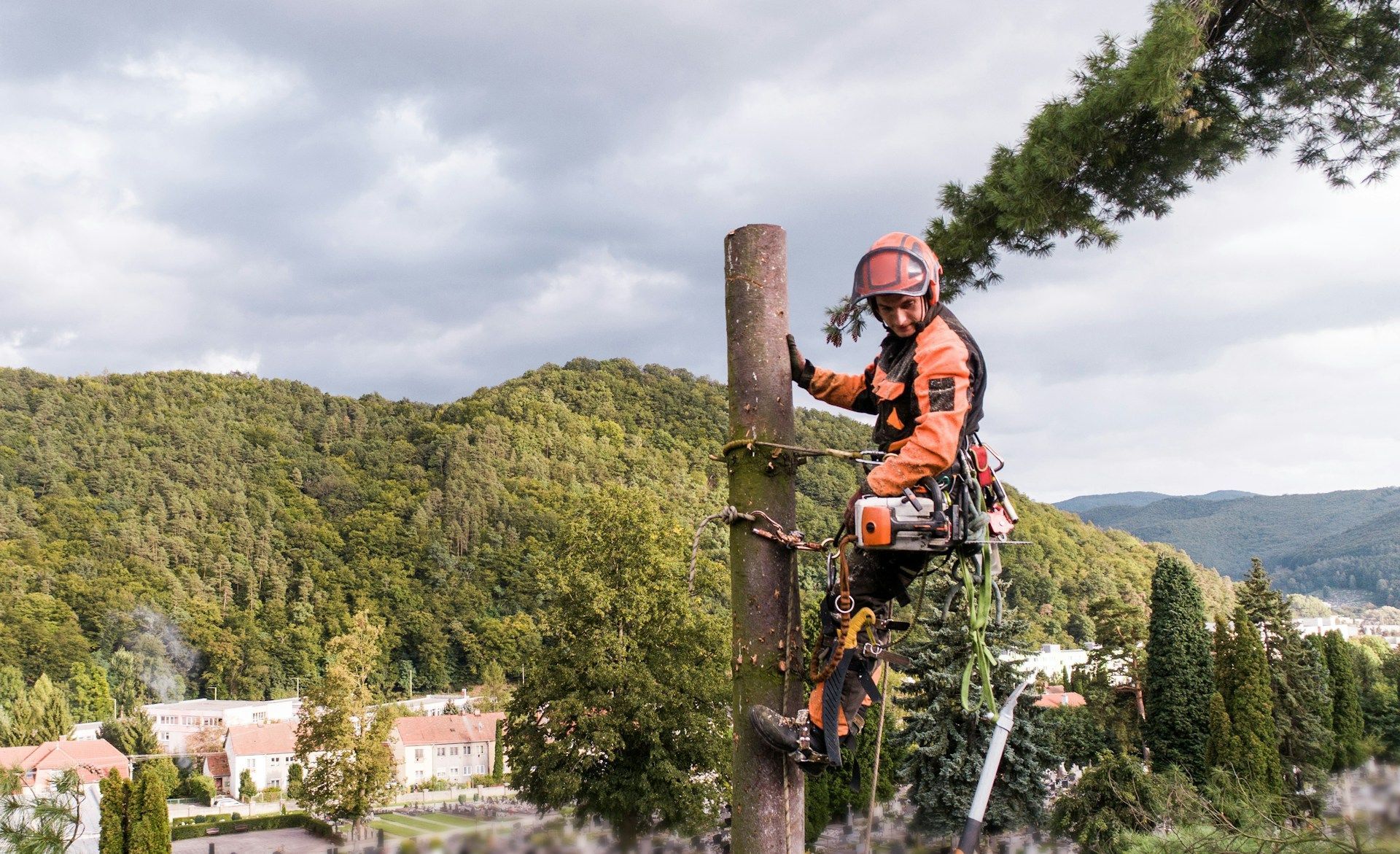
Professional tree removal is planned step by step. A quality company will:
- Be licensed and insured
- Know when permits or permissions are needed
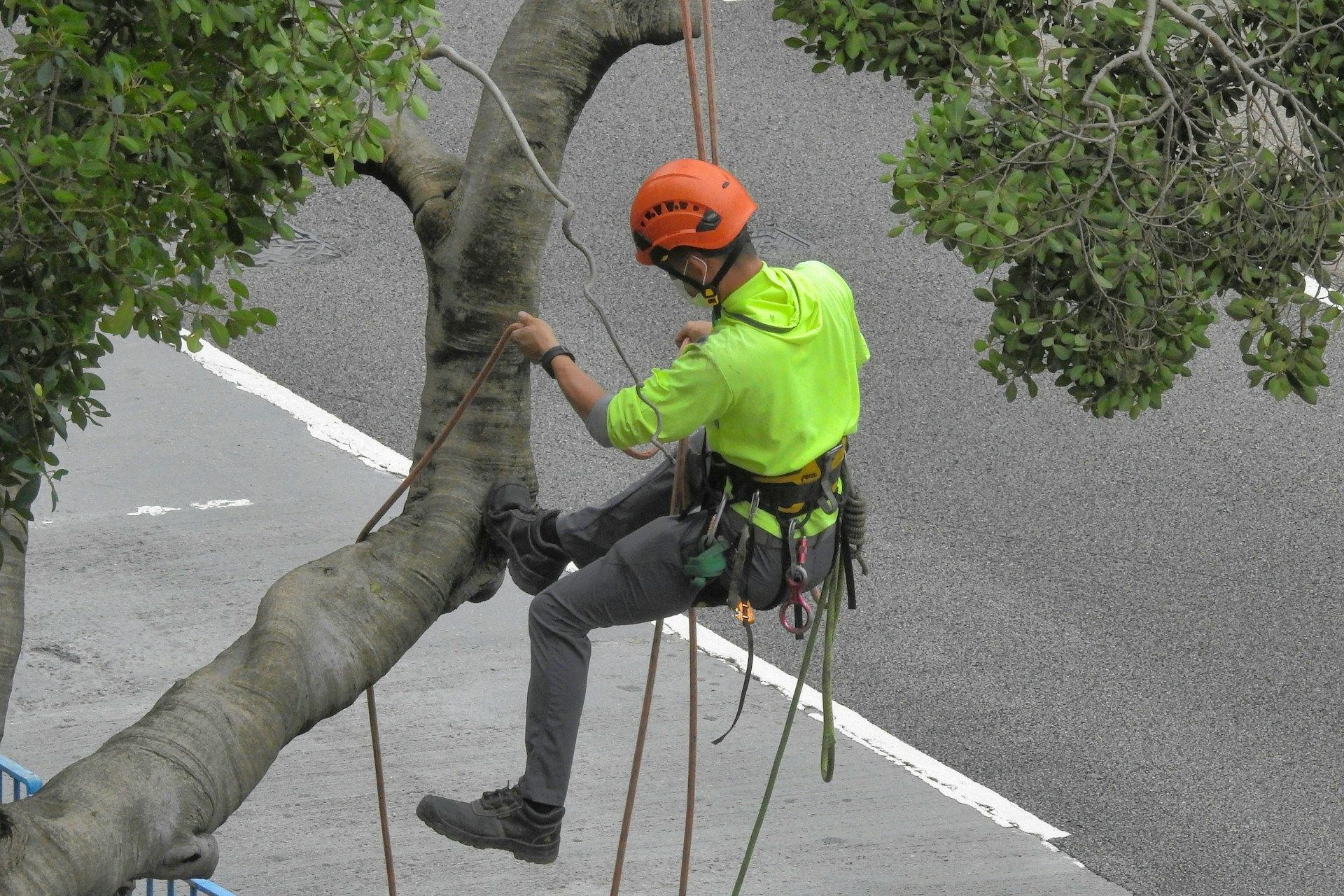
- Use proper ropes, rigging, and protective gear
- Have a clear plan for hauling brush, logs, and grinding the stump
Before you let anyone start cutting, ask for proof of insurance, local references, a written estimate, and how they handle cleanup. A family-owned company that does this work every day will treat your property with care and focus on safety from start to finish.
Myth 5: “If a Tree Looks Fine, It’s Completely Healthy”
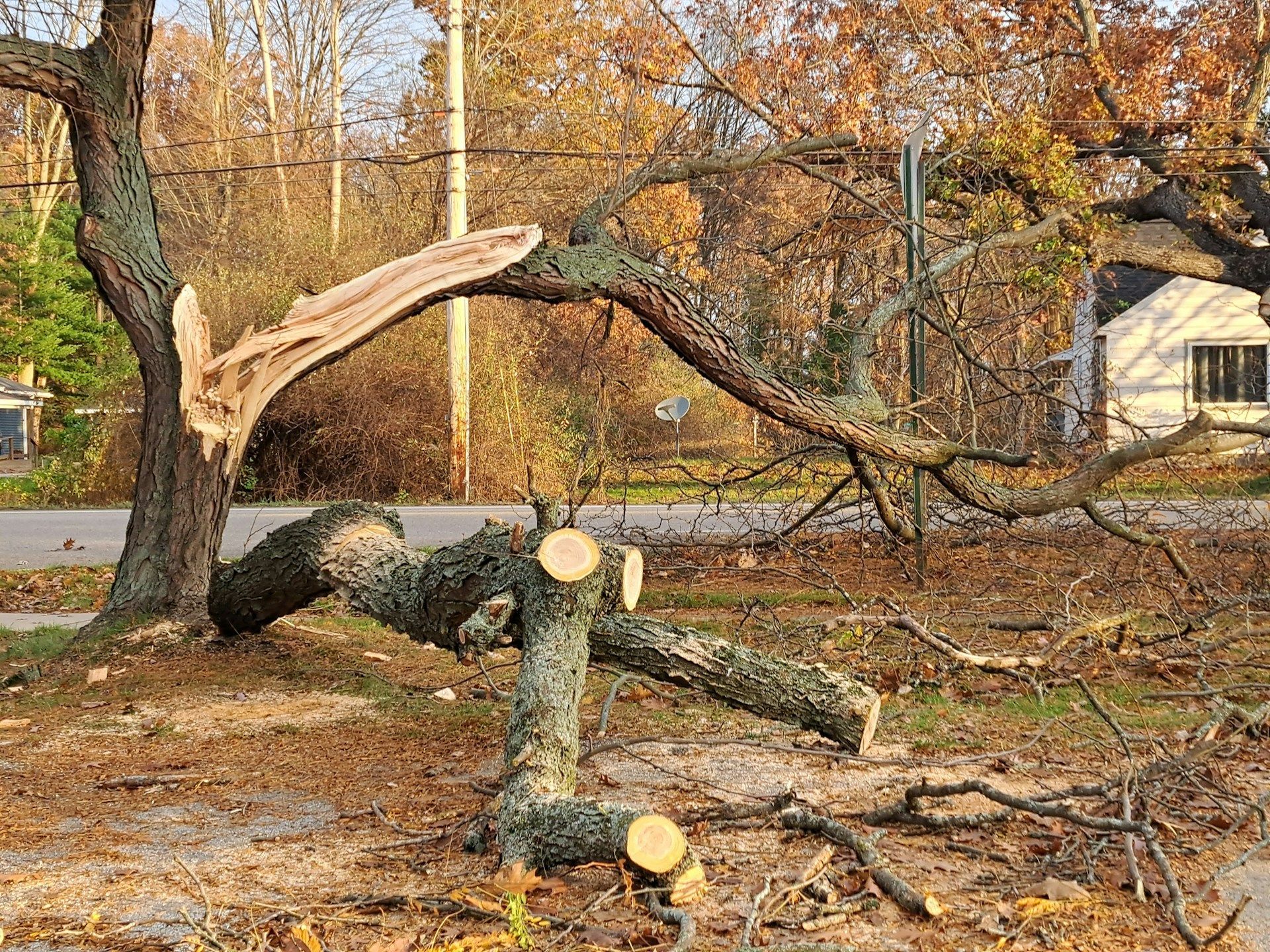
Not every problem shows on the surface. Trees can look mostly fine from the ground while hiding serious issues inside the trunk or below the soil. We see this often after long dry spells, nearby construction, or storm damage that was never checked.
Hidden problems can include:
- Internal decay that weakens the trunk or major branches
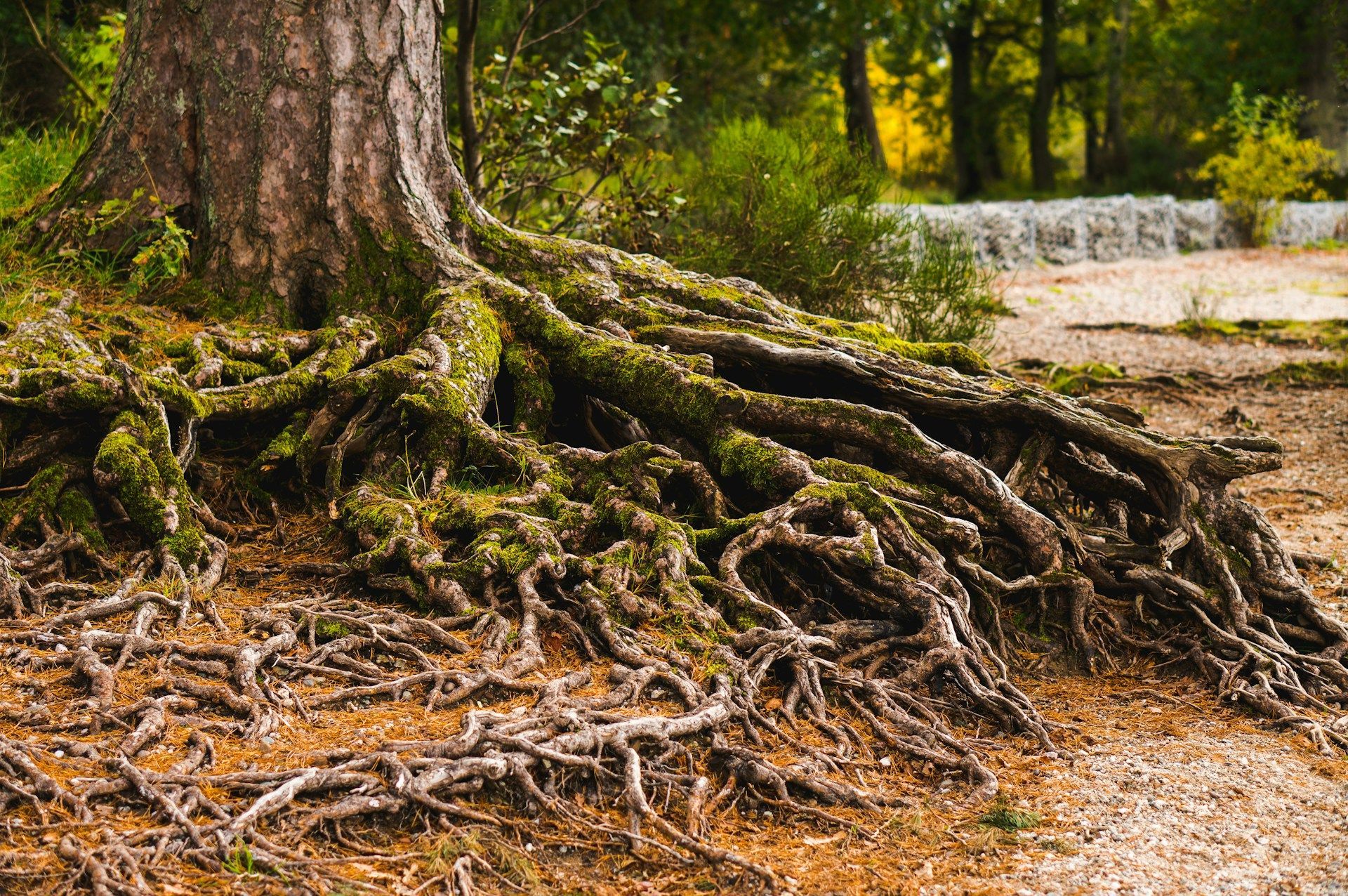
- Roots damaged by digging, paving, or drought
- Insect activity that has not yet spread across the canopy
- Poor branch structure that makes breakage more likely
Homeowners often miss small clues, such as:
- A lean that seems just a little more than last year
- Mushrooms or soft spots at the base of the trunk
- Thin or bare spots in the canopy compared to past seasons
- Fine cracks in the soil around the roots
- Small dead limbs high up that are hard to see
A regular tree inspection by a trained pro can catch these signs early. Fixing a problem now usually costs far less than dealing with a fallen tree, damaged roof, or emergency cleanup after a storm. It also helps your yard look cleaner and more cared for all year long.
Protect Your Yard with Expert Tree Care This Fall
Myths about watering, topping, trimming seasons, and DIY removal can quietly weaken your trees. Over time, they raise the odds of broken limbs, sick trees, and damage to your home. Clearing up these myths and choosing proper care keeps your trees stronger and your yard safer.
As we move through fall, this is a smart time to walk your property. Look for dead or heavy limbs, trees that seem stressed, or canopies crowding your roof or power lines. A licensed, insured, family-owned team like Teague’s Tree Service can help with honest advice, careful trimming, safe removal, stump grinding, and complete tree care across the San Antonio area so your landscape is ready for whatever the next season brings.
Protect Your Trees With Expert Local Care Today
If you are ready to improve the health, safety, and appearance of your property, our team at Teague’s Tree Service is here to help. Learn more about our comprehensive
tree service in San Antonio, TX and see how we can tailor solutions to your specific trees and landscape. To schedule a consultation or request an estimate, simply
contact us and we will respond promptly.