Late-Summer Tree Care in San Antonio: When to Call an Arborist
Protect Your Trees Before Fall Storms Arrive
Late summer in San Antonio can be tough on trees. We get long stretches of extreme heat, surprise thunderstorms that pop up fast, and lingering drought stress that started way back in spring. All of that can quietly weaken even strong shade trees.
August and September are a key time to pay attention. Storm systems and stronger winds often pick up in the fall, right when trees are already tired from months of heat. If a tree is stressed or damaged, that first big storm can be all it takes for a heavy limb to break or a weakened tree to fail.
Knowing when to call an arborist in San Antonio can help you prevent property damage, emergency removals, and safety risks around your home or business. As a local, family-owned, licensed, and insured tree company, we see how late-summer issues turn into fall problems, and we want to help you spot the warning signs early.
How San Antonio Summers Stress Your Trees
Our long, hot summers do more than make trees look a little droopy. Months of strong sun and high heat can dry out soil deep below the surface. When that happens, roots can die back, leaves can scorch, and decay can start inside the trunk where you cannot see it.
Late summer often makes older problems worse, such as:
- Old pruning wounds that never healed well
- Past storm damage that left cracks or splits
- Compacted soil from parking or heavy foot traffic near the base
From the street, a tree might still look mostly green. Up close, you may notice things like:
- Early leaf drop, long before the holidays
- Thinning canopies where you can see more sky than shade
- Dead branch tips that stay bare while the rest of the tree has leaves
- Bark cracks or oozing sap on the trunk or major limbs
Many people shrug this off as normal summer stress. The risk is that what seems “normal” can actually be a warning that the tree will not hold up when fall winds arrive or when the next big thunderstorm hits.
Late-Summer Warning Signs You Shouldn’t Ignore
Some symptoms are small and can wait for a checkup. Others mean you should bring in a professional arborist in San Antonio as soon as you can.
Red flags that call for expert help include:
- Large dead limbs anywhere in the canopy
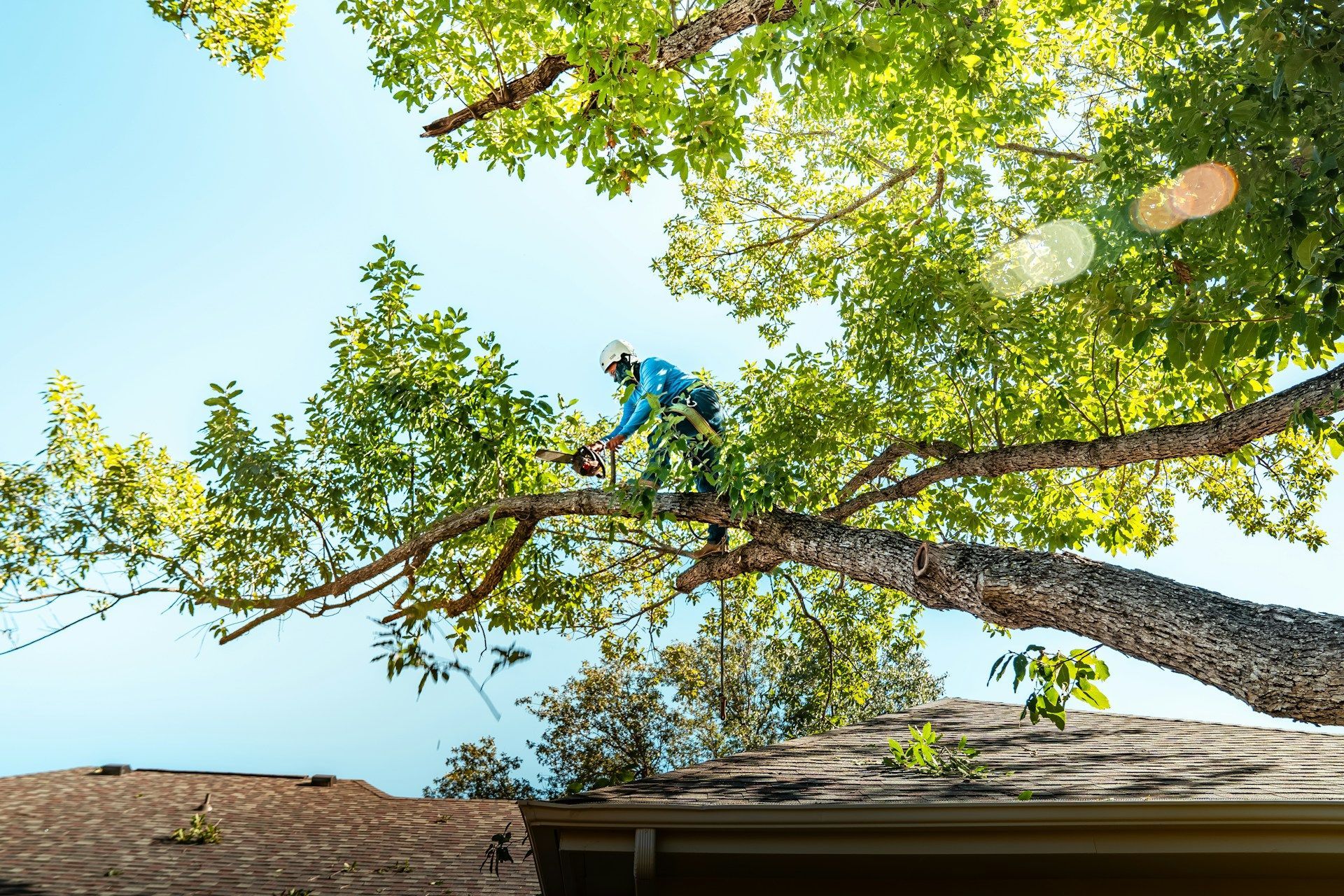
- Branches hanging over roofs, driveways, parking areas, or play spaces
- Mushrooms or fungal conks at the base of the tree or along major roots
- Visible cavities or big hollows in the trunk
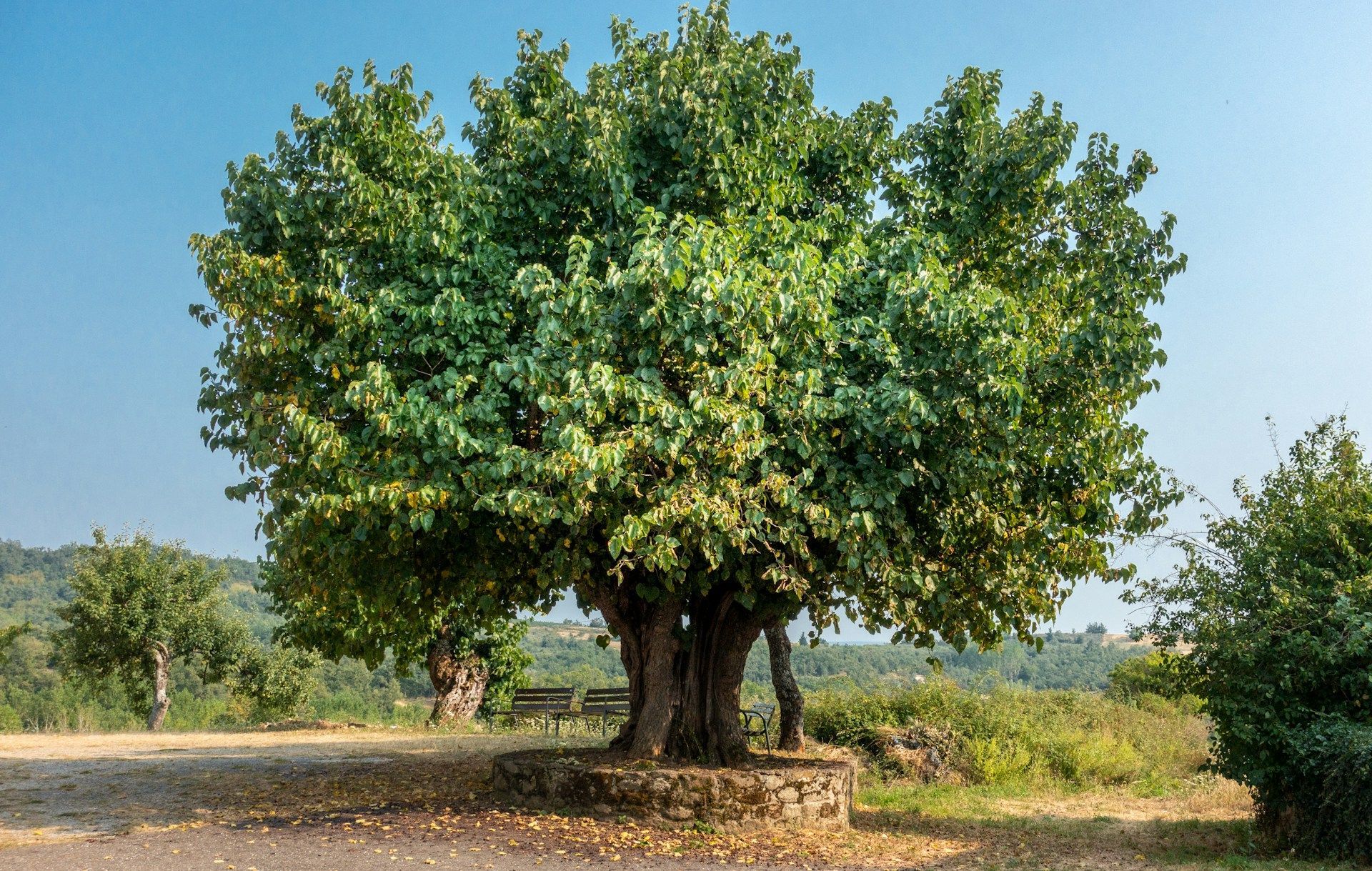
Mature shade trees that are common in San Antonio yards can also show structural warning signs, such as:
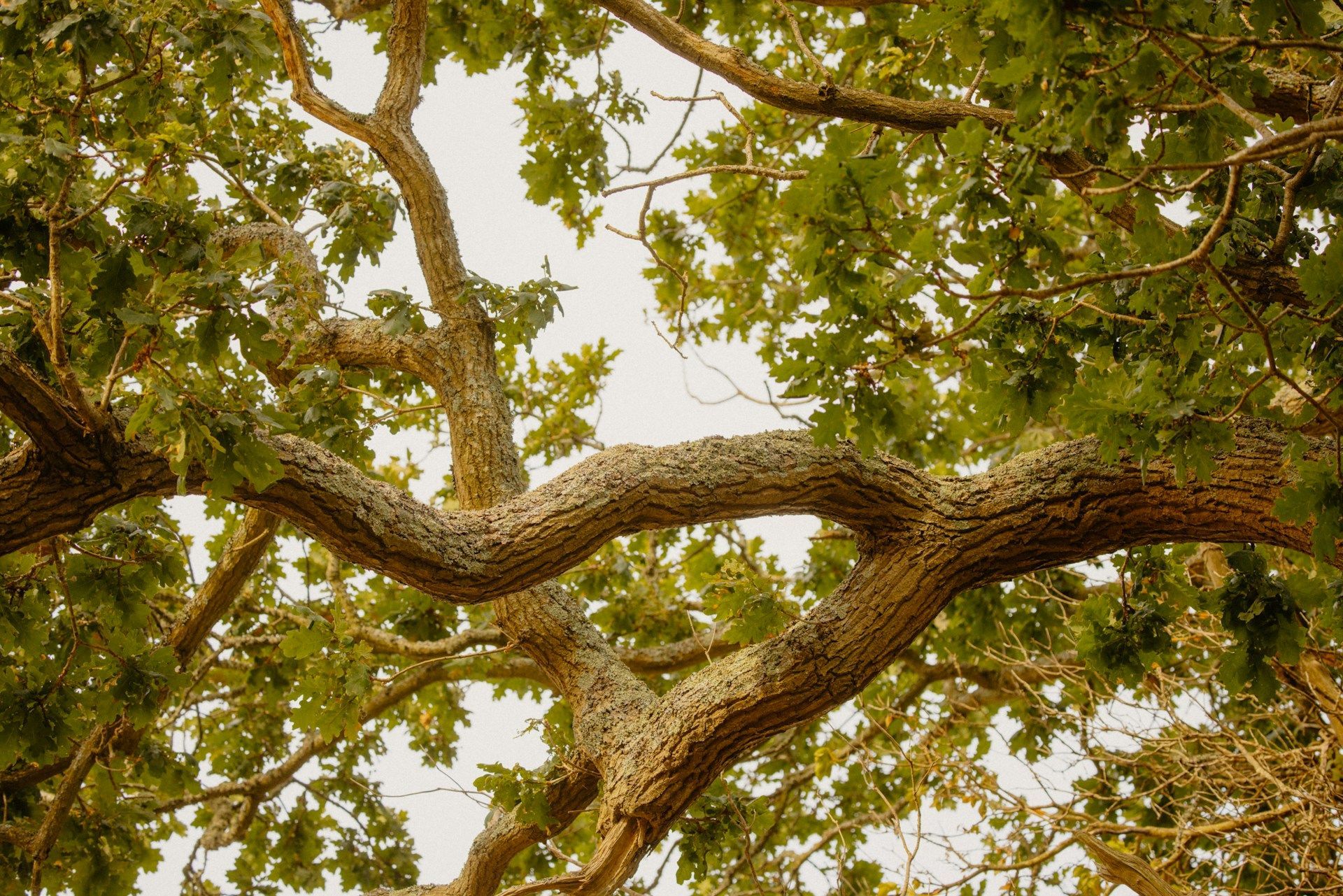
- Widening cracks where major limbs meet the trunk
- A tree that suddenly leans more than it used to
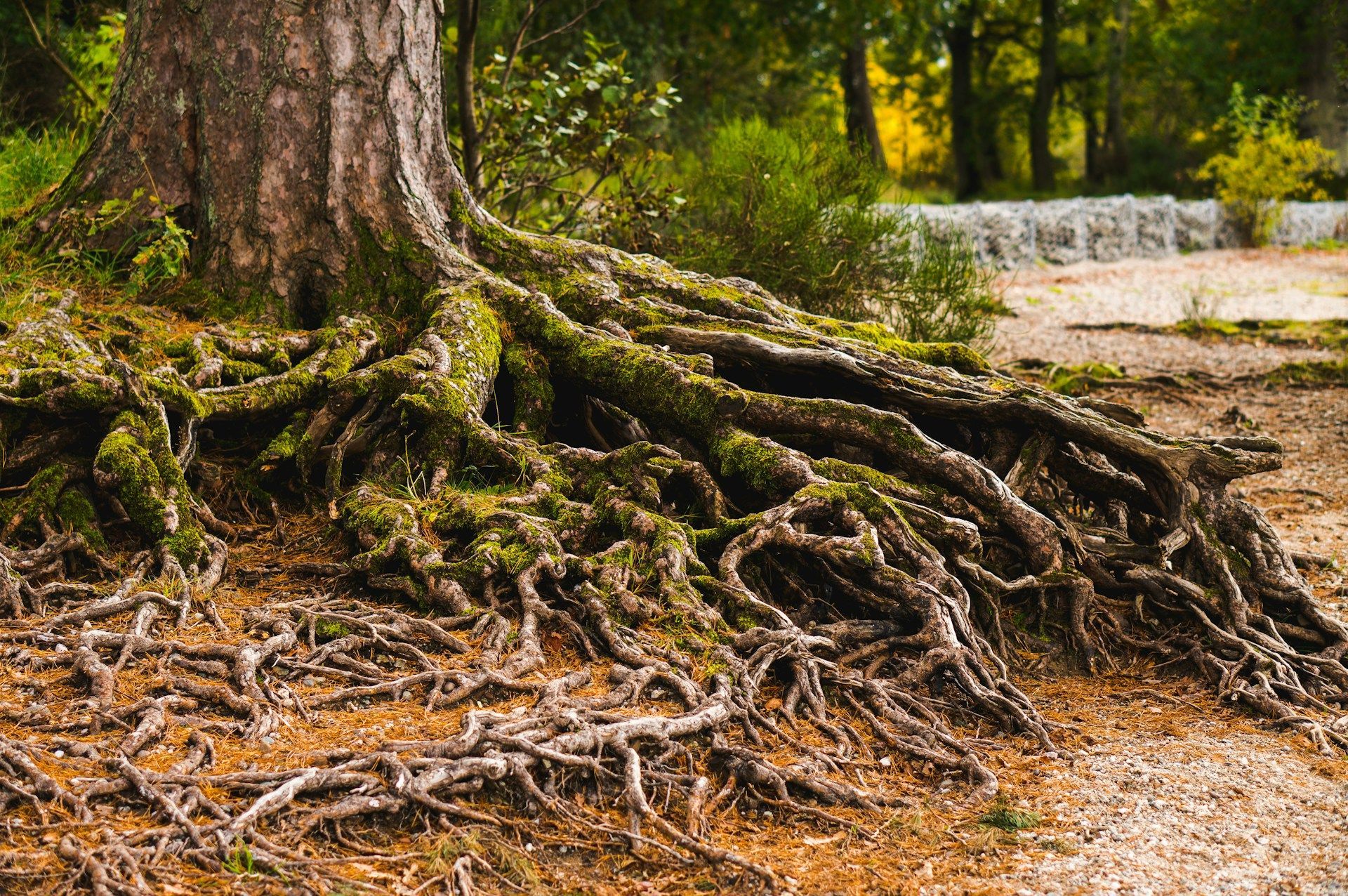
- Roots that look lifted or heaved up on one side
Even smaller issues should not be ignored. One-sided canopy dieback, heavy insect activity in one area, or peeling bark can point to internal decay or disease. These are problems that need a trained eye and proper tools to diagnose safely.
Waiting until a storm exposes the problem can mean broken fences, roof damage, blocked driveways, or worse. Preventive inspection in late summer is usually much less stressful than calling for emergency help after a limb has already fallen.
Smart Late-Summer Care You Can Do at Home
There are simple things property owners can do as summer winds down to help trees handle stress. These do not replace expert care, but they can support the work an arborist does.
Helpful late-summer habits include:
- Deep, occasional watering instead of frequent, shallow watering
- Refreshing mulch in a wide ring, but keeping it a few inches away from the trunk
- Gently removing small, dry twigs you can reach from the ground
When it comes to DIY work, it is important to stay safe. We always suggest that you:
- Only prune small, low branches on younger trees
- Avoid any cuts on large limbs or older trees
- Never work on a ladder with a saw
- Stay far away from branches near power lines
You can also learn to read your soil. During hot, dry weeks, dig a small test hole or use a simple probe. If the soil is dry several inches down, slow, deep watering around trees like oaks, pecans, and ornamentals can ease late-summer stress.
A simple “tree checklist” helps too. Twice a year, in late summer and again in early spring, walk your property and note any changes:
- New dead branches
- More leaning than before
- Fungal growth or insects
- Cracks, peeling bark, or oozing sap
Keep those notes so an arborist can see what has changed over time.
When You Need a Professional Arborist in San Antonio
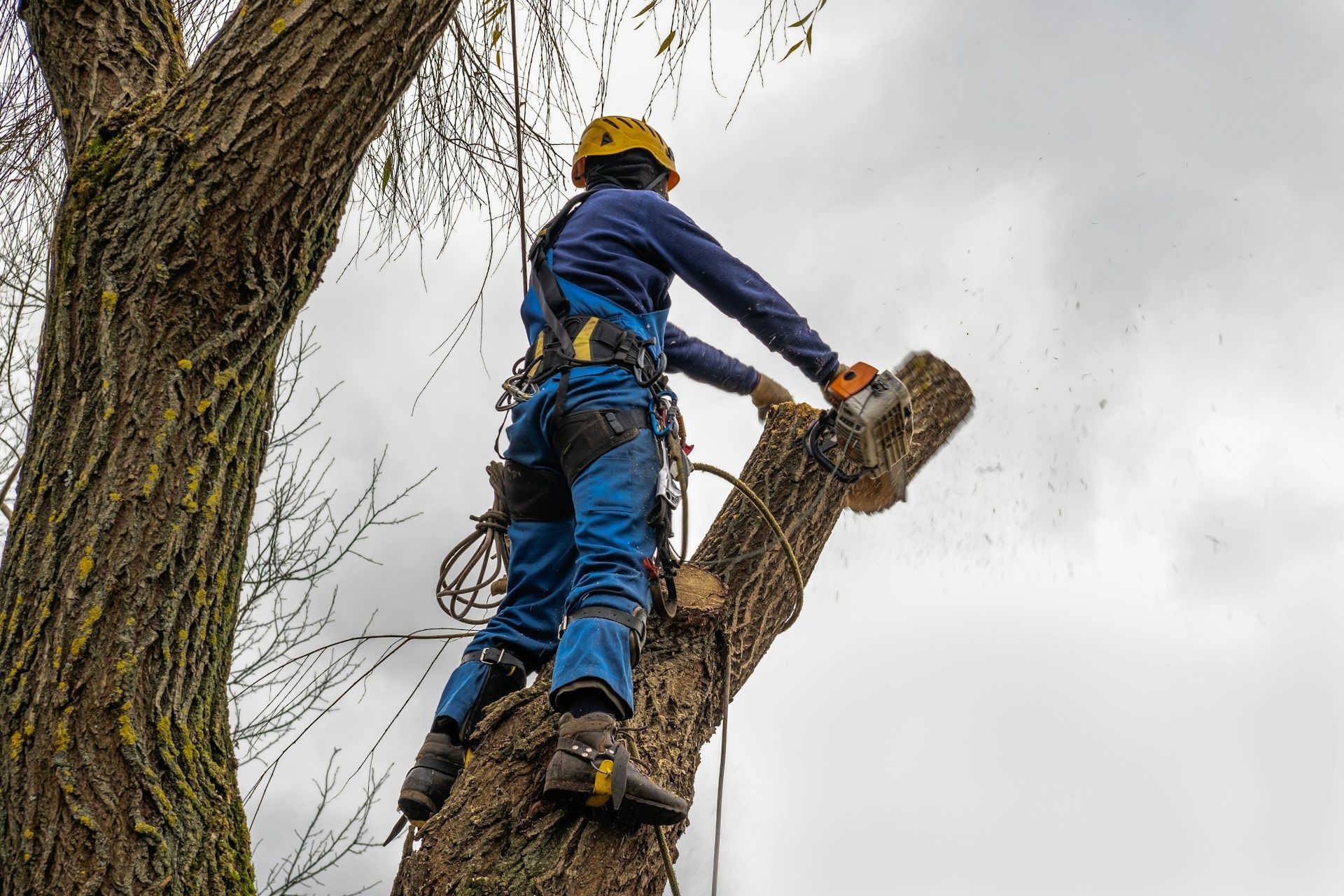
Not all tree workers have the same training. A qualified arborist in San Antonio understands our local species, common pests and diseases, and safe pruning standards that protect both people and trees.
There are certain situations where professional help is the only safe choice:
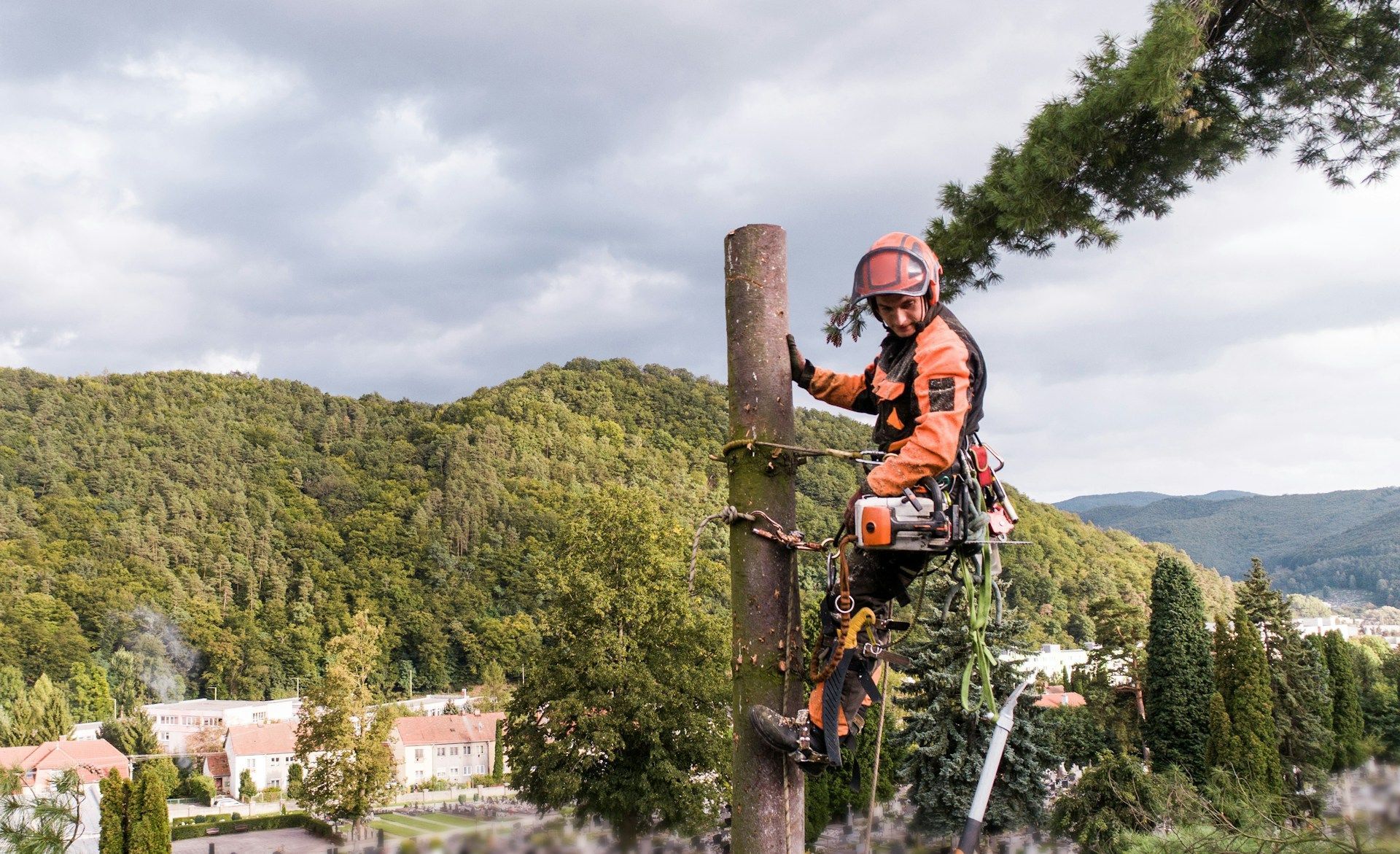
- Removing large deadwood high in the canopy
- Trees damaged by storms or strong winds
- Branches hanging over homes, garages, parking lots, or sidewalks
- Live oaks or other trees that may be diseased
- Trees that are lifting sidewalks, driveways, or affecting nearby structures
Late-summer pruning should be thoughtful. The goal is to reduce risk without pushing a stressed tree too hard. Incorrect cuts, topping, or stripping out too much live growth can permanently weaken a tree or even lead to its decline.
Working with a licensed and insured tree company also protects you as the property owner. If something goes wrong during high-risk work, you are not left carrying the liability. Clear written assessments from a professional can also be useful if you ever need to show that you cared for your trees before a storm caused damage.
Plan Your Fall-Ready Tree Checkup Today
As calendars shift from summer activities to school schedules and holiday planning, it is easy to forget about the trees that shade your home or business. Late summer and early fall are the perfect times to bring in expert eyes, spot problems, and make a simple plan for the months ahead.
A trained arborist can walk your property, point out any hazards, and suggest a long-term care plan. That plan might include which trees need pruning first, which ones may benefit from support systems, or which older trees should be watched or removed in the future.
At Teague’s Tree Service, we live and work right here in the San Antonio area, so we see every day how local weather affects local trees. We focus on safety, clear communication, and protecting your property from avoidable tree failures.
A small amount of attention now can go a long way. When the next round of storms moves through, you will be glad your trees were checked, cared for, and ready.
Get Started With Your Project Today
If your trees are showing signs of stress, damage, or overgrowth, our team at Teague’s Tree Service is ready to help you protect your property and landscape. Schedule an appointment with our experienced
arborist in San Antonio so we can assess your trees and recommend the right course of action. We will walk you through your options, provide a clear estimate, and work with your schedule. Have questions or need to book a service quickly? Just
contact us today.