Questioning Tree Care in San Antonio After a Risk Assessment
After a Tree Risk Assessment, What Now for Your Trees?
Getting a tree risk assessment in San Antonio can feel like a relief and a headache at the same time. You finally know what is going on with your trees, but now you have pages of notes, pictures, and words that sound very technical. It can be hard to know what really needs to happen next, and how fast you should act.
Many homeowners feel unsure after the arborist leaves. You might worry that too many trees were flagged for removal, feel nervous about branches near the house, or wonder how all this work will change the look of your yard. You might also be thinking about cost, timing, and how to keep your trees healthy in our heat.
Our goal is to make that report simple and useful. We will walk through what those terms usually mean, how to set priorities before storm season, and how to build a seasonal plan that keeps your trees safe, shady, and looking good with help from a trusted tree team.
Understanding Your Tree Risk Report Without the Jargon
Most professional risk reports follow a similar pattern. They focus on how likely a tree or branch is to fail and what could be hit if it does. The wording can feel heavy, but the ideas are pretty simple.
You will usually see notes about things like:
- Tree condition: decay, deadwood, cracks, leaning, or past storm damage
- Likelihood of failure: how likely the whole tree or a part of it is to break
- Targets: what is under or near it, like a house, driveway, pool, parking lot, or play area
- Recommended actions: what the arborist thinks should happen next
Risk levels are often labeled as low, moderate, high, or extreme. In plain language, here is how they usually play out for San Antonio homes and businesses:
- Low: Tree has minor issues, and targets are limited; usually fine with regular care and checkups
- Moderate: Some concern, especially in busy areas; usually calls for pruning or closer monitoring
- High: Failure is quite possible, and a building, car, or walkway could be hit; often needs prompt pruning, cabling, or removal
- Extreme: Very likely to fail soon over something important; removal or heavy work is usually urgent
You may also see specific action words:
- Monitor: watch the tree over time and recheck after storms
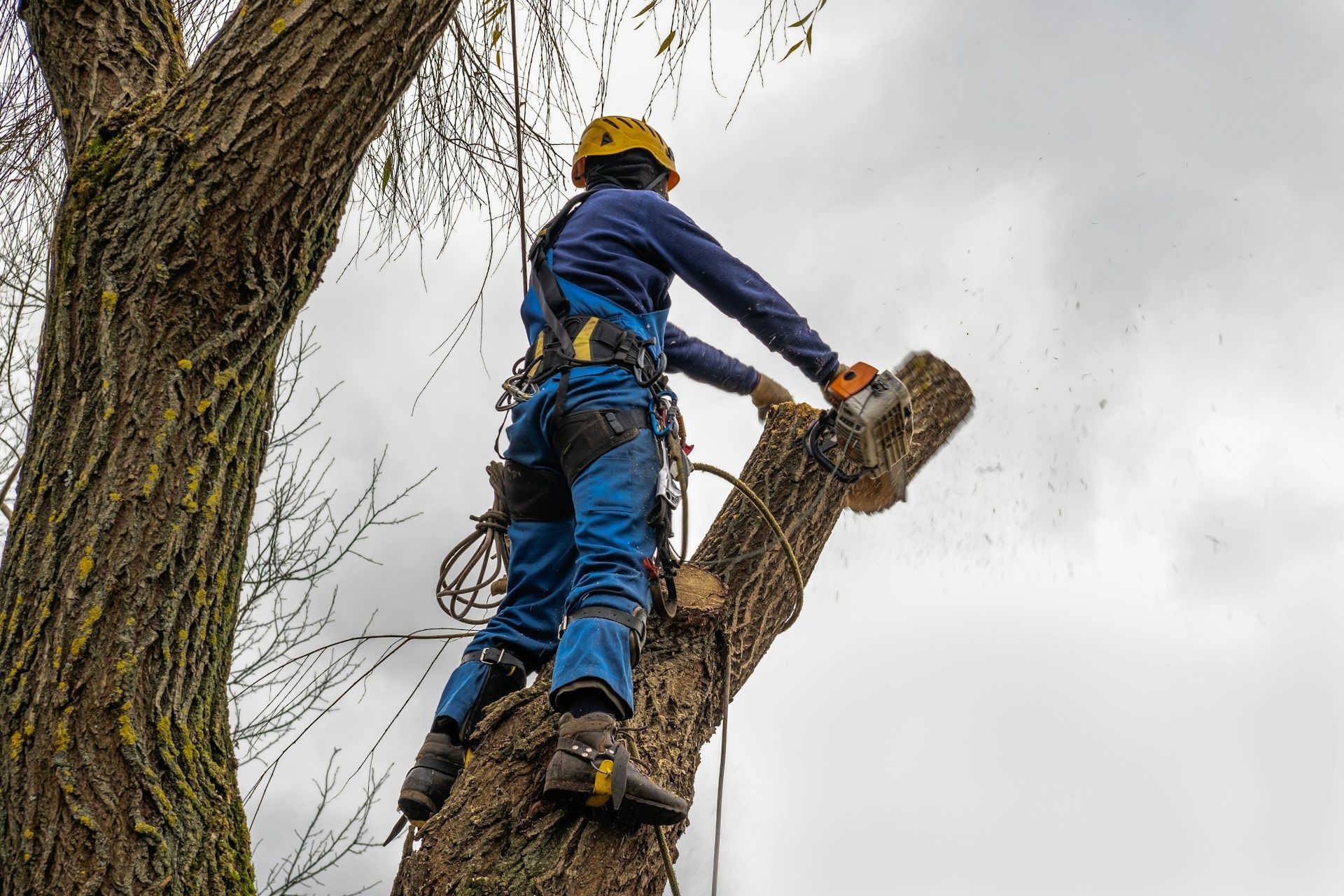
- Prune: remove unsafe or weak branches, reduce weight in the canopy
- Cable or brace: add support to weak or split sections when safe to do so
- Remove: take the tree down when risk cannot be reduced enough
In our area, clay soils, long heat spells, and sudden heavy rains all affect these calls. Shallow or stressed roots in clay can lose grip when the ground swings from dry and hard to soaked and soft. Fast summer growth followed by storms can put extra weight on weak limbs. All of that gets factored into the report, even if it is not spelled out in detail.
Prioritizing Tree Work Before Storm Season Hits
Early fall is a smart time in San Antonio to act on a tree risk assessment. Schedules open up after summer vacations, and it is a good window to get ahead of windy storm systems that often roll through later in the year. Taking care of hazards now helps you avoid rushing during or right after bad weather.
To make the report easier to use, think of your trees in three groups:
1. Must-do now
2. Do within the next season
3. Long-term maintenance
High and extreme risk items with major targets usually fall in the must-do group. Examples include:
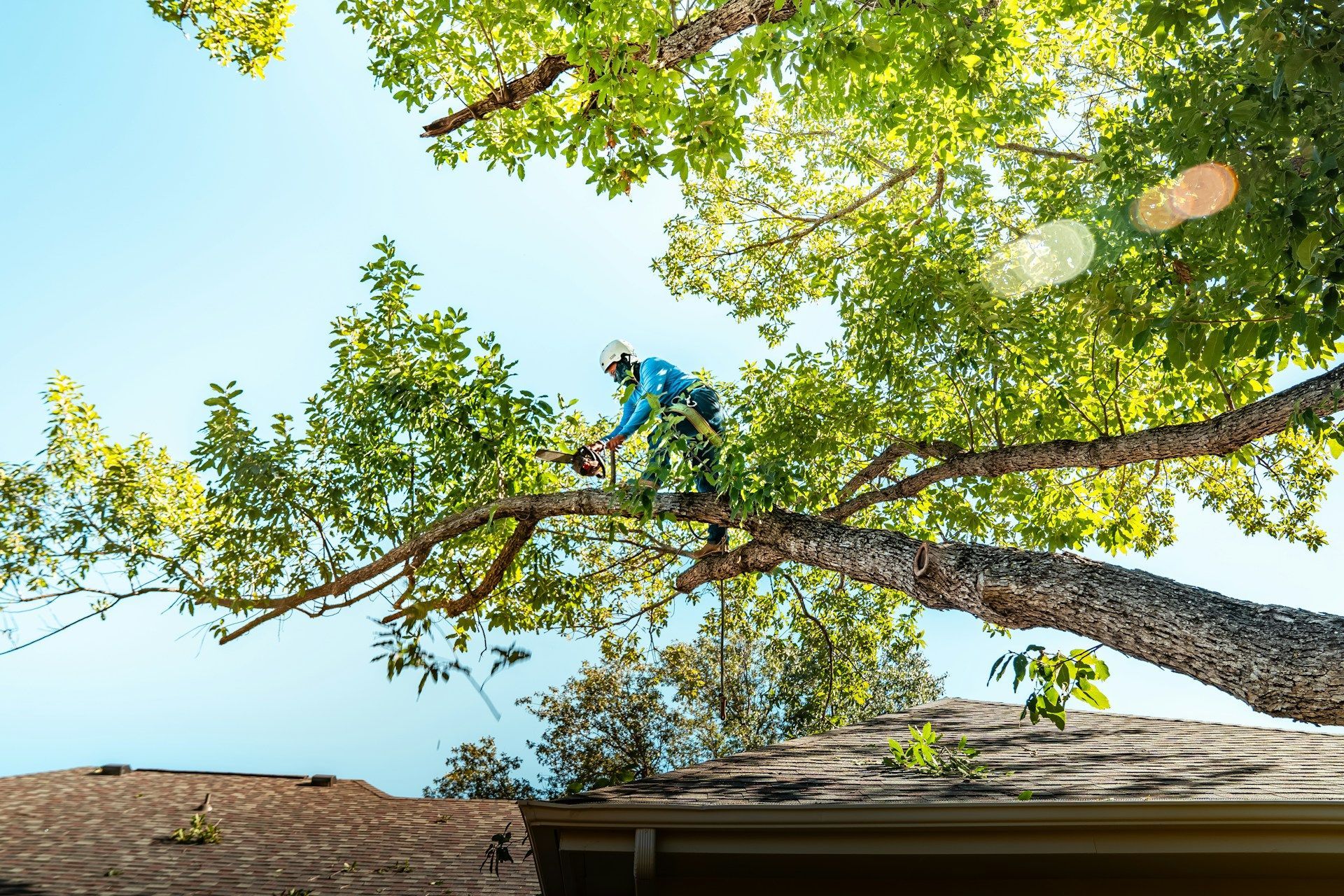
- Large dead limbs hanging over roofs, patios, or parking areas
- Cracked or splitting trunks, especially on big trees near buildings
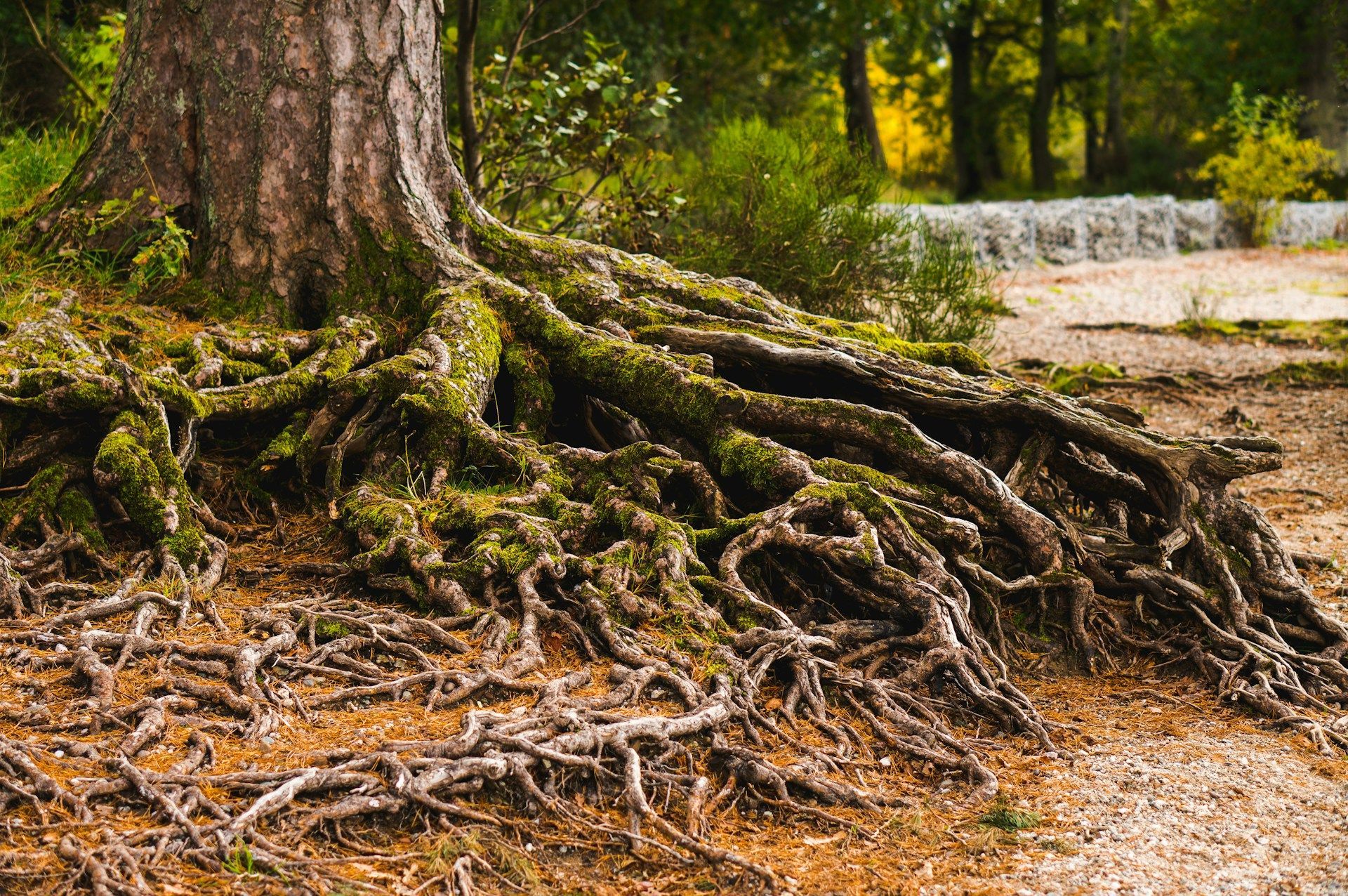
- Trees with roots lifting sidewalks, driveways, or entry paths where people walk
The next group might include:
- Moderate risk branches over low-use areas of the yard
- Trees with early signs of decay that are not near high-traffic spots
- Pruning that improves structure but is not tied to an immediate hazard
Lower-priority items are more about comfort and looks:
- Light thinning to improve airflow and sunlight
- Aesthetic shaping of healthy trees
- Minor clearance pruning over lawn areas
Working with a professional, you can mark each item in your report with one of these three time frames so you have a clear plan going into the coming months.
Balancing Safety, Shade, and Budget on Your Property
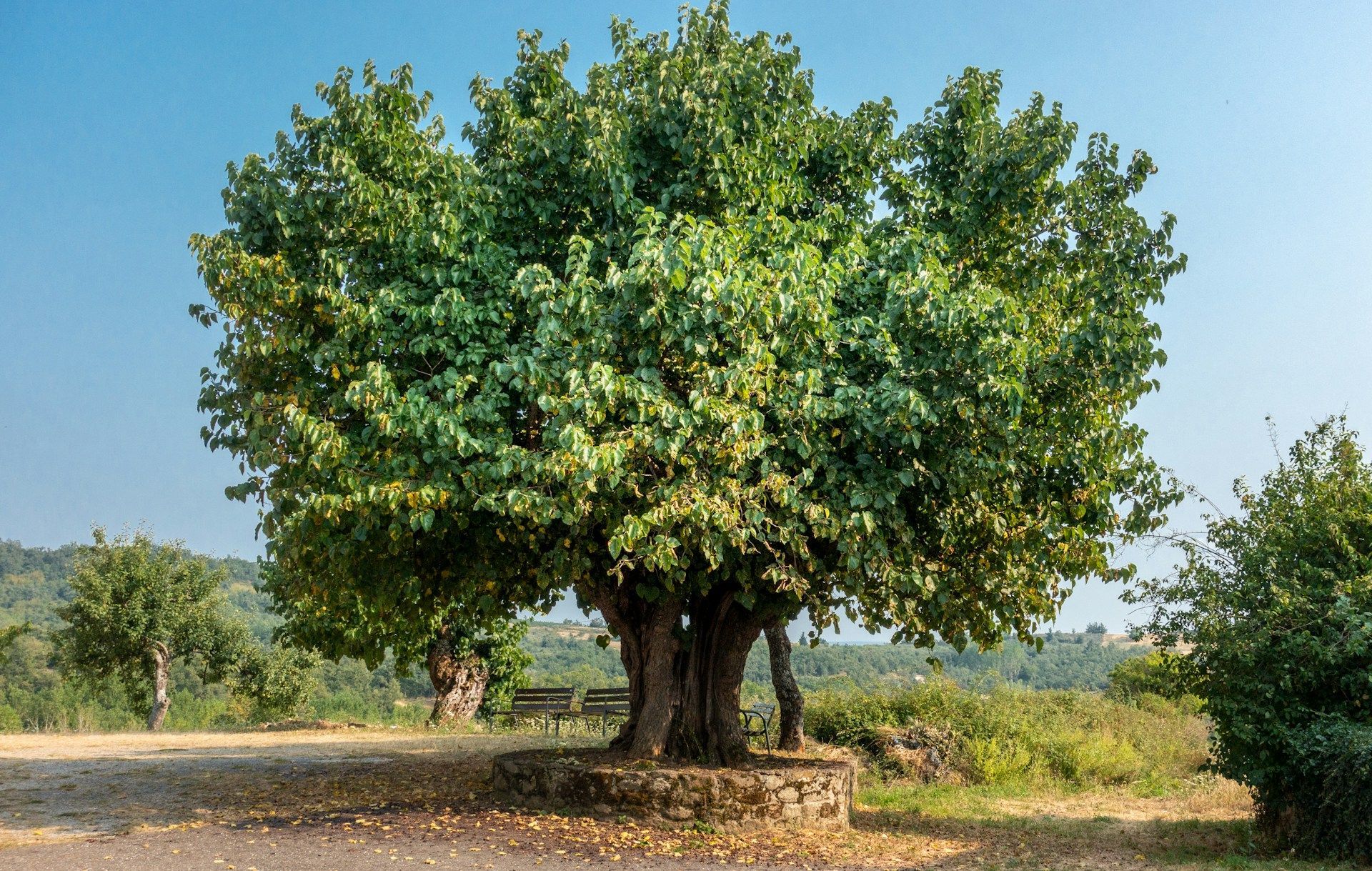
After reading a report, some people worry they will lose all their shade. That does not have to be the case. Big trees add a lot of value to your property, from cooler homes to better curb appeal and more wildlife.
It helps to step back and ask:
- Which trees give the most shade to the house or outdoor spaces?
- Which ones frame the driveway or front walk and add beauty?
- Which trees feel risky every time the wind picks up?
- Where would removal change the look of the yard the most?
From there, many folks choose to spread work out. Start with the highest-risk trees and the most serious pruning or removals. Then, over several months or years, follow with structural pruning, cabling when it makes sense, and shaping.
A thoughtful tree company can often suggest cost-conscious paths, like:
- Targeted pruning on certain limbs instead of full tree removal when the structure is still sound
- Grouping work on several trees in one visit to cut down on setup time
- Removing one failing tree and planting a new, better-suited species in a safer spot
This kind of planning lets you protect people and property while keeping as much green as possible on your lot.
Smart Tree Care Decisions for San Antonio’s Climate
Our weather patterns are tough on trees. Long dry stretches, intense sun, and sudden heavy rains put stress on both roots and branches. Drought can weaken trees so they are more likely to break, and quick downpours on dry ground can loosen shallow roots.
Different local species also have their own quirks that may show up in your tree risk assessment in San Antonio:
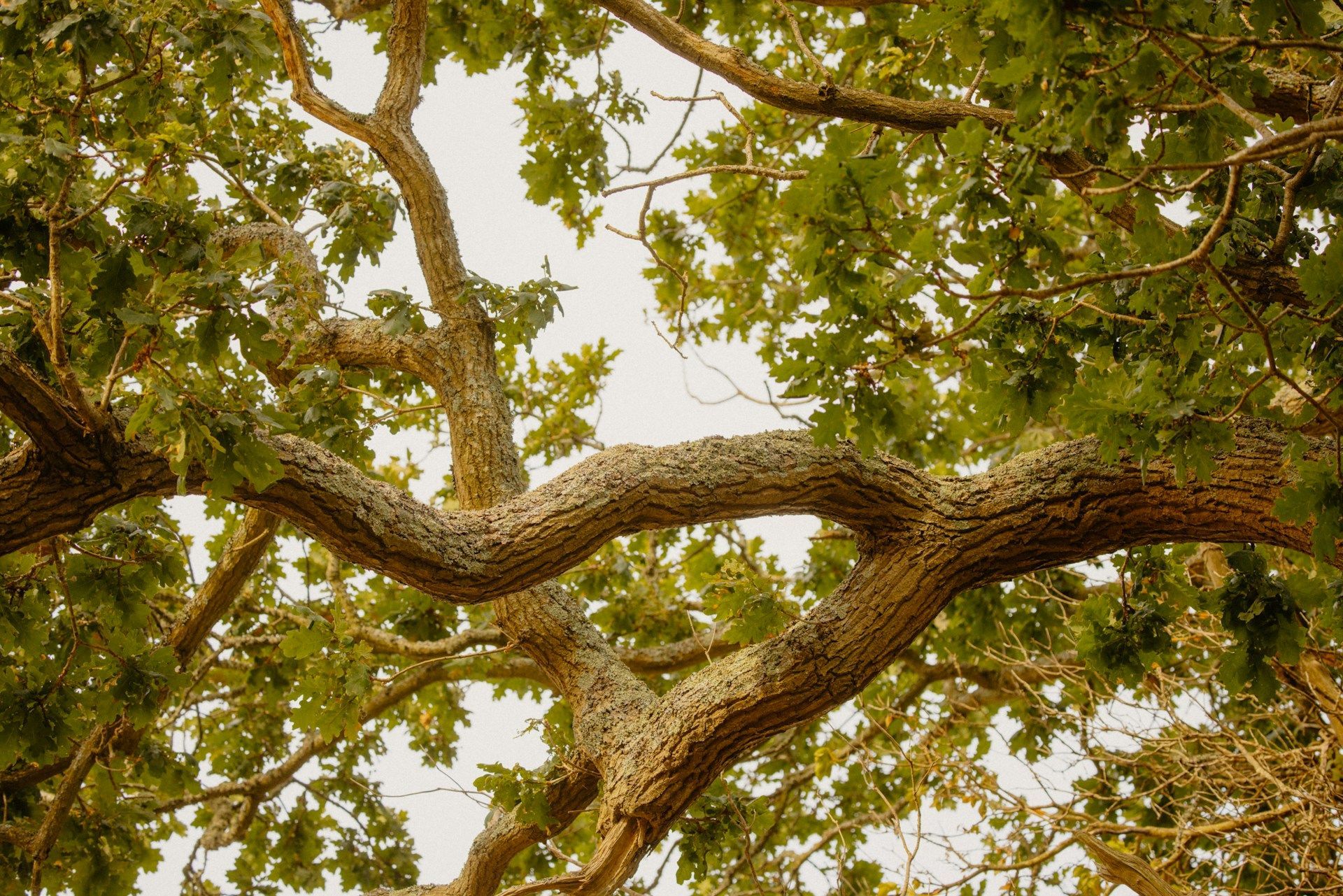
- Live oaks: strong trees, but often grow heavy, spreading limbs that may need reduction cuts or support
- Pecans: can carry heavy crops and big limbs, which sometimes break out in wind or after long dry periods
- Cedar elms: can develop deadwood in the canopy and may suffer in extended drought
- Ash: often struggle as they age, with brittle branches and decay
When you connect the report to these local issues, the notes make more sense. A call for regular pruning on a live oak is often about managing limb weight over time. A concern about a pecan over a driveway may be tied to both limb structure and fruit load.
Once the initial work is complete, try to treat the report as the start of preventative care, not the end:
- Set up a regular pruning cycle to keep weight and structure in balance
- Follow proper watering habits, especially during long dry spells
- Keep mulch at a safe depth around the root zone, but not against the trunk
- Arrange quick checkups after major storms to spot new problems early
A little steady care usually keeps risks low and avoids bigger issues later.
Turning Your Risk Assessment Into a Safer, Greener Yard
The easiest mistake after a tree risk assessment is to file the report away and forget about it. It is much more useful as a simple roadmap for the next 6 to 24 months on your property. Start by marking which items are urgent, which are seasonal, and which are long-term. Then line those up with your calendar and your comfort level.
As a family-owned, licensed, and insured tree company here in San Antonio, we know how personal trees can be. They are part of your shade, your memories, and the way your home or business feels. With clear explanations, phased plans, and thoughtful recommendations, you can turn that stack of notes into a yard that is safer, healthier, and still full of green. And if a sudden failure ever does happen, having a trusted team ready for emergency work can make all the difference between a stressful surprise and a handled problem.
Protect Your Property With a Professional Tree Safety Plan
If you are concerned about the health or stability of your trees, we can help you understand your options before small issues become costly problems. Schedule a professional
tree risk assessment in San Antonio with Teague’s Tree Service so we can evaluate hazards and recommend the safest, most practical solutions. Reach out through our
contact page today to get timely, local expertise working for your property.