Late-Summer Heat Stress in San Antonio Trees: Symptoms and When to Call
Protecting San Antonio Trees From Late-Summer Heat Damage
Late summer in San Antonio is rough on trees. Long hot days, drying winds, and low rain all stack up, and even strong shade trees can hit their limit. A tree that looked full and green in spring can crash late in the season when the heat has been building for weeks.
Late-summer heat stress is different from normal dry weather. The damage often starts inside the tree, in the roots and inner wood, before you see anything in the canopy. The real trouble is that some of that damage may not fully show up until later in the year or even the next growing season.
In this guide, we are sharing what we look for during a tree health assessment in San Antonio: the top heat-stress symptoms to watch for, simple at-home checks you can do, and clear signs that it is time for a professional to step in for safety and long-term tree health.
How Late-Summer Heat Stress Shows up in Your Trees
Heat-stressed trees usually speak through their leaves first. When the roots cannot keep up with the heat and dry soil, the canopy starts to change.
Common leaf and canopy symptoms include:
- Sudden early leaf drop, especially on the inner branches
- Brown, crispy, or “scorched” edges on leaves
- Thinning foliage at the very top of the canopy
- Leaves that stay small, curl inward, or look dull instead of glossy
Past the leaves, the branches and trunk can show warning signs too. Heat and drought make wood dry and brittle, which raises the chance of breakage.
Watch for structural clues like:
- Small twigs that snap cleanly with little effort
- Deadwood moving from the tips of branches closer to the trunk
- Bark that cracks, peels, or shows pale, sunburned spots on the side facing harsh afternoon sun
The root zone is where the real battle is happening. If the roots are struggling, the top of the tree will always follow.
Root-area red flags include:
- Soil pulling away from the base of the trunk, leaving gaps
- Mushrooms or other fungus growing around the root flare or lower trunk
- Weak or failed growth on only one side of the tree, often near driveways, sidewalks, or compacted soil
When you start to see several of these signs together, your tree is not just “a little dry”, it is likely under serious heat stress.
Quick at-Home Heat Triage You Can Do This Week
While deeper care should come from pros, there are a few simple, safe steps you can take to give your trees some relief in late summer.
First is smarter watering. In extreme heat, how you water matters as much as how often.
- Water early in the morning so less moisture is lost to the sun
- Aim for deep, slow watering at the drip line, not right up against the trunk
- Avoid short daily sprinkles that only wet the surface and train roots to stay shallow
Mulch and shade can also help protect stressed trees. A little effort here can go a long way.
- Spread a 2- to 4-inch layer of mulch out to the drip line if possible
- Keep mulch pulled back a few inches from the trunk, no “mulch volcano” piles
- Use temporary shade cloth for young or new trees during the harshest afternoon sun
- Keep weed eaters and mowers away from the trunk so you do not add wounds to a stressed tree
You can also do a basic DIY tree health check with simple tools you already have.
- Use a screwdriver to poke into the soil under the mulch. It should go in with some resistance but not hit rock-hard dry soil right away.
- Take a small, clean pruning cut from a thin twig. The wood under the bark should look green and moist, not brown and dry.
- Check leaves at different heights. Some yellowing or crisping is common in late summer, but large bare sections or whole branches of dead leaves are more concerning.
If your checks keep showing dry soil, brittle twigs, and more than light leaf damage, that tree likely needs more than a quick drink.
When Heat Stress Becomes a Safety Hazard, Not Just a Health Issue
At a certain point, heat stress is not only about keeping a tree alive. It can turn into a real safety risk for people, cars, fences, and roofs.
Some red-flag symptoms that call for fast attention are:
- Large dead limbs hanging over driveways, walkways, or play areas
- Cracks where big branches join the trunk, especially if you can see light through the crack
- A tree that has suddenly leaned or shows raised or cracked soil on one side of the root zone
Late summer is also a risky window because heat damage and storms often overlap. Weakened roots plus dry, brittle limbs do not handle wind very well. Thunderstorms or strong gusts can snap stressed branches or even push over a tree that has lost root strength.
Hidden problems can be hard to spot from the ground. A professional tree health assessment in San Antonio often finds:
- Internal decay that does not show from the outside
- Deep cracks inside branch unions
- Root issues caused by past construction, soil compaction, or long dry spells
These are not things most homeowners can safely check on their own, especially high in the canopy.
Heat-Stressed vs. Dying Trees: How to Tell the Difference
Not every struggling tree is a lost cause. Some just need smart care and time to bounce back.
Signs a tree can often recover include:
- When you scratch a small twig, there is green tissue just under the bark
- The tree pushed out some healthy new growth earlier in the season
- Most of the stress shows in the leaves, while branches and trunk still seem solid and well attached
On the other hand, some trees are too far gone and may be unsafe to keep.
Worrying signs that a tree may be past saving include:
- Large sections of the canopy are bare or full of dead branches
- Bark is falling off in big sheets, exposing dry or cracked wood
- Wood feels hollow, soft, or crumbly when tapped or probed
- Fungus conks or large shelf mushrooms are growing on the trunk
- Major limbs have dropped more than once over the last few years
Getting the diagnosis right matters. Saving a high-value shade tree with targeted care is often worth the effort. Removing a truly hazardous one before it fails can protect people and property. Having a tree health assessment in San Antonio done before fall can help you decide which trees should be treated, pruned, or removed, and it can lower long-term risk and stress for you and your yard.
Call in the Pros Before the Next Heat Wave or Storm Hits
Late summer is a smart time to look closely at your landscape, especially big oaks, pecans, and other mature shade trees that your family relies on for comfort. As school routines start up and storm season moves in, a weak or damaged tree is the last surprise anyone wants.
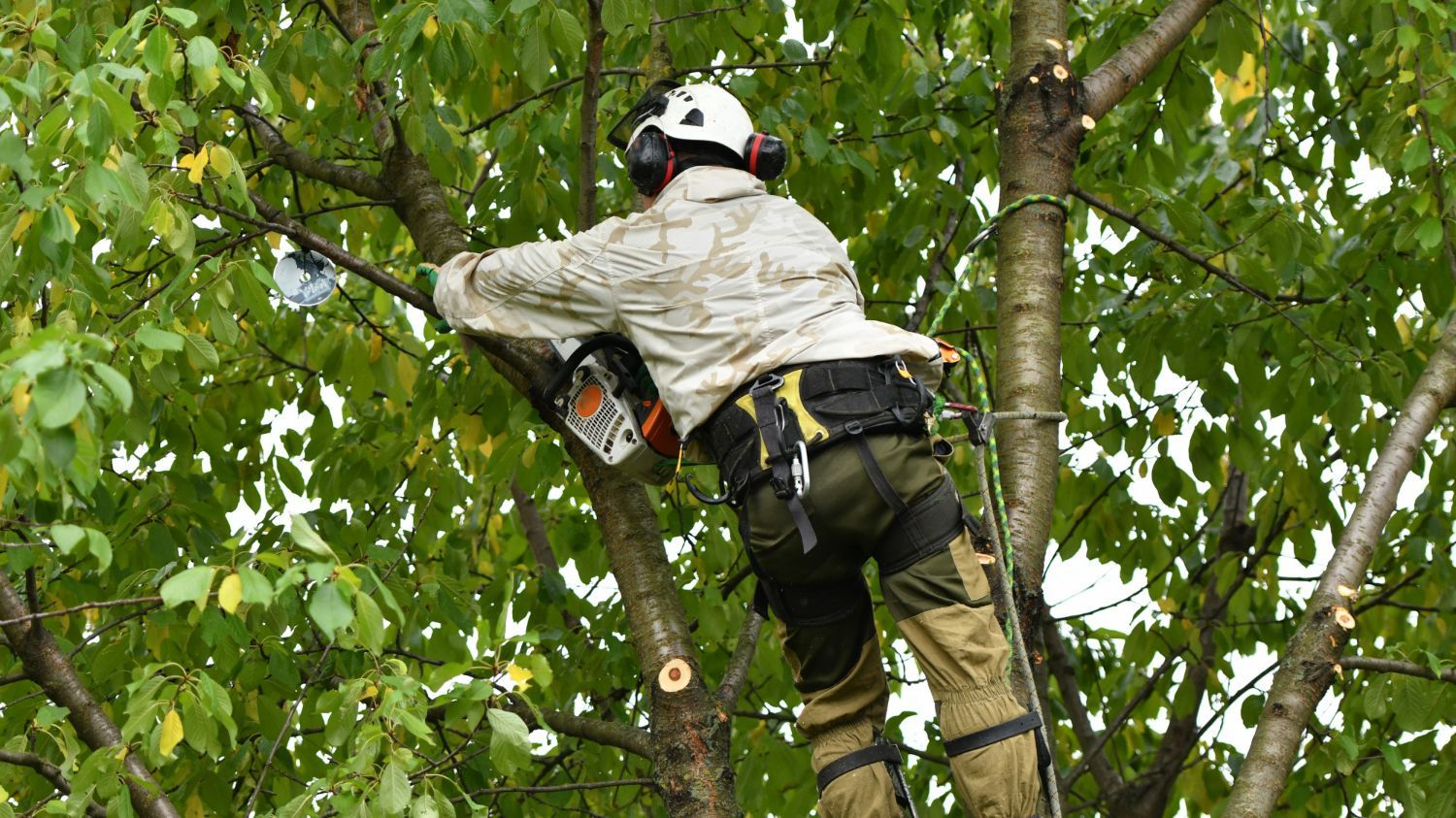
At Teague’s Tree Service, we are a family-owned, licensed, and insured tree care company, and we work with San Antonio trees in this kind of heat every day. We provide on-site evaluations, pruning to reduce failure risk, careful removals when a tree cannot be saved, new tree planting, and 24/7 emergency help when storms or heat-related failures hit without warning.
A careful look at your trees now can catch hidden heat stress, improve safety around your home, and set your landscape up for stronger growth next spring.
Protect Your Trees With a Professional Health Evaluation Today
If you are concerned about the condition of your trees, we are ready to help you catch problems early and keep your landscape thriving. Schedule a comprehensive
tree health assessment in San Antonio with Teague’s Tree Service so we can identify risks, recommend practical solutions, and support long-term tree vitality. To request an appointment or ask a question, simply
contact us and our team will follow up promptly.