San Antonio Storm Season: Document Tree Damage for Insurance and Permits
Storm Season Decisions in San Antonio
Strong summer storms in San Antonio can hit fast. One hour your trees look fine, the next you have limbs on the roof, a split trunk, or a blocked driveway. How you document that damage in the first day can affect your insurance claim and any permits you might need from the city.
This guide walks through what to do right after a storm, how to take helpful photos, what insurance adjusters and the City of San Antonio usually want to see, and what should be in an arborist report. We want you to feel calm and prepared, even when the wind and lightning are anything but calm.
Protect Your Storm Claim Before the Chainsaws Start
When a big storm hits, the first reaction is usually, “Let’s get this cleaned up now.” We understand that. But if you cut and haul everything away before you document it, you can make your insurance claim harder.
Here is why slowing down to document matters:
- Insurance adjusters need proof that storm forces caused the damage
- The city may need to see how a tree affected streets, sidewalks, or right-of-way
- Arborists need to see the scene to give an accurate risk and damage opinion
Adjusters, city staff, and arborists all look for similar things: clear photos, a basic timeline, and signs that the tree was damaged by sudden wind, hail, or lightning, not just long-term neglect. Good records help show you acted reasonably and safely.
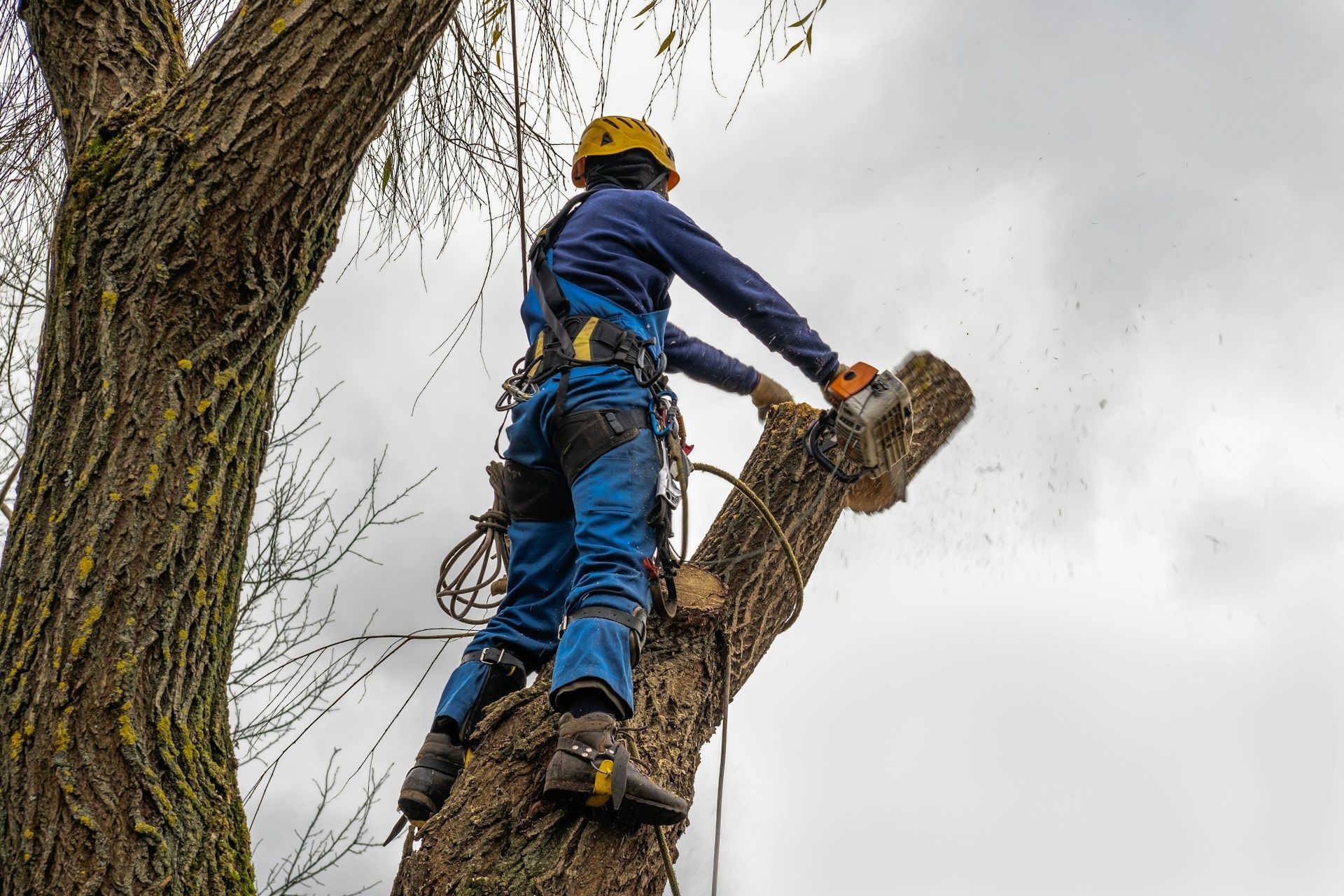
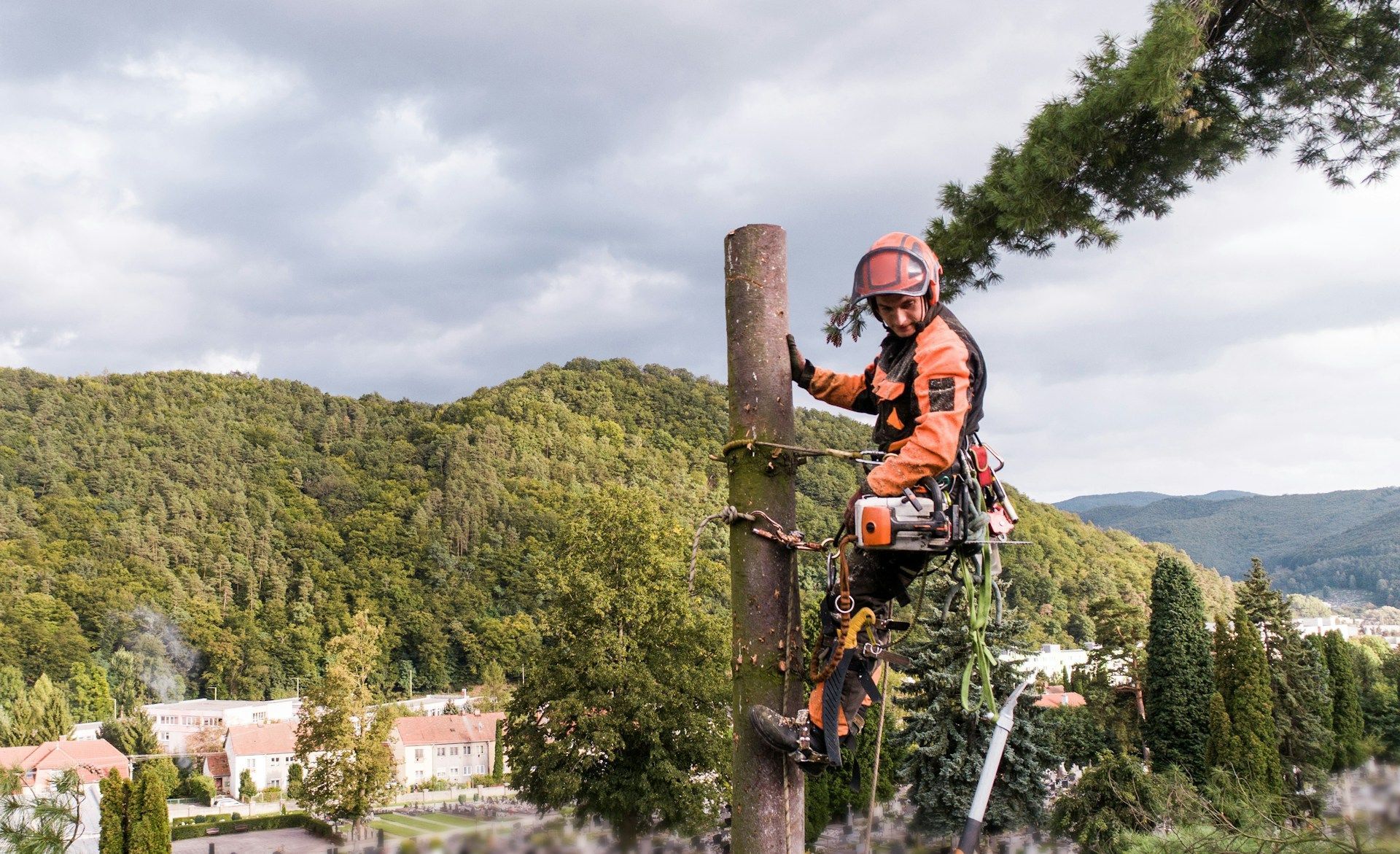
Our team at Teague’s Tree Service responds to storm damage across the San Antonio area. Because we are licensed and insured for tree work, we can help document your trees before cleanup begins, then handle the actual removal and trimming with safety in mind.
First 24 Hours After the Storm
Safety comes first, every time. Before you worry about photos or insurance, take a slow, careful look from a distance.
Watch for:
- Any line that could be a power or communication line
- Limbs hanging and barely attached
- Trees leaning in a new direction
- Blocked driveways or entrances you normally use
Stay back from suspected live wires and do not try to move them. If you see a line on a tree, fence, or roof, treat it like it is live and call 911 or your power company right away. After that, your next step should be a tree professional, not a ladder.
Once you know the area is safe enough to stand away from the tree and take photos, start your storm record.
Photo checklist:
- Wide shots from the street and from the yard, showing the whole tree and property
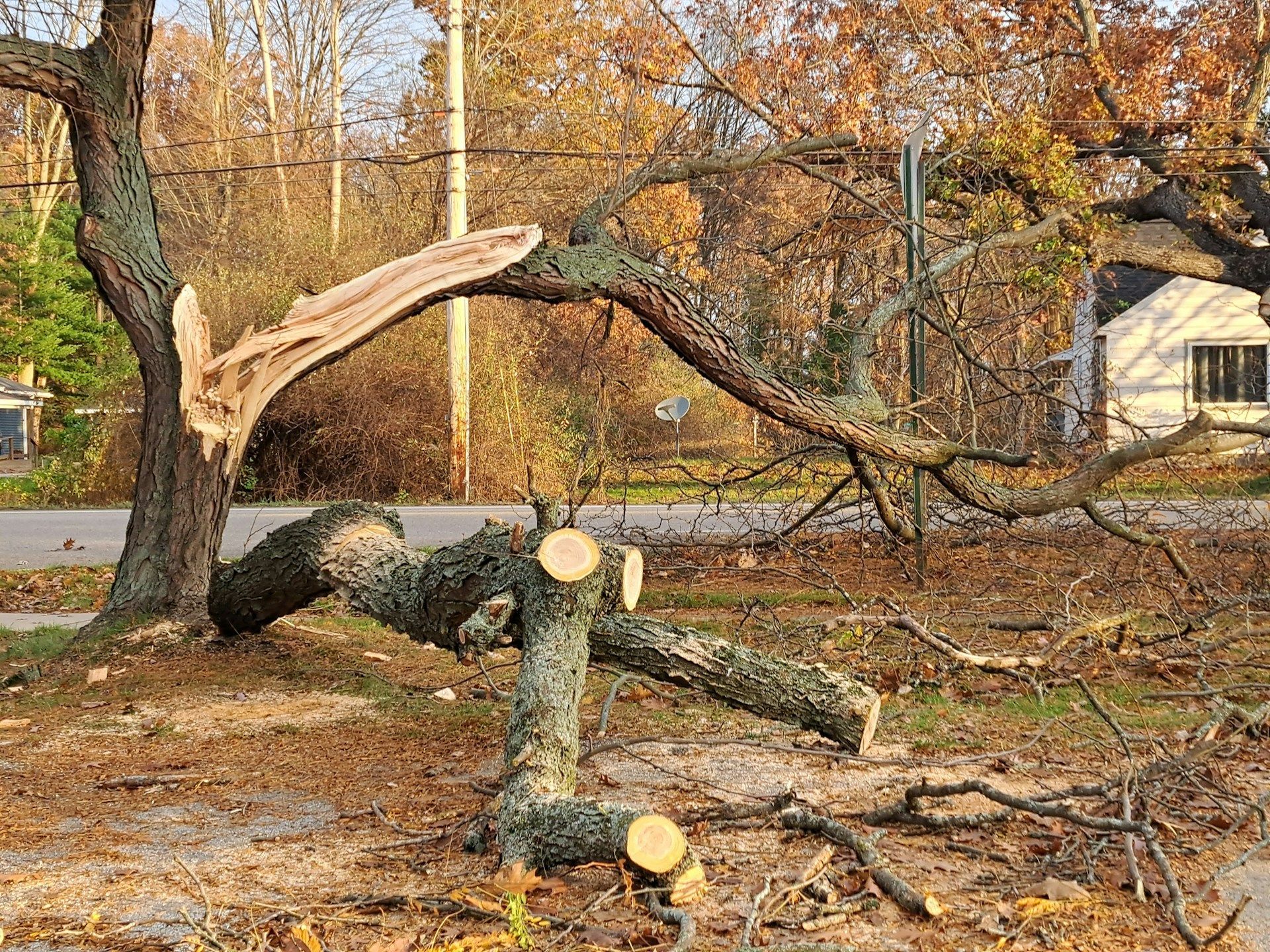
- Close-ups of trunk splits, cracked crotches, and broken limbs
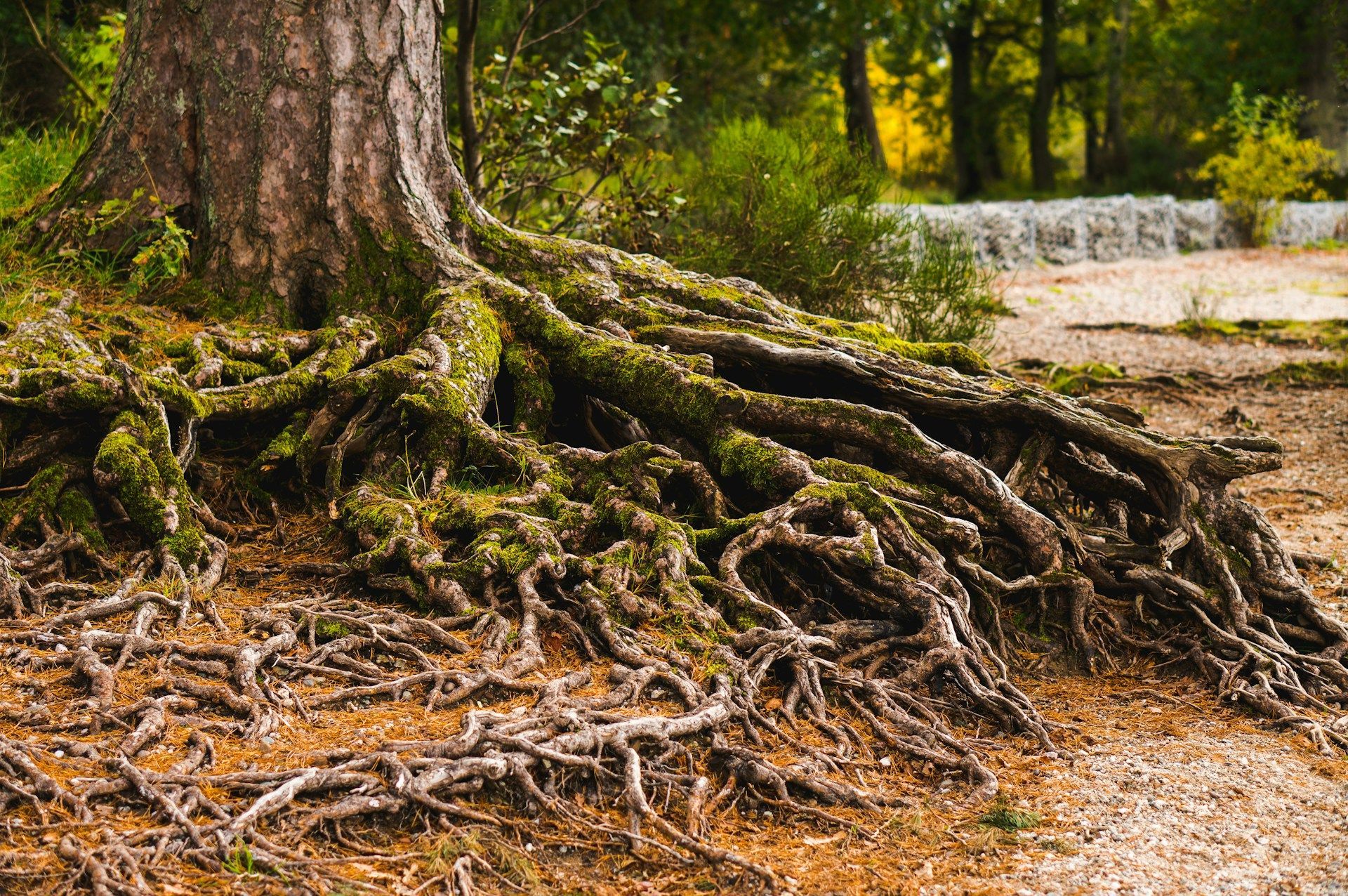
- Root upheaval, sunken soil, or exposed roots near the base
- Any contact with roofs, gutters, fences, sheds, vehicles, air-conditioning units, or sidewalks
- If you have older “before” photos of the tree, save those too
Try to turn on date and time stamps if your phone allows it. Take shots from different sides, not just one angle.
Then set up a simple timeline in a notebook or your phone:
- When the storm hit your area
- When you first saw the damage
- When you took photos
- When you requested emergency tree removal in San Antonio
That small list can go a long way for both your insurance company and any city staff who review your case.
What Insurance Adjusters Want to See
Insurance rules can feel confusing, especially around trees. In many policies, tree work is more clearly covered when a tree or limb damages an insured structure, like your house, garage, or fence. If a healthy tree just falls in the middle of the yard without hurting anything, coverage may be limited.
Good documentation helps in those gray areas. Adjusters usually like to see:
- Labeled photos that show both the tree and what it hit
- Written notes with dates, times, and any clear storm signs you noticed
- Contractor-written estimates that break down recommended work
- An arborist’s opinion on whether the tree was healthy before the storm or already weakened
The goal is to show that sudden storm forces did the damage, not long-term issues you ignored. When our crew at Teague’s Tree Service handles a storm call, we can provide written estimates and notes on what we saw when we arrived. With permission, we can also share details with your insurer to help clear up questions about what work is needed and why.
San Antonio Tree Rules, City Right-of-Way, and Permits
San Antonio does not just care about what is inside your fence. Trees that sit in or hang over the city right-of-way are also subject to rules. Right-of-way usually means the strip along streets, sidewalks, and alleys that the public uses, even if you mow it.
After a storm, permits or city approval might come into play if:
- A large tree is protected or considered a heritage tree
- Limbs or trunks block streets, alleys, or sidewalks
- Roots lift sidewalks or affect public drainage
- The tree sits on or next to commercial or multifamily property
Accurate documentation helps a lot here. Clear photos of:
- Limbs lying in the street or across sidewalks
- Root balls pushing up concrete
- Trunks that failed and now lean into public space
All these details can support emergency permit reviews. They show why quick action by a professional is reasonable, instead of waiting and hoping the next storm does not make things worse.
Inside an Arborist Report and Why It Matters
A strong arborist report pulls your photos and timeline into one clear story. It gives adjusters, city staff, HOAs, and property managers the expert opinion they need to make decisions.
Good storm damage reports usually include:
- Tree species, height, and trunk size
- Exact location on the property, including nearby structures or public areas
- Known pre-storm condition, if that information is available
- Visible storm damage, like splits, uprooting, or broken scaffold limbs
- A basic risk rating, such as low, moderate, or high risk
- Recommended actions, like pruning, cabling, monitoring, or removal
This type of report can support insurance claims by showing that major pruning or removal is justified, not just “nice to have.” It can also help save trees that can still be made safe with proper work instead of cutting everything down in a panic.
At Teague’s Tree Service, we work with local tree species every day, including oaks and cedar elms that handle wind and heat in different ways. We understand local soil conditions and common storm patterns in the San Antonio area. That experience helps us write reports that speak clearly to the people reviewing your claim or permit.
Call in the Pros Before You Cut
When you walk outside and see limbs on the roof or a cracked trunk over your driveway, grabbing a chainsaw can feel like the fastest fix. But cutting before you document can hurt your claim, create new hazards, or break city rules without meaning to.
A simple plan helps:
- Keep people and pets away from the damaged area
- Take wide and close-up photos from safe spots
- Write down your quick timeline
- Then bring in a licensed, insured tree expert for a safety check and documentation
Storms will always be part of life here, especially during the busy months of the year. With a calm process, solid photos, and help from professionals who know San Antonio trees and rules, you can protect your property, support your insurance claim, and stay on the right side of city requirements when the next storm rolls through.
Protect Your Property With Fast, Professional Tree Care Today
If a damaged or fallen tree is putting your home or business at risk, we are ready to respond quickly and safely. Learn how our team handles
Emergency tree removal in San Antonio so you can restore safety and peace of mind as soon as possible. At Teague’s Tree Service, we bring the right equipment, training, and judgment to every urgent situation. If you are facing a tree emergency right now or want to be prepared before the next storm,
contact us today.