DIY vs. Arborist in San Antonio: What Homeowners Can Safely Do
Stay Safe and Protect Your Trees Before You Start
Tree work looks simple from the ground, but it can change fast. A small cut in the wrong spot can hurt you, damage your home, or weaken a tree you love. That is why it helps to know where safe DIY stops and professional tree care starts.
Here in the San Antonio area, tree care brings extra challenges. We deal with long, hot summers, dry spells, sudden thunderstorms, and lots of oaks and cedars. These conditions can stress trees and turn small problems into big hazards if they are not handled the right way.
Our goal in this post is to help you spot what you can safely handle on your own and what calls for a licensed, insured arborist. With a clear plan, you can protect your family, your property, and the long-term health of your trees.
Smart DIY Tree Care You Can Safely Handle
Some light care from homeowners is actually good for trees, as long as it stays simple and safe.
For most people, safe DIY work includes:
- Small, reachable cleanup
- Careful watering and mulching
- Basic health checks from the ground
Let us look at each one more closely.
Light Pruning and Cleanup
You can usually handle small, dead twigs and branches you can reach while standing flat on the ground. Focus on things you can snip with hand pruners or a small handsaw, not a chainsaw.
Good rules to follow are:
- Only cut branches that are small, usually under about 2 inches thick
- Keep both feet on the ground, no ladders with power tools
- Use clean, sharp tools so cuts are smooth, not ragged
You can also remove suckers at the base of the trunk and thin water sprouts along lower branches. Light cleanup after mild storms, like picking up fallen sticks and small branches, is also fine.
Done gently, this kind of care improves airflow, keeps low branches from rubbing, and can reduce minor storm damage over time.
Seasonal Watering and Mulching
In our long, hot summers, water is one of the best gifts you can give your trees. Slow, deep watering at the drip line, where the outer branches end, is much better than quick, shallow watering near the trunk.
A simple pattern that helps trees:
- Water less often, but let the water soak deeply
- Aim for the soil to be damp several inches down, not just on top
- Water in the early morning when less is lost to the sun
Mulch is another DIY task that pays off. Spread mulch in a wide ring around the tree, 2 to 4 inches deep. Keep it a few inches away from the trunk flare so it does not touch the bark. This helps lock in moisture and shields roots from extreme heat.
When watering and mulching are done right, trees handle summer stress better and stand stronger when storm season brings sudden wind and rain.
Basic Tree Health Checks
Homeowners are in a great spot to notice early changes. Quick checks from the ground can tell you when it is time to keep an eye on something or call a pro.
Watch for:
- Leaves that change color early or look thin on one major section
- Bark that is peeling in strange patterns or cracks along the trunk
- Mushrooms near, but not on, the trunk and surface roots
- Small insect activity, such as clusters of bugs or sticky residue
It helps to keep simple notes with dates and photos when you see something new. If the problem gets worse, an arborist can use those details to understand what is going on. Spotting early signs is fine for DIY, but diagnosing diseases, decay, or big structural issues should be left to trained eyes.
When DIY Crosses the Line Into Danger
Some situations are risky before you even touch a tool. In those cases, our advice is simple: step back and bring in a professional.
Risky Situations That Require a Pro
Any time branches hang over:
- Roofs or gutters
- Driveways and parked cars
- Power lines or service lines to your home
- Fences, sheds, or a neighbor’s property
the risk goes up quickly. Large or heavy limbs can shift while being cut, swing in a different direction than you expect, or break earlier than planned.
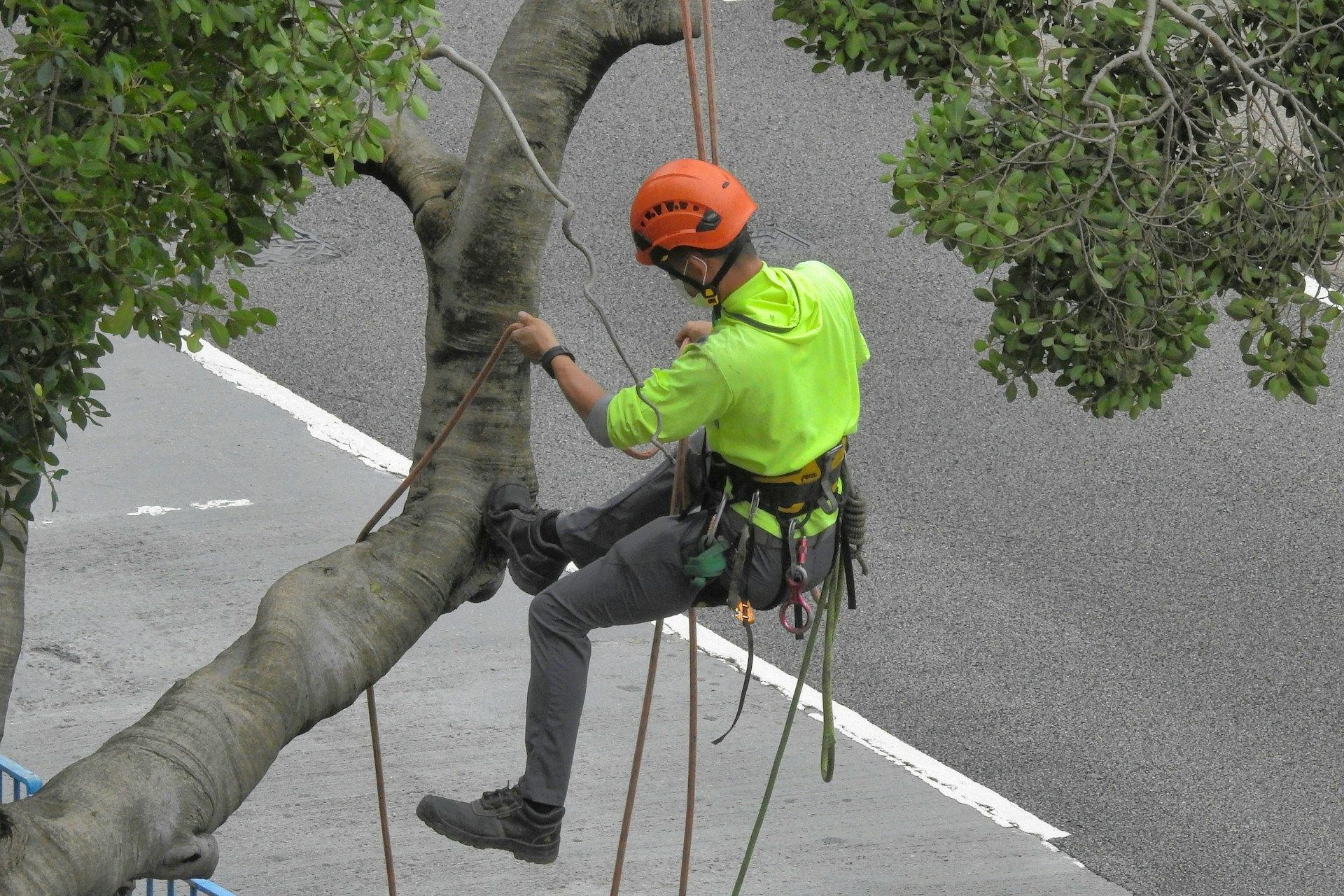
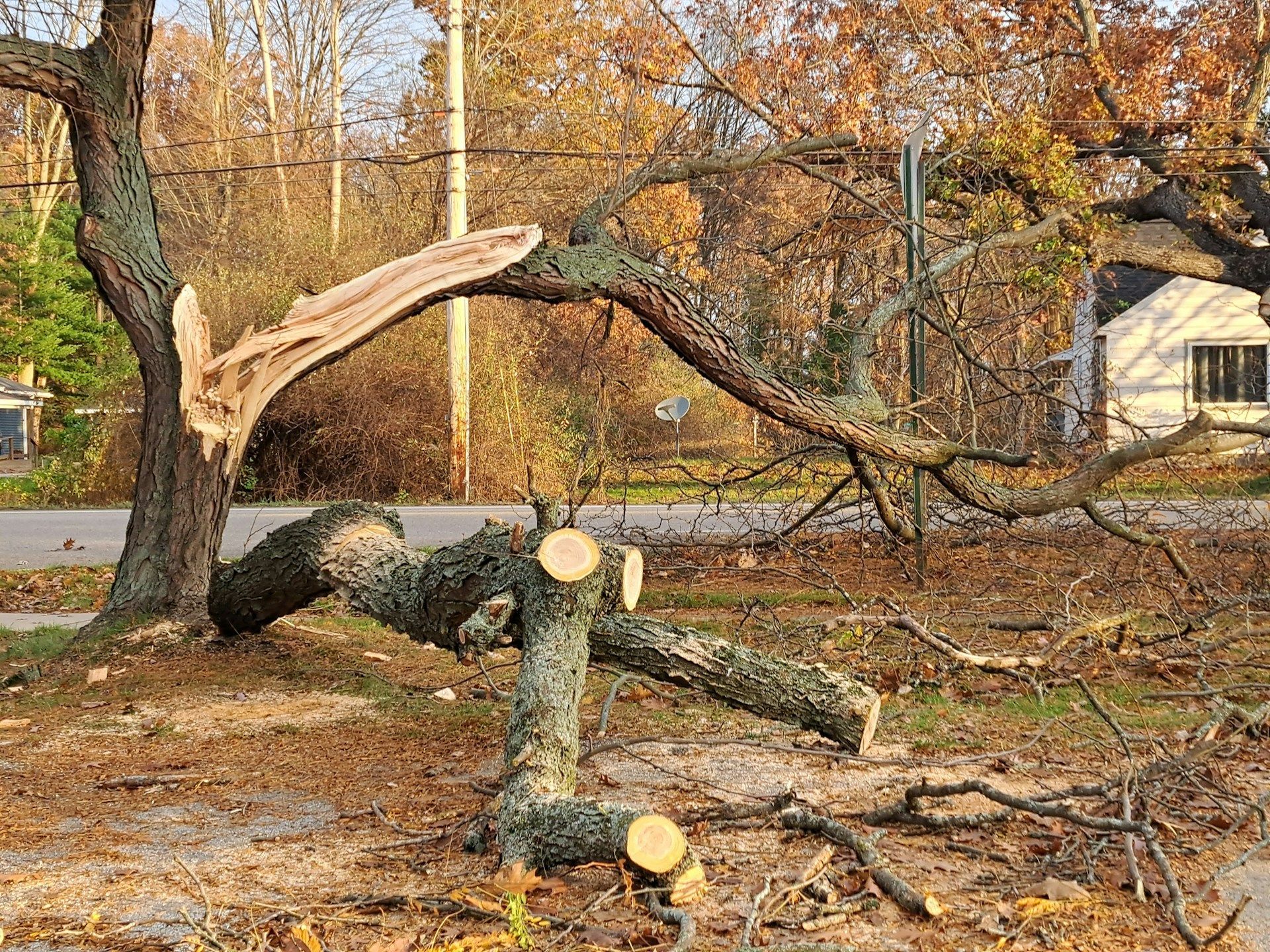
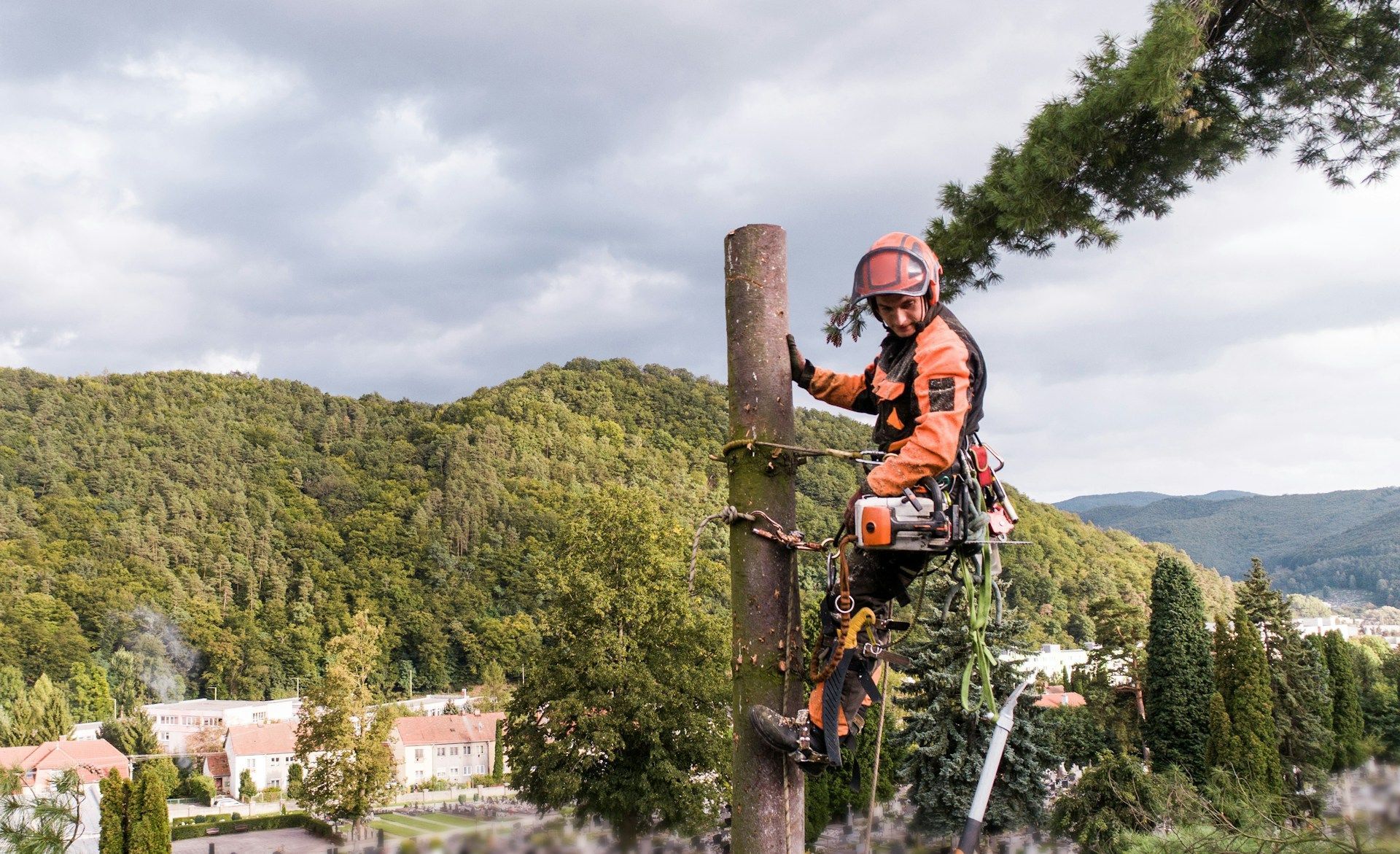
Leaners, split trunks, and trees that are partially uprooted after a storm are especially unpredictable. They may look stable, but weight inside the canopy can be uneven. Professional crews use ropes, rigging, and sometimes cranes so limbs come down in a controlled way instead of wherever gravity takes them.
Climbing, Chainsaws, and Heavy Equipment
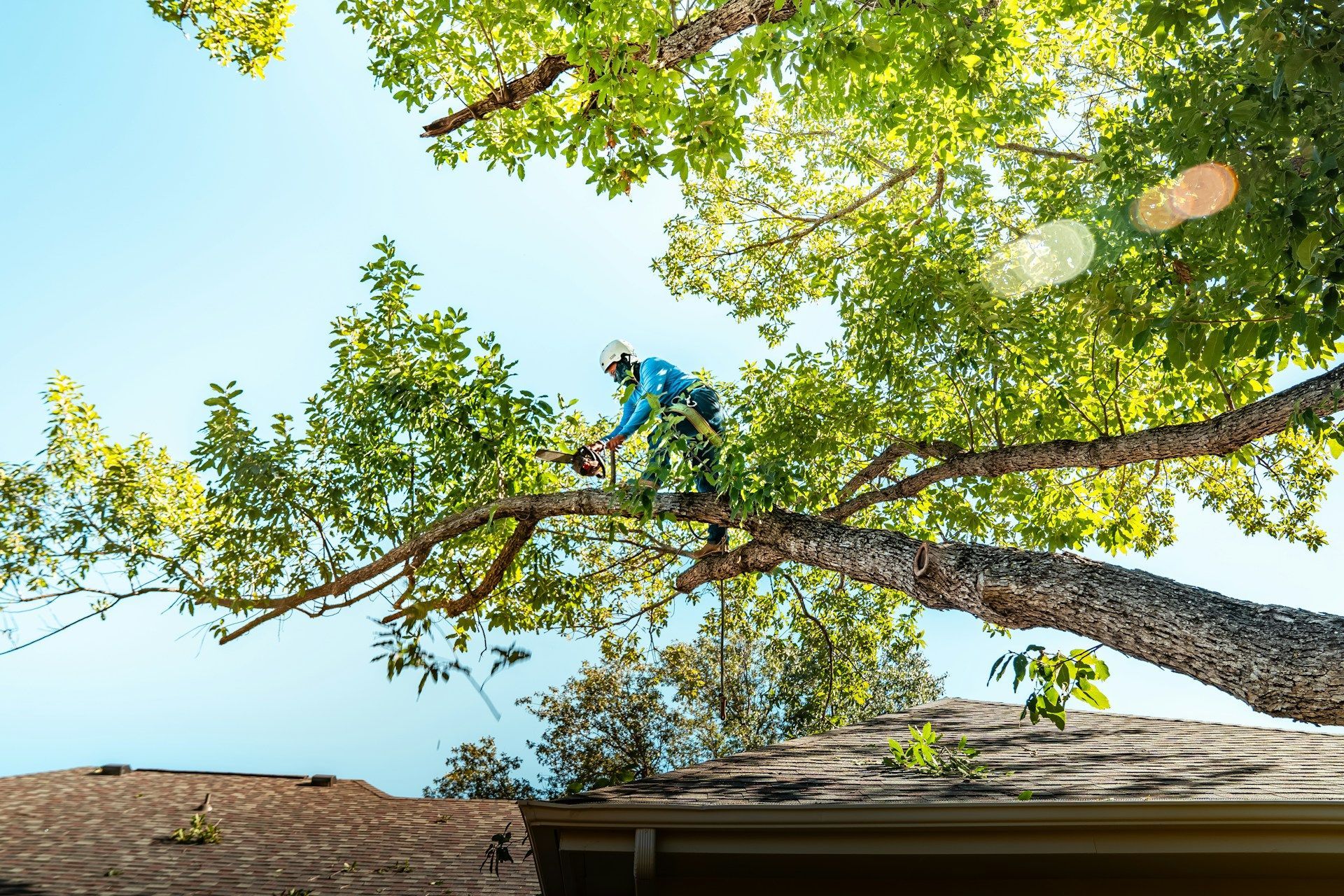
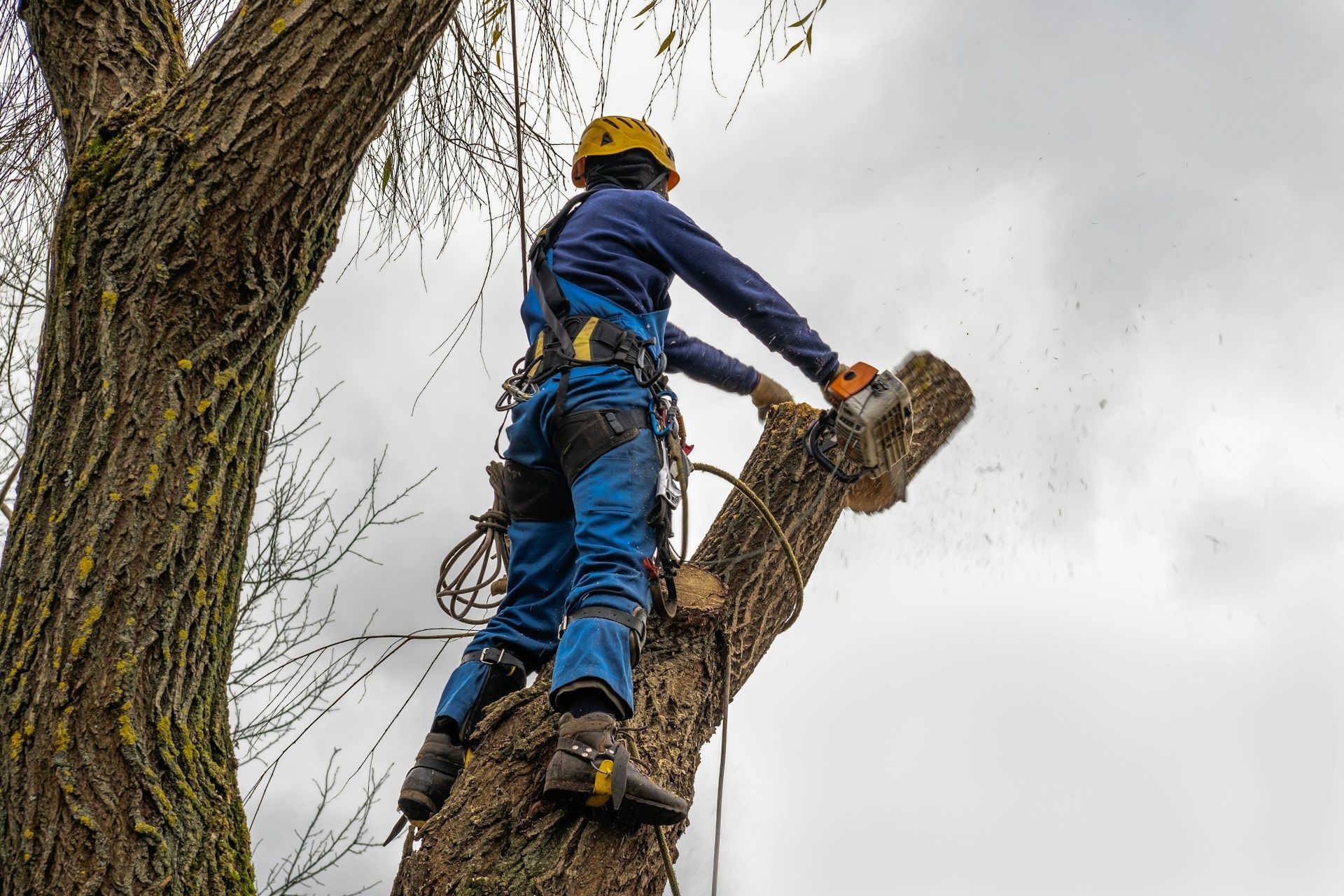
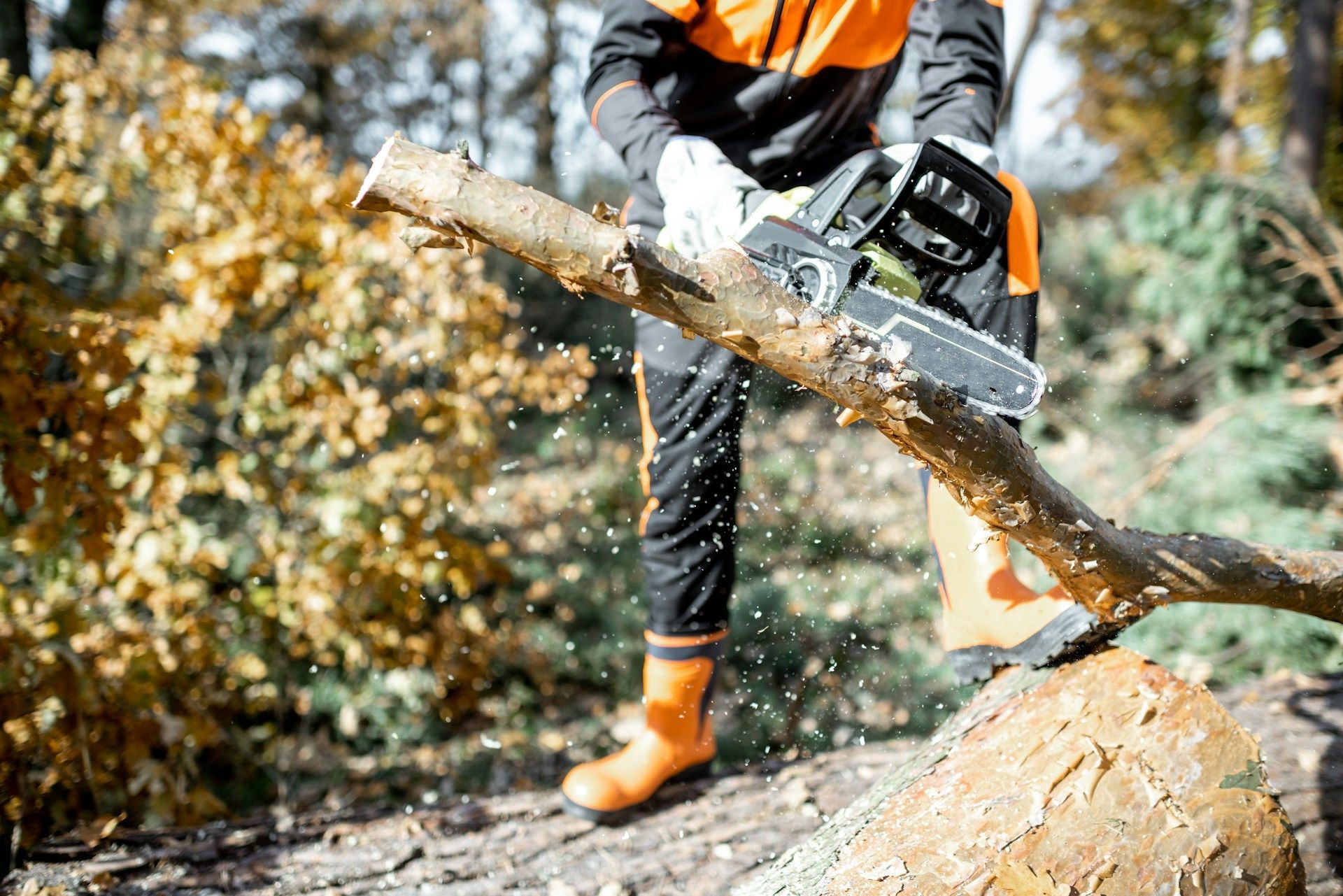
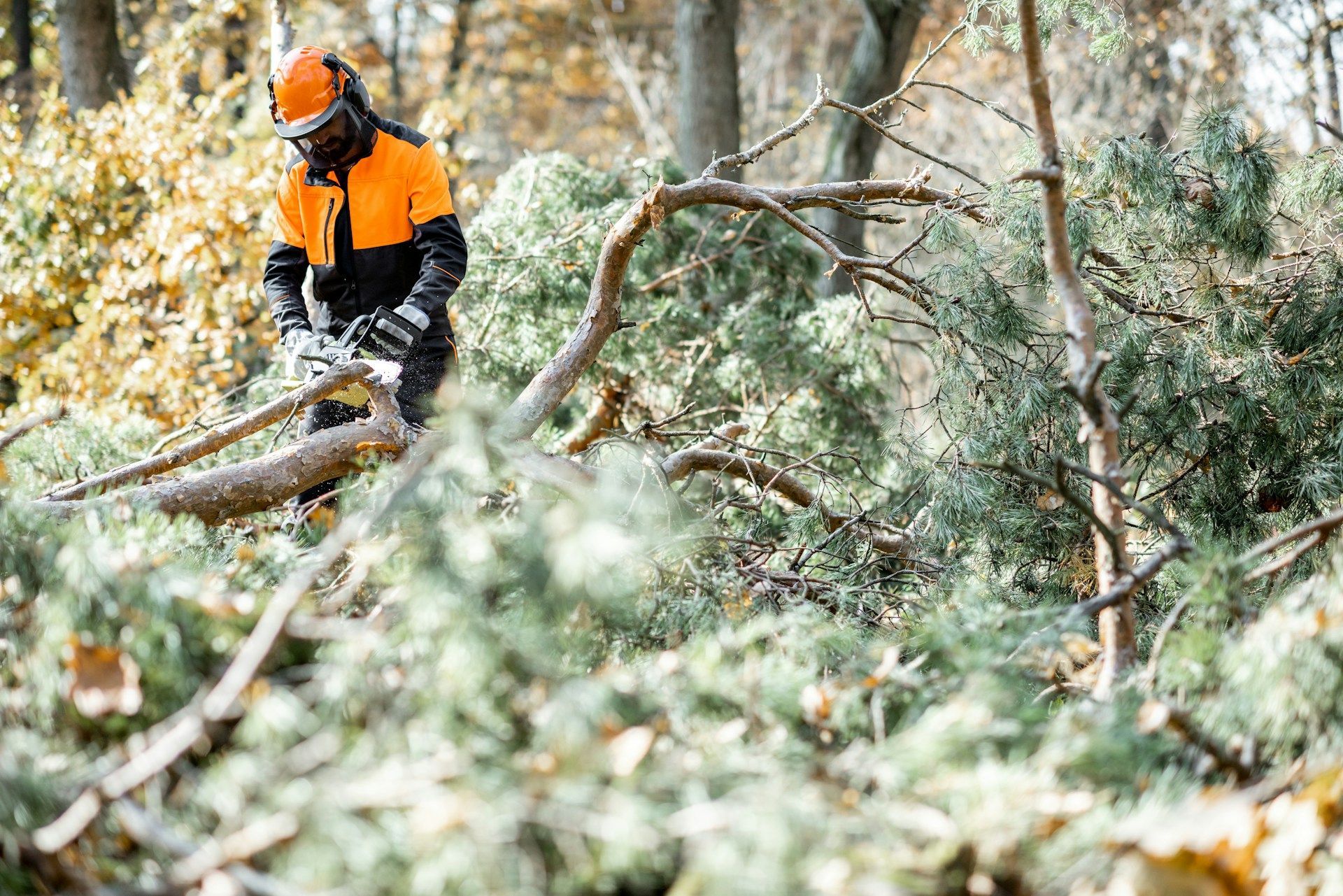
Ladders, climbing, and chainsaws are some of the most dangerous mixes in home care work. Add summer heat, high humidity, or slick bark after a sudden downpour, and things can go bad very fast.
Homeowners often underestimate:
- Kickback from a chainsaw
- How far a limb can swing when cut
- How quickly heat and dehydration hit while working overhead
Licensed, insured arborists train on safe saw use, fall protection, and rescue plans. Without that training and gear, it is easy to misjudge a cut, a footing, or your own limits.
Hidden Hazards Inside the Tree
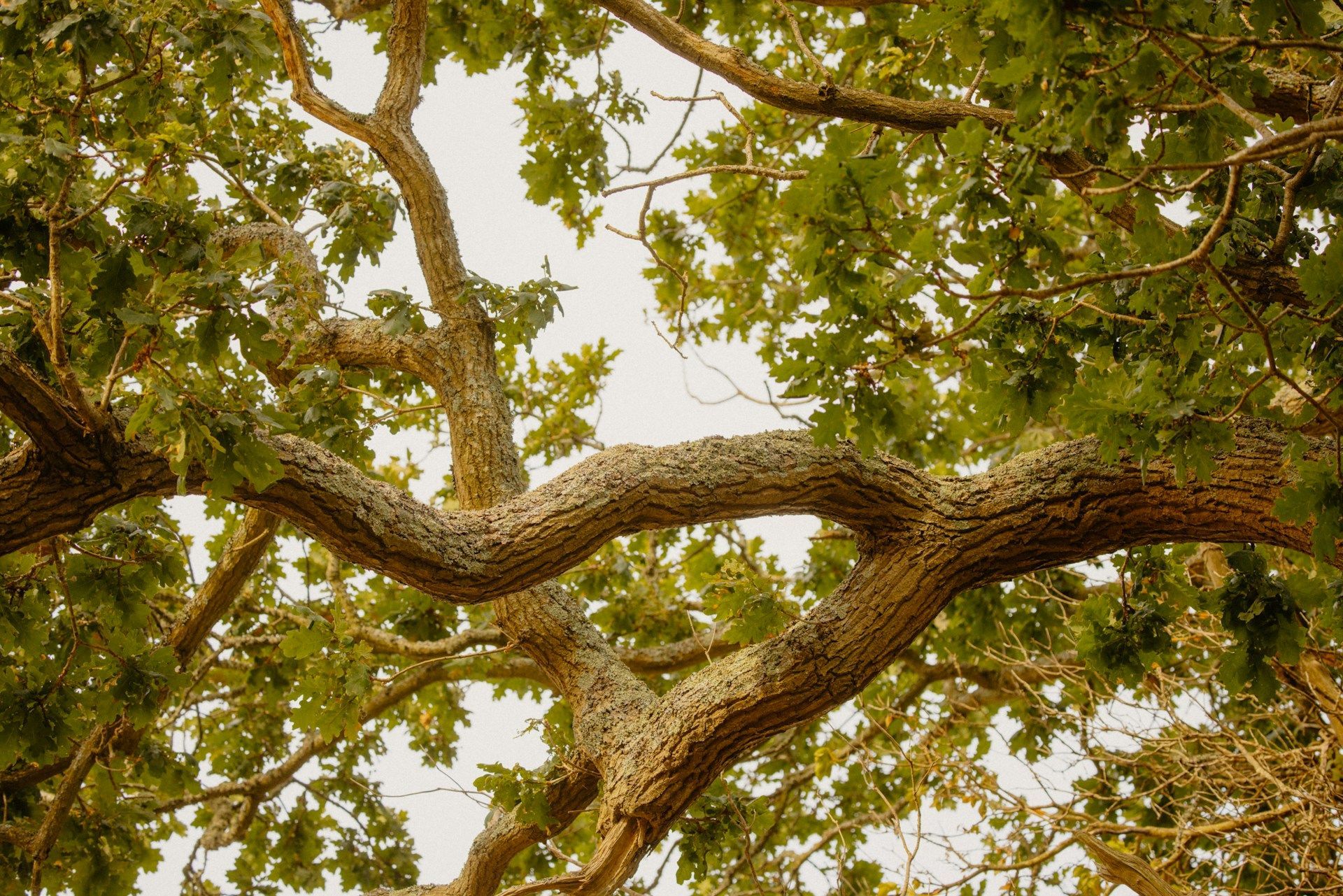
What you see on the outside is not always what is happening inside. A branch that looks solid may be hollow in the middle. Old storm wounds can hide deep cracks. Previous bad pruning, like topping, flush cuts, or heavy thinning, can leave weak attachment points that fail when weight shifts.
If you are not sure how solid a branch, trunk, or old cut area is, treat that as a warning sign. Trying a test cut with DIY tools can turn a hidden problem into a sudden break.
San Antonio Rules, Permits, and Tree Protection
Beyond safety and health, there are also local rules to think about.
Understanding Local Tree Regulations
San Antonio and nearby communities often have rules for protected trees, heritage oaks, and large removals, especially on bigger properties or new building work. Removing or heavily pruning the wrong tree without permission can lead to fines or slow down projects later.
Before you remove a large tree or do heavy pruning, it is smart to:
- Check city or local rules for protected species and sizes
- Ask if a permit is needed for removal or major trimming
- Keep records of any approvals or decisions
These steps can also help when it is time to sell your home, since buyers and inspectors sometimes ask about past tree work.
How an Arborist Handles Permits for You
Professional tree services work with local codes and utility companies on a regular basis. They can help you figure out if a tree is protected, what needs to be documented, and how to handle any forms so your project stays on track.
They also keep up with timing rules and best practices, like when it is safer to prune oaks to lower the risk of disease spread while still following local guidance.
Neighbor, Boundary, and Utility Considerations
Trees along property lines and over shared fences can create tension if work is not handled carefully. A neutral, professional opinion can help:
- Clarify where the tree sits
- Explain what is safe and reasonable to remove
- Reduce arguments about damage or future growth
Any work near power lines or utility easements is not a DIY job. Service drops, transformers, and main lines bring serious shock risks. That kind of trimming should always involve the utility company or qualified line-clearance professionals.
Common DIY Mistakes That Hurt San Antonio Trees
Even when the goal is to help, some common habits can cause long-term harm.
Overpruning and Wrong Cuts
Taking out too much at once, topping the canopy, or leaving a flat line of stubs can shock a tree. It also:
- Makes trees more likely to break in high winds
- Invites decay and pests into large, open wounds
- Shortens the overall life of the tree
Proper cuts are made just outside the branch collar, not flush against the trunk and not several inches away. When in doubt about how much to remove or where to cut, it is safer to stop and get help.
Ignoring Local Pests, Diseases, and Climate
Here, heat, humidity, and stress can push diseases and insects to spread faster. Unclean tools, pruning at the wrong time, or wounding the trunk can open the door to bigger problems, especially for oaks and other common species.
Professional diagnosis helps you understand:
- Which pests are a true threat and which are just passing through
- Whether odd spots or wilting are about water, soil, or disease
- What timing and methods are safest for problem trees
Misjudging Tree Size and Future Growth
Planting too close to houses, fences, or lines and then trying to keep a tree small with constant pruning often backfires. Cutting big roots, trimming one side hard, or shearing the same tree again and again can leave it unstable.
Before you make big changes around mature trees or start heavy reshaping, it is smart to get a long-term pruning and growth plan from a pro so you keep both shade and safety.
Make a Safe Plan for Your Yard This Season
As summer moves along, take a slow walk around your yard. Note the simple tasks you can safely handle, such as light cleanup on low branches, better watering habits, and fresh mulch. Then make a separate list of bigger concerns, like large limbs over roofs, trees close to power lines, or any that look cracked, leaning, or stressed.
Keep a short seasonal checklist for your trees, and add a professional evaluation every few years or after major storms. With that mix of smart DIY and skilled arborist help, your trees can stay safer, stronger, and healthier for the long haul.
Get Started With Your Project Today
If you are ready to protect the health, safety, and appearance of your trees, our team at Teague’s Tree Service is here to help. Explore our full range of professional
tree care in San Antonio to find the services that fit your property’s needs. Tell us about your trees and goals, and we will provide straightforward recommendations and a clear plan. When you are ready to move forward or have questions, simply
contact us and we will follow up promptly.