Monsoon vs. Spring Storm Tree Damage in San Antonio: Cleanup Priorities
Monsoon vs. Spring Storm Tree Damage in San Antonio
Storm season in San Antonio does not look the same from spring to late summer. Fast spring storms hit hard with wind and hail, while summer monsoon patterns bring long, soaking rains and heavy, sticky soil. Your trees feel both types very differently, which means cleanup and follow-up plans need to change too.
In our clay-heavy neighborhoods, with big live oaks, pecans, and ornamentals close to homes and driveways, small choices after a storm can make a big difference. We will walk through how spring and monsoon storms damage trees in different ways, what to watch for in your yard, and when it is time to bring in an arborist for tree cleanup in San Antonio.
How Monsoon Rains Stress Trees From the Ground Up
When those slow, steady summer rains set in, the problem often starts below your feet, not up in the branches. Our local clay soil holds water like a sponge, and that can be hard on tree roots.
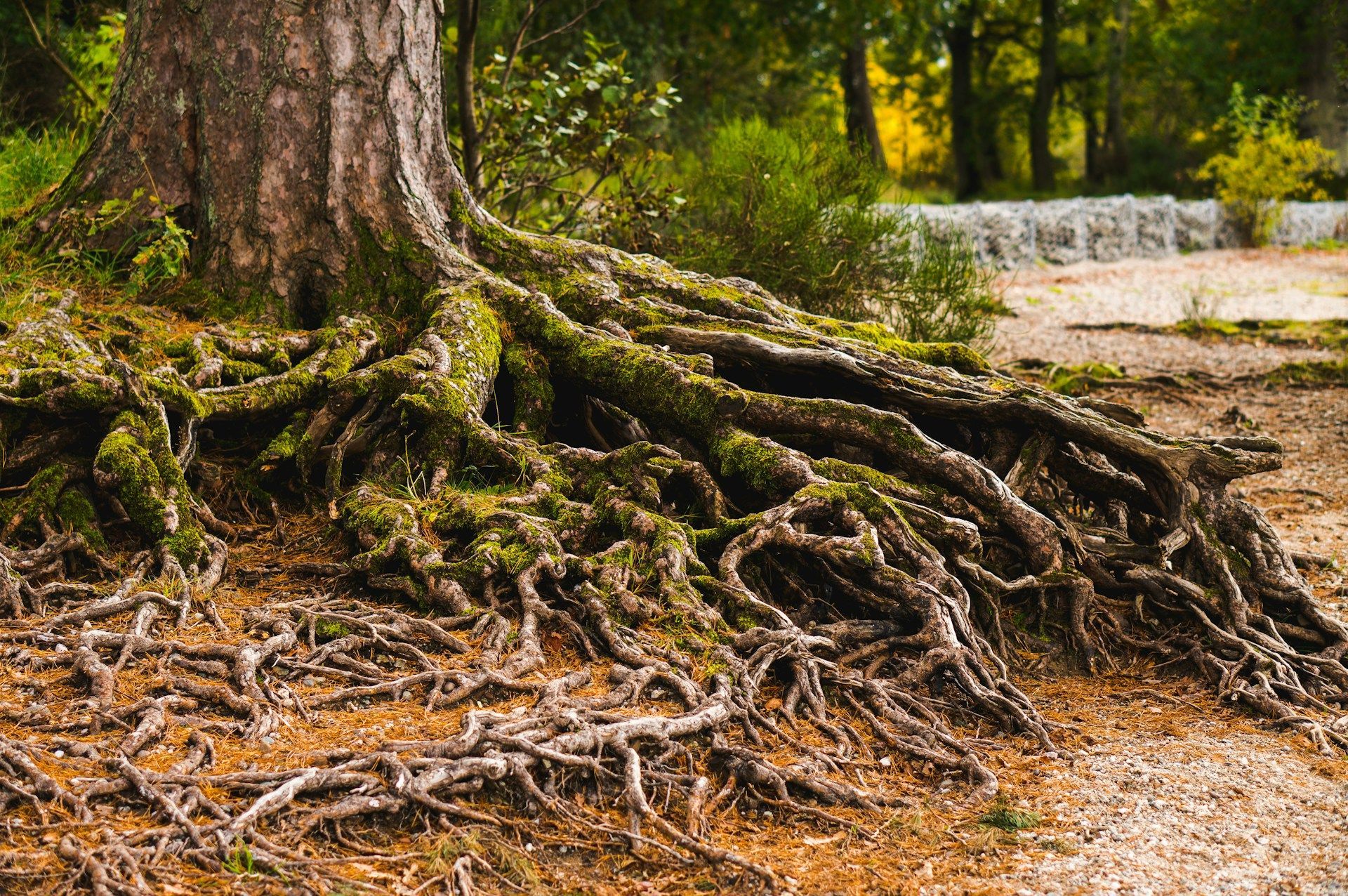
Waterlogged soil and hidden root failure
Prolonged monsoon rain can:
- Fill soil pores with water so roots get less oxygen
- Loosen the grip of roots in already soft, clay-heavy yards
- Turn a solid root system into something that slides when the wind picks up
Warning signs that roots may be failing include:
- A new lean that was not there before the rain
- Soil pushed up on one side of the tree, like a small mound
- Cracks in the ground near the trunk
- Large roots suddenly exposed or lifting out of the soil
A tree does not have to fall during the storm to be unsafe. Many trees topple days later, when a light breeze or one more shower hits a root system that is already compromised.
Increased risk of fungus and decay
Constant moisture around the trunk and root flare is great for fungi. Oaks, pecans, and many ornamental trees in San Antonio are especially at risk when they stay wet too long.
Watch for signs like:
- Mushrooms or shelf-like growths at the base
- Dark, wet-looking streaks or patches on the bark
- Wood that feels soft or spongy near the trunk flare
These are red flags that decay might be starting on the inside. A post-monsoon arborist visit can catch early problems before they turn into large removals later.
Cleanup priorities after monsoon storms
With monsoon damage, it is smart to think from the ground up.
- Check the base and root zone first, before anyone works under the canopy
- Use lighter equipment or hand tools when possible to avoid compacting already soggy soil
- Keep heavy trucks and trailers off saturated areas so roots are not stressed even more
Once the soil begins to drain, a scheduled visit from a licensed arborist lets us assess structural stability and root health before the next windy day rolls through.
Wind-Driven Spring Storms and Immediate Hazards
Spring storms in San Antonio tend to arrive fast, with sudden wind gusts that can shred a tree canopy in minutes. In these storms, the most dangerous issues are often the ones you can see right away.
Fast, violent winds and broken canopy structure
Strong winds can:
- Snap limbs and leave cracked branches hanging
- Twist the tree crown so branches cross and rub
- Toss limbs onto roofs, cars, fences, and sheds
Common visible damage includes:
- "Widowmaker" branches hanging high overhead
- Large splits where big limbs tore away from the trunk
- Branches resting on roofs, gutters, and utility lines
These are immediate safety hazards and call for prompt, professional tree cleanup in San Antonio to protect people and property.
Hail, lightning, and bark wounds
Spring storms can also bring hail and lightning, which may not always break a tree, but can still leave lasting damage.
Hail can:
- Strip leaves off branches
- Bruise young limbs
- Weaken trees that were already stressed from dry spells
Lightning strikes may:
- Blow sections of bark away
- Leave long vertical cracks in the trunk
- Cause sudden wilting or browning of leaves on one side of the tree
These wounds become open doors for pests and disease. Even if the tree is still standing, an inspection helps decide what should be pruned now and what needs monitoring.
Cleanup priorities after spring storms
With spring storm damage, the first focus is on things that can hurt someone right away.
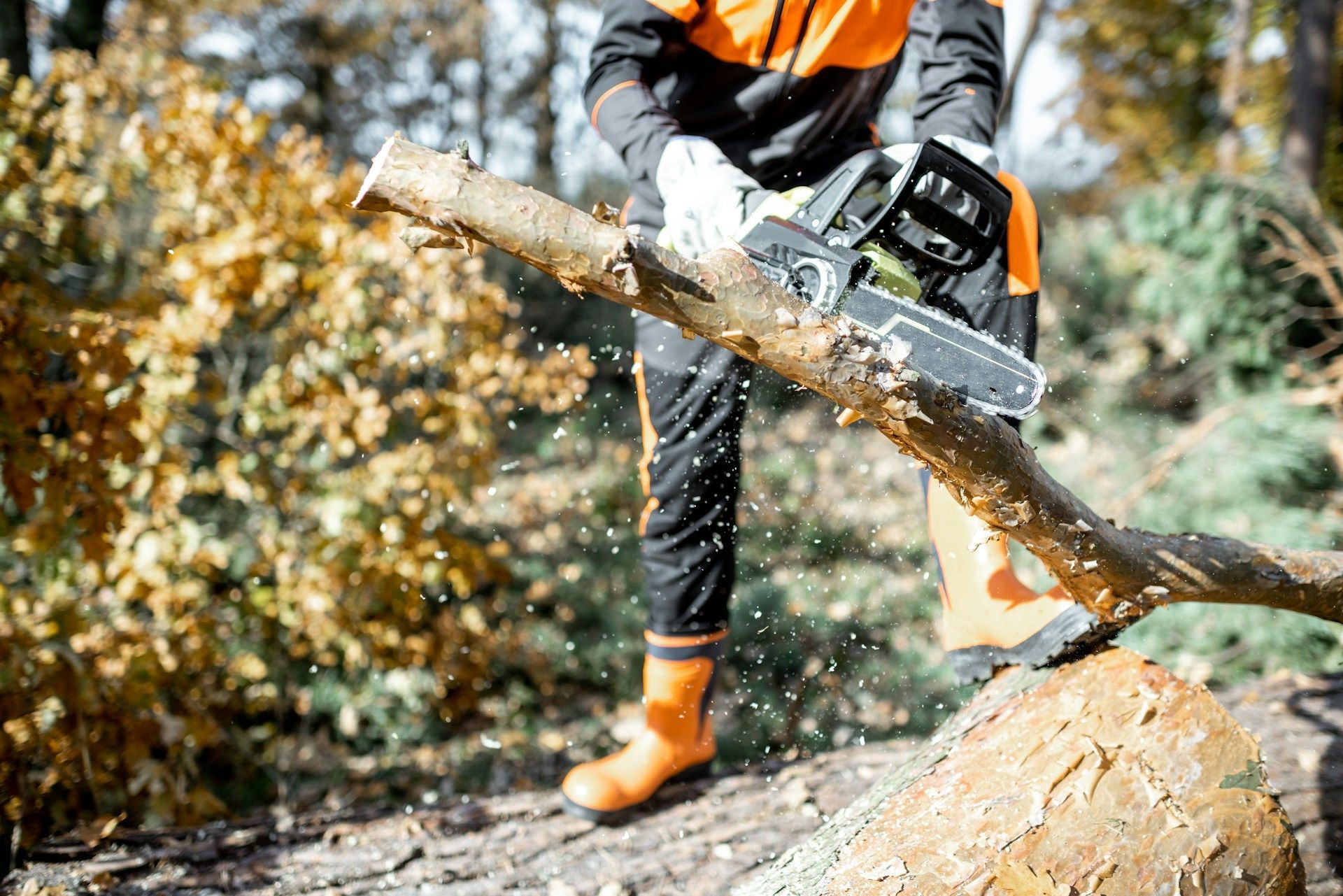
- Remove hanging limbs over walkways, driveways, patios, and play areas
- Clear branches pressing on roofs or blocking doors and main access points
- Tackle downed limbs in yards only after dangerous overhead pieces are handled
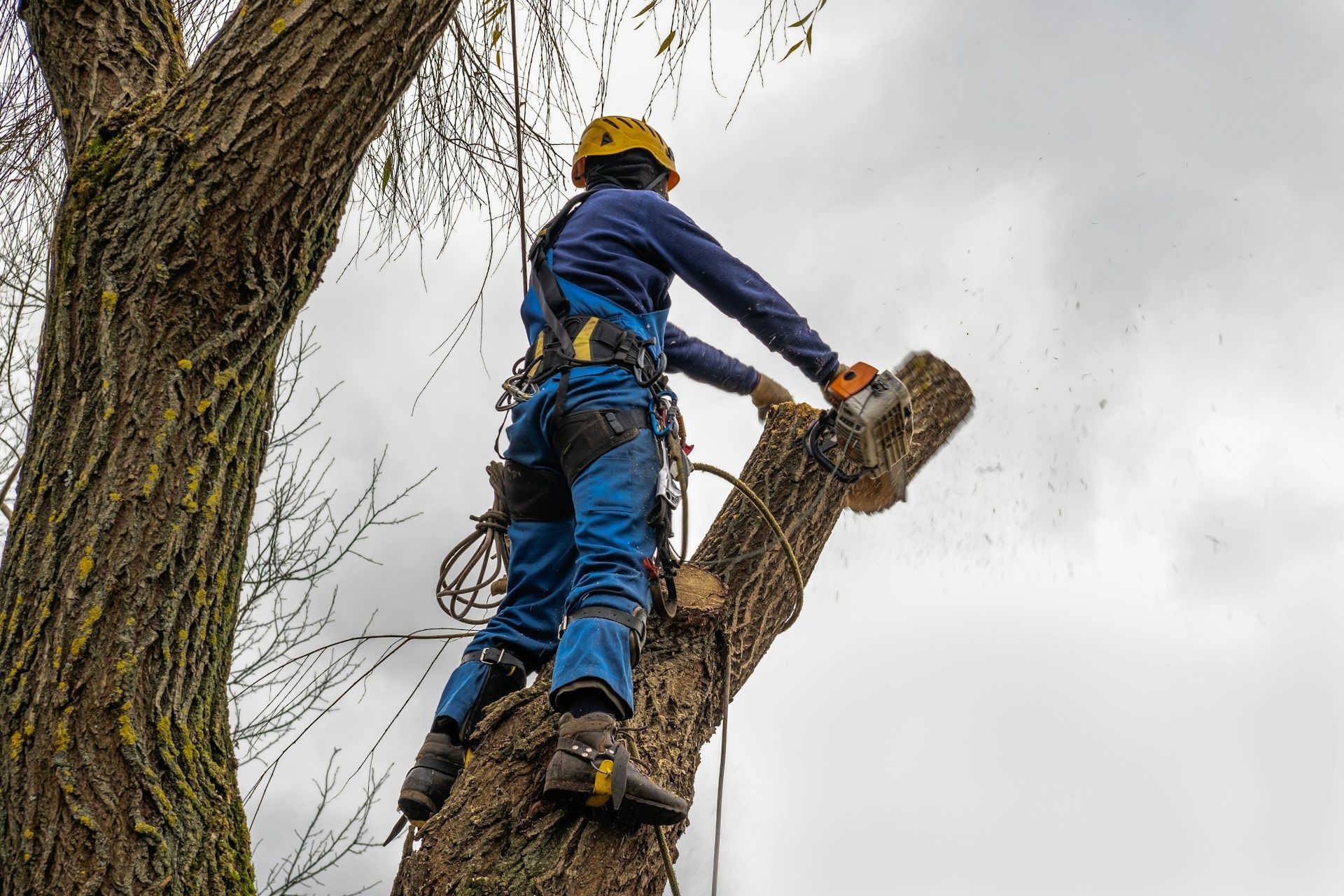
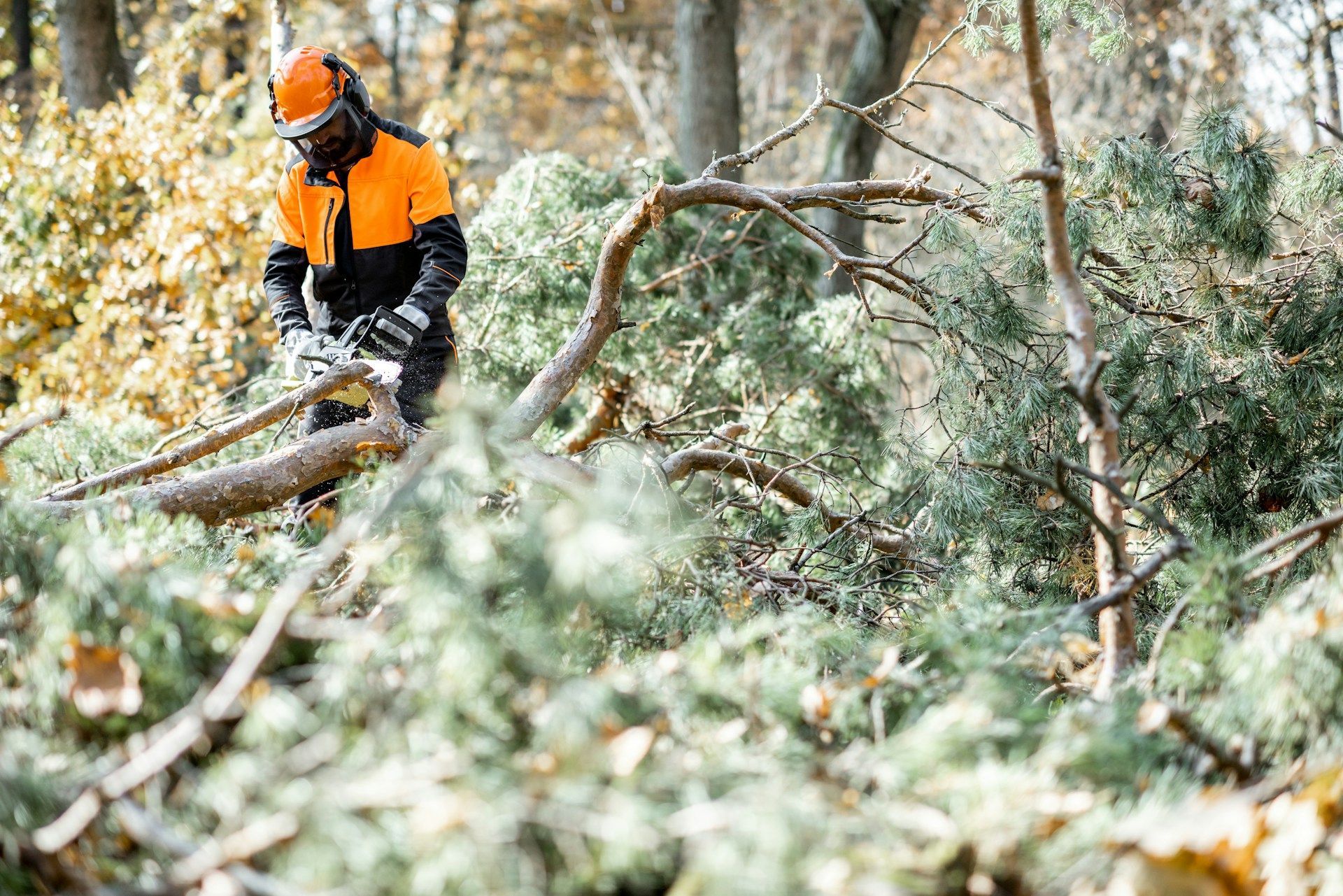
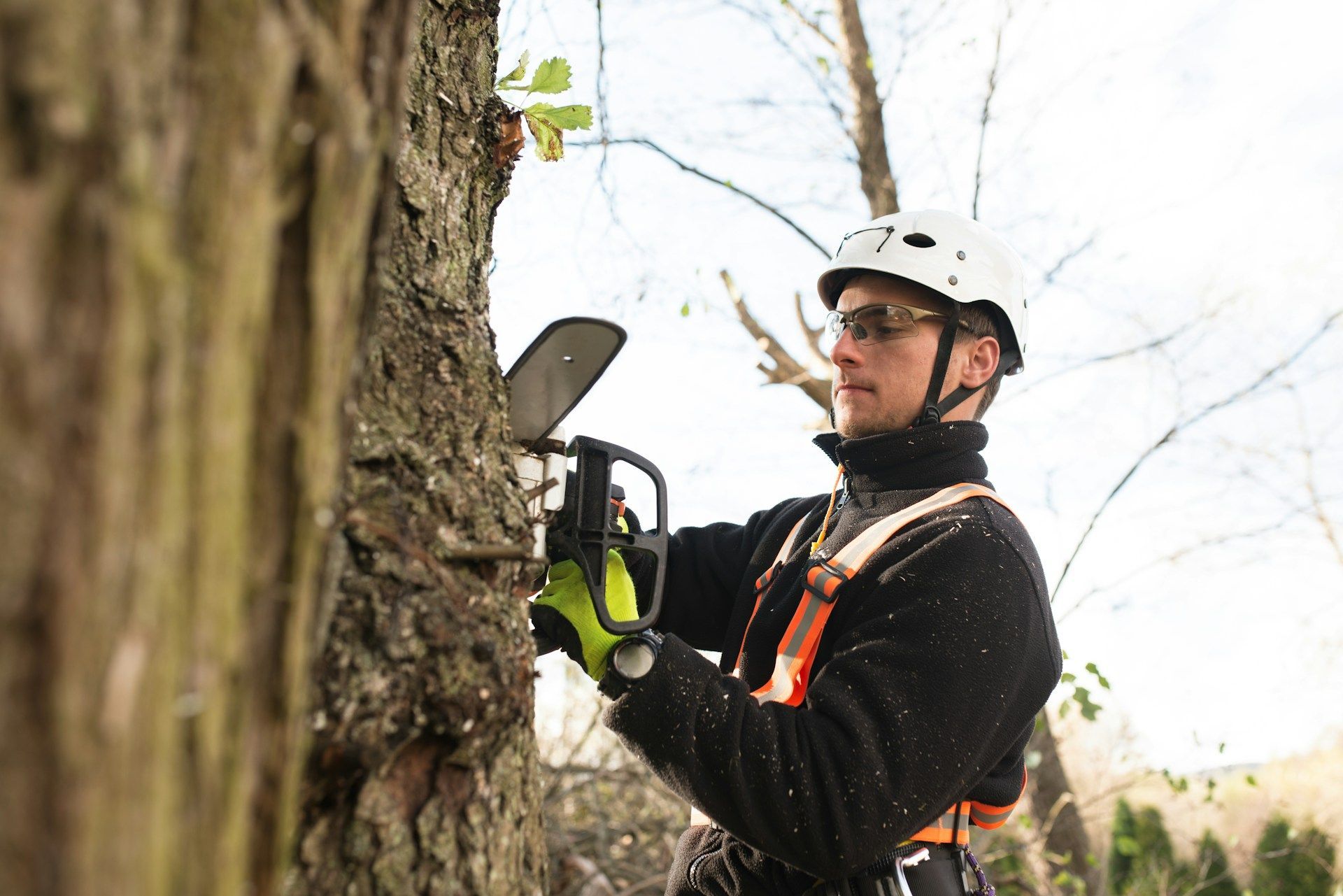
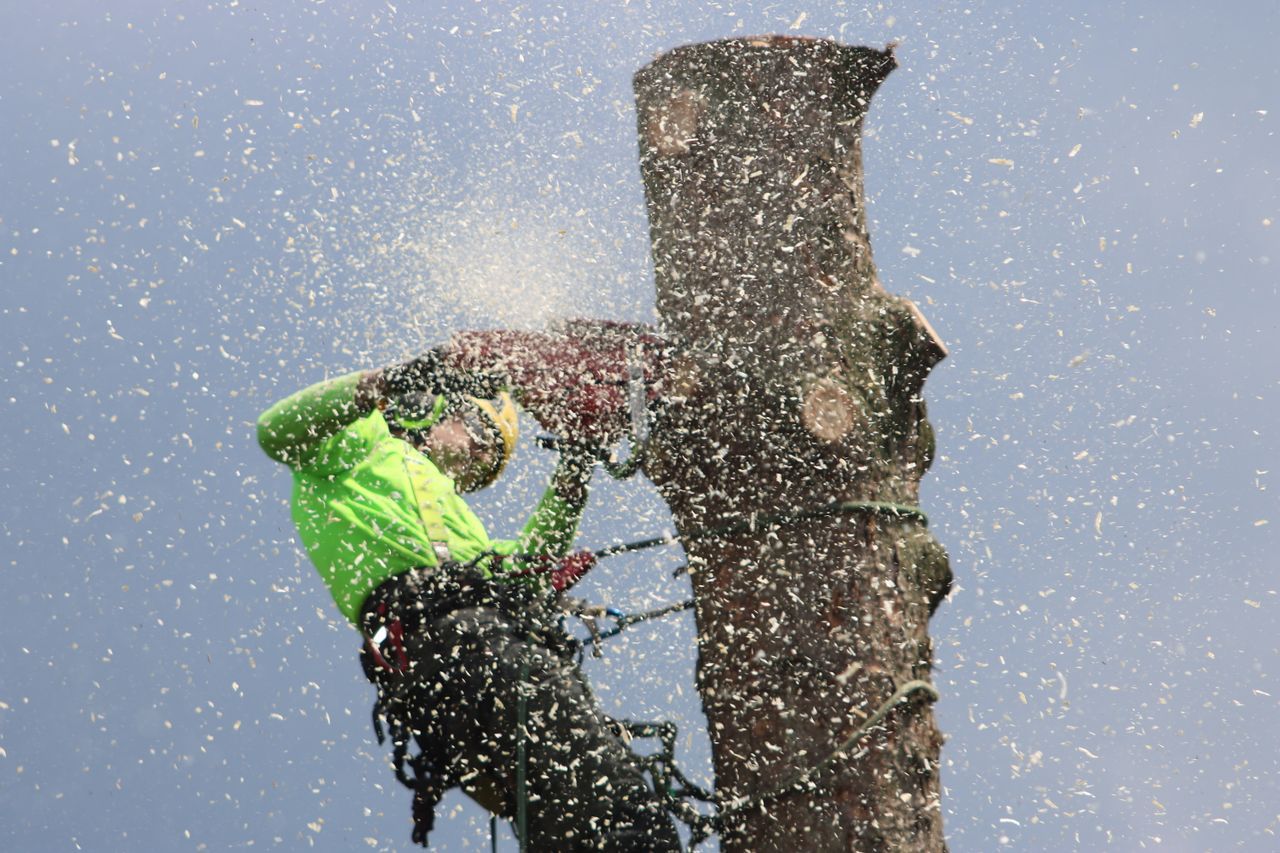
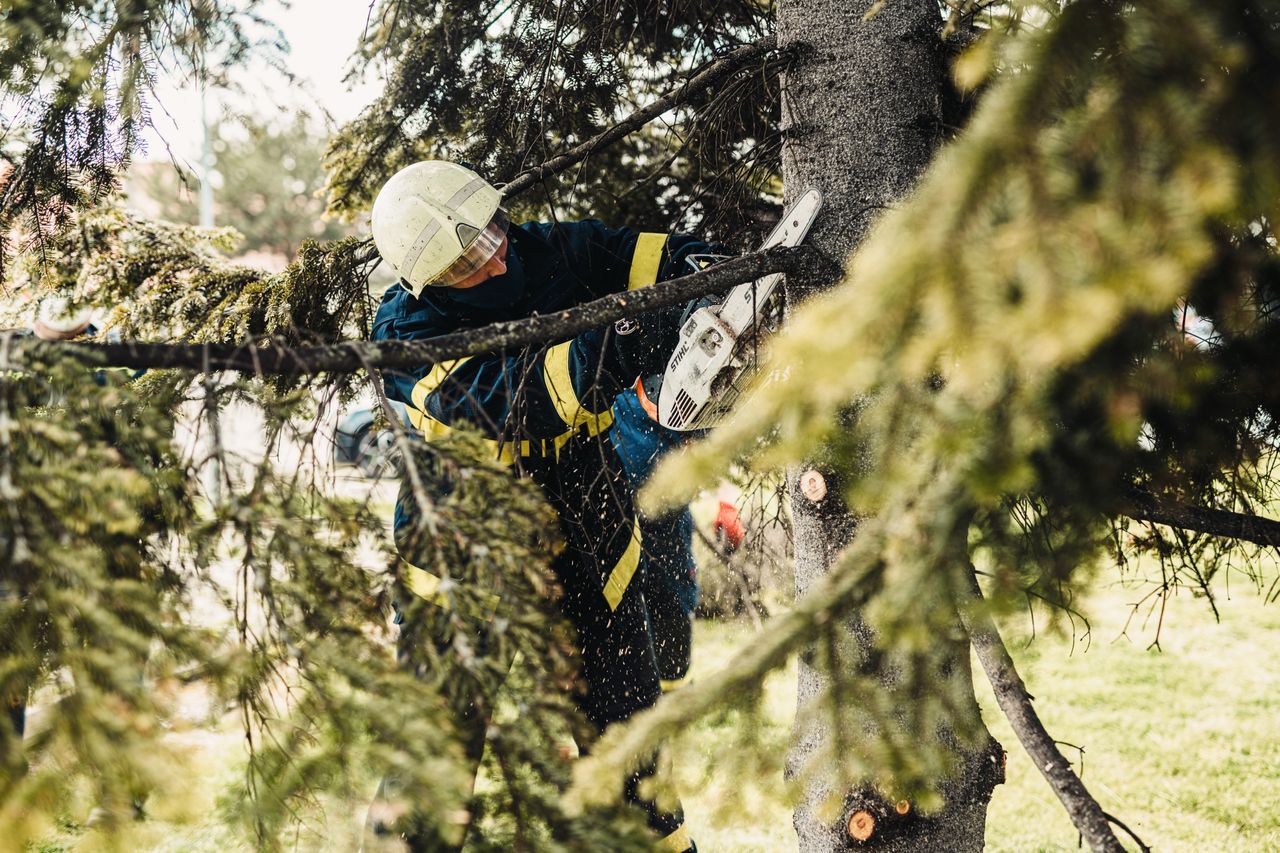
Proper pruning cuts are important. Topping or random cutting can weaken a tree before the hot part of the year, making future storm damage more likely. An arborist can map out structural damage, then build a simple plan: urgent safety cuts now, shaping and health care later.
Pest and Fungus Risks When Wet Weather Makes Damage Worse
Storms do not just break trees, they can also set them up for pests and fungus that quietly spread over time.
How monsoon moisture boosts pest pressure
Extended humidity and standing moisture help many insects thrive, especially when trees are already stressed from storms.
After repeated monsoon rains, damaged oaks, elms, and ash can attract:
- Borers that tunnel under bark
- Beetles that target weakened trunks and branches
- Other insects that move from yard to yard
Subtle signs include:
• Fine sawdust at the base of the tree or in bark cracks
• Small, round exit holes in the bark
• Premature leaf drop or thinning canopies as summer wears on
Fungus and rot after storm breaks and wounds
Both spring wounds and monsoon-soaked bark can invite fungal decay.
Common signs around San Antonio yards are:
- Conks or shelf mushrooms on trunks or main branches
- Discolored or sunken patches of bark
- Bark that flakes off easily, revealing discolored wood
Internal decay can stay hidden a long time. A tree may look mostly fine until the next big wind finds the weak spot.
Integrating pest and fungus checks into cleanup
During debris pickup, it helps to slow down and look closely.
- Take clear photos of mushrooms, odd stains, or damaged bark
- Note branches that lose leaves faster than the rest of the tree
- Pay attention to repeat problem spots that come back each wet spell
When we combine tree cleanup in San Antonio with basic pest and fungus checks, we can remove infected wood early and strengthen trees before seasons change.
When to Call for Emergency Help vs. a Scheduled Arborist Visit
Not every storm issue is an emergency, but some absolutely are. Knowing the difference can keep people safe and reduce stress.
Situations that demand immediate emergency service
Call for emergency help right away if you see:
- Trees or large limbs resting on power lines
- Branches that have punctured roofs or damaged main structures
- Trees or big limbs blocking driveways or street access
- Trees that suddenly lean toward homes, parking spots, or play areas
Large, broken, or partially uprooted trees can be under heavy tension. DIY removal is very risky and often makes things worse.
Signs that call for a follow-up arborist check
Some problems can wait a bit, but still need expert eyes.
Non-emergency but serious issues include:
- A subtle lean that appears after heavy rains
- Mushrooms or fungus that keep returning at the base
- Previously healthy trees with uneven leaf-out or branch dieback
Good timelines for follow-ups are:
- Spring storm follow-up within 1 to 3 weeks, to check structure and plan corrective pruning
- Monsoon-season follow-up within 1 to 4 weeks after soils drain, to assess roots, fungus, and delayed failure risk
Using late summer and early fall to finish corrective work gives your trees a better chance to stand strong when the next storm season rolls through.
Coordinating with a local, licensed tree service
Working with a family-owned, licensed, and insured tree company that understands San Antonio's weather patterns and tree species brings peace of mind. Over time, building a "tree history" with a trusted arborist helps us spot changes faster after each storm season and create a simple written care plan focused on your highest-risk trees.
Protect Your Trees Before the Next Storm Season Hits
The best storm cleanup is the one you never need. Regular inspections and maintenance help trees flex instead of fail when the weather shifts.
Proactive work can include:
- Preseason assessments before spring storms ramp up
- Timely trimming and deadwood removal
- Structural pruning of young and mature trees so they grow in safer shapes
- Routine reviews of tree conditions and updates to your care plan
At Teague's Tree Service, we see how much difference a little planning can make for tree cleanup in San Antonio. Mid-summer and early fall are smart times to address monsoon-related root stress, fungus, and hidden damage so your trees are ready for the next round of wind and rain.
Get Started With Your Project Today
If storm debris or overgrown branches are taking over your yard, we are ready to help you restore safety and curb appeal. Learn more about our professional
tree cleanup in San Antonio and let Teague’s Tree Service handle the heavy lifting. Tell us about your property needs and we will provide a clear plan and straightforward pricing. Have questions or need a fast quote? Simply
contact us to schedule your service.