San Antonio Storm Tree Cleanup: Pre-Storm Checklist and Approval Tips
Storm Season Tree Cleanup Planning for San Antonio Homeowners
Storm season in San Antonio does not wait for anyone. Strong wind, hard rain, and hail can turn weak trees into serious problems in just a few minutes. The best way to protect your home is to plan for tree cleanup in San Antonio before the sky turns dark and the wind starts picking up.
In this guide, we walk through when storm season really starts for our area, how to check your yard for risk, how to plan your tree work schedule, and how to make insurance and HOA approvals move faster. With a little early work and the right help, your trees can be an asset instead of a headache when storms roll through.
San Antonio’s Storm Season Starts Before the First Drop
Around San Antonio, the rough part of storm season stretches from late spring through early fall. By the time July hits, things are in full swing, with more storms and stronger wind. That is why July is “go time” for homeowners who want their trees ready.
Early planning matters because it can help prevent:
- Roof damage from falling limbs
- Broken windows from flying branches
- Power outages when limbs hit lines
- Costly emergency tree calls at the worst possible time
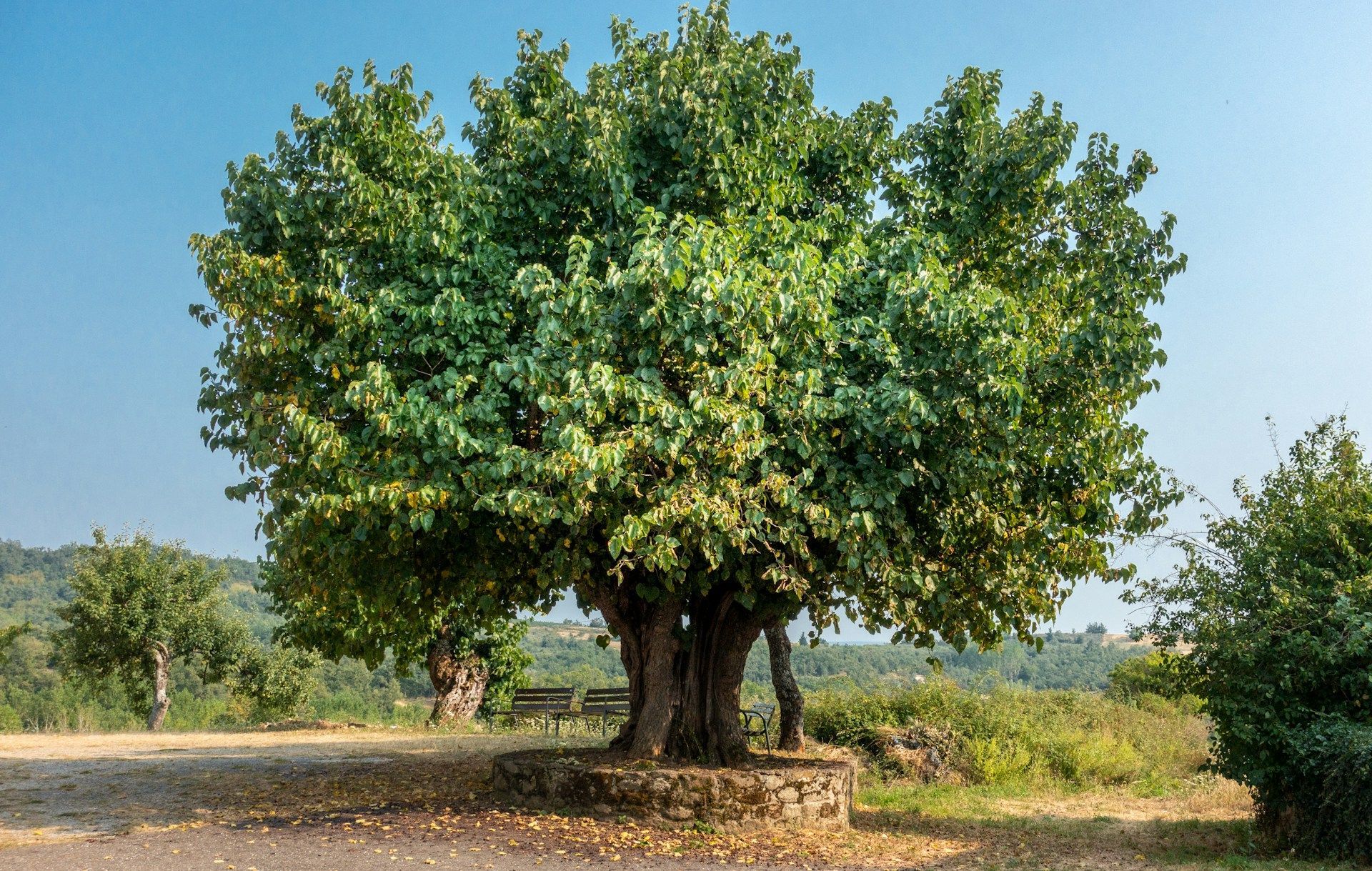
Many yards in our area have live oaks, pecans, and other large shade trees. These trees are beautiful, but they can be heavy and wide-spreading. Add in shallow roots in our clay soil, and a strong storm can push a stressed tree right over. As a local, family-owned tree company, we see these patterns up close and know where problems usually show up first.
Pre-Storm Tree Safety Checklist for Your Yard
Before storms ramp up, take a slow walk around your yard. You are not trying to be an arborist, just spotting clear warning signs so a professional can handle the hard work.
Start with simple visual tree health checks:
- Dead or brittle branches that snap easily
- Cracking or peeling bark, especially around the trunk
- Mushrooms or rot at the base of the tree
- Major trunk splits or deep, long cracks
- Trees that lean more than they used to
Heavy canopies over your roof or driveway can be risky too. Dense foliage catches more wind. Big, thick branches over your house, cars, or play areas can cause serious damage if they break.
Next, look at how close trees are to structures and utilities:
- Branches touching or rubbing your roof
- Limbs hanging over fences, sheds, or playsets
- Trees near driveways, walkways, or entry doors
- Limbs that could hit or pull on nearby power lines
Branches that block or could fall across walkways and exits are more than an annoyance. In a storm, you want clear paths in and out of your home.
Then check the ground, roots, and drainage:
- Soft, soggy soil around tree bases, even when it has not just rained
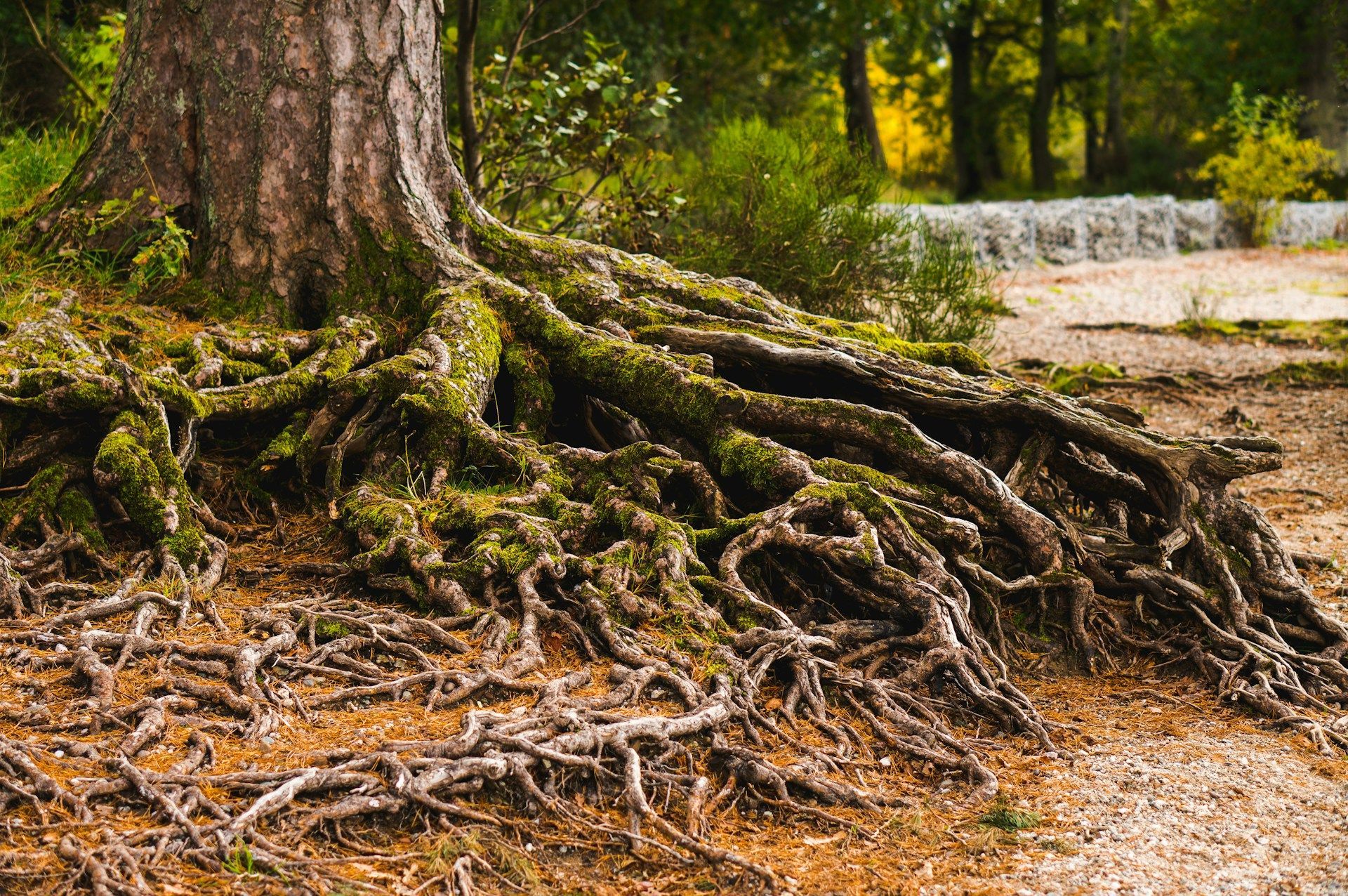
- Exposed or lifting roots that look stressed or cracked
- Soil heaving or pulling away on one side of the tree
- Areas where water pools or drains poorly around the trunk
Poor drainage and compacted soil can weaken roots over time. Recent construction, digging, or adding heavy concrete near a tree can also make it less stable when strong wind hits.
Priority Scheduling Tips Before Storms Hit
Once you have your personal checklist, the next step is to plan ahead for professional tree work.
For timing, keep in mind:
- July through September is usually peak storm and tree service demand
- Non-emergency work can be pushed back if you wait too long
- Routine trimming and preventative removals often fit more smoothly in late winter or spring
If you are looking at your yard in mid-summer, it is still worth acting now. You may not get the exact day you want, but getting on a schedule is better than hoping your trees hold up.
When deciding what work should come first, think about:
- Urgent risks like dead or cracked limbs over roofs, driveways, or power lines
- Trees that lean toward your home or neighbor’s house
- Low-hanging or rubbing limbs that could damage shingles or gutters
- Lower priority work like shaping, thinning for light, or general “tidy up”
Many homeowners find it helpful to group services into one visit. For example, you might handle trimming, pruning, and stump grinding at the same time. That can reduce repeat visits, noise, and time away from your normal routine.
Working with a local, licensed, and insured tree team matters for safety and paperwork. It can also help with insurance and HOA approvals, since many groups ask who is doing the work. We provide written estimates, photos when needed, and clear notes on safety concerns, which can support your plan and your place in the schedule.
Making Insurance and HOA Approvals Move Faster
Storms can turn simple tree issues into insurance and HOA questions overnight. A little planning before the season can save a lot of stress.
First, document risk before and after storms:
- Take dated photos of trees close to your home, fence, and driveway
- Record short videos walking around any large trees that worry you
- Keep photos of existing cracks, decay, or low branches
If you do need professional help, we can add a more detailed assessment. That might include written notes on hazards, plus before-and-after photos that you can share with an insurer or HOA.
Many insurers and HOAs usually want to see:
- Proof that the tree contractor is licensed and insured
- A detailed scope of work listing which trees and which limbs
- Clear reasons for major trimming or full removal
Phrases like “dead limb over roof,” “decayed trunk,” or “storm damaged branch above driveway” help show that the work is about safety, not just looks. Good detail can lead to faster decisions.
It also helps to coordinate approvals with your tree company. When we do an estimate, share any HOA rules or insurance guidelines you have. That way, the proposal lines up with what they expect to see. We can also suggest scheduling that fits likely approval timelines, with room to adjust if a storm turns a planned job into an emergency.
Post-Storm Tree Cleanup in San Antonio Without the Stress
After a storm, your first job is staying safe. Avoid walking under hanging limbs or near any tree that looks twisted or ready to fall. If you see downed power lines or branches on lines, keep your distance and contact 911 or the utility company.
Before moving debris, try to:
- Take clear photos of all visible tree damage
- Capture wide shots that show your house or fence for scale
- Get close-up shots of broken limbs, cracked trunks, or uprooted roots
These photos can help with insurance claims and HOA reports, especially if you already have “before” pictures from earlier in the season.
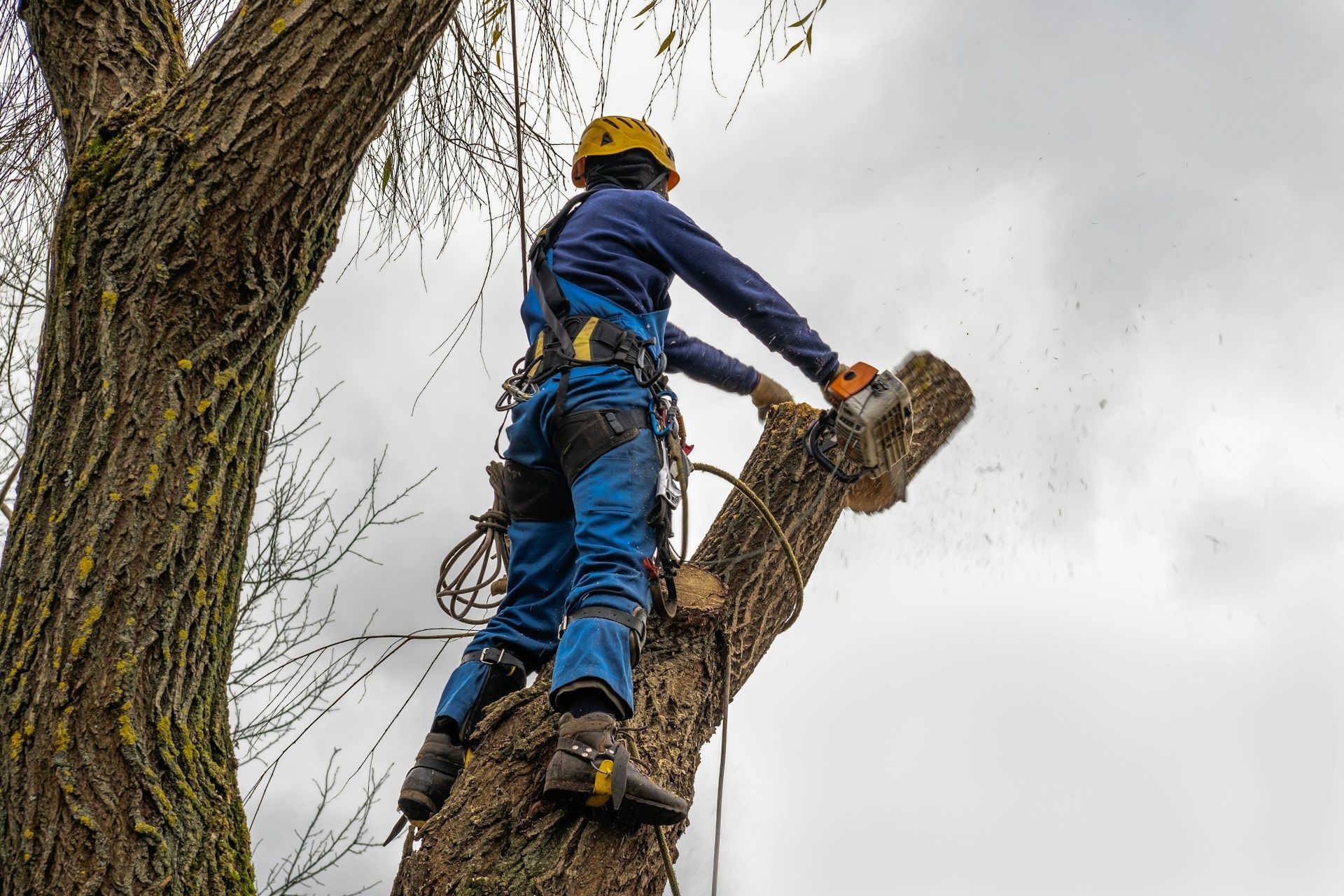
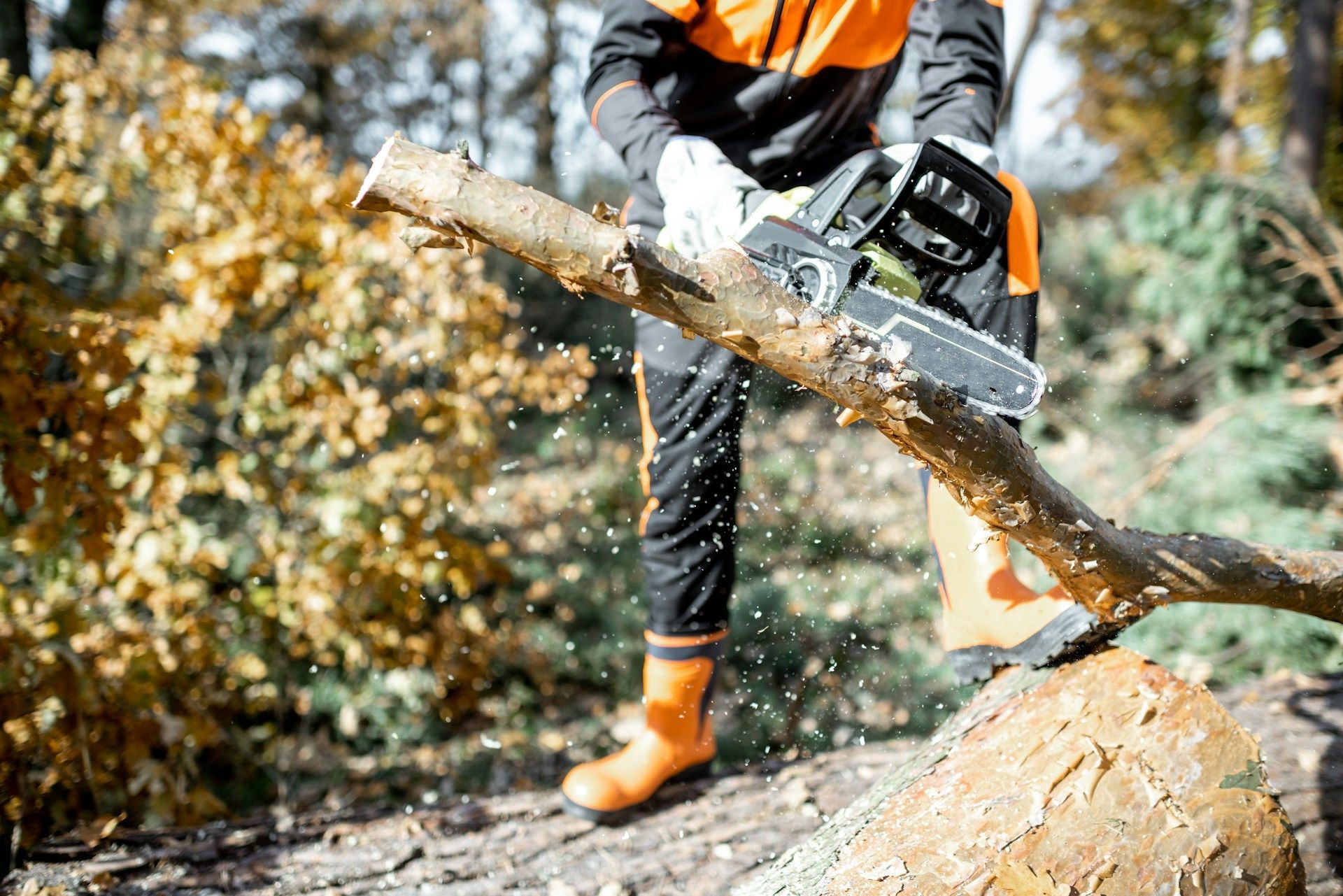
When it is time to clean up, a professional can help decide what can be saved and what cannot. Some damaged trees can recover with corrective pruning, while others are too unstable and need removal. Services like emergency limb removal, debris hauling, and stump grinding help restore safe access, clear views, and a clean yard.
Local expertise matters here. A San Antonio tree company understands city codes, common HOA expectations, and where storm debris can be taken. Our experience with tree cleanup in San Antonio means we know which trees usually bounce back and which ones tend to fail later if they are not handled correctly.
Get Your Yard Storm-Ready with a Local Tree Partner
Getting ready for storm season comes down to a simple plan: use a pre-storm checklist, spot and prioritize high-risk trees, book work before peak demand, and prepare photos and paperwork to speed up insurance and HOA approvals. When you treat tree care as home protection, not just yard maintenance, you give your property a much better chance of coming through the next big storm in one piece.
At Teague’s Tree Service, we are a local, family-owned team that works with the trees and soil of San Antonio every day. We understand how fast summer storms can move in and how stressful damage can be for a family. With thoughtful planning and the right help, your trees can stay strong, your yard can stay safer, and storm season can feel a whole lot more manageable.
Get Started With Your Project Today
If you are ready to restore safety and curb appeal to your property, our team at Teague’s Tree Service is here to help. Learn more about our professional
tree cleanup in San Antonio and see how we can tailor a solution to your yard. Have specific questions or need a quote fast? Simply
contact us, and we will follow up promptly to schedule your service.