San Antonio Tree Cleanup Checklist: DIY Tips vs. When to Call a Pro
Protect Your Property with Smart Tree Cleanup
Tree cleanup in San Antonio is not just about a tidy yard. Our heat, fast summer storms, and heavy clay soil can all stress trees until branches crack, split, or even pull roots out of the ground. A messy tree today can become a broken fence or damaged roof tomorrow.
This guide walks through what many homeowners can safely handle on their own from the ground, and where it is smarter to stop and bring in a professional crew. We will look at common storm problems in local yards, basic cleanup tasks, warning signs to watch for, and what a safe, professional tree cleanup really looks like. As a local, family-owned tree company, we care about helping our neighbors make simple, smart choices before the next round of storms hits.
Summer Storm Reality in San Antonio Yards
San Antonio summers can be rough on trees. Thunderstorms move in fast, winds whip branches around, and trees that have baked in the sun all season are already stressed. Many homeowners walk outside after a storm to find scattered limbs and piles of leaves, even when the tree looked fine the week before.
Different local trees tend to fail in different ways when summer storms roll through:
- Live oaks often drop heavy limbs or large chunks of deadwood that were hidden in the canopy
- Cedar elms may snap smaller branches and throw a lot of fine debris across the yard
- Pecans can lose big, heavy branches that twist as they fall and damage fences or sheds
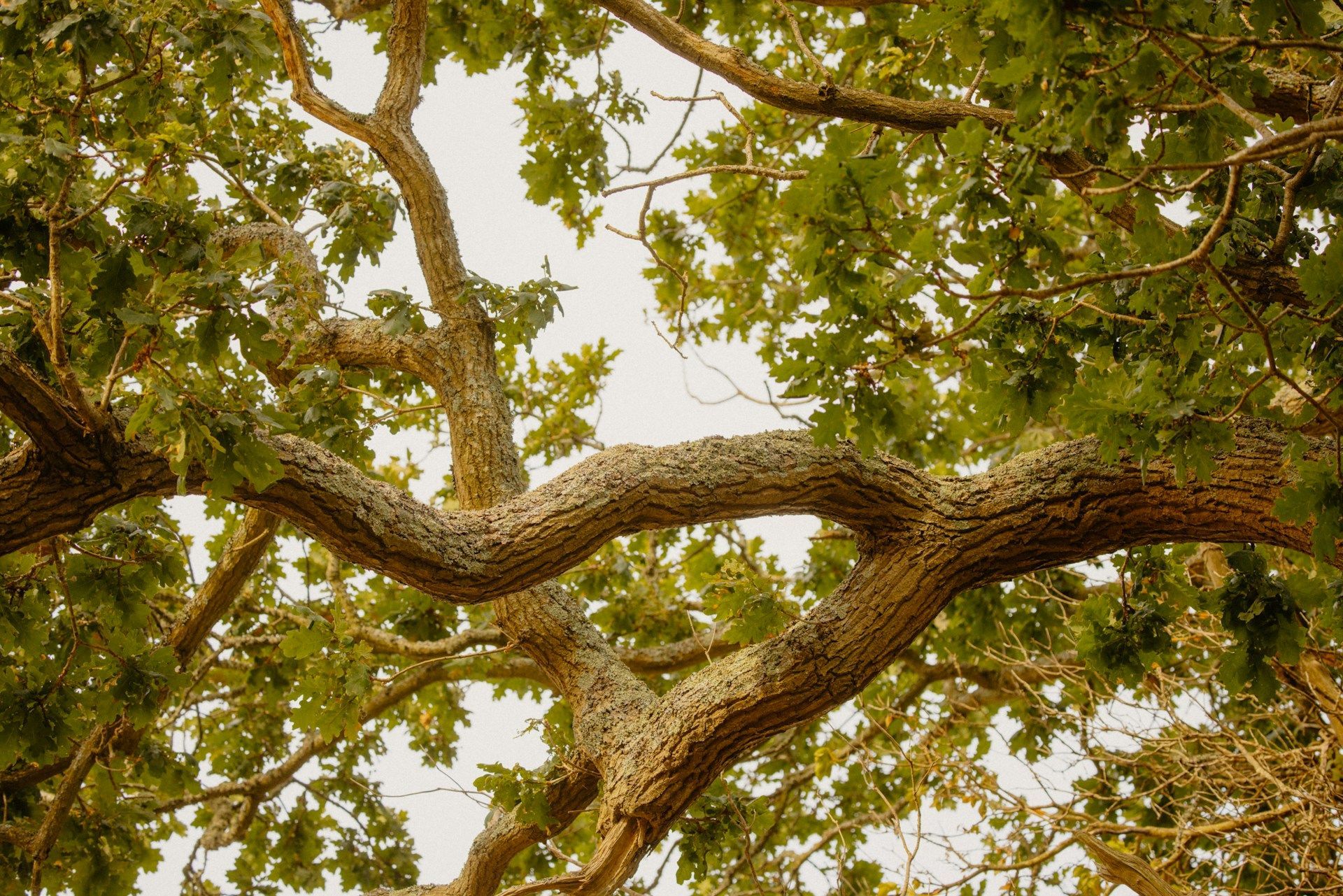
- Mesquites sometimes split where main branches meet, leaving long, torn cracks
Late summer is an important time to pay attention. Dry limbs and loose piles of debris can raise fire risk in hot weather. Overhanging branches that scrape a roof in the wind can open up shingles. Limbs over play areas, driveways, or patios can turn into hazards when the next storm hits. Cleaning up in a smart, safe way now helps protect your home and gives your trees a better chance to handle fall storms.
Safe DIY Tree Cleanup Tasks for Homeowners
There are a few light cleanup tasks that many homeowners can handle without climbing, power tools, or special gear. The key is staying on the ground and keeping the work small and simple.
Safer DIY jobs usually include:
- Raking leaves and small twigs into piles
- Picking up and hauling small fallen branches that you can lift easily
- Cutting and bundling thin branches that are well under arm thickness
- Light cosmetic pruning of tiny, low branches you can reach from the ground
Even for simple work, safety comes first. Some basic habits make a big difference:
- Wear gloves to protect your hands from splinters and thorns
- Use eye protection to keep dust and chips out of your eyes
- Wear sturdy closed-toe shoes instead of sandals
- Keep children and pets out of the work area until you are done
- Never stand on a ladder with any kind of saw in your hand
For small, low branches, a basic DIY tool set helps you work cleaner and faster:
- Hand pruners for tiny twigs and new growth
- Loppers for branches about finger to thumb thickness
- A small hand saw for slightly larger low branches you can cut in one or two strokes
- A tarp, yard bags, or small cart to move debris to the curb or pile
When you do cut a small branch, make the cut close to the main limb without leaving a long stub, and avoid tearing the bark. If the branch is too thick to cut in a smooth motion, or if you need to stretch to reach it, that is a good sign to stop and get help.
Warning Signs You Should Stop and Call a Pro
Not every branch on the ground is a simple cleanup job. Some problems are clear red flags that mean it is time to step back. When weight, height, or nearby structures are involved, professional help is the safer choice.
Watch for these visual warning signs:
- Large limbs hanging, cracked, or resting against other branches
- Branches directly over roofs, decks, sheds, vehicles, or play equipment
- Any tree that seems to lean more than it used to
- Branches that sway or creak in light wind
There are also hidden structural issues that are easy to miss but can be serious:
- Limbs close to or touching power lines of any kind
- Deep cracks in the trunk or big branch unions
- Fungus or mushrooms growing around the base of the trunk
- Wood that sounds hollow when gently tapped
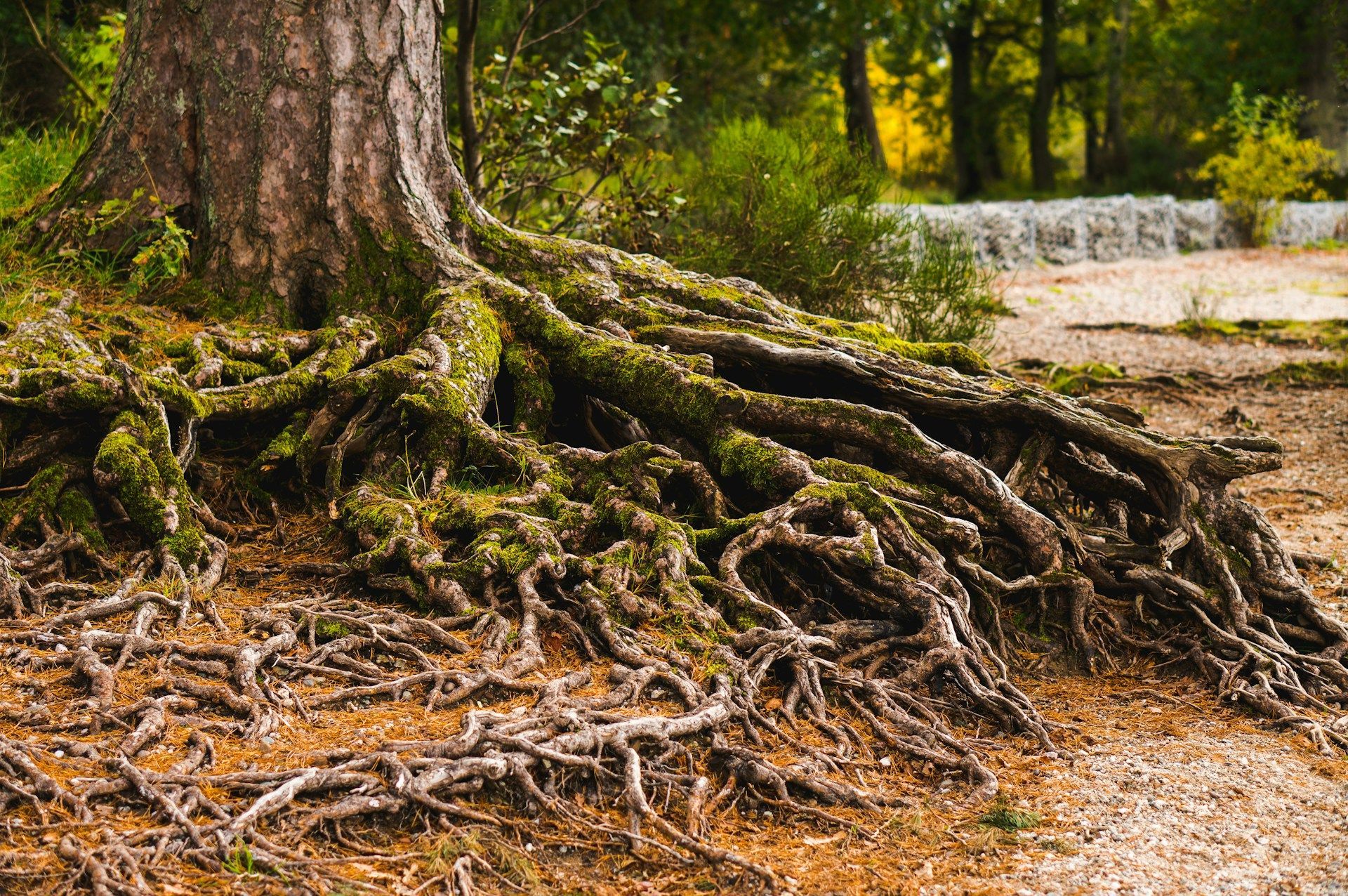
- Soil lifted or roots showing after a storm
Trying to cut or pull on heavy or damaged limbs in these situations can lead to sudden breaks, unpredictable swings, and serious falls. There is also the risk of hitting a roof, fence, or neighbor's property, or creating an electrical hazard if power lines are involved. This is where a licensed and insured tree company is important, because proper training and coverage protect both your family and your property.
What Professional Tree Cleanup Looks Like
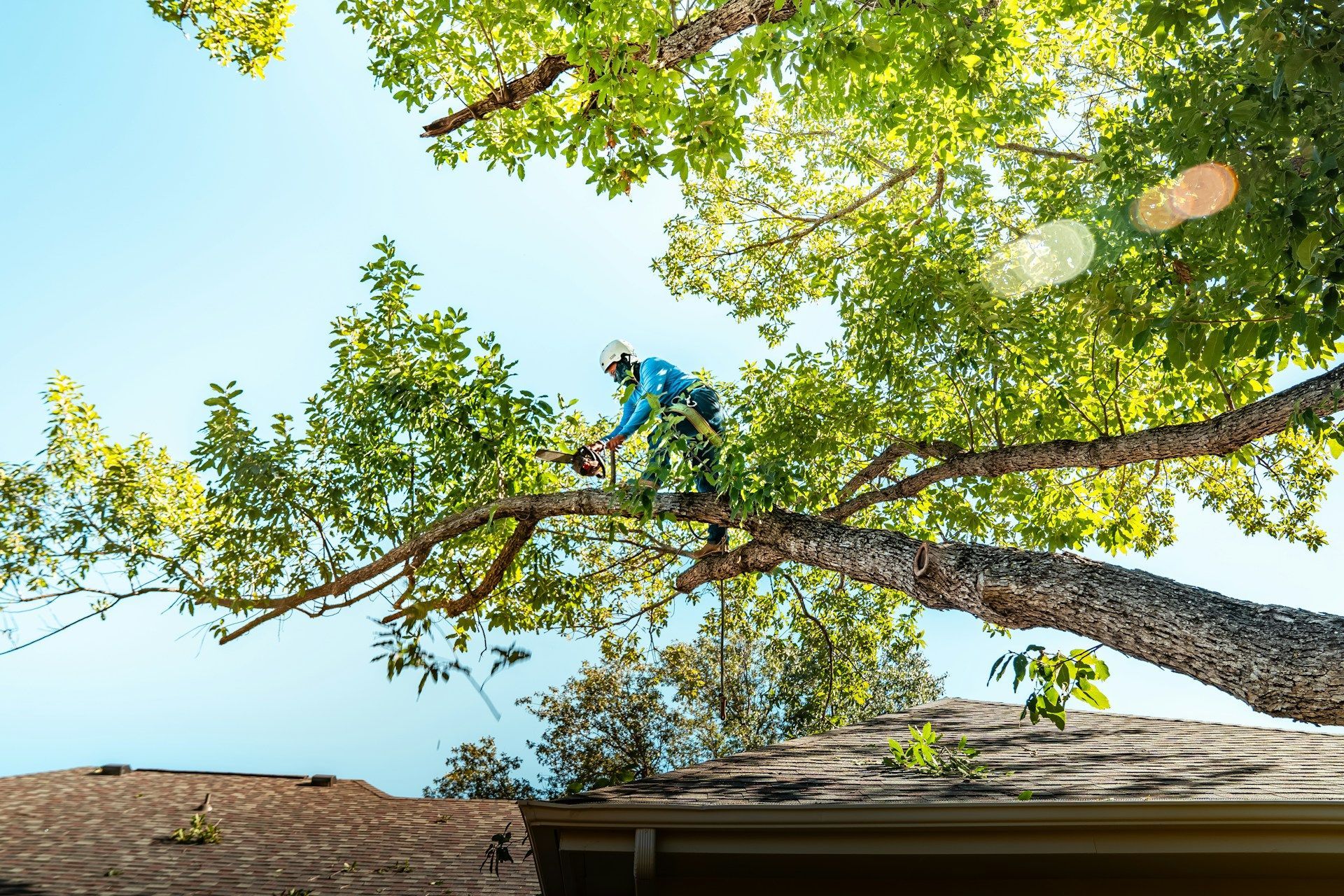
When a professional crew handles tree cleanup in San Antonio, the first step is a careful look at your yard and trees. The crew checks where branches might fall, where power lines or structures are located, and how stressed the tree looks from heat or past storms. This safety plan shapes how they move and where they position equipment.
A typical professional cleanup can include:
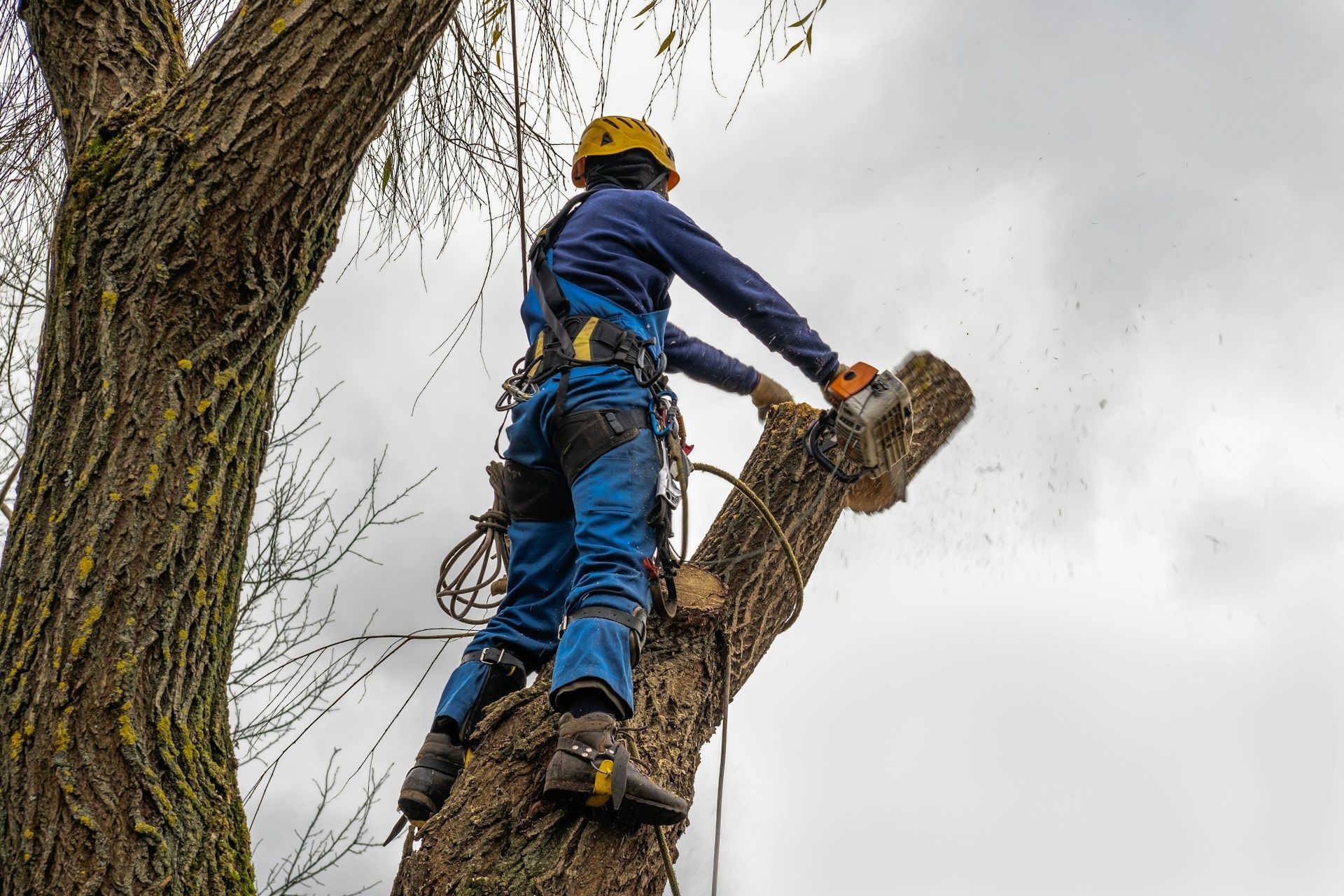
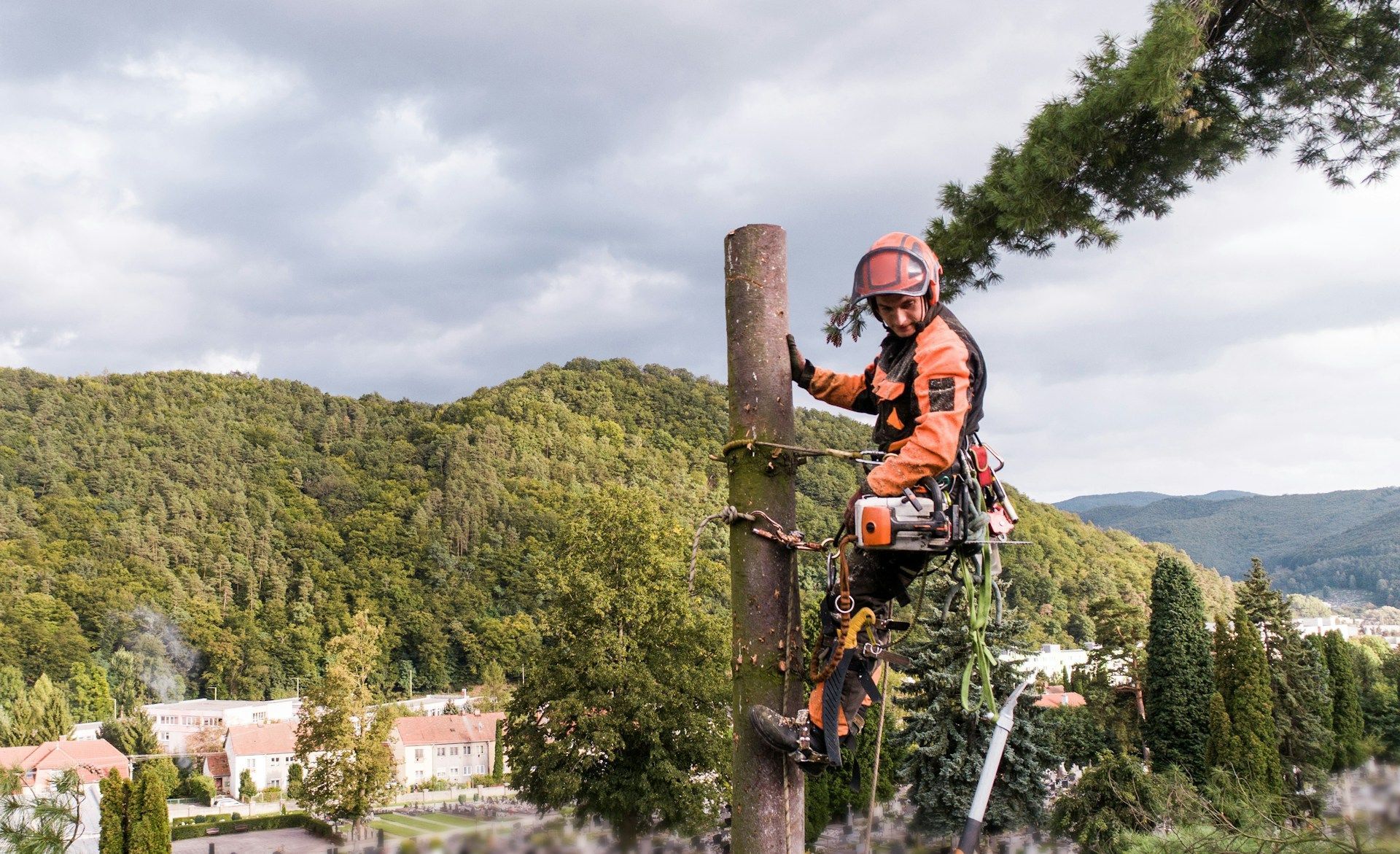
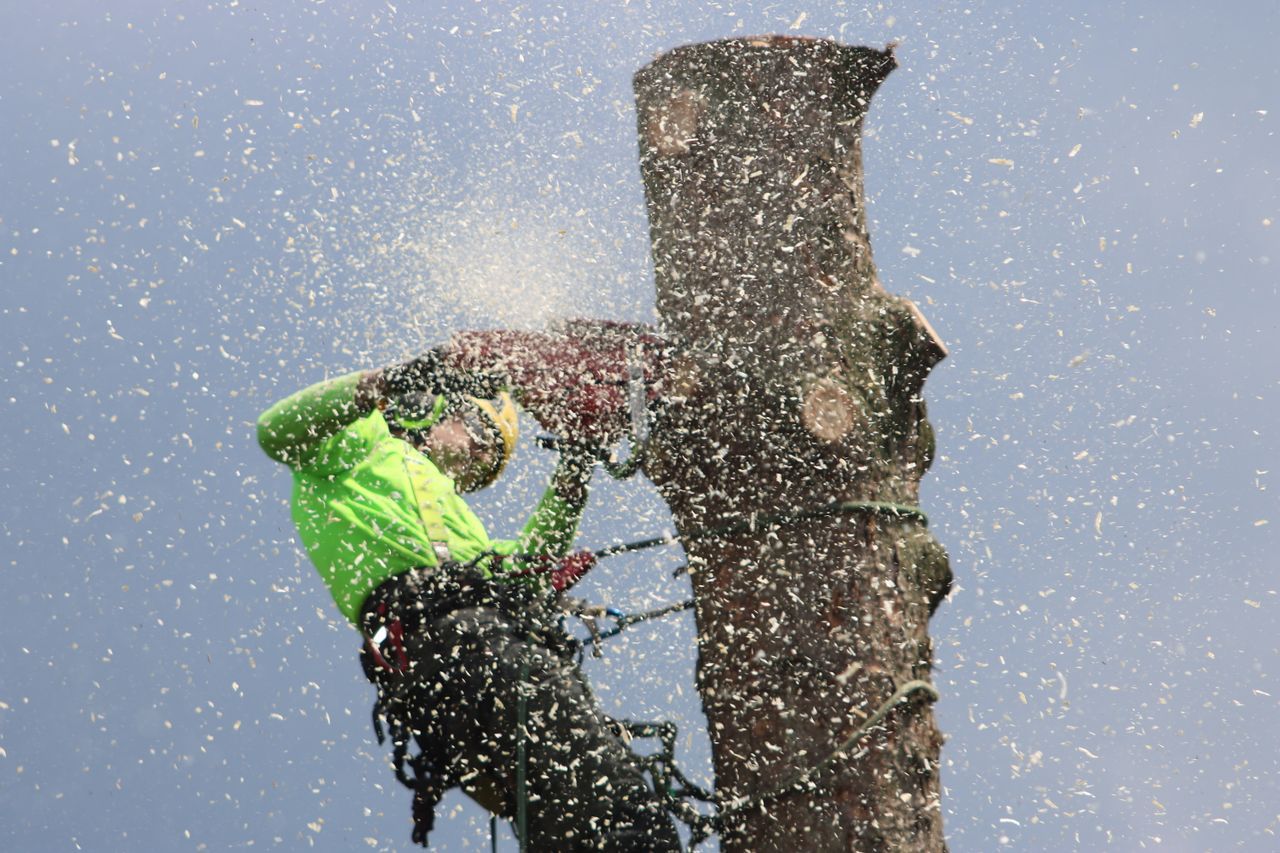
- Controlled cutting of damaged or risky limbs, starting from the tip and working inward
- Rope rigging to lower heavy branches in small, safe pieces
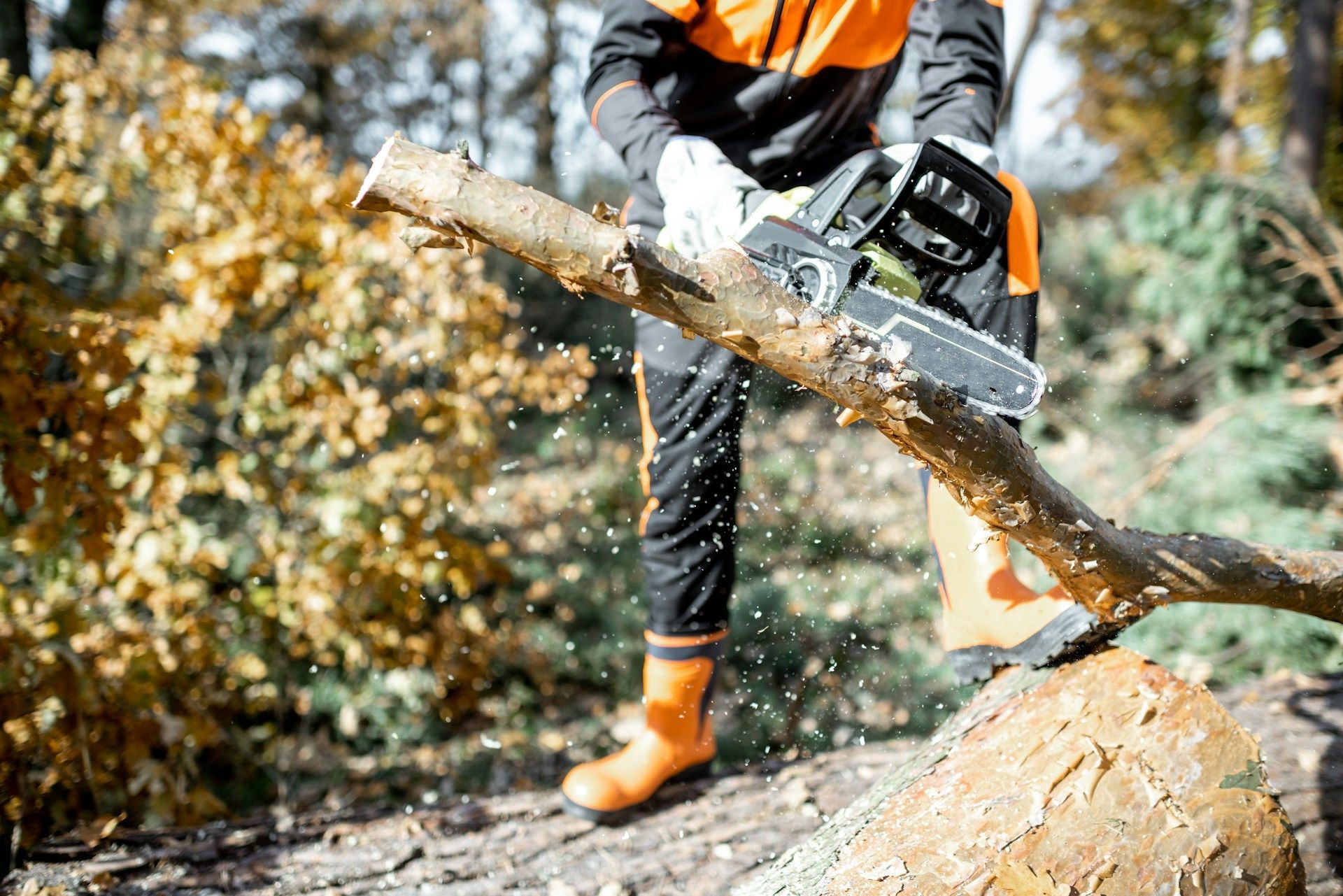
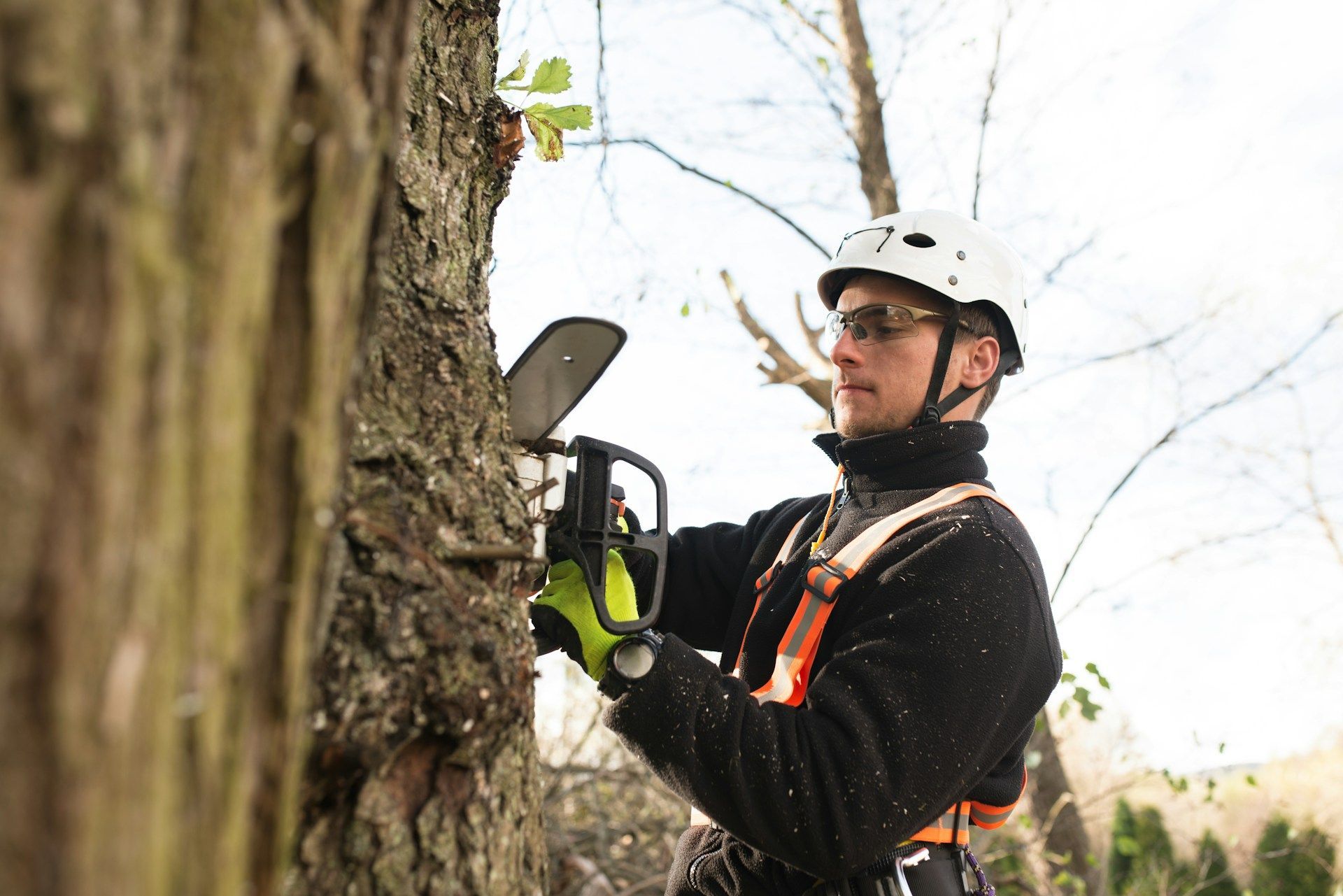
- Use of proper protective gear and tools designed for tree work
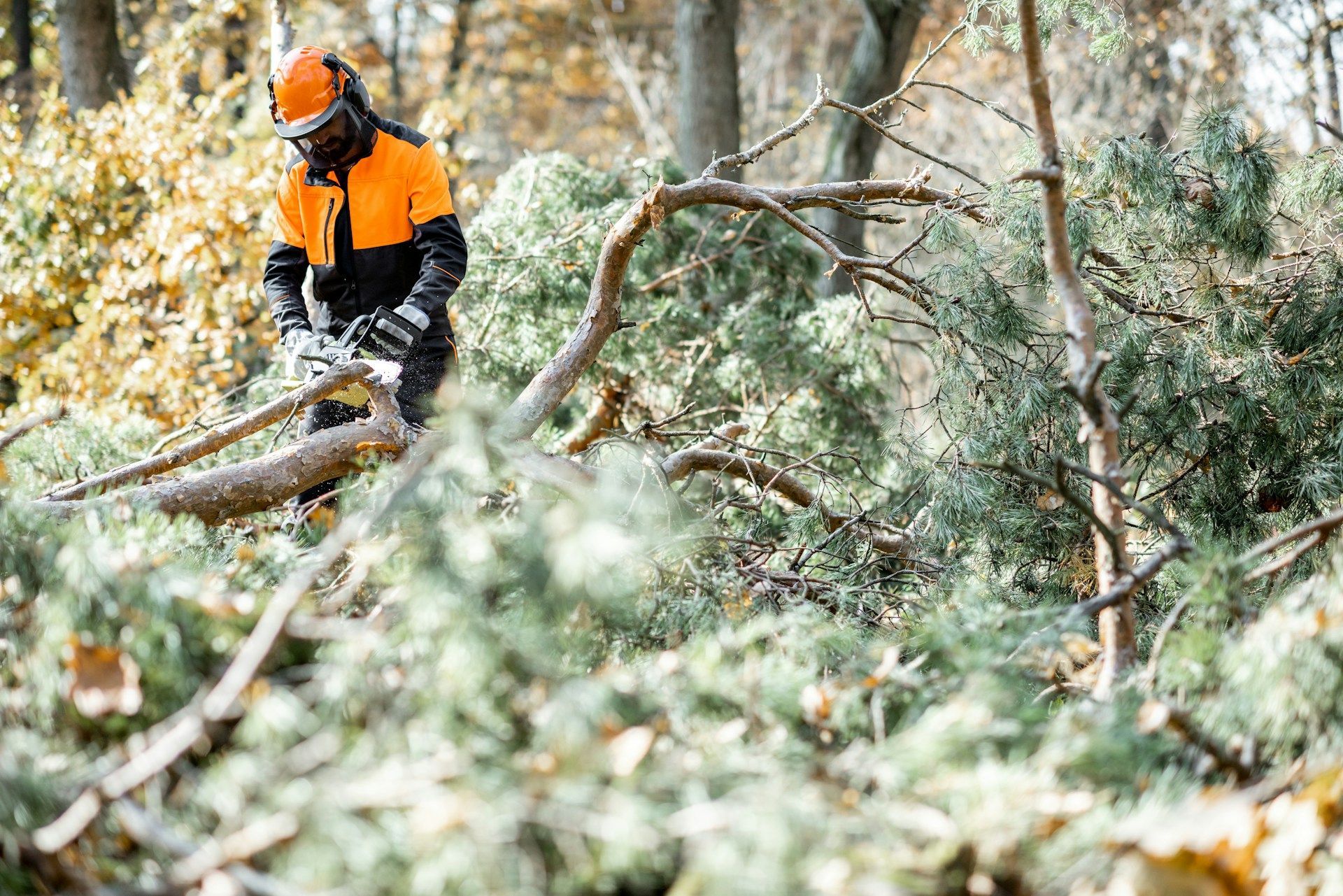
- Full debris removal, so you are not left with huge piles at the curb
Many times, cleanup is more than just cutting what fell. Professional services also cover:
- Removing full trees when they are too damaged or unsafe to save
- Grinding stumps so the space is ready for new planting or clean landscaping
- Health-focused trimming to help trees recover and grow strong new branches
The benefits are peace of mind and a yard that feels safe again. A well-trained crew works faster, keeps damage to nearby plants and structures to a minimum, and gives clear advice on whether a damaged tree is likely to hold up through future storms or should be removed before it causes bigger problems.
Build Your Tree Cleanup Plan Before the Next Storm
One of the best things you can do is a simple walk-through of your property with this checklist fresh in your mind. Mark what feels like light ground work, raking, picking up small branches, trimming tiny low twigs, and what clearly involves height, heavy wood, or risk to people and structures. Anything that makes you pause, guess, or feel unsure belongs on a professional to-do list, not yours.
Before summer storms ramp up again, many homeowners find it helpful to have a mid-to-late-season inspection by a local tree service that understands San Antonio yards, common tree species, and how our weather patterns stress them over time. Teague's Tree Service is a family-owned, licensed, and insured tree company that provides complete tree care, trimming, removal, stump work, and emergency help across the San Antonio area, and we are committed to keeping local properties safer, cleaner, and better protected when storms roll through.
Get Started With Your Tree Cleanup Project Today
If your yard is cluttered with branches, storm debris, or overgrown trees, we are ready to help restore safety and curb appeal. At Teague’s Tree Service, our experienced crew provides reliable
tree cleanup in San Antonio tailored to your property’s needs. Reach out today and we will assess your trees, explain your options, and schedule work at a time that fits your schedule. Have questions or need a quote fast? Just
contact us and we will respond promptly.