What to Do While Waiting for Emergency Tree Removal in San Antonio
Staying Safe While You Wait for Emergency Tree Removal in San Antonio
When a big limb comes down or a tree starts leaning after a storm, you do not have time to wonder what to do next. You need clear, simple steps that keep your family safe while you wait for emergency tree removal in San Antonio. That waiting period, even if it is only an hour or two, is when smart choices really matter.
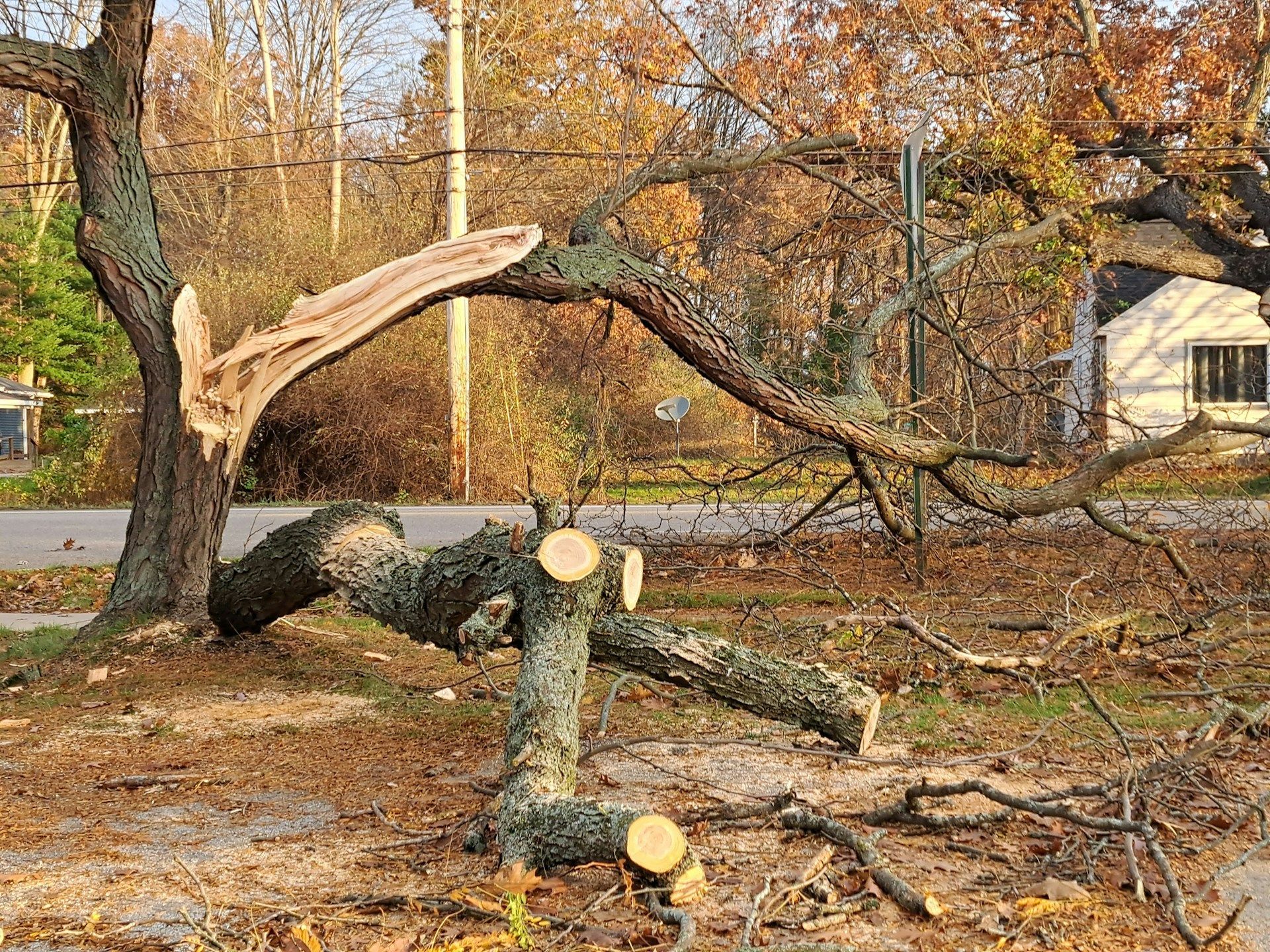
Tree emergencies here often come from high winds, heavy rain, or long, soaking storms. An emergency can look like a large limb on your roof, a trunk leaning toward your home, roots lifting out of the ground, or branches touching power lines. A professional emergency crew will handle the cutting, lifting, hauling, and heavy gear. Homeowners should focus on staying clear of danger, protecting what they can inside, and getting information ready for insurance and utilities. Calm, steady actions now help prevent injuries and make recovery faster later.
Protect People and Pets Before Anything Else
Safety always starts with getting people and pets out of harm’s way. Trees and limbs can shift without warning, especially in wet soil or windy weather. The first job is to figure out where it is unsafe to stand, sit, or park.
Watch for danger zones like:
- Areas directly under broken or hanging branches
- Rooms under sagging ceilings or new cracks in walls
- Driveways and walkways under damaged limbs
- Yards, play areas, or dog runs near a leaning trunk
Once you spot those risky spots, take simple, direct steps:
- Move everyone out from under or near the damaged tree
- Leave any room where you see ceiling bulges, new cracks, or water coming in
- Keep kids and neighbors away from downed limbs and tangled branches
If a tree is resting on your house but the structure is not clearly failing, create a no-go zone under that side of the home. Close doors to those rooms if you can do it safely. Keep pets in a different part of the house or in another secure area so they are not tempted to sniff around the damage.
There are also clear things to avoid while you wait for emergency tree removal in San Antonio:
- Do not climb on the roof or use ladders near broken limbs
- Do not try to cut any branch that might be under tension
- Do not walk through puddles or standing water near downed lines
- Do not park under other trees that look stressed or suddenly leaning
Staying on the ground, away from the damage, is one of the best safety choices you can make.
Securing Your Property While You Wait for Help
Once people and pets are safe, you can focus on the property itself. The goal is to stabilize the situation without doing any risky tree work. Think about what you can move quickly and safely.
If it is safe to walk near the area, you can:
- Move vehicles, RVs, and trailers away from the damaged tree
- Shift grills, patio sets, and yard equipment out of the fall zone
- Unplug outdoor extension cords in safe, dry spots
Inside the home, move valuables out from under any area that may leak. That can include electronics, photos, important papers, and special keepsakes. It is easier to carry them to another room now than to clean them later if water comes through the ceiling.
Since late summer storms often bring heavy rain to San Antonio, quick weatherproofing helps:
- Tape plastic sheeting or trash bags over windows where water is sneaking in
- Put buckets or tubs under active drips from ceilings or skylights
- Lay down towels or old blankets to soak up moisture on floors
All of this should be done from the inside, without climbing on the roof. Outside, focus on simple safety steps that do not require ladders or tools:
- Close and lock gates around the danger area
- Use cones, caution tape, or simple homemade signs to warn visitors
- Stay out of sheds, pool areas, or fence lines that have branches resting on them
A quick look from a safe distance is enough. Leave the close inspection and any structural decisions to the tree professionals and any other repair experts.
Documenting Damage for Insurance and Repairs
While the damage is fresh and before anything is moved, it helps to document what happened. Good records support insurance claims and help everyone understand what needs to be fixed.
You can gather evidence safely by:
- Taking wide photos of the whole tree and the parts of the home or yard it touched
- Shooting from more than one angle so adjusters can see the full picture
- Snapping close-up photos from the ground of roof edges, gutters, windows, fences, or vehicles
Inside, take pictures of:
- Ceiling stains and cracks
- Wet walls or floors
- Broken glass, fallen drywall, or damaged furniture
Keep yourself outside any danger zones you already marked. You do not need perfect photos, just clear ones.
It also helps to create a simple written record:
- Note the date and approximate time of the storm or event
- Write a short description of what you heard and saw
- Keep a list of every call you make about the incident, including names and times
Save receipts for anything you buy to protect the property, like plastic, tape, buckets, or towels used just for this event. Many insurance policies expect you to take reasonable steps to limit damage, and these records show that you did.
Coordinating with Utilities, Insurance, and Your Tree Pro
When trees and power lines mix, the utility company should be involved right away. If a tree or limb is resting on or very near electrical lines, call your power provider before anyone gets close. This is important even if the lights are still on.
When you call, be ready to:
- Say that you have a tree on or near power lines
- Describe any sparks, burning smells, or flickering lights
- Follow their instructions and stay clear of the area
For insurance, contact your homeowner’s carrier once everyone is safe and stable. Give them a brief summary of the storm and damage, along with your early photos if they request them. Ask what steps they expect you to take to protect the home and whether you may choose your own tree service for emergency work. Write down your claim number and any coverage details they share.
When you contact a professional tree crew, clear information helps them respond faster and more safely. Have this ready:
- Your address and best contact number
- What kind of tree is involved if you know it
- What the tree or limb is touching, such as a roof, a fence, a driveway, or lines
- Whether any entrances or driveways are blocked
Let them know that it is an emergency and ask for an estimated arrival window if they can give one. In large storms, crews tend to prioritize life safety and blocked access first, so accurate details from you help them place your situation in the right spot.
Preparing for the Next San Antonio Storm Season
Once the damaged tree is handled and repairs are under way, it is a good time to think ahead. Many homeowners find that a little planning makes the next round of storms less stressful.
Some helpful long-term steps include:
- Setting up a post-storm inspection for other trees that were shaken
- Talking with a tree professional about pruning or removing high-risk trees near the house, driveway, or service lines
- Planning regular maintenance so branches are less likely to fail in future weather
You can also build a simple family tree emergency plan. Decide which rooms you will use during severe weather, where you will move cars when strong storms are forecast, and who will be in charge of pets and a small emergency bag. Save key numbers in your phones, including your power company’s hazard line, your insurance claims number, and a trusted local tree service that offers 24/7 emergency help.
Staying ready does not remove the risk of fallen limbs or damaged trunks, but it does give you a clear path to follow. When you know what to do in those first tense minutes and hours, you protect the people and things that matter most and make recovery after emergency tree removal in San Antonio much smoother.
Protect Your Property With Fast, Professional Tree Help
When a storm or sudden tree failure puts your home at risk, our crew is ready to respond quickly and safely. For rapid
emergency tree removal in San Antonio, we bring the right equipment and experience to handle dangerous situations any time of day or night. We carefully assess the damage, clear hazards, and clean up so you can feel secure again. If you prefer to speak with our team directly, you can also
contact us to schedule help right away from Teague’s Tree Service.