Why Fallen Tree Removal Takes More Than a Chainsaw
Spring storms in San Antonio can show up fast, and they do not always leave quietly. Between strong winds and heavy rain, it is not unusual to see large limbs or even entire trees down on the ground by the time the weather clears. When that happens, it might look like all you need to do is grab a chainsaw and get to work. But fallen tree removal in San Antonio takes a lot more than cutting through trunks and stacking some logs by the curb.
Removing a tree that is already down can be just as risky as cutting one that is still standing. There are safety checks, heavy limbs under pressure, and nearby structures to think about. The job does not end when the tree is off the lawn. Cleanup, hauling, and lot clearing all play a big part in making a property safe and ready for spring again.
More Than Just Cutting the Tree
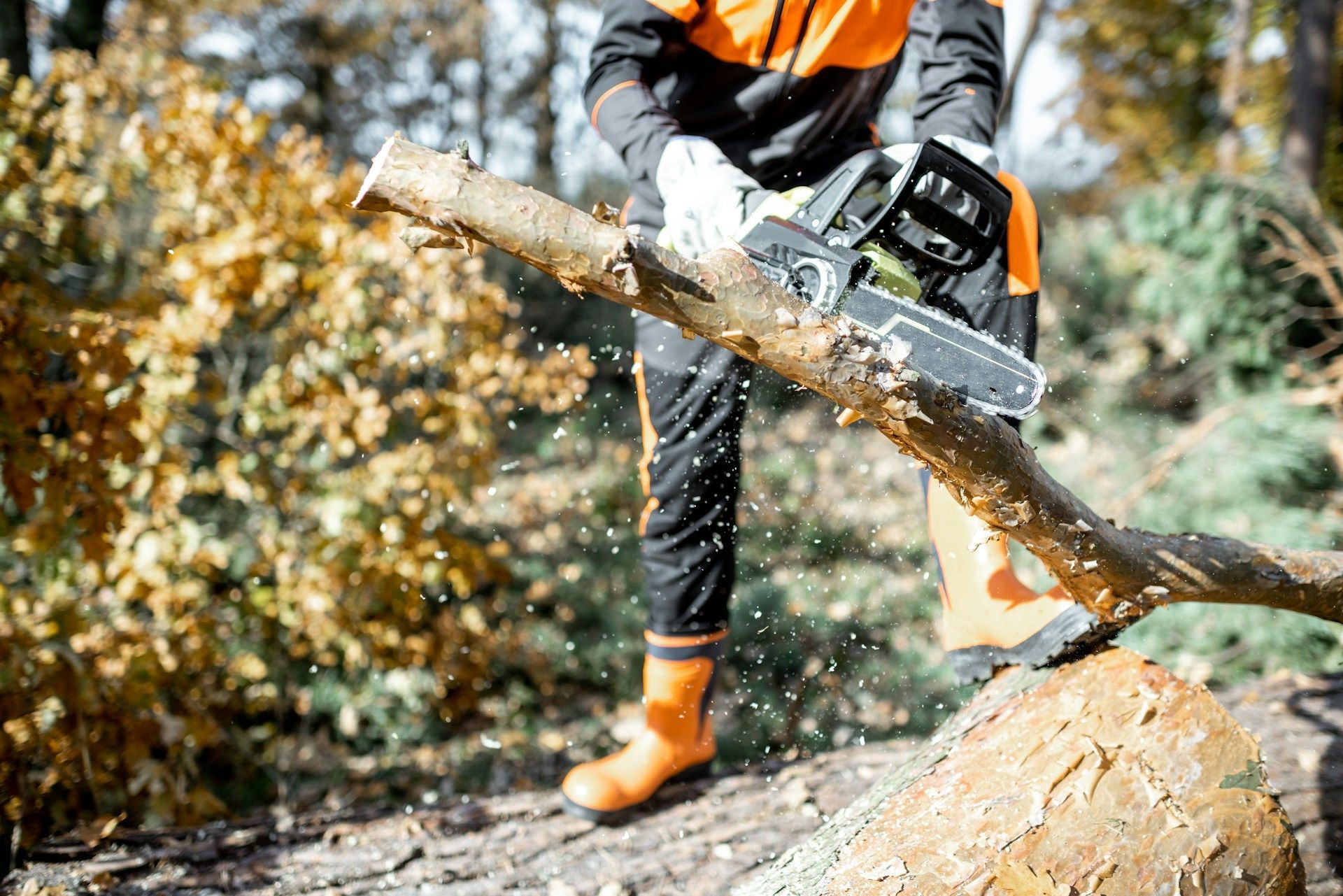
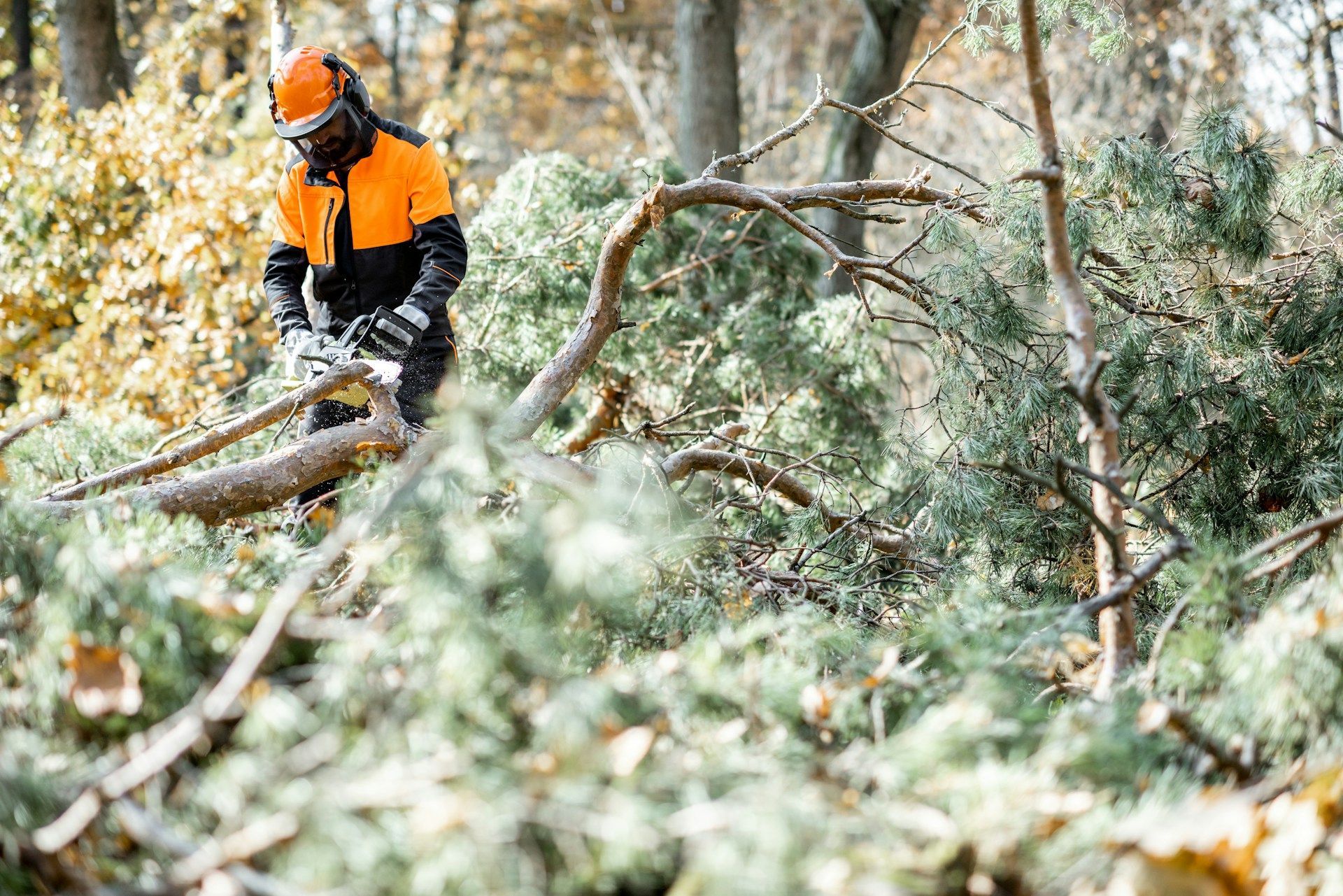
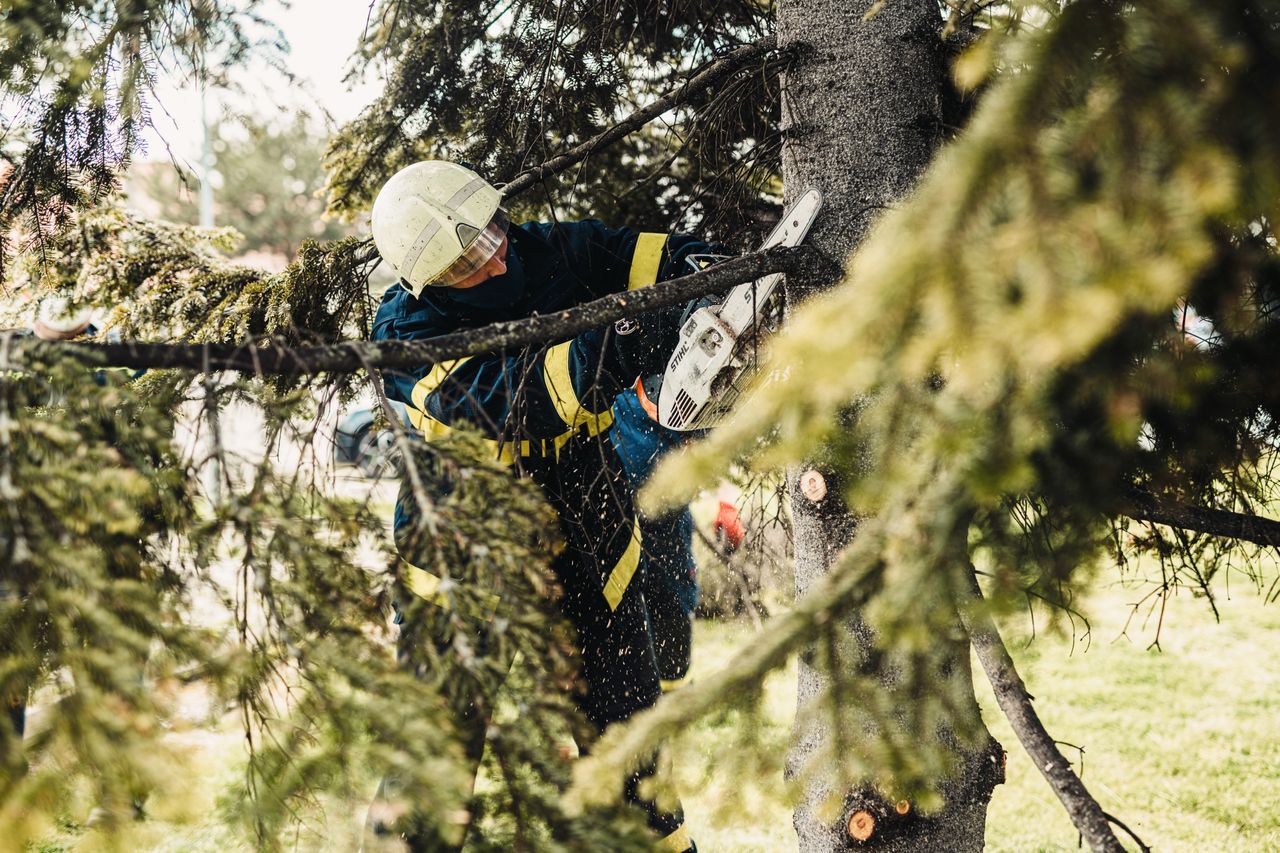
When a tree falls, every branch ends up somewhere different. Some twist into fences. Some hang over rooftops. Others settle into odd shapes, where one cut could cause the whole thing to roll, drop, or snap. That is why taking down what is left is not just about running a chainsaw through the middle.
- The weight of a fallen tree is uneven, and one wrong move can knock over nearby limbs or throw off the balance.
- Branches stuck high in other trees can break loose suddenly if the trunk shifts under them.
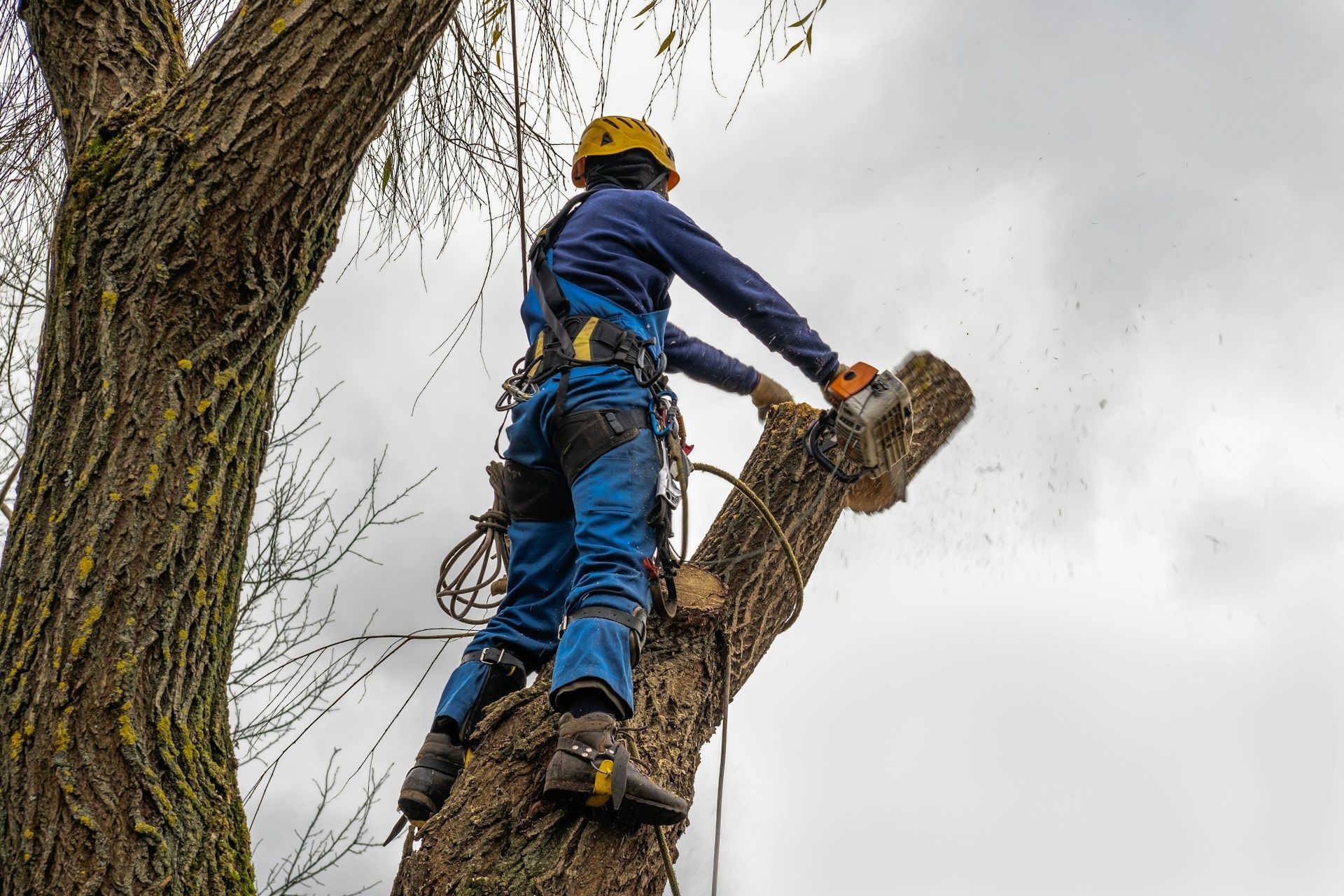
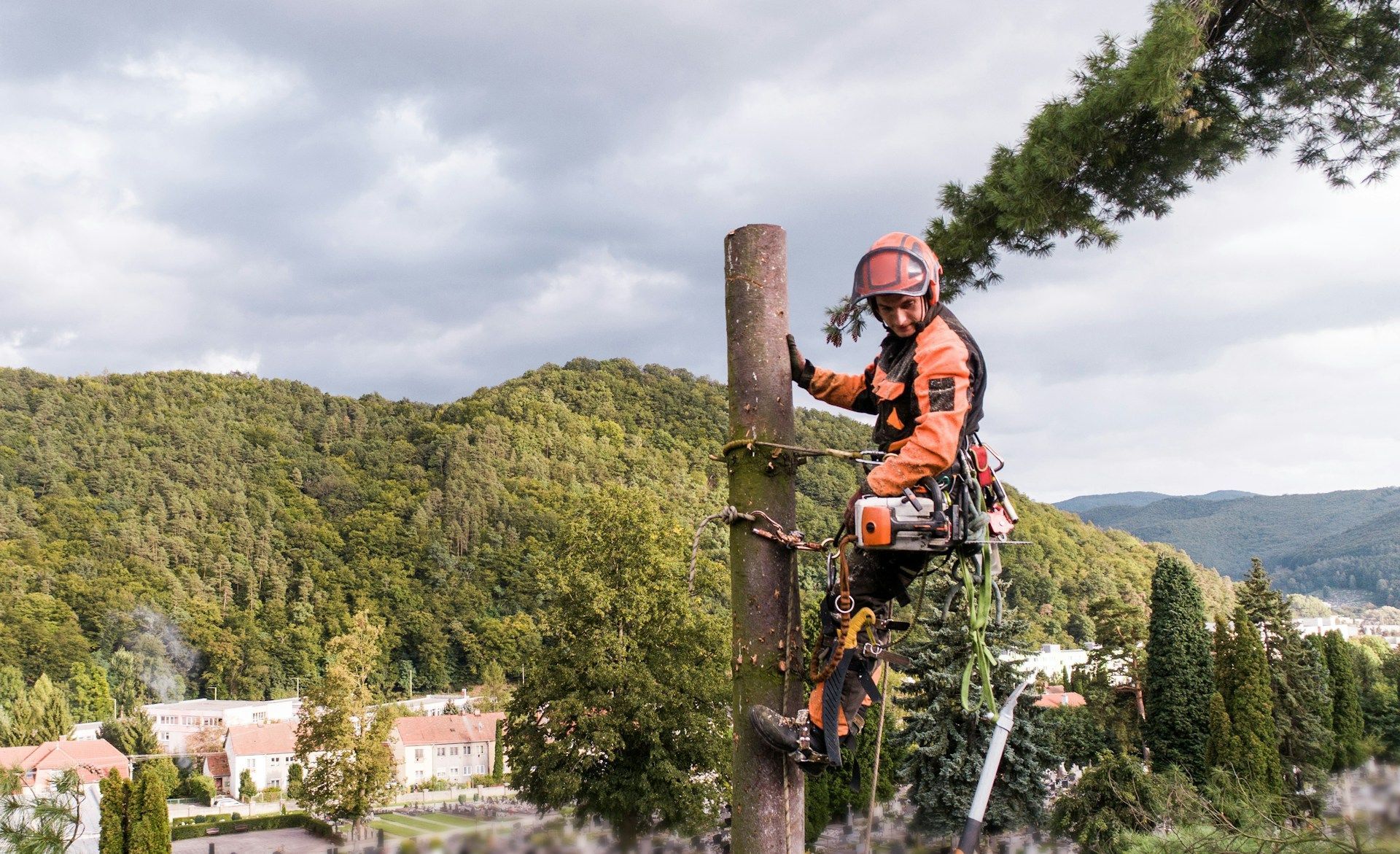
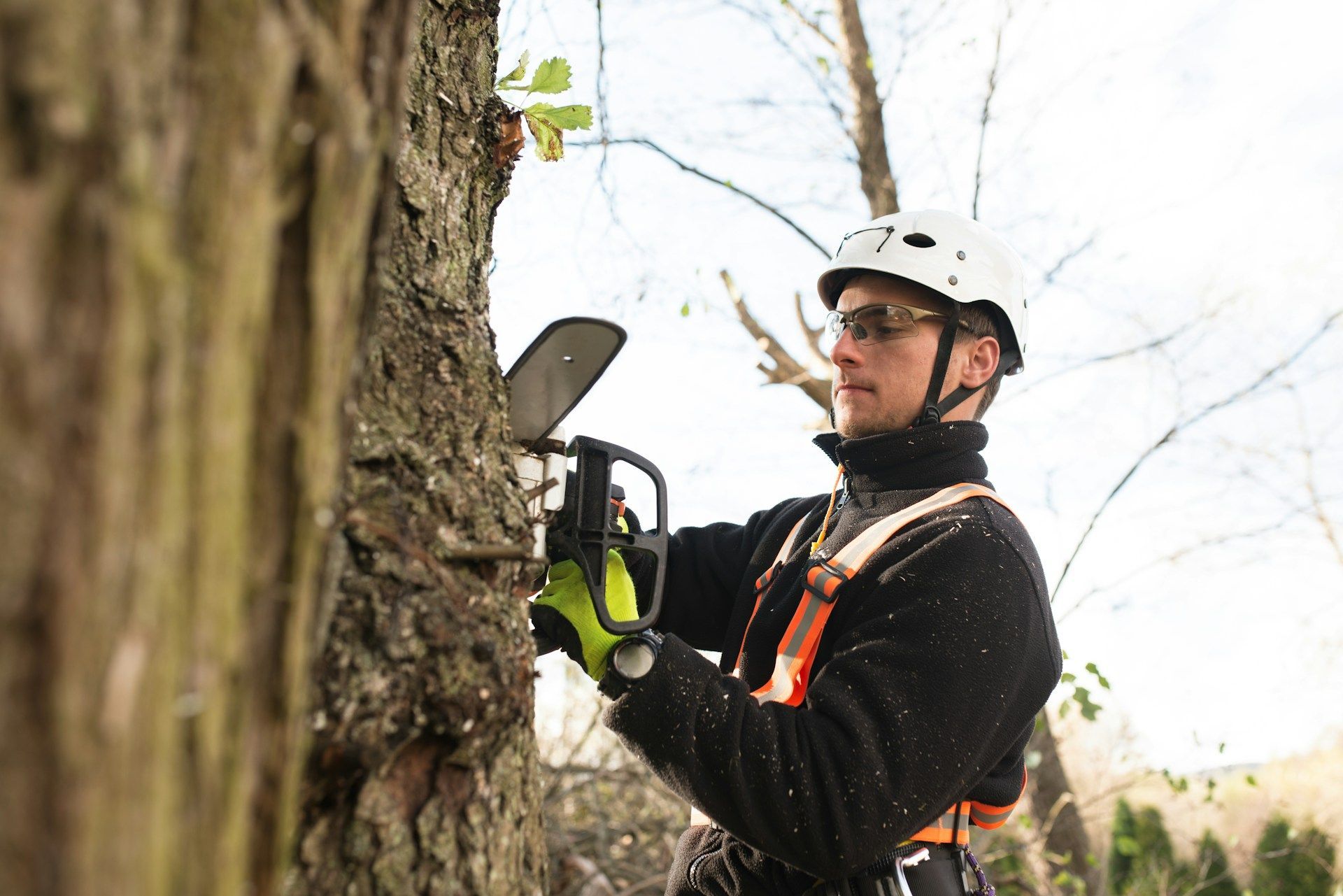
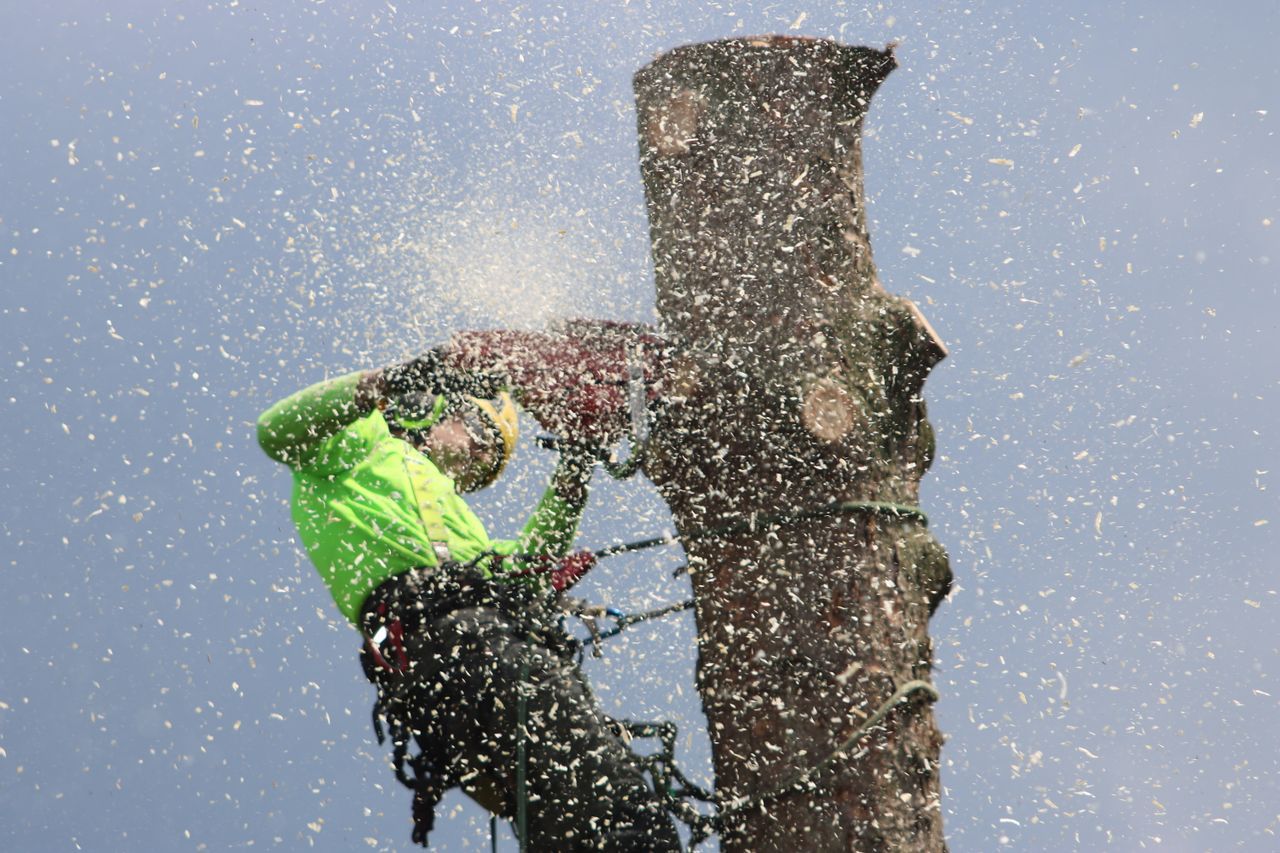
- A licensed tree service brings ropes, saws, lifts, and tools to control the process and make sure everything comes down safely.
Getting a tree off the ground without hurting anything or anyone takes planning. Cutting alone just is not enough. Knowing how trees fall and shift after they have hit the ground matters just as much as knowing how to trim them in the first place.
Cleaning Up Takes Time and Planning
Once the tree is off the ground, a whole new job begins. Thick limbs, stumps, and tangled roots cannot be left behind. Hauling them out takes more than tossing them in a trailer. It is a step that needs care and, sometimes, heavy equipment.
- Hauling heavy branches across the yard the wrong way can tear up grass, dent paving stones, or scrape driveways.
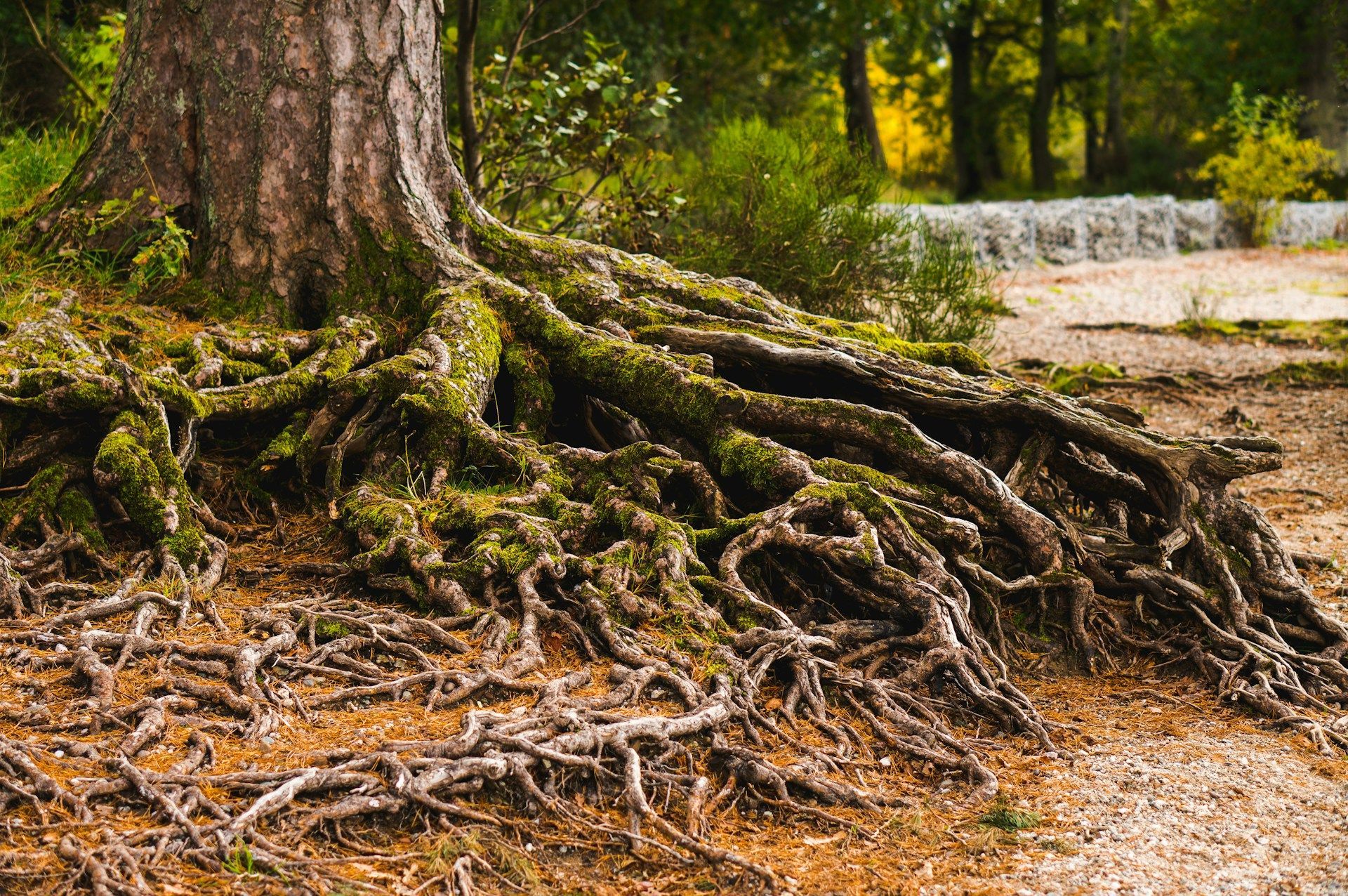
- Lot clearing includes pulling out pieces of the root system, cutting stumps lower to the ground, and leveling uneven soil where the tree once stood.
- Clearing out everything safely makes room for fresh mulch, new plants, or a different tree later on.
This part of the job might sound boring, but it is where a lot of accidents or property damage happen if it is rushed. Taking time here gets the space back in shape faster and cuts out more problems down the road.
Protecting What’s Around the Tree
A fallen tree rarely lands without leaving a mark somewhere else. Even if it did not smash into a roof or power line, there is often smaller damage to nearby shrubs, fences, or other trees. That is why cleanup is not only about removing what is already broken.
- We watch for branches still stuck in nearby trees and check for cracks or bark damage on trunks that were hit.
- Thinning trees around the fallen one helps ease stress on overloaded limbs that might be at risk now.
- Mulching the ground where the impact hit helps soil settle back into place and supports the roots of any nearby plants.
Clearing the main tree might only take a day, but keeping the rest of the yard growing strong again takes more effort. And it starts with noticing what else might have taken a hit when the storm rolled through.
When and Where to Replant
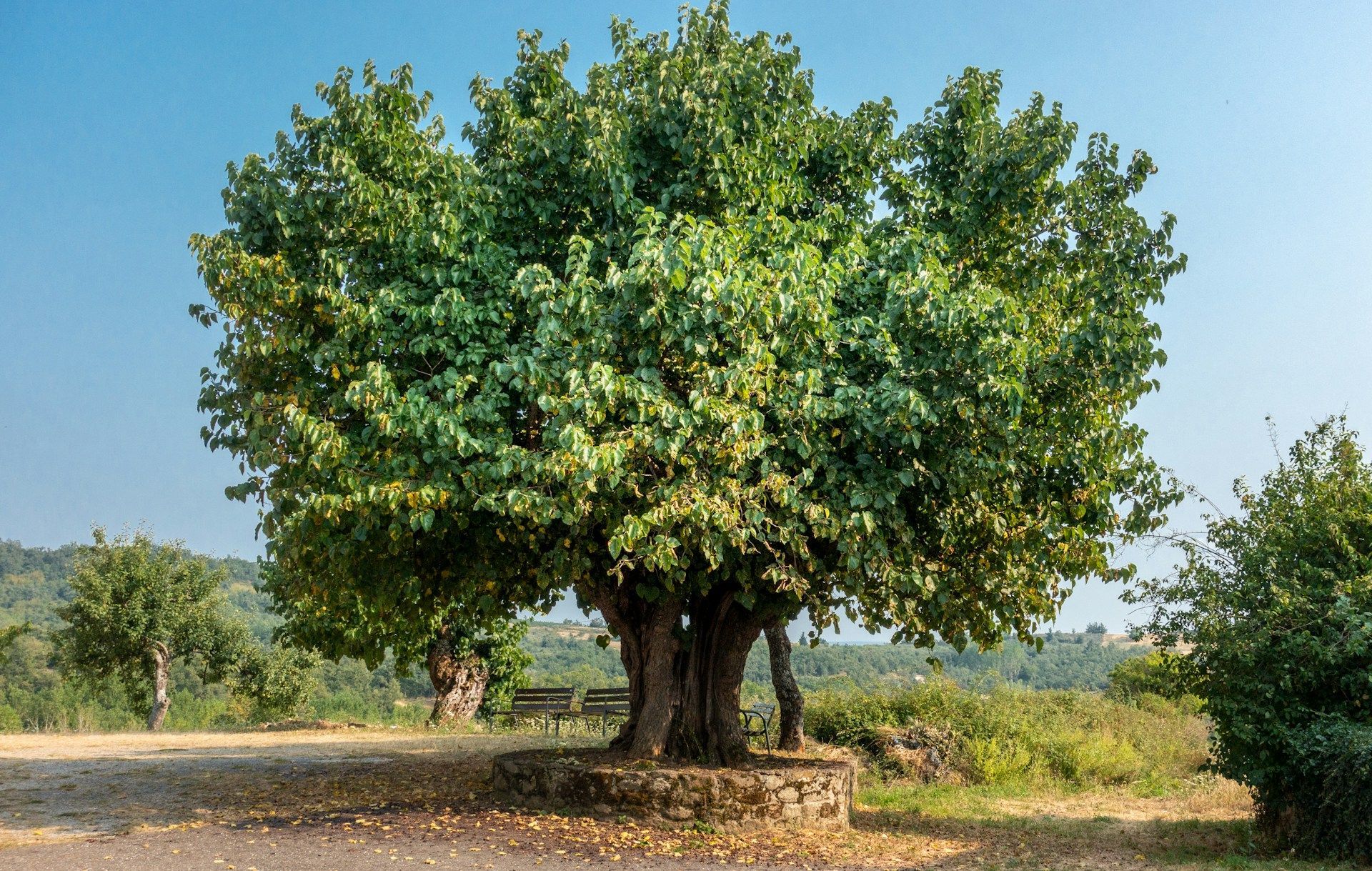
After a tree comes out, there is space where it stood and a choice to make. Some homeowners like it open. Others want to put a new tree in the same spot or shift the shade somewhere smarter. Spring is a great time to think it through and get fresh roots in the ground if needed.
- Tree planting works best shortly after lot clearing, before weeds take over the open soil.
- Choosing smaller, storm-resistant trees gives the same shade or privacy without the worry later on.
- Spring gives new trees time to take root before hot summer days make it harder to grow strong.
We treat planting like the final step in recovering the yard. Not everything has to be replaced, but when it makes sense, spring is the right time to dig in and give new life to the space left behind.
Why Trust Matters in Tree Removal
When trees fall, it is already a tense situation. We have seen everything from smashed fences to branches hanging dangerously close to power lines. The last thing anyone wants is a tree removal that makes things worse.
- A reputable tree service explains what will happen before the work begins, so there are no surprises.
- An honest tree service helps homeowners understand which trees need thinning and which should come down next time to avoid another fall.
- A licensed tree service uses safe methods, follows local rules, and sticks with the job until it is cleaned up and done right.
That trust shows up in all the small details. How the branches are lowered. How the mulch is laid. How care is taken around gardens, walkways, and fences. That is the kind of work people remember when the next storm rolls in.
Safer Yards Start With Smart Removal
Cleaning up a fallen tree the safe way means more than just cutting and stacking. It is about protecting the home, keeping the yard ready for new growth, and doing the job without damage or danger. Whether that tree landed hard after a spring storm or finally gave in to years of leaning, the right removal matters.
When we handle thinning, hauling, mulching, or tree planting after a fall, we do it to keep the whole yard strong and safe through the seasons. Good removal sets up better planting, better shape, and fewer problems the next time the wind picks up.
When storms leave trees down on your property, we act fast to clear them safely and thoroughly. From thinning and lot clearing to careful hauling, mulching, and new tree planting, our licensed team at Teague’s Tree Service restores your yard with skilled, damage-free solutions. For reliable help with
fallen tree removal in San Antonio, give us a call to get started