How to Spot a Dangerous Tree Before It Falls
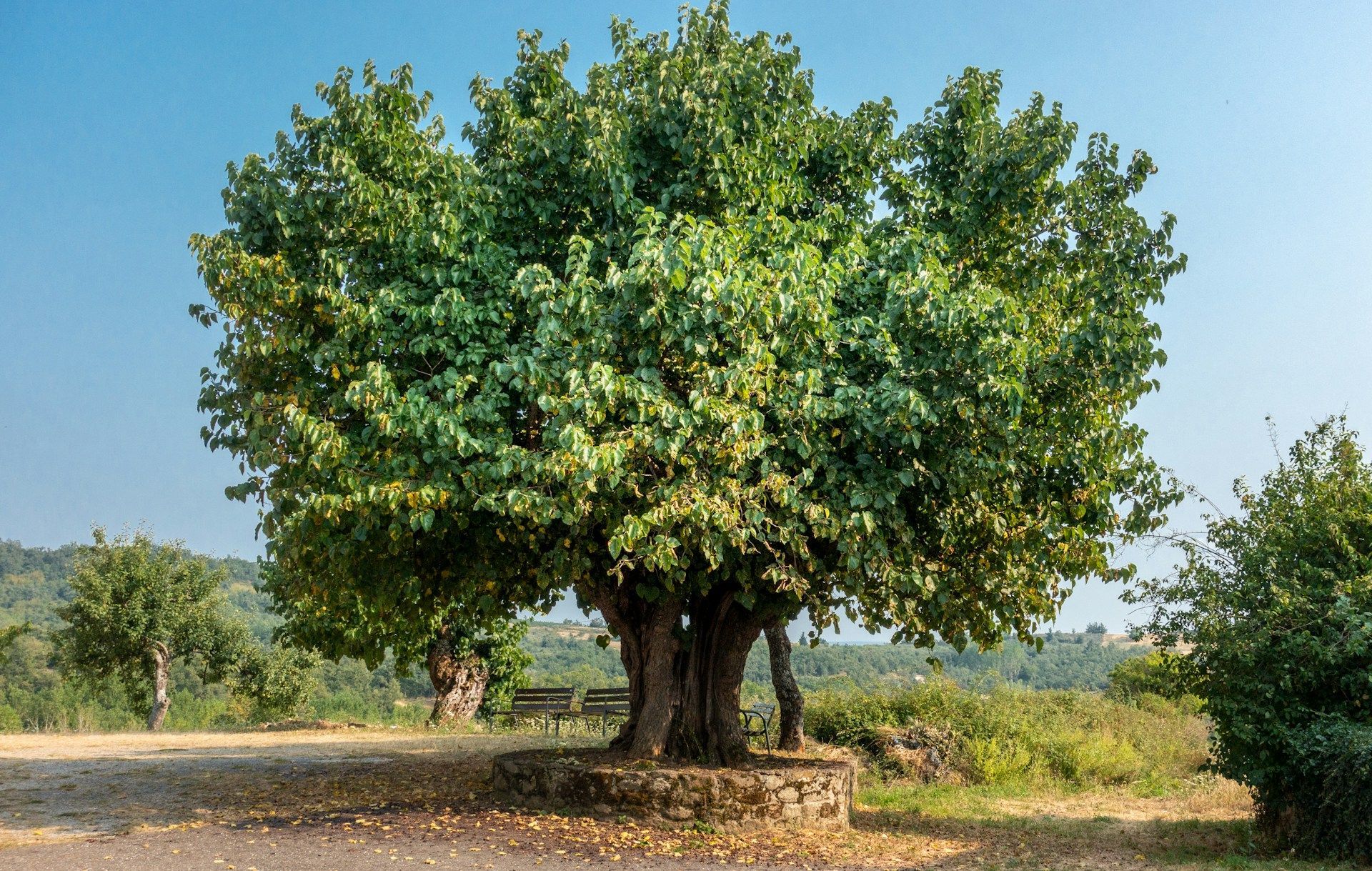
Some trees can look healthy at a glance but still be ready to fall. A strong trunk and green leaves don’t always mean the inside is solid. In spring, trees around San Antonio get hit with wind, rain, and fast growth. That kind of stress can push weak trees past their limit.
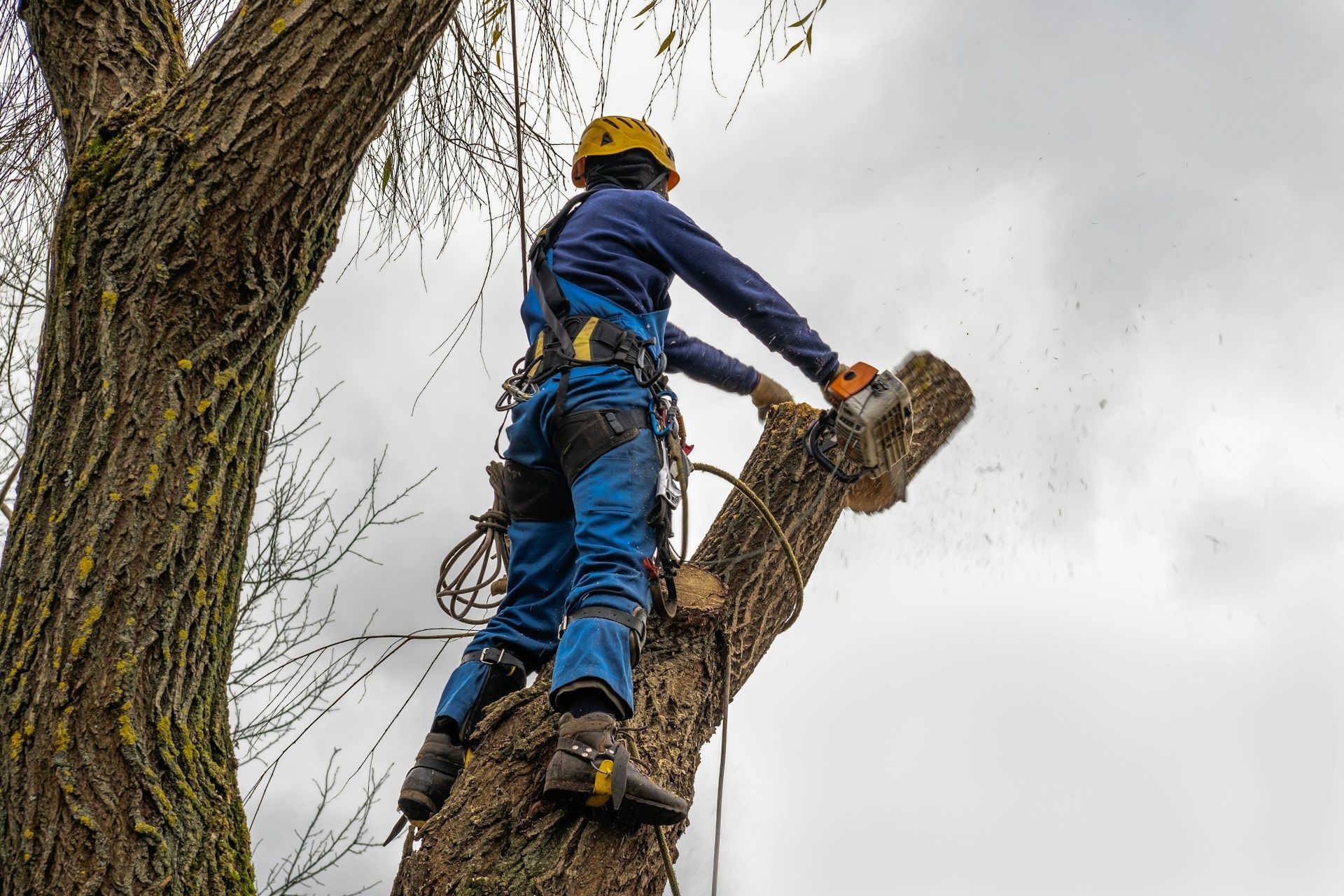
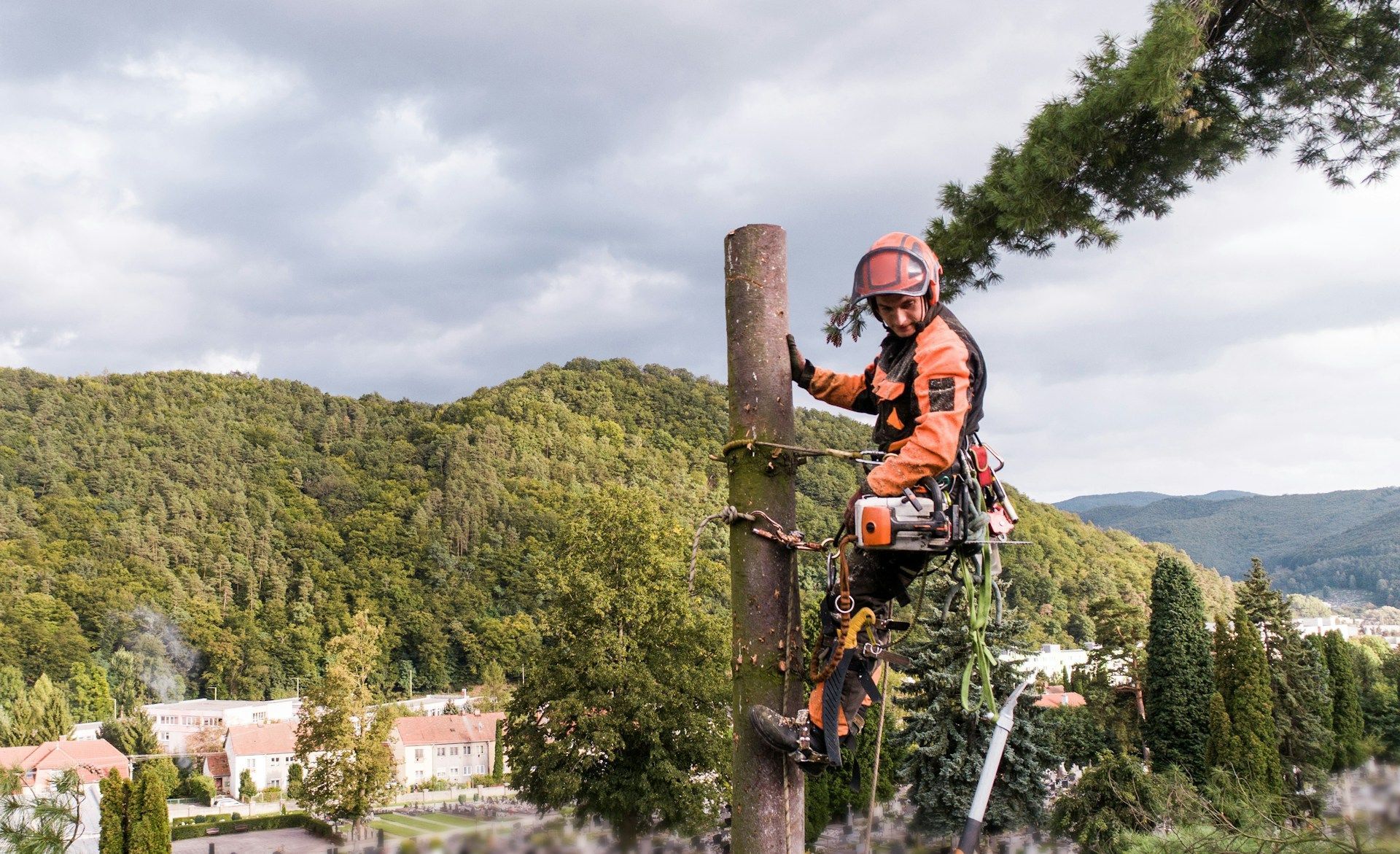
Spotting the early signs of trouble helps keep your home and yard safe. Dangerous tree removal in San Antonio often becomes urgent after damage is done, but there are ways to catch the warning signs earlier. Spring is the right time to take a closer look before storms get stronger.
Look for Signs of Weak or Dying Branches
Branches are usually the first part of a tree to show trouble. If a branch is dry, cracked, or missing bark, that’s not a good sign. Wind and rain often knock down weak limbs, especially after sudden spring growth.
You may notice:
- Dead branches that look gray, hollow, or brittle
- Cracks running along limbs or right where they join the trunk
- Limbs that move oddly in the wind, even when the rest of the tree stays still
A thinning tree crown can sometimes help reduce stress, especially if there’s too much weight on wide branches. Careful trimming in the right places can keep a tree balanced and less likely to split or drop pieces in a storm. But if too much of the crown looks lifeless, that could be a bigger sign of decay. A tree doesn’t always have to be bare to be unsafe.
Check the Trunk and Base for Trouble
Sometimes the danger is hidden closer to the ground. A tree’s trunk holds everything up, so any damage there means bigger risks. Rot often starts from the inside, and it isn't always easy to see.
We recommend checking for:
- Mushrooms or soft growth at the base of the trunk, which often means there’s rotting wood inside
- Bark peeling away or deep cracks running down the tree’s body
- Holes or signs of insects that may be eating away at the inside
It’s easy to miss these signs if you’re not looking for them. A licensed tree service can help check if the damage goes deeper than it looks. Sometimes a tree isn't leaning or shedding branches, but it’s still holding rot in the trunk that could cause it to snap during a heavy storm.
Watch the Roots, Soil, and Lean
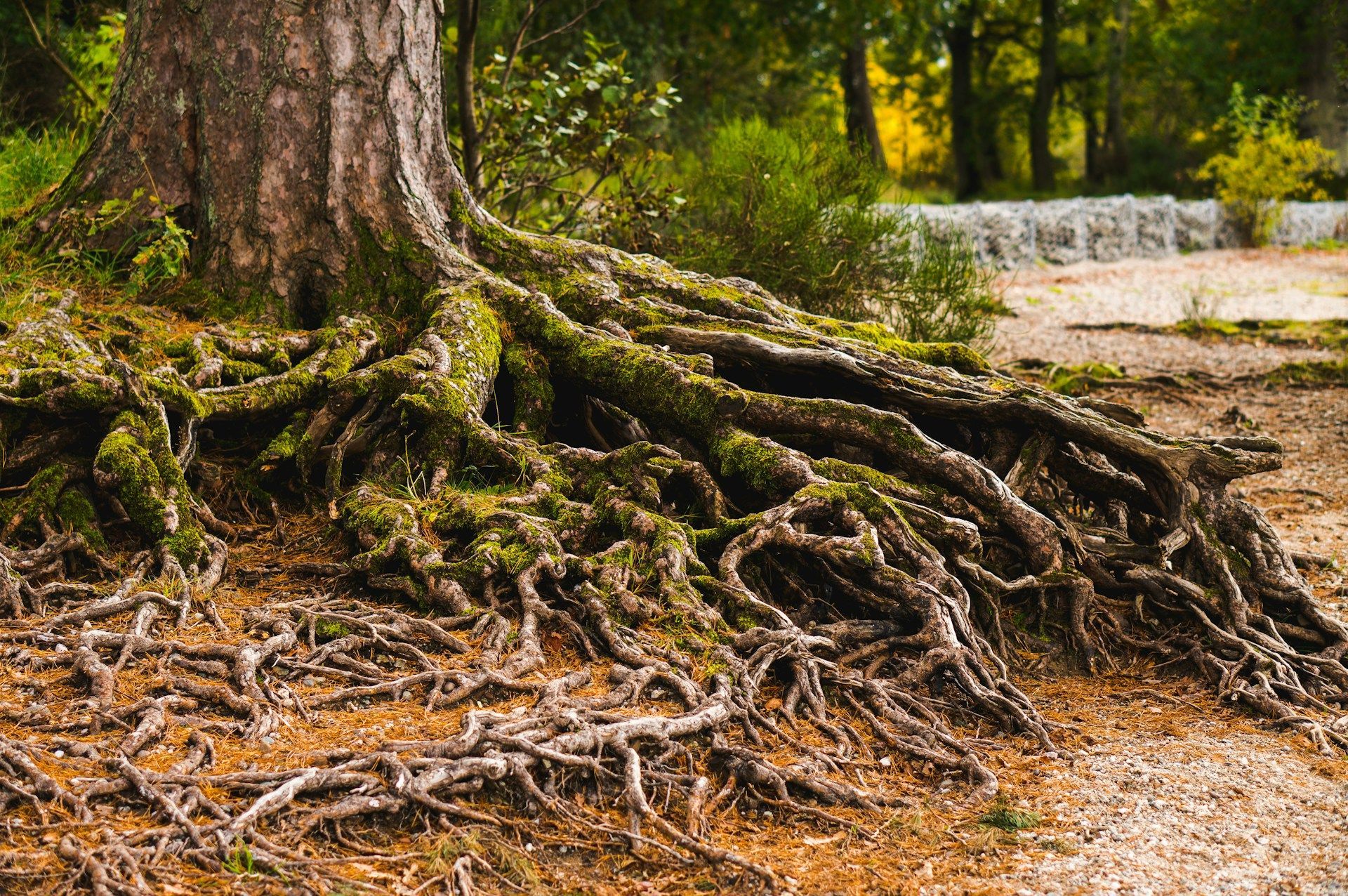
Roots matter just as much as what you see above the ground, maybe even more. A healthy root system keeps the tree standing straight, no matter how tall it is. But once those roots start to give, the whole tree becomes unsteady.
Here are some signs we look for:
- The tree is leaning more than it used to, especially if it seems worse after rain
- The soil around the base is cracking or lifting up on one side
- Lot clearing or home work has disturbed the roots or compacted the nearby ground
We’ve seen trees that were fine last spring, but leaned suddenly because roots let go after new landscaping work. When one side of the roots pulls up, gravity takes over. Even large trees can fall fast when their base is no longer firm. If the soil shifts once, it can shift again, especially when the wind or water picks up speed.
Why Cleanup and Yard Health Matter
Sometimes the danger isn’t from the tree itself but from what’s left behind. After a storm or light trimming, yard cleanup matters more than people think. Debris can block drainage, attract pests, or hide broken limbs that could fall later.
A safe yard includes:
- Hauling branches, limbs, and dead growth instead of letting it pile up
- Mulching trimmed areas to help the roots stay healthy and protected
- Keeping trimmed branches away from fences, sidewalks, or areas with foot traffic
A reputable tree service won’t just cut and leave. They’ll think about what else the yard needs to stay clean and safe. Long-term safety comes from more than a quick trim. It’s about caring for what’s left behind too.
Choose the Right Help for Spring Growth
Trees often grow fast during spring, but not every bit of growth is safe. When we remove a tree for safety, we don’t stop there. Sometimes it makes sense to replace it with new tree planting that works better for the space.
An honest tree service pays attention to:
- Whether a healthy tree needs to come down or just needs thinning
- When tree planting can make a cleared space safer and more useful
- How to work across a whole yard, not just one spot, so future growth stays balanced
We’ve seen dangerous tree removal in San Antonio happen in a rush, and it usually leads to more issues later. The better option is an early look at the trees before the storm season hits full force, with smart advice and no pressure to cut what doesn’t need cutting.
A Safer Yard Starts with a Closer Look
We don’t always expect trees to fail. Many look just fine until they don’t. One strong storm, one missed warning sign, and suddenly there’s a mess to deal with. That’s why spring is a good time to walk your yard, check for signs, and think ahead.
Caring for your trees now means fewer surprises later. When we look closely (at the branches, trunk, roots, and the ground around them) we get a better sense of which trees are healthy and which ones are waiting to fall over. Paired with clean hauling, smart thinning, proper mulching, and honest advice about tree planting, it all adds up to less worry when the wind picks up. Hiring a licensed and reputable tree service makes that work a lot easier.
Worried about your trees as the seasons change? At Teague’s Tree Service, we help San Antonio homeowners protect their properties with expert thinning, safe hauling, and straightforward recommendations. From routine trimming to preparing your yard for new plantings, we consider every detail to keep your outdoor space secure. When you suspect you need help with
dangerous tree removal in San Antonio, our licensed, trusted team is ready to assist. Call us today to schedule a visit and enjoy peace of mind.