Why Stump Grinding Is Separate from Stump Removal
When a tree comes down, it doesn’t just disappear completely. What gets left behind is the stump, and dealing with that stump brings up a key decision. Should you grind it down or remove it entirely? Many people assume these two are the same, but they're actually very different jobs with different results.
If you're thinking about stump grinding in San Antonio, it helps to know that it's not the same thing as full stump removal. The tools, the process, and even the cleanup look pretty different. Learning how each one works can save a lot of time, hassle, and guesswork when making a plan for your yard.
Spring is the perfect season for clearing things out before the weather heats up. This is the time when lawns are bouncing back, and a leftover stump can get in the way of thinning or tree planting. Knowing the right method makes it easier to move forward confidently with fewer surprises later on.
What Stump Grinding Actually Does
Grinding doesn’t mean the entire stump disappears, but it does mean that what’s left behind is out of the way. This job uses special equipment to shave down the wood until the stump sits just below the soil. What’s left gets turned into small, mulch-like wood chips.
- The grinding machine eats through the top of the stump, leaving the roots alone underground.
- Since the grinding doesn’t pull anything up, the ground nearby stays mostly undisturbed.
- The wood chips that come from this work can be raked out or pushed back into the hole as filler.
Grinding is handy when you need to keep things looking neat but don’t want to dig up a whole area. For flat yards or spaces near sidewalks, it clears the problem without causing a lot of extra work. It also saves time on hauling since most of the leftover material becomes mulch right on the spot.
Why Full Stump Removal Is More Involved
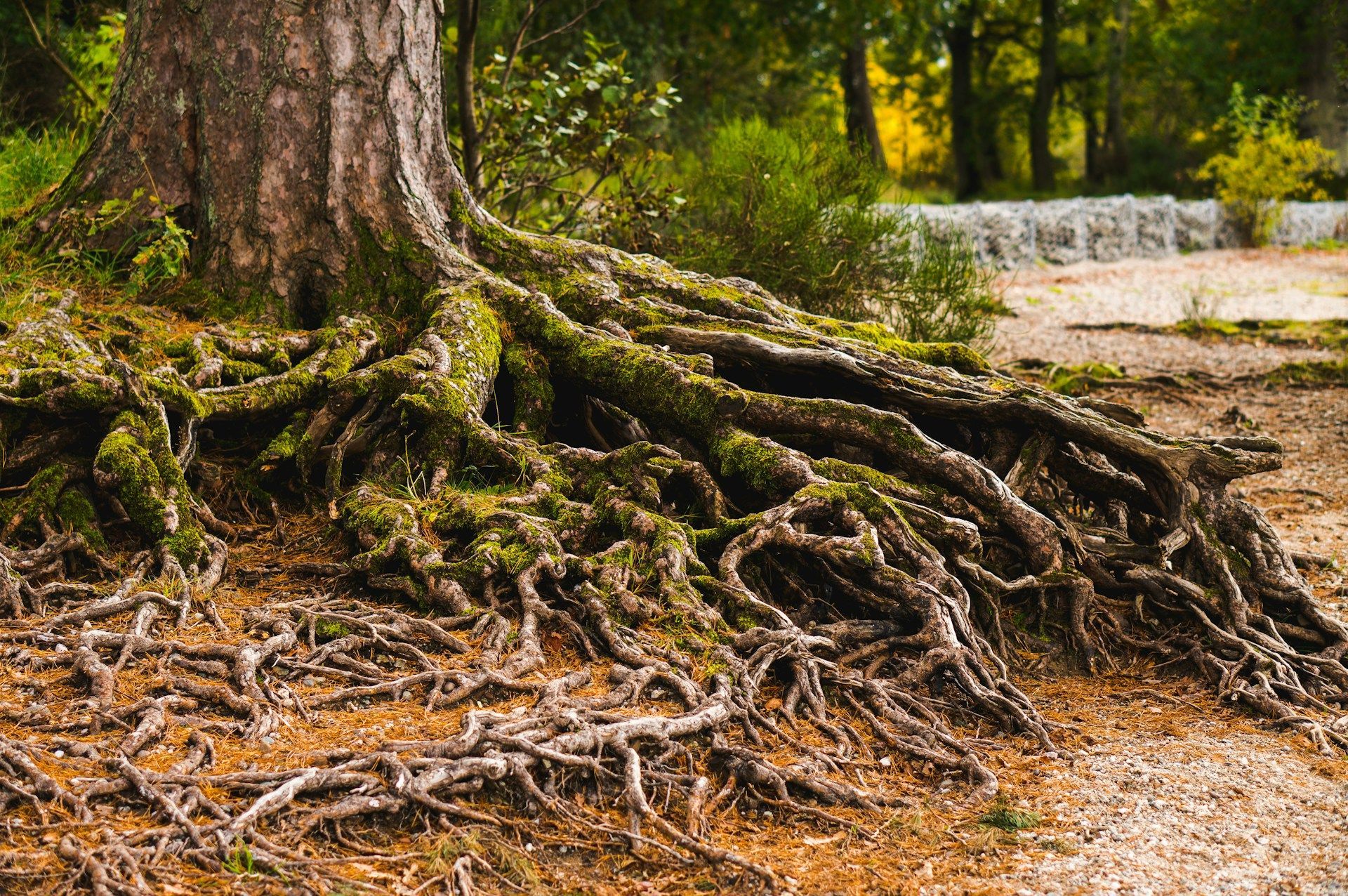
Stump removal goes a lot deeper than grinding. Instead of shaving, this process involves digging out the whole stump and the root ball that hides below it. That takes more time, labor, and gear, but it leaves the area totally cleared out.
- Removal means digging into the ground several feet, depending on the tree type and how big those roots are.
- It can involve heavier hauling, both dirt and stump pieces need to be moved out so the space is clean.
- This method is better when the plan is to build, install turf, or do heavy lot clearing.
When you need to remove roots that might cause problems later, like pushing up walkways or blocking drainage, full removal is the better way to go. It’s also the smarter pick if the goal is long-term tree planting in the same spot. That way, the new roots won’t have to fight the old ones for space.
When to Choose Grinding Over Removal
Most of the time, grinding is quicker and cleaner, especially if you’re not trying to build right on top of that area. In places like San Antonio, where lawns are active almost year-round, grinding helps smooth things out without a long recovery period.
- Grinding works best when the stump is in a part of the yard you want to keep tidy but aren’t planning to build over.
- For well-kept neighborhoods or tight spaces, grinding cuts down on damage to nearby soil and plants.
- It’s also handy because the mulch left behind can be used for mulching nearby flowerbeds or feeding nearby roots.
The timing is perfect for early spring before the ground dries out in the heat and makes larger removal jobs harder. Helping the soil recover early in the season makes thinning your other trees and adding fresh mulch much easier down the line.
How the Right Team Makes a Big Difference
No matter which method you’re leaning toward, choosing a reputable tree service can make the whole process smoother. Trying to guess which job will work best can get tricky, especially with different soil types, root depths, or nearby hardscapes like patios or fences.
- A licensed tree service will know what’s underground and how to avoid pipes or lines as they grind or dig.
- A reputable tree service always looks at the layout and lets you know early if a stump might be hiding more than expected.
- An honest tree service doesn’t just rush to get it done, they think about what comes next, like whether you’ll need that spot for future tree planting or if it needs extra safety attention around kids or pets.
Having the right plan from the start means less risk and a better finish. Whether you’re doing light cleanup, thinning older growth, or making room for new plantings, experience counts.
Thinking Ahead This Spring
As spring rolls forward and our San Antonio days start getting hotter, now is the right window to handle stump work before the ground gets too tough. This is also before grasses and plants get too thick, which makes it easier to see what you’re working with.
- Clearing now opens up more space for mulching, watering, or just keeping the lawn easier to mow.
- Stump work in early spring means nearby trees can keep growing strong without root confusion.
- Hauling fresh soil into clean stump spots can help fix low areas or prep for new tree planting later this year.
Taking that little bit of time now can spare you trouble when summer storms roll through. Clean stumps reduce trip hazards, keep pests down, and give the rest of your yard a better shot at staying healthy.
Clear Ground, Smarter Yard
Stump grinding and stump removal may sound close, but they each do something different for your yard. Grinding smooths things out without digging, while full removal pulls everything up from below. Picking between them depends on what you want to do with your space, how much cleanup you're open to, and what plans you have for that part of the yard later.
Knowing the difference now helps avoid problems down the road. Whether you're hoping to make room for tree planting, looking to clean up with some fresh mulching, or just want an easier spot to mow, taking care of those old stumps the right way now keeps your yard in better shape for summer and after.
Ready to tackle stump work this spring? We’re here to guide you through every step, from cleaning up stumps for lawn care to preparing your yard for tree planting. Our licensed team at Teague’s Tree Service handles every detail with care, including debris hauling and protecting your nearby trees during thinning or lot clearing. To see how we approach
stump grinding in San Antonio, reach out to us today.