How Thinning Helps Prevent Wind Damage in Spring
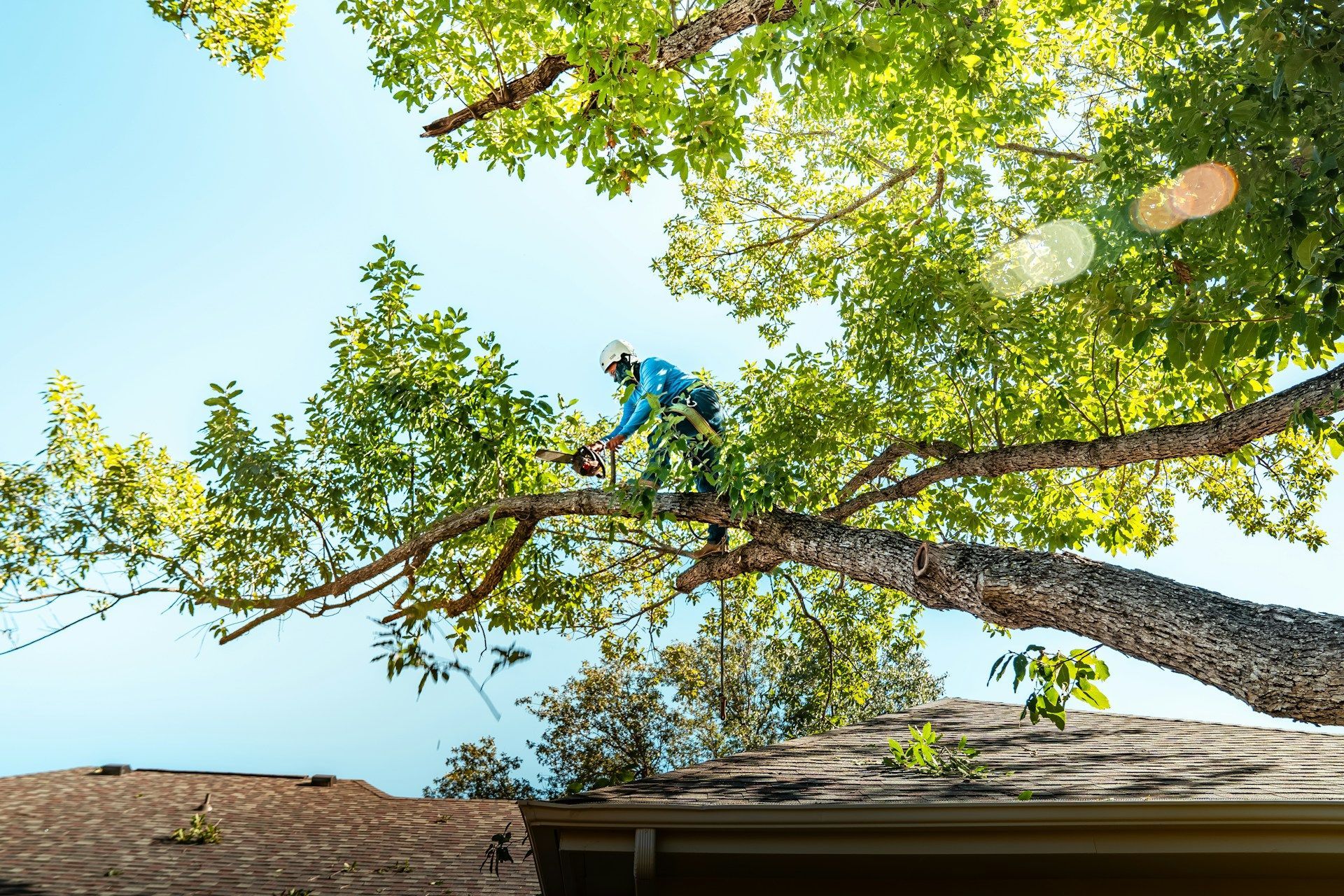
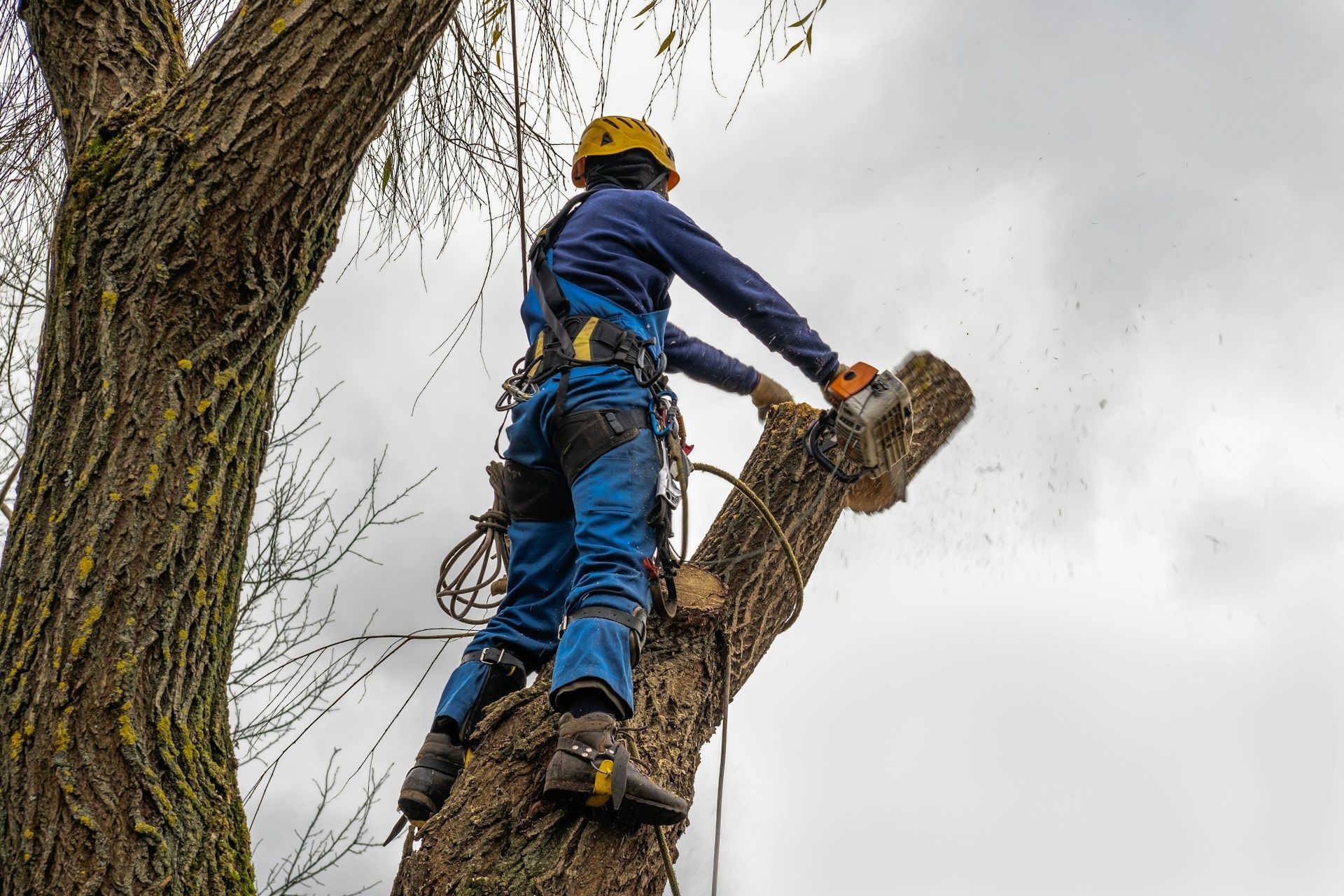
Spring in San Antonio means warmer days, fresh growth, and some strong winds that can show up fast and leave a mess behind. That is why it is smart to get trees ready before storms roll in. One of the best ways to do that is by thinning out overgrown branches. A licensed tree thinning service in San Antonio can help shape trees so they handle big gusts better and stay healthier long after spring has passed.
When trees are trimmed the right way, they do not sway as much in the wind. They also get better air and sunlight, which makes a big difference in how strong they grow. This kind of care helps stop problems before they start, keeping trees from doing damage during the next windy week.
How Wind Affects Overgrown Trees
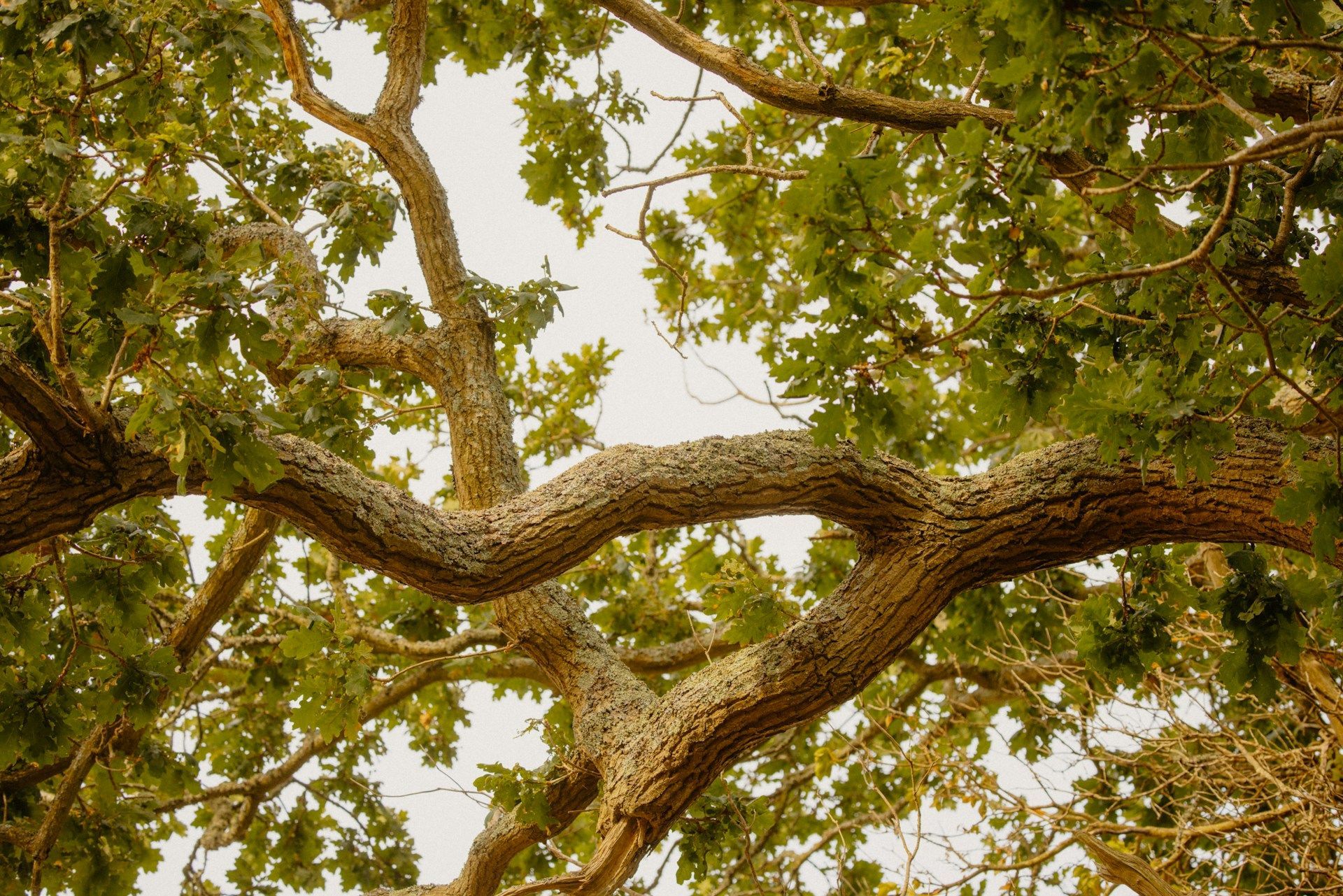
It does not take a major storm to knock a big branch loose. When trees grow without any thinning, they get packed full of limbs that fight for space and hang heavy over roofs, fences, and walkways. The trouble is, more branches can actually make things worse when the wind comes.
- Thick branches act like a sail and catch the wind instead of letting it pass through. That puts a lot of strain on the trunk and roots.
- Tightly packed limbs rub against each other and weaken over time, which makes breakage more likely when weather changes fast.
- Overcrowded trees, especially ones that have grown close together, can lean into one another in rough wind, pulling each other down or lowering stability across the whole area.
Without thinning, one weak spot can lead to a chain reaction, turning yard trees into possible hazards.
Thinning Keeps Trees Healthier and Stronger
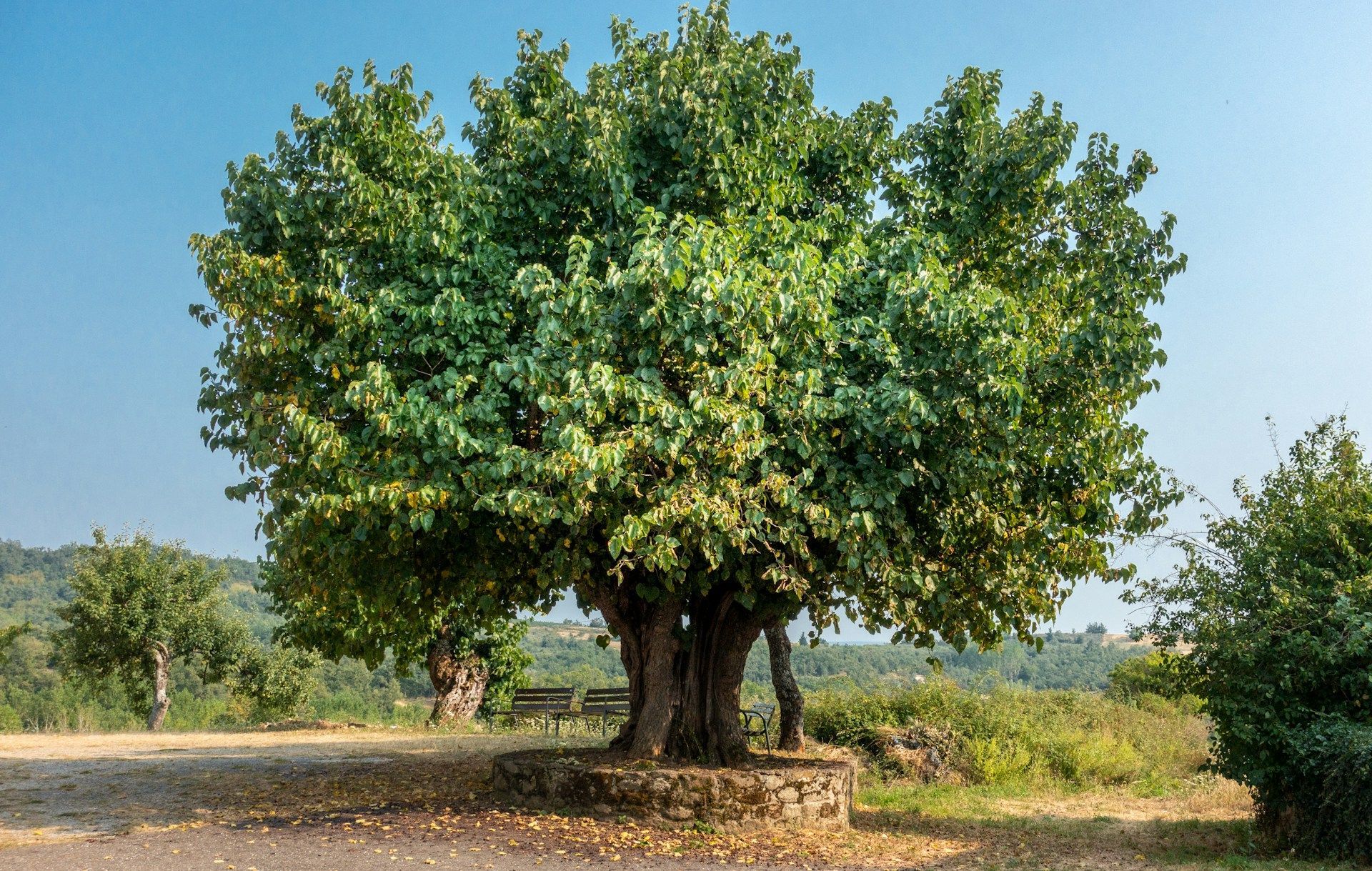
Keeping trees healthy is not just about how they look. It is about how well they hold up during the seasons ahead. Thinning gives them room to grow and build strength from the inside out.
- When we thin a tree, we carefully remove selected branches to open up the canopy. That lets air and light reach spots that have been shaded too long.
- Thinner canopies keep moisture moving and discourage mold or weak limb growth, both of which can break down a tree from the top down.
- Less weight in the upper limbs makes trees steadier and less likely to lose parts of their crown in high wind.
A solid structure below the canopy helps the tree keep its balance, even during rough spring weather.
When and Where Thinning Makes the Most Sense
The weeks before peak storm season are a good time to check in on which trees need attention. Spring in San Antonio gives trees a strong start, but wind and rain can still roll in quickly. Getting ahead of that means paying extra attention to where problems could pop up.
- Trees hanging near homes, driveways, fences, or power lines are good places to begin. If they are overgrown, it is best to thin them before the next storm catches everyone off guard.
- Areas where trees were planted too close together may benefit from lot clearing or selective thinning to remove stress and create spacing.
- Tight spots in the yard can often lead to crossed branches or limbs rubbing against buildings. Thinning can reduce that pressure and help those trees breathe again.
We look at not just where wind might hit, but how trees are shaped to deal with that force when it shows up.
Build a Smarter Yard for the Season Ahead
Tree thinning is just one piece of good spring planning. After cutting is done, there are a few ways to help your yard recover and get ready for growth in the months ahead.
- Mulching is a simple way to help roots stay cool and hold moisture through the hotter dry months. It also keeps weeds in check and gives the area a clean finish.
- Tree planting is a good choice for areas that opened up after thinning or lot clearing. New trees planted with the right spacing can grow straighter and stronger.
- Hauling off limbs, branches, and older yard waste helps reduce pests and keeps the property safer. We always make sure what is cut down gets cleaned up, not left behind.
Planning in early spring helps keep tree health steady and prepares the yard for less stress during bad weather.
Trusting the Right Professionals
We understand that thinning is not about cutting whatever is easiest. It takes a plan and a clear picture of how each tree should grow. That is why choosing the right help matters.
- A licensed tree service knows where it is safe to trim and how much to take without hurting the tree.
- A reputable tree service will show up when they say they will and clean up when the work is done, not leave a mess for you to handle.
- Working with an honest tree service means you will not get pushed to remove trees that still have years of good growth ahead. Instead, we talk through what is needed and what makes sense based on your yard.
We care about doing what is right for your space, not what is fastest or flashiest.
Better Prepared for the Next Windy Day
Thinning trees in spring gives them a stronger shape and helps lower the chances of wind damage when storms roll in. Overgrown trees are more likely to cause problems, but when limbs are spaced well and weight is balanced, they can move with the weather instead of against it.
Getting things in order now helps avoid surprises later. Tree thinning, thoughtful mulching, clearing out what no longer fits, and giving young trees room to grow can all add up to a yard that is both safer and more inviting. Teague’s Tree Service is here to make sure your trees have the best shot at standing tall for seasons to come.
Get your trees in great shape before spring storms arrive. Thinning now can reduce the risk of breakage, promote healthier growth, and help keep your outdoor spaces safer and easier to maintain. We take a comprehensive approach to every job at Teague’s Tree Service, looking at everything from debris removal and future tree planting to dependable year-round care. For help with a trusted
tree thinning service in San Antonio, contact us today.