How San Antonio Storms Affect Tree Pruning Plans
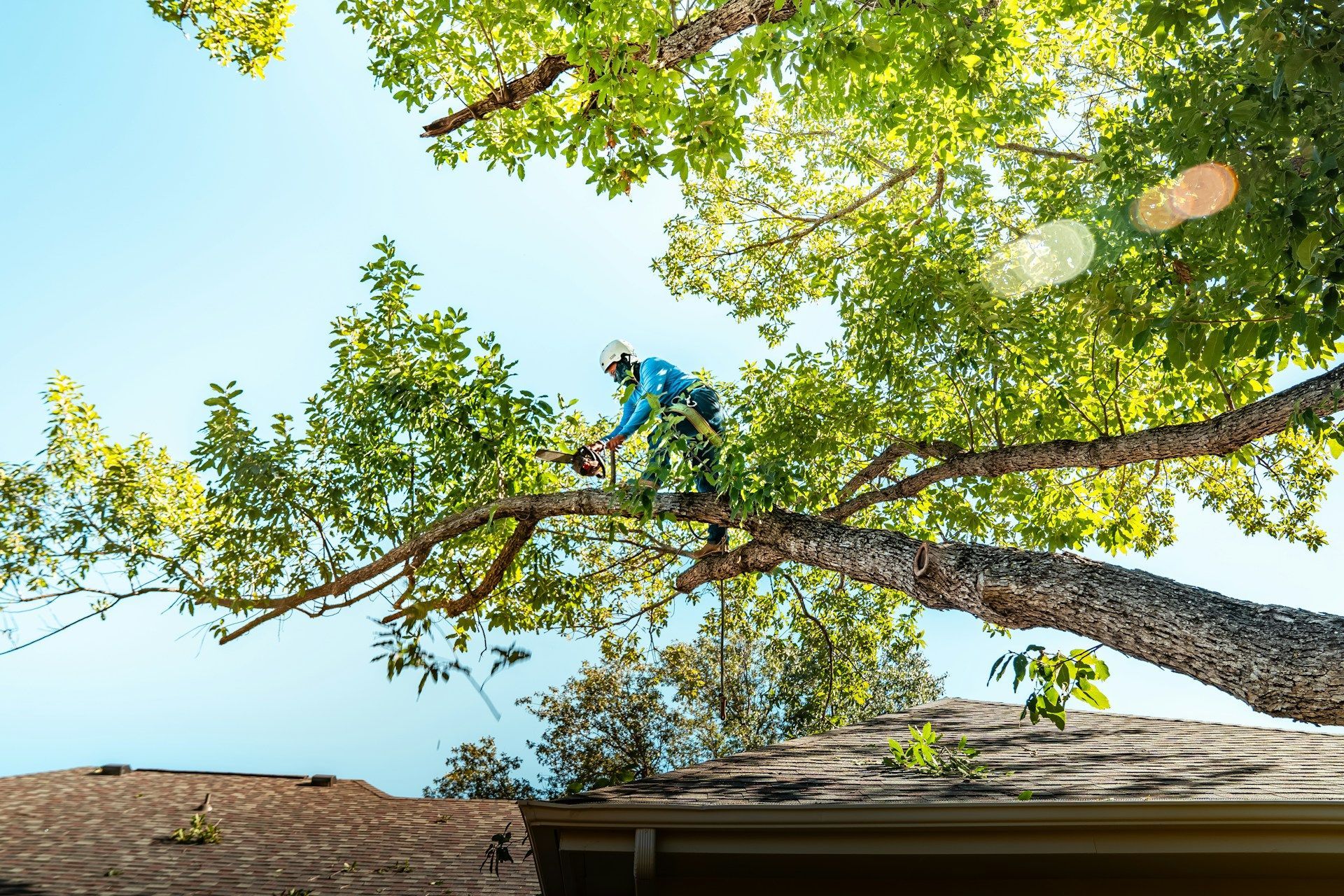
Summer storms show up fast in San Antonio, and when they do, they don’t mess around. Strong winds, heavy rain, and soaked soil can create the perfect storm for weak or overgrown trees. That’s why smart planning for tree pruning in San Antonio matters so much, especially heading into June when storm season kicks into gear.
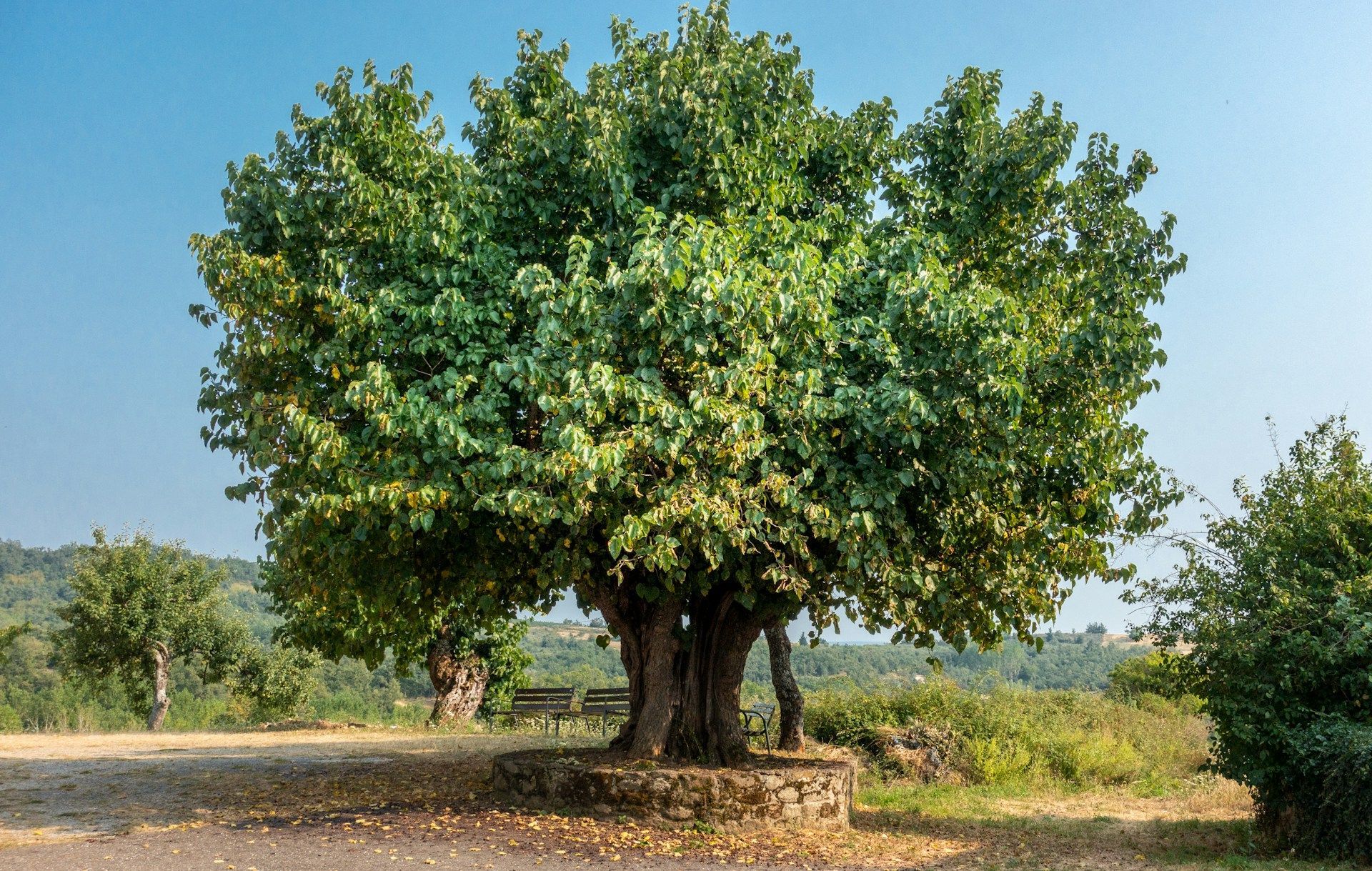
Many trees start looking full and thick by late spring, but that doesn’t always mean they’re ready to handle gusty weather. A quick storm can snap large limbs or tear down parts of a tree that should’ve been trimmed back sooner. Timing matters more than people think, and waiting too long can mean more damage, more cleanup, and more risks around your yard.
Why Storm Timing Matters for Pruning
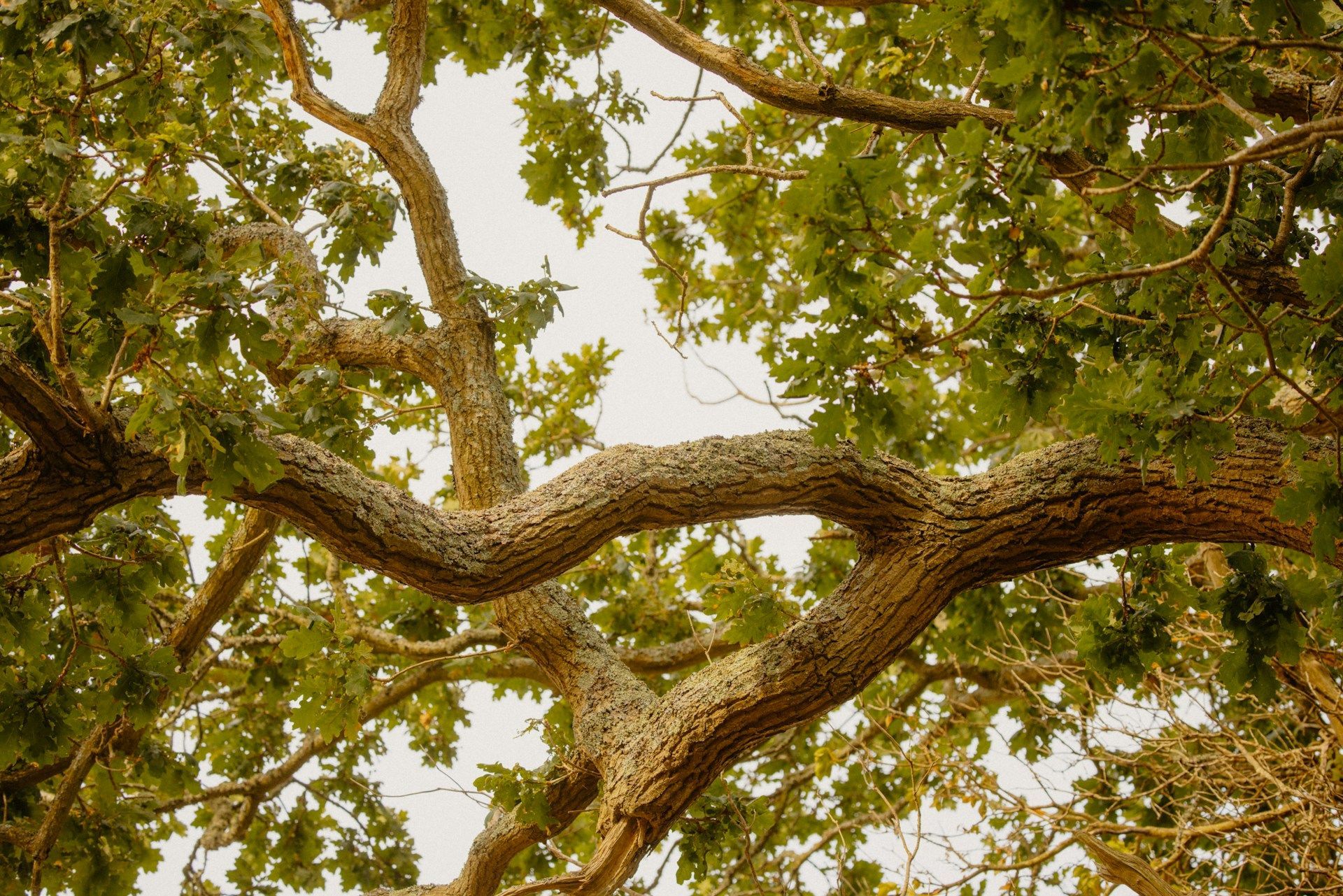
Trees need room to handle tough wind. When branches grow too close together or hang too heavy, they're more likely to break during a storm. That’s why pruning isn't just a cleanup task, it’s part of preparing your yard for the season.
- Early summer storms often show up before most yards have been trimmed or cleaned up. That surprise weather puts trees at more risk when they’re still packed with spring growth.
- Tight limbs and crowded trees can cause bigger problems if they’re stressed during a storm. Breaks often pull down other branches or crash into roofs and fences nearby.
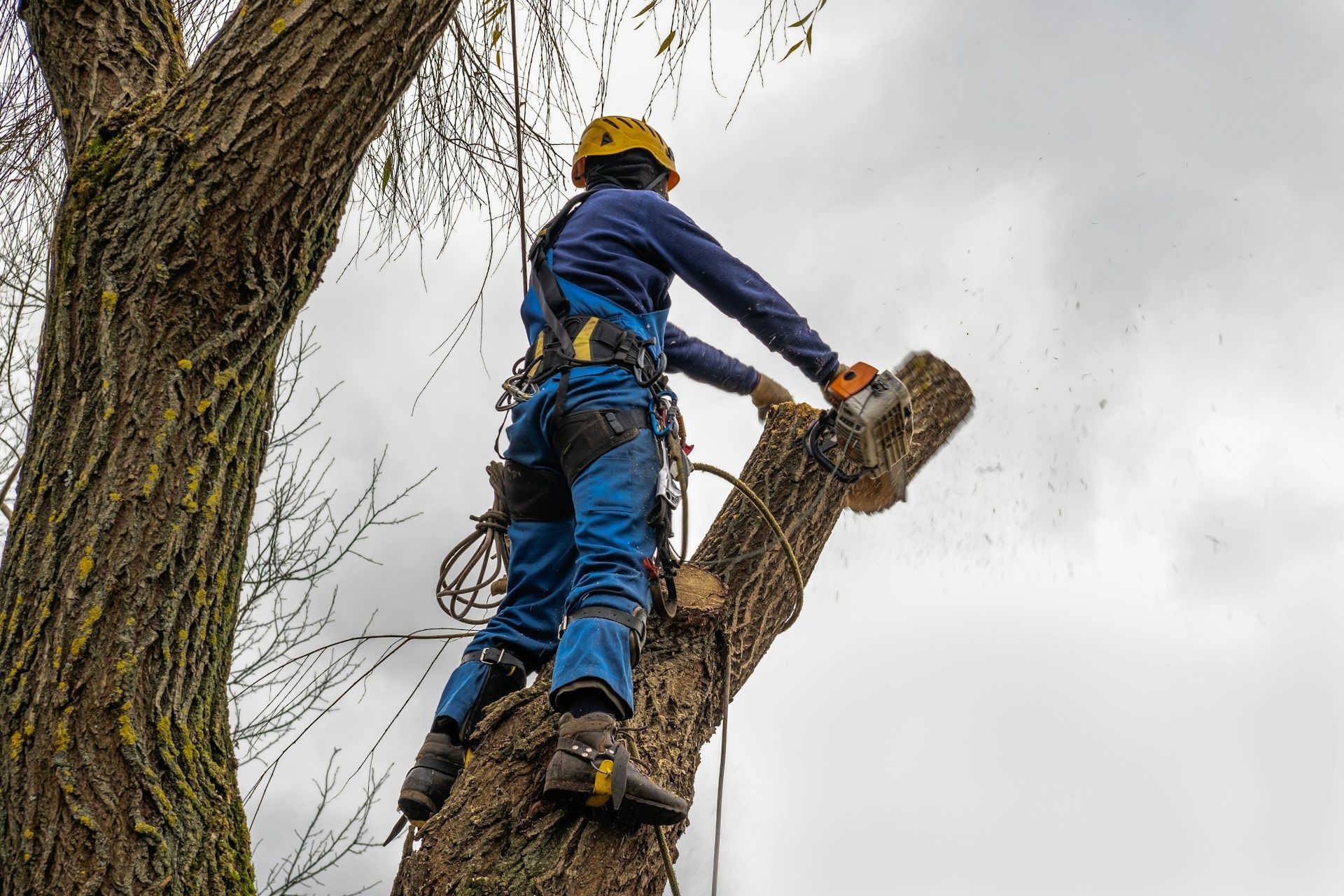
- A licensed tree service knows how to spot which limbs need trimming and which cuts won’t weaken a tree before storm season. Planning the right timing makes all the difference.
Sticking to a clean and steady pruning plan at the start of storm season gives trees a better shot at holding up when the skies go dark.
What Happens to Trees After a Storm
After a big storm rolls through, the damage shows up fast. Trees that weren’t pruned properly or at all often look split, bent, or completely knocked over. And once one tree goes down, others nearby can get pulled down with it.
- Soft, wet soil mixed with strong wind can shift roots and unbalance older trees. Without room or support, they tilt or fall.
- Heavy limbs are the first to break, especially if they were overloaded or weakened. Thinning could have kept some of that pressure off.
- Smart lot clearing before the rainy season starts can help too. Clearing out weak trees or overgrown areas keeps storm damage from spreading from one corner of the yard to the next.
And once trees fall, clean hauling becomes just as important. Getting debris out fast, before it spreads or rots, keeps the rest of the yard safer and easier to manage.
How Pruning Plans Change with Texas Weather
San Antonio's summer weather plays tricks. One day it’s hot and dry, then the next a storm rolls in with thick clouds and heavy rain. Our pruning plans change with that shift.
- We watch how fast the ground dries up or stays wet. Some days, cutting into a tree when the soil’s too soft can do more harm than good.
- Before touching a limb, we check the mulch, canopy, and base. Anything that holds moisture wrong or traps heat needs fixing before we even pick up a saw.
- Honest tree service means we don’t move ahead if the conditions feel off. Bad timing creates deeper problems that take longer to fix later.
June in Texas can flip weather expectations daily. That's why planning pruning with care matters more than just following the calendar.
Extra Steps That Keep Properties Safer
Tree pruning is a big part of storm prep, but other small steps add up to better protection. Clean yards and strong tree structures make it harder for storms to cause real damage.
- Thinning trees that are too crowded lets wind pass through more easily, which lowers the chance of breakage.
- After pruning, mulching helps protect roots and keeps rain from turning open soil into mud puddles. That mulch layer holds things in place during downpours.
- We plan tree planting in safer spots away from high-wind zones and overhead lines. That helps prevent young or leaning trees from turning into hazards when the next storm rolls in.
- Hauling off trimmed limbs, stumps, and plant waste after pruning keeps the yard tidy and limits the amount of loose debris storms can pick up and throw around.
Each of these steps adds an extra layer of safety, especially when storm winds start hitting harder in early summer.
Long-Term Yard Health Starts with the Right Timing
Rushing to prune right before a storm or skipping it altogether usually brings trouble. It’s easier to manage a yard when each part of the job fits into the bigger plan. Good pruning doesn’t weaken a tree, it helps it grow into a shape that can handle strong weather and grow steady year after year.
When you think about it, trees in San Antonio do best with a plan that matches the patterns of summer. Trees are part of the yard’s structure, and their health depends on the care they get before and after wild weather. Over time, having a reliable pruning routine smooths out surprises. It helps trees grow stronger and can keep them from causing unexpected problems, not just in one storm, but every season.
We always recommend working with a reputable tree service that knows what San Antonio's weather can do to a yard. Timing matters, and you need someone who understands how that timing connects to the bigger picture.
Good tree care in South Texas means watching the skies, checking the soil, and knowing when to trim and when to wait. When you treat pruning like storm prep, not just yard work, your trees have a better chance of standing strong through whatever summer sends your way.
Planning ahead with smart cuts and clean lot clearing can make a big difference when the weather turns rough in San Antonio. Getting the timing right helps protect your yard and gives your trees the best chance to stay strong through heavy rain and wind. Learn about how we handle
tree pruning in San Antonio to keep your property safer all season. When you’re ready to get started, give Teague’s Tree Service a call.