How to Know if You Need a Tree Health Assessment
Spring arrives fast in San Antonio, and so do the signs of new growth. But wetter weather, stronger winds, and sudden temperature swings can stress out trees that aren't as strong as they used to be. Some issues are easy to spot, like a large broken branch or heavy leaning. Others stay hidden beneath the bark or underground, quietly getting worse.
A tree might look solid from the outside, but that doesn’t mean it’s healthy all the way through. If a limb falls or a trunk splits during a storm, that damage often started weeks earlier. A proper tree health assessment in San Antonio helps us catch signs like rot, decay, or stress before they lead to bigger problems.
What Is a Tree Health Assessment?
A tree health assessment is a close look at your trees from top to bottom. It’s not just about eyeballing a few leaves. We walk the yard and check each tree’s roots, trunk, and limbs. Our goal is to spot signs that something is wrong inside or out, even if there’s no damage yet.
- We look for soft spots in the trunk or bark that’s pulling away
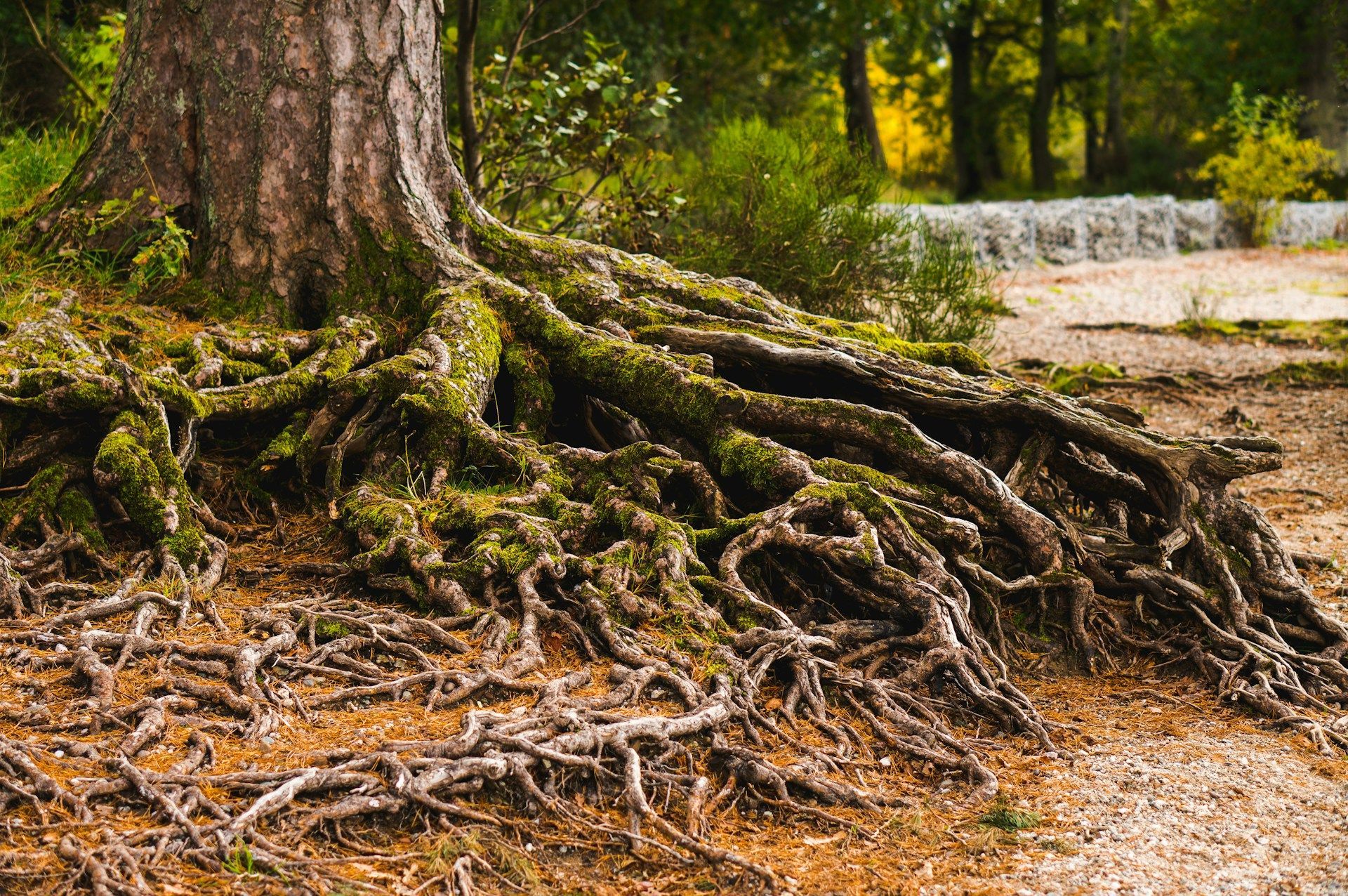
- We check roots for signs of shifting, decay, or damage from recent yard work
- We study limbs to see if any are too heavy, too thin, or no longer growing
Identifying insect damage early lets us avoid major infestations. Spotting slow rot in a trunk or roots helps us make smart plans for thinning or hauling if needed. A check like this gives us better information for what to protect, what needs extra care, and what might need replacing.
If you’ve never had your trees checked before, spring is an ideal time. It’s when new leaves and branches start growing, making problems easier to spot. This is also the time of year when trees face more challenges, such as heavy rainfall or bursts of wind, so finding trouble early can save you from bigger headaches later.
Common Signs It Might Be Time to Get One
Some trees speak up when they’re in trouble. Others are quieter. Here are a few common signs we watch for that could mean it’s time to take a closer look.
- Upper branches aren’t budding when the rest of the tree is in full bloom
- You find limp, cracked, or broken limbs hung over fences or garden beds
- The trunk has peeling bark, strange holes, or mushroom-like growth at the base
- You notice a lean that wasn’t there last season or shifting soil around the roots
Paying attention to these details now helps keep your property safe as the seasons change. If ignored, small issues like wilting leaves, or unusual growths, can turn into large problems that might affect more than just the tree itself. Noticing new tilts in trees or shifting dirt near the roots can mean the soil is loose from the recent rains, something that should never be overlooked.
These signs don’t always mean a tree has to come down. But they usually mean that stress, disease, or root trouble is already in motion. Getting a tree health assessment at the first sign of these problems helps sort out which trees are safe to save and which ones might need more care.
Another good reason to stay alert is that some tree issues develop slowly. Sudden hot days, followed by cool nights, can push a tree to its limits. Even if a tree looks healthy now, changes in bark color, clusters of dropped leaves at odd times, or new insect activity can signal hidden problems. It’s always better to catch these early with a professional assessment than wait until after a serious storm or when a large limb drops.
How Spring Weather in San Antonio Affects Tree Health
Spring in San Antonio brings fast-growing branches and bursting leaves. Trees come alive again, but that growth adds weight, especially to limbs that might already be too wide or cracked from age. If a storm hits right after a growth spurt, weak trees can snap or lean without warning.
- Heavy spring winds push extra stress onto flexible young limbs or older broken ones
- Saturated soil after several days of April rain can make roots lose their grip and tilt
- Trees with shallow or damaged roots may lean or fall when the ground softens
One surprise we sometimes see is a tree that grows too quickly without enough support underneath it. That growth can throw a crown out of balance or cause cracks where heavy limbs meet the trunk. A tree might have gotten through the winter fine, but once its roots lose their hold, stronger winds can knock it over before summer arrives.
It’s important to remember that San Antonio’s weather is unpredictable. Spring storms can develop fast, leaving little time to prepare. Healthy trees can ride out sudden changes better, but those with existing hidden issues struggle. That’s why catching weak spots in the limbs or checking for mulch washed away from tree bases can help prevent larger headaches down the road.
Yard work, too, picks up during this season. Mowers, weed trimmers, or construction can hurt roots, or scrape bark, making the tree more likely to suffer when new leaves form. Sometimes, just clearing away storm debris, or making space for new plantings, can leave trees more exposed or off-balance. Recognizing how each of these factors connects to overall tree health is part of what a thorough assessment uncovers.
How a Licensed Tree Service Helps Keep Your Yard Safe
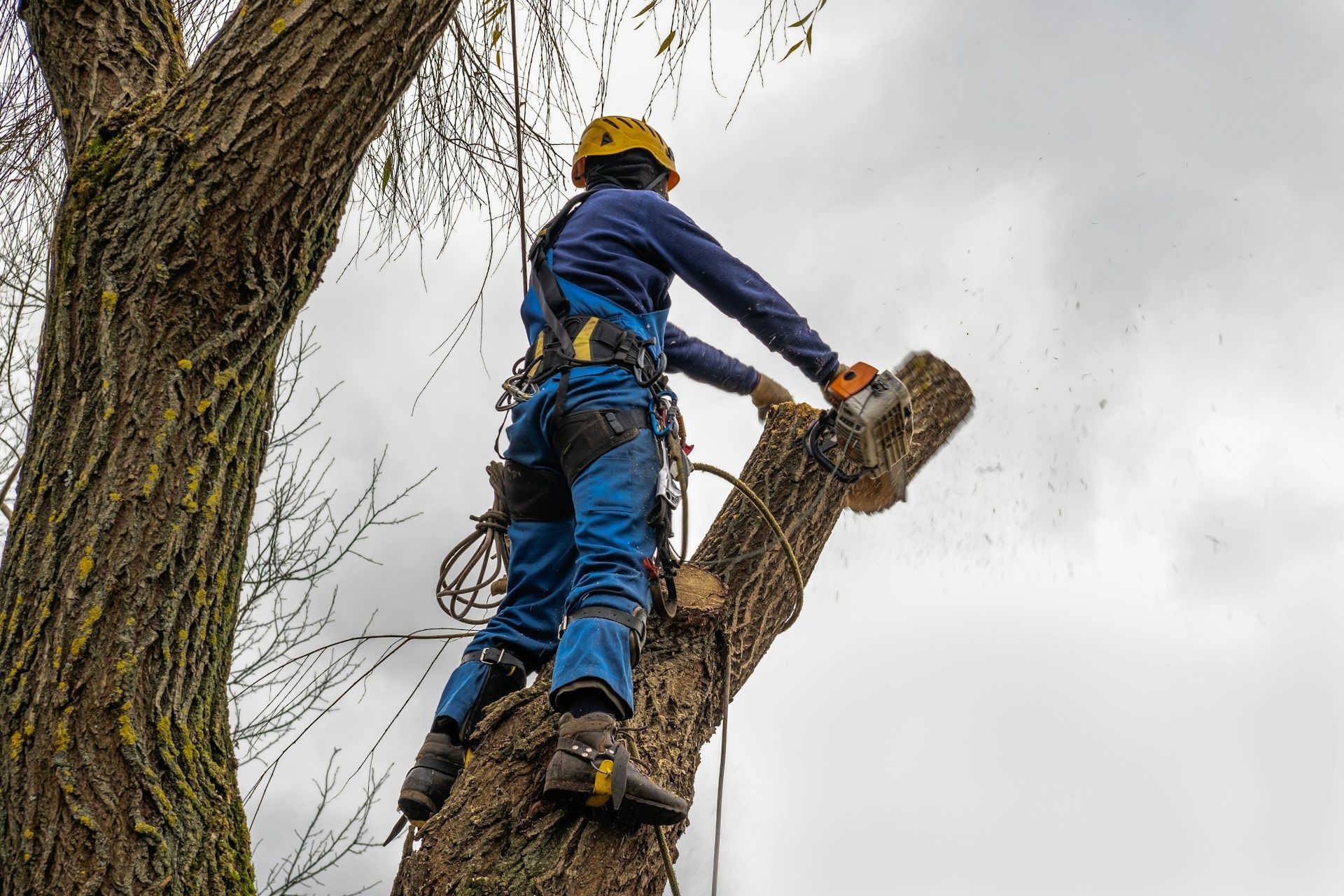
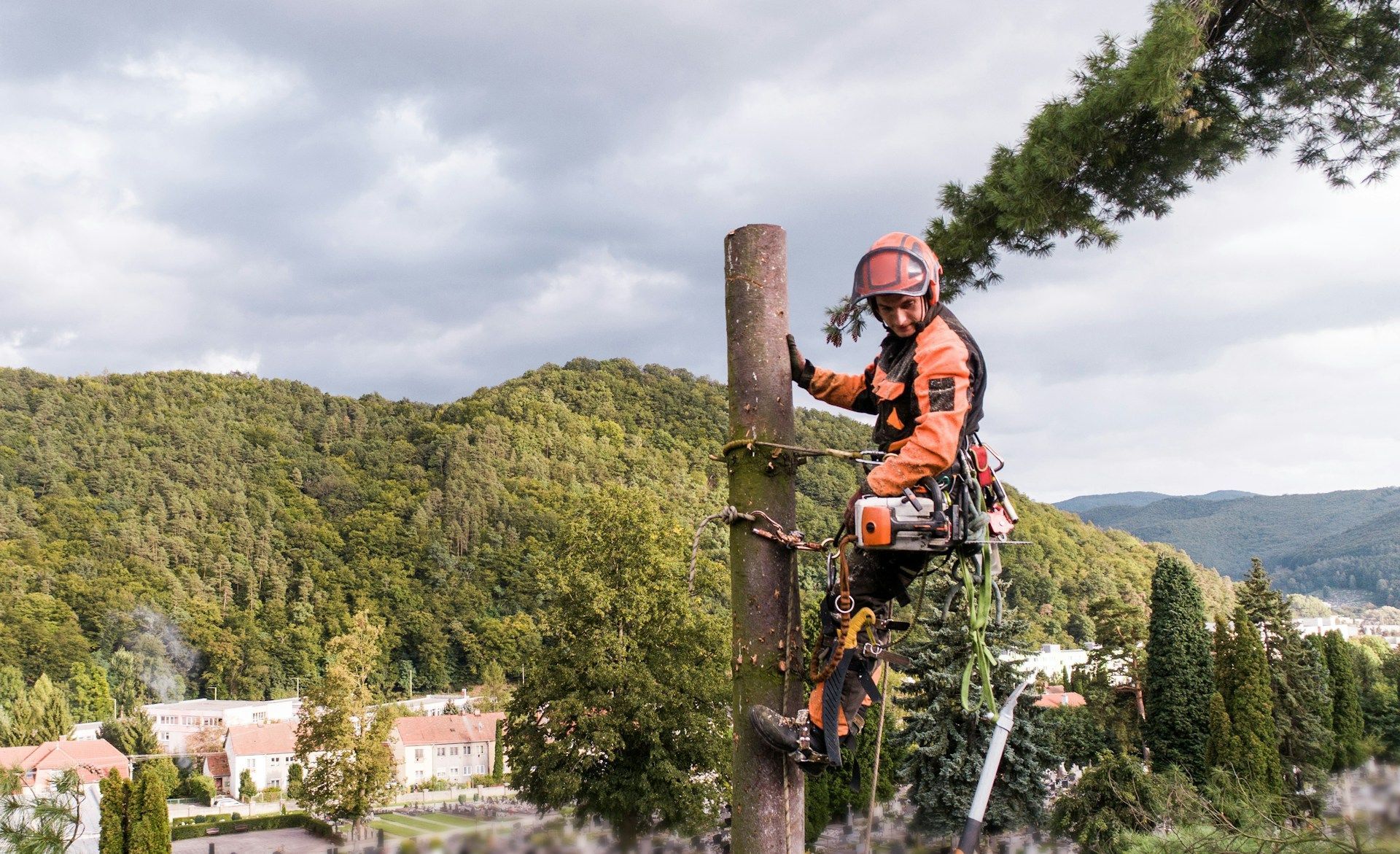
When we assess trees, we’re also thinking ahead through the rest of spring and summer. A licensed tree service helps the whole yard, not just by spotting danger, but by helping shape and support trees in smart ways to reduce risk.
- We give honest advice on whether thinning part of the crown might prevent a split
- We can guide hauling and cleanup of heavy broken limbs that already hit the ground
- We help with lot clearing when an area of the yard has too many weak or failing trees
- We suggest tree planting in better spots if an area becomes too crowded
By checking on each tree, licensed arborists make decisions that keep you, your property, and your trees safe through all kinds of weather. This includes cleaning up wind debris, shaping trees so that limbs don’t overlap and break, and even planning out where a new tree would do best. Mulching around trees can help lock in moisture during hotter months, keeping roots strong after the rains slow down.
Sometimes it’s not only about the tree that’s failing. A crowded yard, dense canopies, or too much root competition can create long-term stress that leads to weak growth. Spacing trees out or planting new ones in smarter spots gives everything a better chance to take root, stretch out, and stay steady through summer weather.
A good tree service stays honest about your options. Whether it’s thinning a few crowded branches, hauling off damaged wood, clearing lots for healthier growth, or recommending new plantings, a careful eye makes all the difference. With expert support, you have someone thinking long-term about both the look and health of your trees, so they’re ready for the next season too.
A Healthier Yard Starts with a Closer Look
Spring makes everything grow fast. That includes problems that trees may have been hiding through the quieter winter months. Now is when the signs start to show, if you know where to look. A regular walkthrough helps us spot trouble before branches fall, roots rot, or storms cause bigger damage.
Every limb, trunk, and root tells us something about what a tree needs. Some trees are strong enough to make it through another season with a little care. Others might be better replaced with smaller, hardier trees in a safer spot. Either way, a tree health check is the first step to knowing what we're working with. When we treat tree health as part of caring for the whole yard, we set everything up for steady, strong growth all season long.
Leaning trees, peeling bark, or thinning branches can signal bigger problems for your yard. We’re here to help you figure out what needs thinning, hauling, or even new tree planting to keep your yard healthy and safe. With a proper
tree health assessment in San Antonio, we can spot issues before storms cause more trouble. As a licensed tree service, Teague’s Tree Service is ready to assess what’s thriving, what needs care, and what steps to take next. Call us today to schedule your spring assessment.