Common Tree Root Removal Surprises for San Antonio Yards
Hidden Challenges of Tree Root Removal in San Antonio Yards
Tree root removal in San Antonio sounds simple until you put a shovel in the ground. Our area has established neighborhoods, big live oaks, and that famous rocky Hill Country soil. Roots do not always grow where you expect, and what we hit underground can surprise homeowners.
Under a green lawn, there might be tangled roots, old pipes, loose soil, or even buried junk left from past construction. When roots are cut or pulled, those hidden issues can show up fast. We want to walk through common surprises we see and how a licensed, insured tree crew helps keep your yard, house, and utilities safe while getting problem roots under control.
What Tree Roots Are Really Doing Under Your Lawn
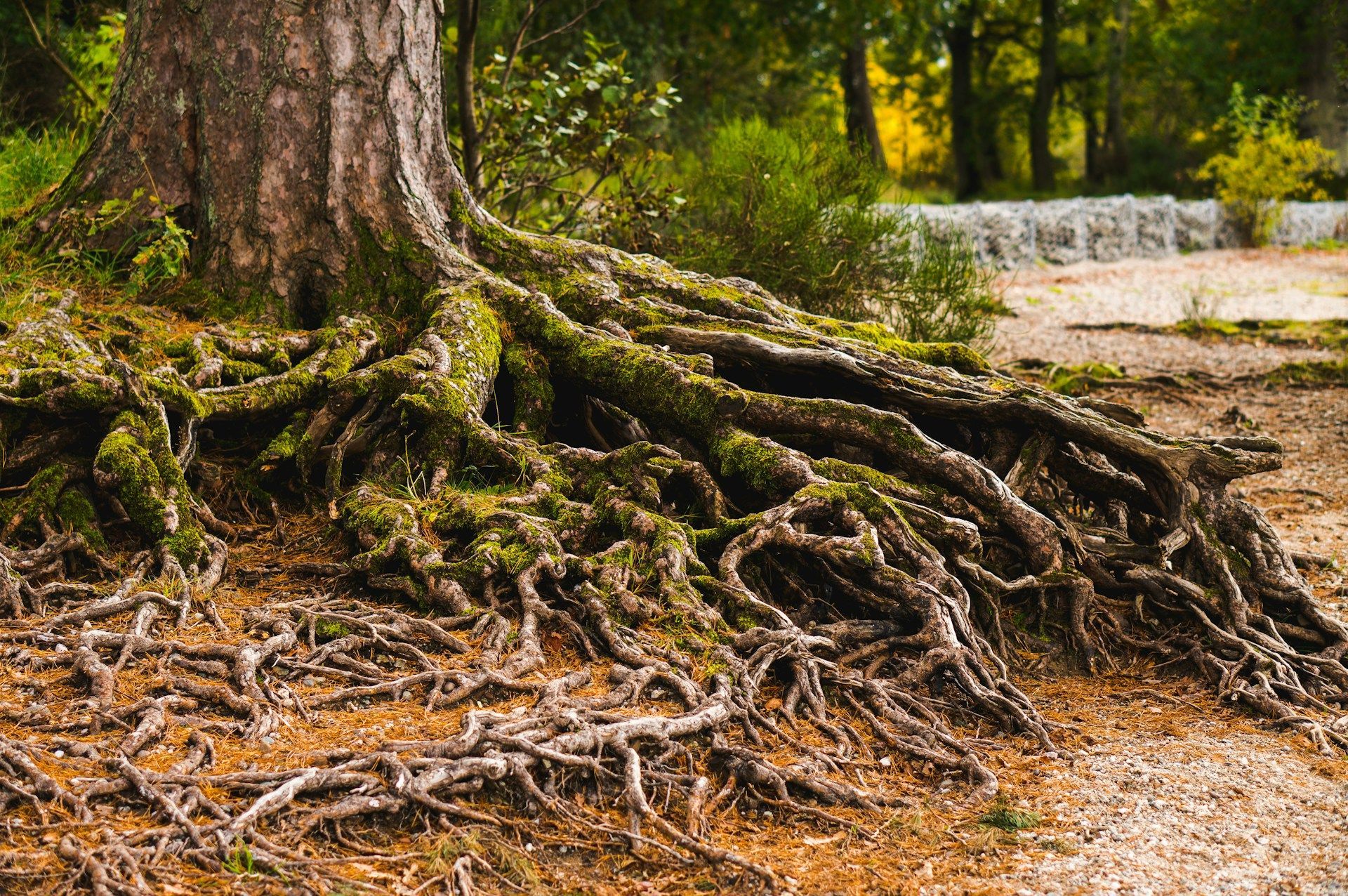
Most San Antonio trees do not send one big root straight down. Instead, they spread out wide to chase water in our hot, dry climate. Live oaks, cedar elms, pecans, and mesquites often have roots stretching far past the canopy.
Here is what those roots are usually doing under your lawn:
- Spreading shallow, just below the surface
- Reaching toward water sources and shady spots
- Weaving between rocks and hard soil layers
- Sneaking under fences, walkways, and driveways
Roots love easy paths. They often follow:
- Irrigation lines and drip tubing
- The edges of sidewalks and driveways
- The loose backfill along the foundation of your home
Because of this, many homeowners are surprised to see thick roots far from the trunk when we start a root removal job. In our rocky soil, layers of limestone and caliche can force roots to run sideways instead of down. That is why you may see surface roots that tear up your lawn, lift edging, or catch the mower blade. On top of that, shallow roots dry out fast, so they keep chasing any tiny bit of moisture, even where you do not want them.
Surprising Risks to Pipes, Patios, and Foundations
One of the biggest surprises in tree root removal in San Antonio is how often roots and pipes cross paths. Roots are not strong enough to break solid pipe on their own, but they are very good at finding weak spots.
We often see:
- Roots growing into tiny cracks in old clay or cast iron sewer lines
- Roots wrapping around newer PVC pipes and crowding fittings
- Roots packing into joints, slowing drains and causing backups
During root removal, cutting or pulling on roots that are wrapped around a pipe can reveal leaks or damage that were already there. The tree work is not the cause; it just uncovers the problem.
Hard surfaces can be tricky too. Large roots under patios, walkways, and driveways can:
- Heave slabs and create trip hazards
- Break mortar between stones or bricks
- Shift things so water drains toward the house instead of away
Cutting some of those roots can help stop further lifting, but if the wrong structural root is cut, it can sometimes let a slab settle or crack more. With slab foundations, there is another layer of concern. Tree roots help keep soil moisture more steady. When we remove a lot of roots in one area, the soil can change:
- Moist spots may dry out faster
- Dry spots may suddenly hold more water
- The ground can shrink or swell unevenly
That is why, when we uncover foundation or plumbing issues during root work, it often makes sense to loop in a foundation or plumbing professional so everything is handled in the right order.
When “Just a Few Roots” Become a Bigger Job
A lot of calls start with, “We just want a few exposed roots gone so we can mow.” Once we start, we sometimes find a completely different picture underground.
Common surprises that turn a small job into a bigger one include:
- An old stump hidden under the grass, still sending out roots
- Multiple trees with root systems that have grown together
- Roots from a tree next door crossing deep into your yard
The soil itself can also hide trouble. When we dig or grind near driveways or old patios, we often run into:
- Buried concrete chunks or bricks from past work
- Rebar or metal stakes left underground
- Large rocks and rubble mixed into the fill
- Old irrigation tubing or low-voltage lighting wires
All these things affect how we can safely remove roots. They change what kind of equipment we can bring in, what protection is needed for nearby structures, and how long the work will take. As a professional crew, we always look at:
- Access for grinders, mini-excavators, or other tools
- Nearby windows, fences, AC units, or vehicles
- Where utilities and irrigation might run
When something unexpected shows up, clear communication with the homeowner is key so no one is surprised by changes to the plan.
Safe Root Removal vs. Tree Health and Yard Stability
Cutting roots is not only about what is above ground. It is also about what keeps the tree standing. There is a big difference between light, strategic root pruning and aggressive cutting that puts a healthy tree at risk.
Structural roots are the thick ones near the base of the tree that work like anchors. During root removal, we sometimes discover that the root a homeowner wants gone is:
- A major support root on the windward side of the tree
- One of the main feeders keeping that side of the canopy alive
- Tied in with other large roots that share the load
If those roots are cut too close to the trunk, the tree can become unstable, especially in strong wind or during storms. That is why a careful inspection is so important before any heavy root work.
After roots are removed, the ground does not always go back to normal on its own. There can be:
- Soft spots where soil settles over time
- Channels where water starts to flow and wash soil away
- Low areas that collect standing water after a good rain
To protect your yard, it often helps to backfill root trenches properly, tamp the soil, and sometimes add mulch or a ground cover that holds everything together. This is especially helpful before late summer storms, when we tend to get heavier rain and gusty wind.
Planning Ahead for Fall Storms and Next Year’s Growth
Late summer is a smart time to deal with root issues. The trees have put on most of their growth, school is starting back up, and fall storm season is around the corner. Taking care of problem roots now can help you avoid messy blowdowns, drainage problems, or surprise plumbing issues when the first big storms roll through.
A simple plan can make a big difference:
- Walk your property and note trees close to driveways, sidewalks, and the house
- Look for lifted concrete, cracked bricks, or doors and windows that stick
- Watch for slow drains or wet spots in the yard that do not dry out
- Mark exposed roots that catch the mower or sit right against hardscape
From there, a professional on-site evaluation can help you sort out what needs:
- Full tree removal and stump grinding
- Selective root pruning to protect structures but keep the tree
- Careful excavation around suspected problem areas
With a licensed, insured team that works in San Antonio yards every day, homeowners can uncover hidden risks, choose safer options, and restore their lawns after root work so things look clean again. Careful planning now means fewer surprises underground later, and a yard that feels more solid under your feet.
Get Started With Your Project Today
If you are dealing with stubborn roots around your home or business, our team can help you plan safe and efficient
tree root removal in San Antonio that protects your landscape and utilities. At Teague’s Tree Service, we will walk you through your options, answer your questions, and schedule work at a time that fits your schedule. Tell us about your property and concerns, and we will provide a clear, upfront plan. Ready to move forward or need an estimate first? Just
contact us to get started.