Understanding Tree Risk Assessment in San Antonio Yards
Protect Your San Antonio Yard Before Storm Season
Tree risk assessment in San Antonio is one of the simplest ways to protect your home, family, and favorite shade trees before storms roll through. When high winds and heavy rain hit, weak branches and unstable trees are often the first things to fail. A careful check ahead of time can help you find problems while you still have choices.
Late summer is the perfect time to do this. Peak storm and hurricane season for Texas usually lines up with the end of summer and early fall. By then, trees have been through months of heat, some drought, and a few good storms already. Any hidden issues are more likely to show up, which makes them easier for a professional to spot and address.
Being proactive can help you avoid:
- Damage to roofs, fences, sheds, and vehicles
- Fallen branches on power lines and backyard structures
- Last-minute emergency removals after a storm hits
Local knowledge really matters here. Our team lives and works in the San Antonio area, so we are used to the common tree species, the clay-heavy soils in many neighborhoods, and the way storms tend to move through our city. That background helps us read what your trees are telling us and give you clearer guidance.
What Tree Risk Assessment Really Means for Homeowners
Tree risk assessment sounds technical, but it is simple at heart. It is a careful, professional way of asking two questions: How likely is this tree, or part of it, to fail? What could it hit if it does? When we answer those questions, it becomes much easier for you to decide what should happen next.
A quick look from the ground might catch obvious dead branches, but a real assessment goes deeper. We are looking at:
- Overall tree health
- Branch structure and how weight is balanced
- Species traits and how they handle wind and heat
- Soil conditions and space around the tree
This is different from just saying, “That tree looks fine” or “That limb looks scary.” A proper tree risk assessment in San Antonio helps you move away from guesswork. Instead of waiting until a storm knocks a branch onto your roof, you can plan:
- Where trimming will reduce risk
- Which trees may need removal
- How to care for trees long term so they stay strong
When you know the risk level and the likely targets, you can choose a path that fits your yard, your comfort level, and your budget.
Hidden Warning Signs Your Trees May Not Be Safe
Some tree problems are obvious, like a large dead limb hanging over the driveway. Others are easy to miss until it is too late. Many San Antonio homeowners walk past early warning signs every day without realizing it.
Structural red flags to watch for include:
- Cracks in big limbs or the main trunk
- Tight V-shaped branch unions with bark pinched inside, called included bark
- Trees that lean more than they used to, especially after storms
- Dead, broken, or hanging branches stuck in the canopy
Health problems can also raise risk. Pay attention if you see:
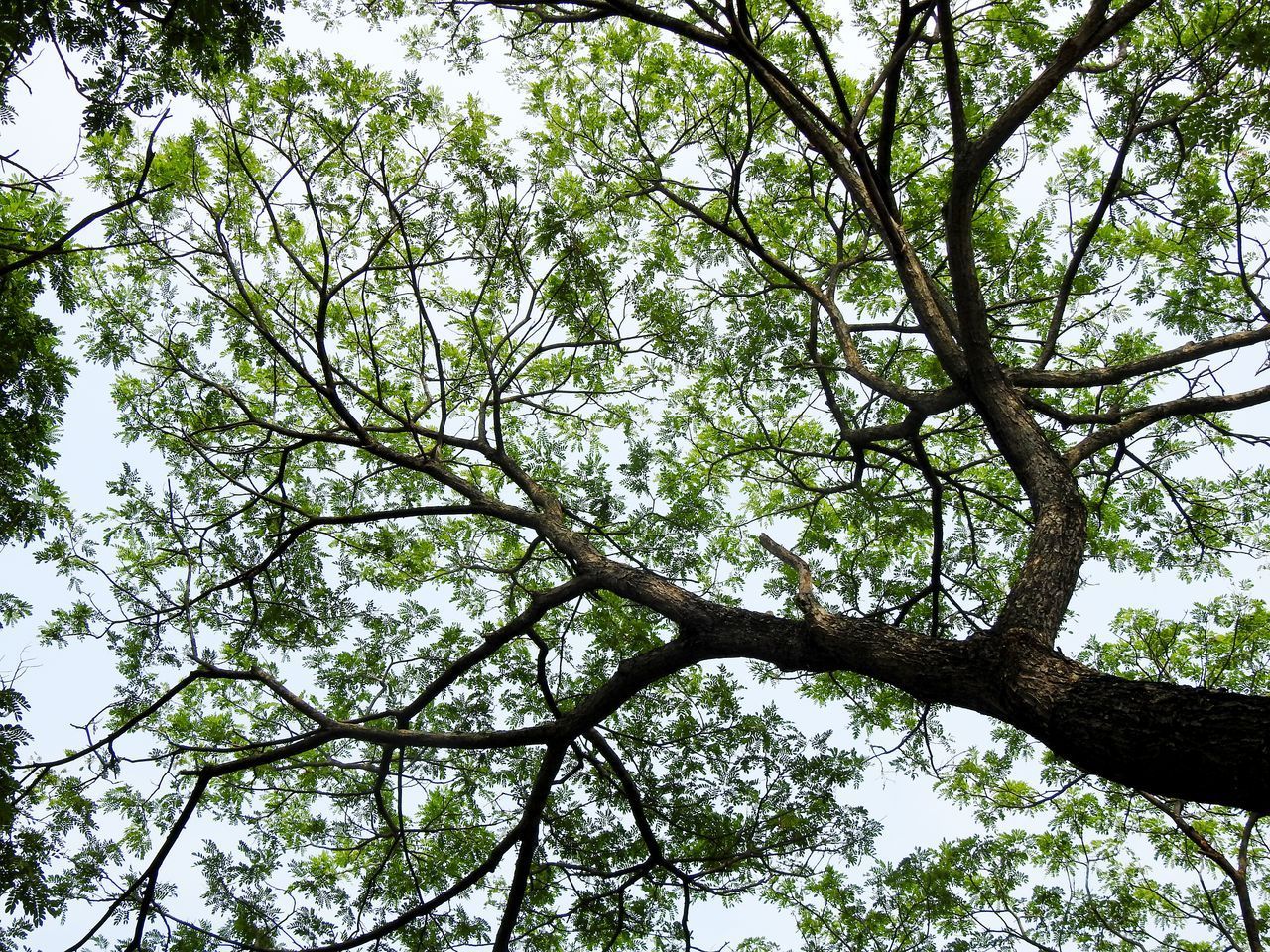
- Thinning canopies where you can suddenly see a lot more sky through the leaves
- Leaves that turn color or drop early in late summer
- Fungal growth, mushrooms, or conks around the base of the trunk
- Soft, crumbly, or hollow spots, or visible cavities in the trunk or large limbs
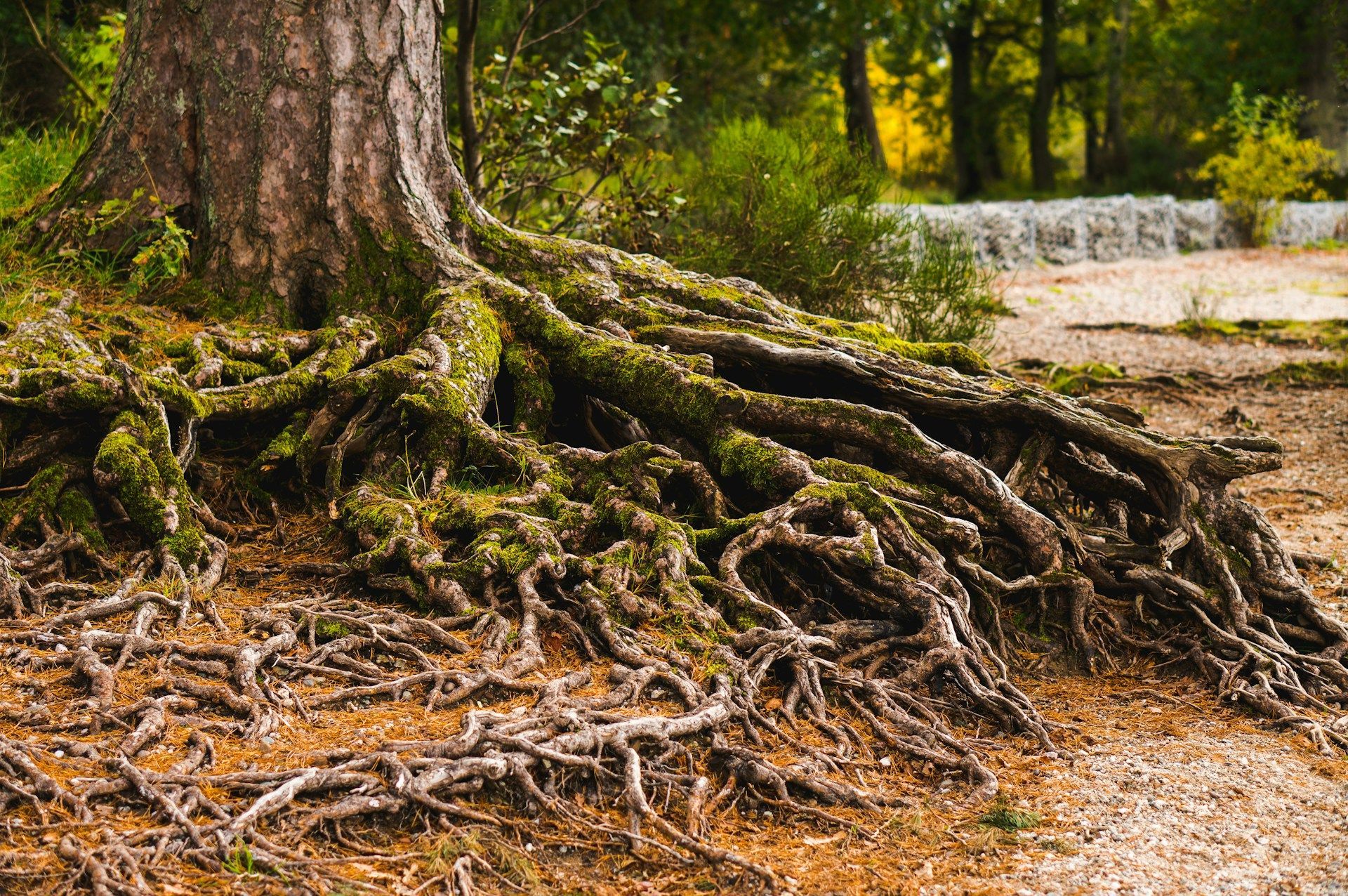
Roots and soil are a big deal in our area. With our mix of clay soils, rock, and compacted yards, trees often struggle below ground. Watch for:
- Exposed roots that look cut, crushed, or damaged
- Soil heaving or cracking near the base after heavy rain
- Roots lifting sidewalks, driveways, or patios
- Trees planted too deep or squeezed too close to houses, fences, or other trees
If you notice any of these, it does not always mean the tree has to go, but it does mean it deserves a closer look from an arborist.
How Certified Arborists Evaluate Tree Risk
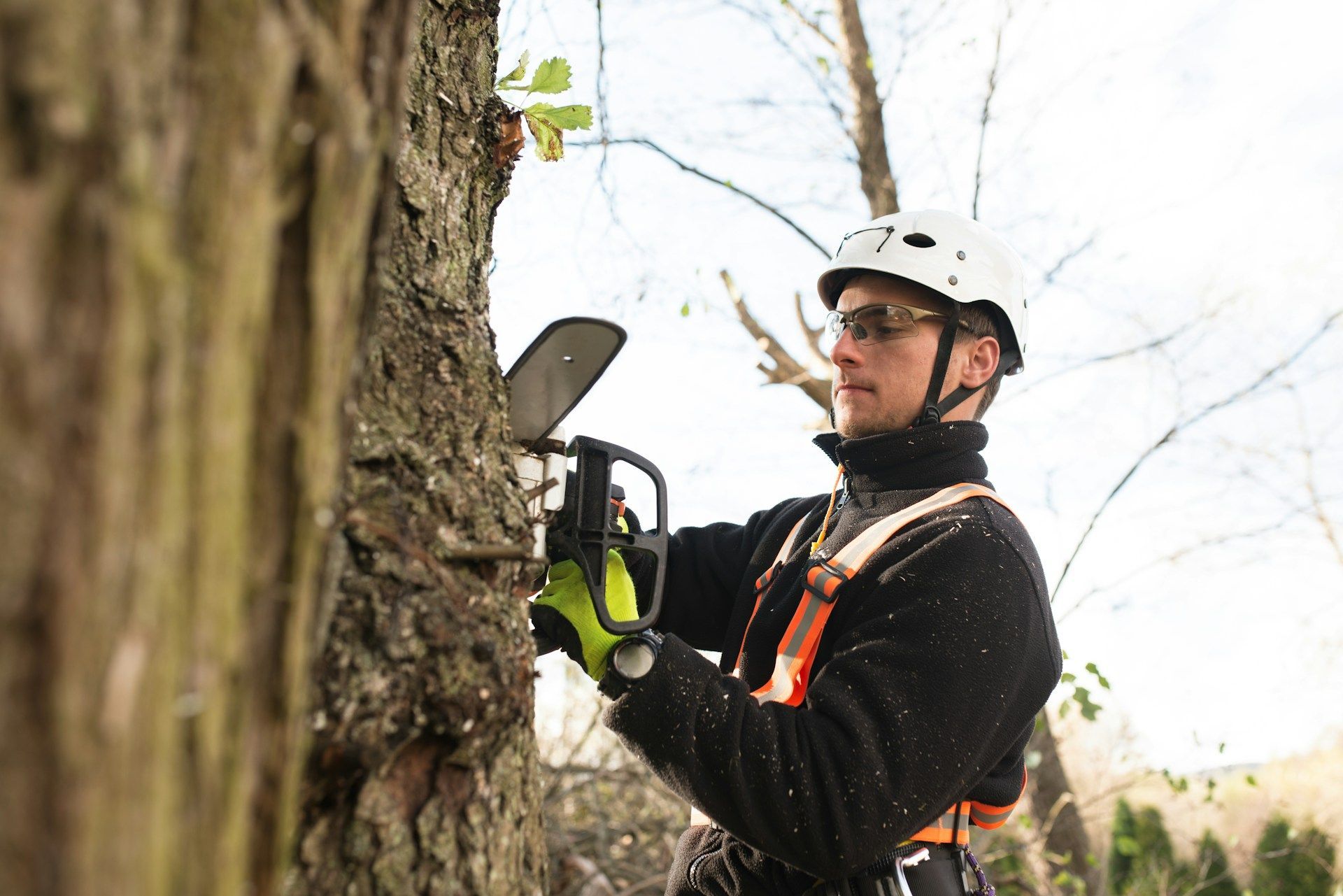
When our team comes out to check your trees, we start with a simple walk-through of your yard. We look at each tree from different angles and talk with you about its history: past storms, pruning, construction nearby, or any problems you have seen.
We also look at the “targets,” which are the things that could be hit if something fails, such as:
- Your home and roof
- Driveways and parked vehicles
- Playsets, patios, and outdoor seating areas
- Sheds, fences, and nearby power lines
From there, we match what we see with the level of assessment needed. In many cases, a basic visual inspection from the ground is enough to understand the risk and recommend pruning or other steps. For more complex trees or concerns, we may suggest a more detailed evaluation, which can include:
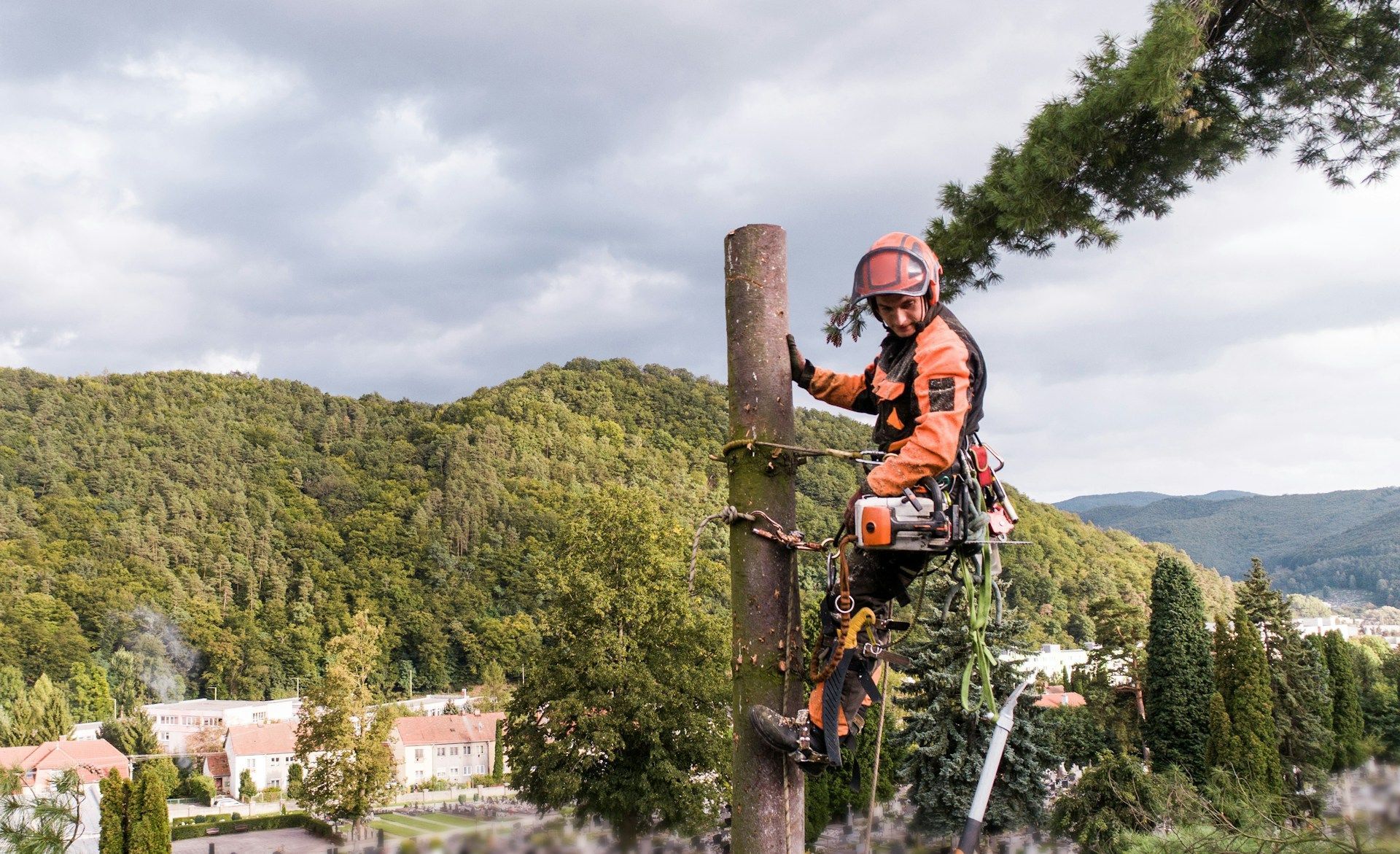
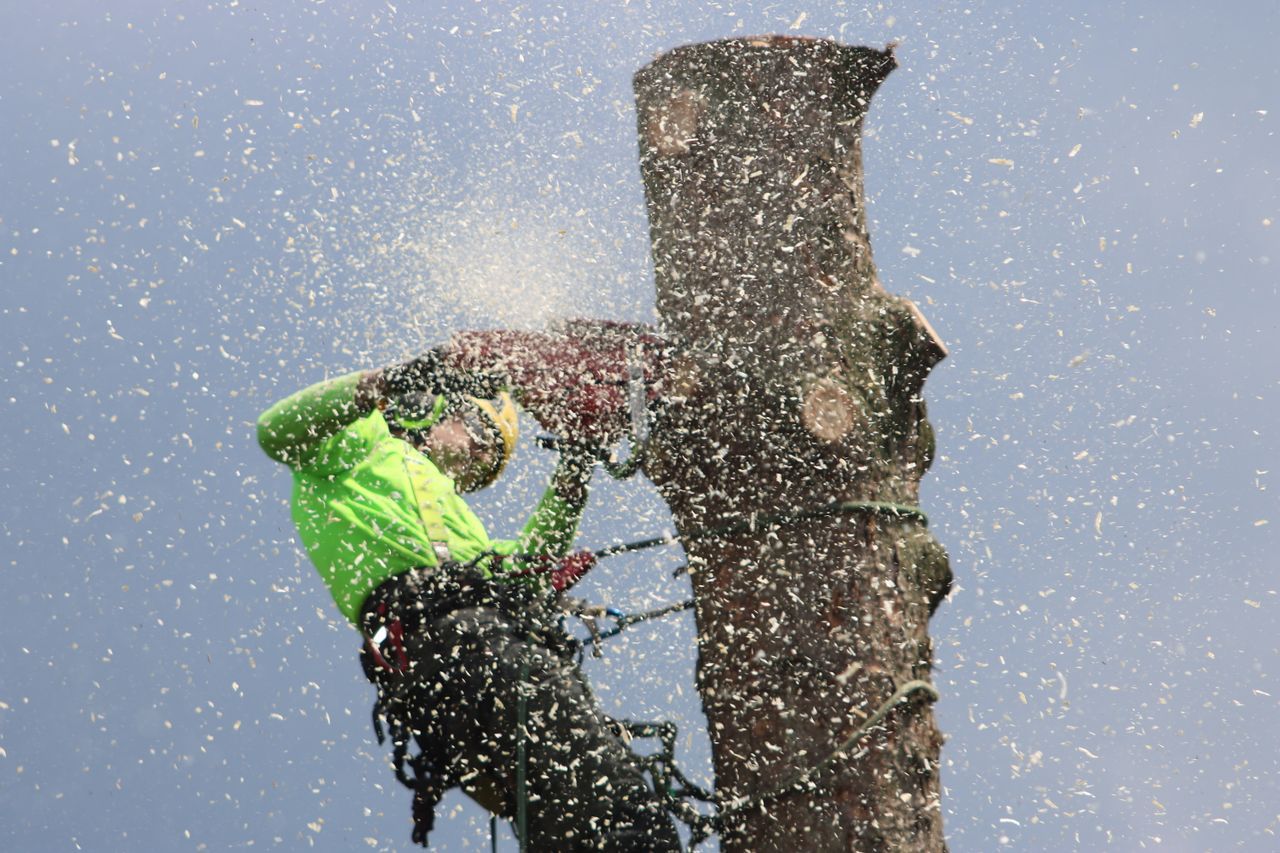
- A closer aerial look from within the canopy
- Sounding the trunk and large limbs with a mallet to check for hidden hollows
- Using tools to check for internal decay when we suspect serious internal damage
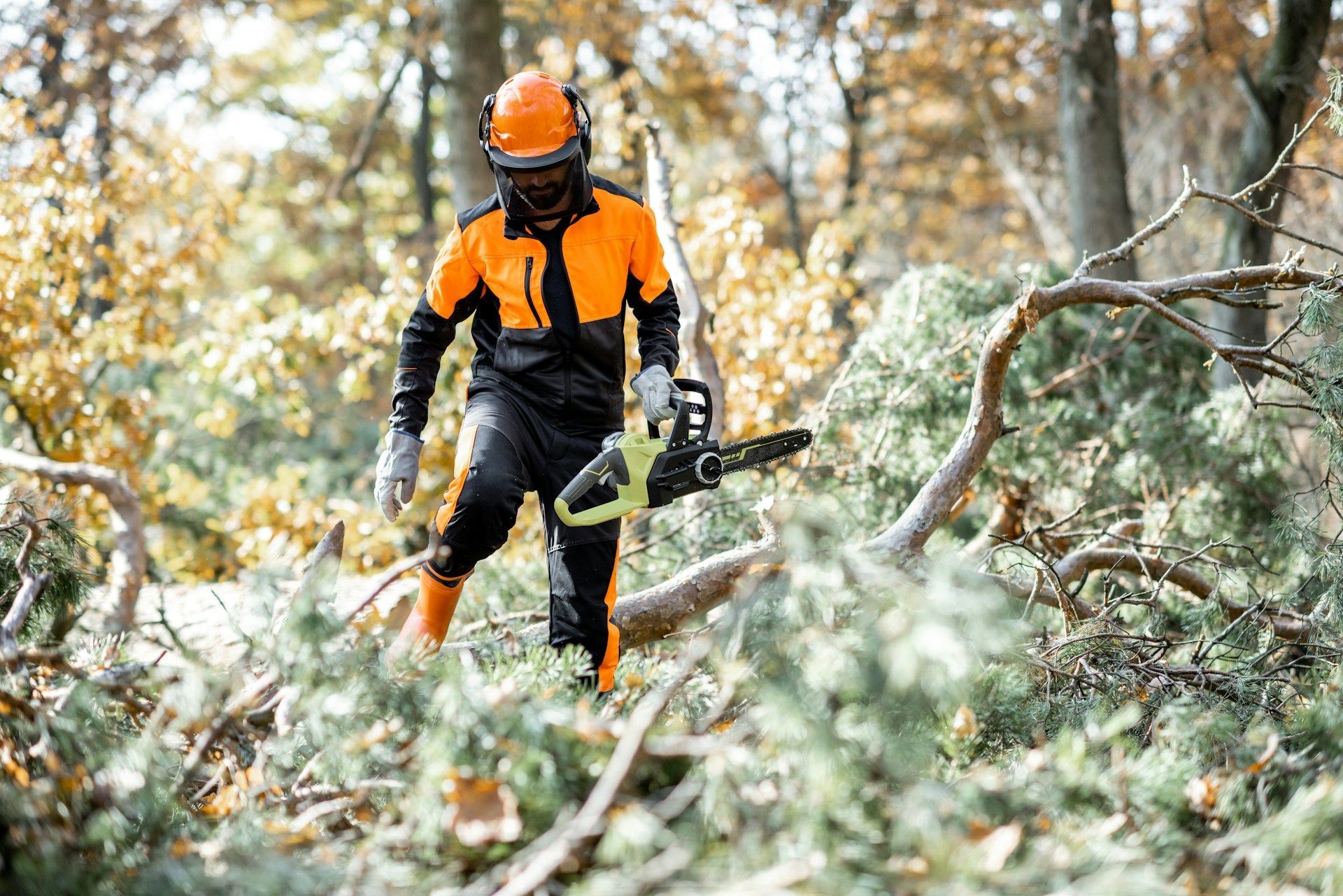
At every stage, safety is our top priority. We are a licensed and insured tree company, and we follow industry standards for tree care and risk assessment. Just as important, we explain what we see in plain language, discuss options, and help you understand the pros and cons of each choice before any work starts.
Seasonal Risks for San Antonio Trees and How to Prepare
Late summer is a stressful time for trees in San Antonio. Months of strong sun and dry spells can weaken wood and roots. Then storm season brings strong gusts and heavy rains that push trees to their limit.
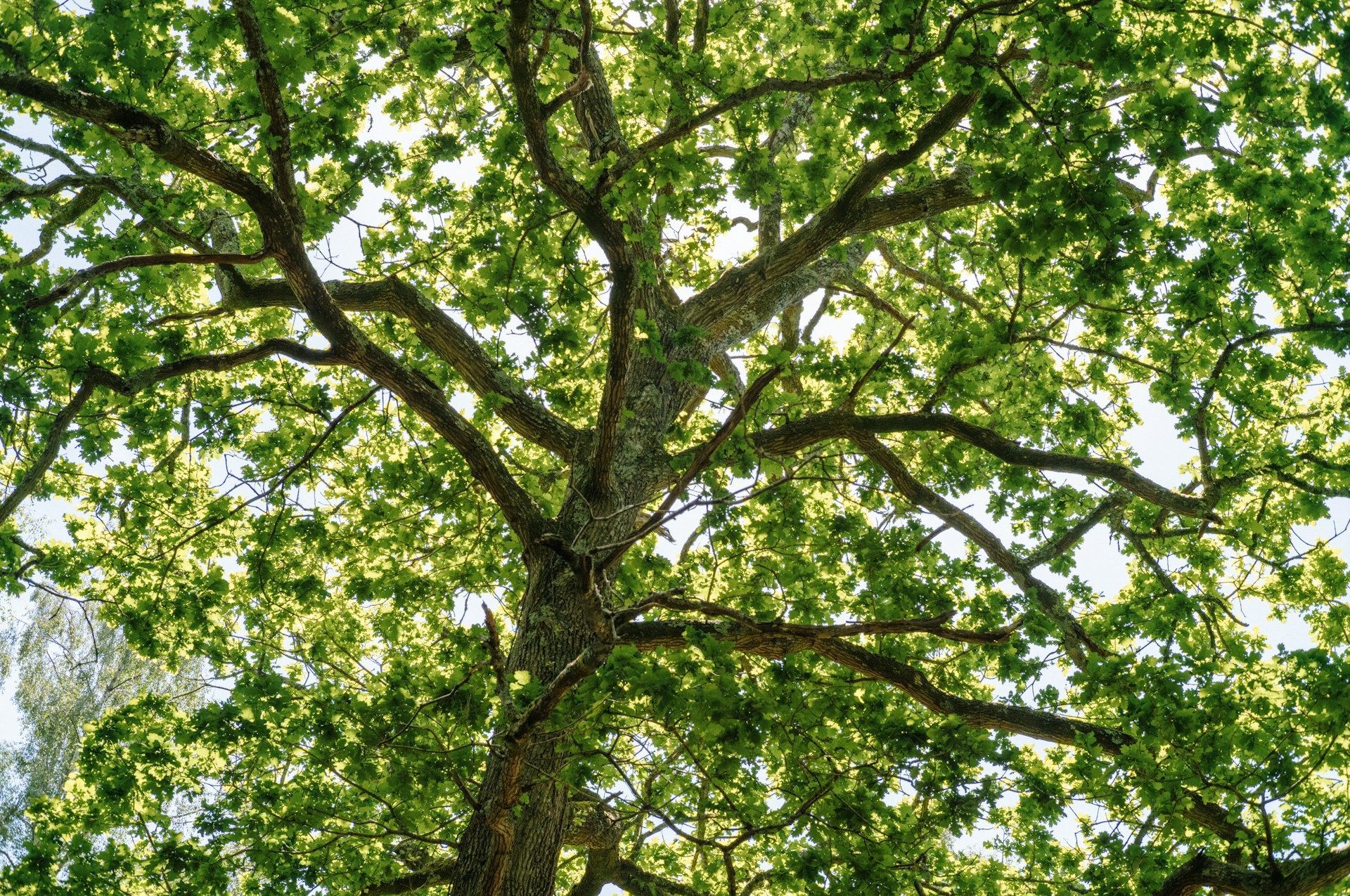
Large oaks, pecans, and older shade trees give great cover from the sun, but they also carry a lot of weight in their branches. When heat stress, old pruning cuts, and thick canopies mix with storm winds, the chance of limb failure goes up.
Other seasonal issues we see are:
- Soils that become saturated after big rain events, which can loosen root grip
- Trees already weakened by earlier drought or poor watering habits
- Quick, rough pruning jobs by untrained workers after storms that leave trees unbalanced
To get ready, it helps to think in terms of a simple checklist:
- Arrange a tree risk assessment in San Antonio before peak storm activity each year
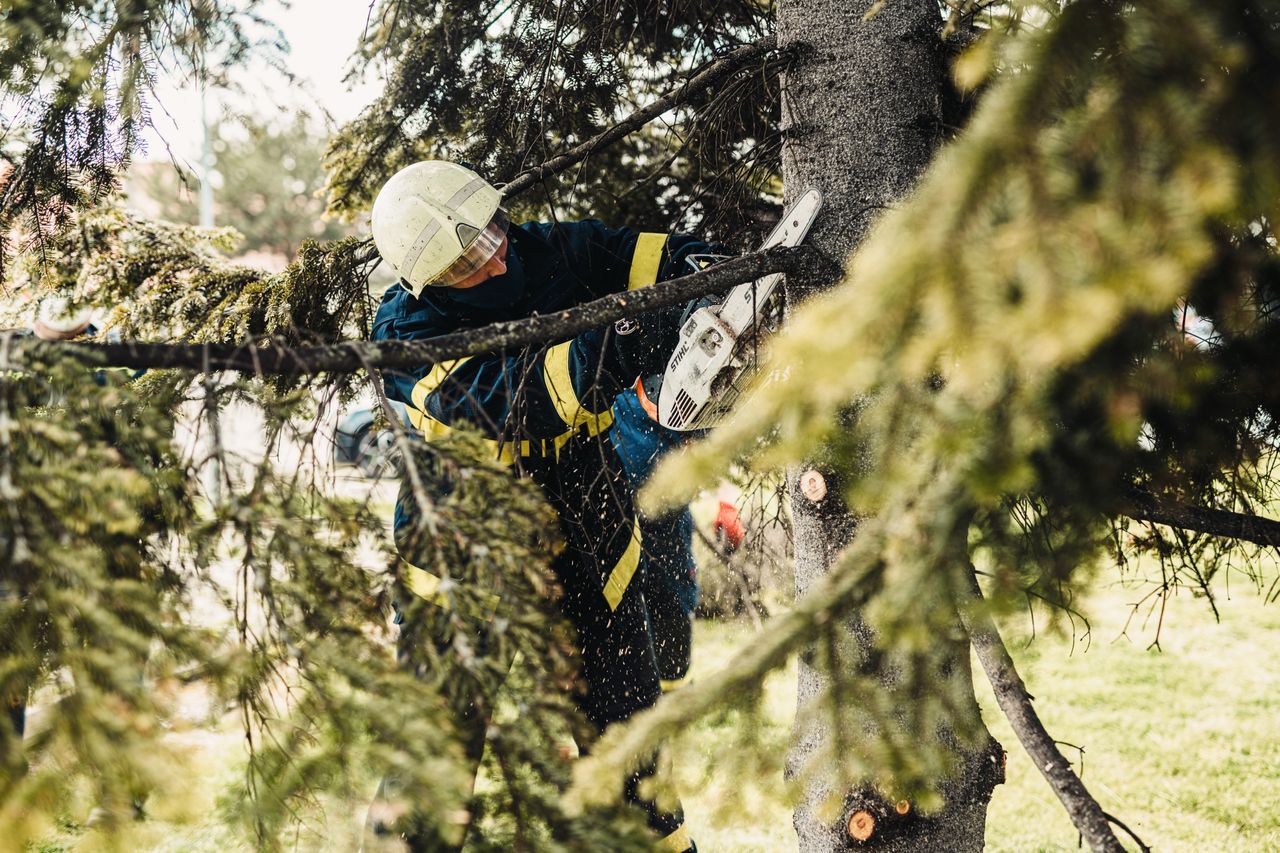
- Prune hazardous or rubbing branches to reduce weight and improve structure
- Remove dead, failing, or badly placed trees that pose a clear safety problem
- Refresh mulch around tree bases and improve watering habits to support root health
- Plan new tree planting for fall in locations where roots and branches will have safe room to grow
A little planning now can save a lot of stress, mess, and expense later, while also giving your trees a better chance to stay strong and healthy.
Take Action Now to Keep Your Trees Safe and Beautiful
Waiting until a big storm blows through to find out which trees are unsafe is never a good feeling. A professional tree risk assessment gives you a clear picture before trouble hits, along with a plan to reduce risk while keeping as many trees as possible.
At Teague’s Tree Service, we care about both safety and beauty. Our family-owned team provides trimming, removal, stump grinding, planting, and 24/7 emergency help, and we always aim for practical, budget-conscious solutions. Sometimes that means careful, selective pruning or cabling instead of removal, and sometimes the safest choice is to take a tree down and replant something better suited to your yard. Either way, our licensed arborists are here to help you understand your options and keep your San Antonio property looking its best.
Protect Your Trees And Property With Expert Help Today
If you are concerned about the safety of a tree on your property, we are ready to help you understand the risks and next steps. Schedule a professional
tree risk assessment in San Antonio with Teague’s Tree Service so we can inspect your trees and provide clear, practical recommendations. If you are ready to book an appointment or have questions about a specific tree, simply
contact us and we will respond promptly.