What a Tree Risk Assessment Tells You Before Storm Season
Storm season in San Antonio isn’t just about rain. It can bring strong winds, soaked soil, and the kind of weather that puts stress on every tree in your yard. You may not always notice what’s going on above your head, but trees can go from solid to risky without much warning. That’s where a tree risk assessment in San Antonio comes in handy.
Getting your trees checked early in the year means you can deal with any trouble before heavy weather rolls in. Weak limbs, shallow roots, or branches growing the wrong way can all be spotted before they become a real hazard. The sooner we catch the warning signs, the more time there is to use smart tools like thinning, hauling, or lot clearing without rushing to fix something after a storm.
What Is a Tree Risk Assessment?
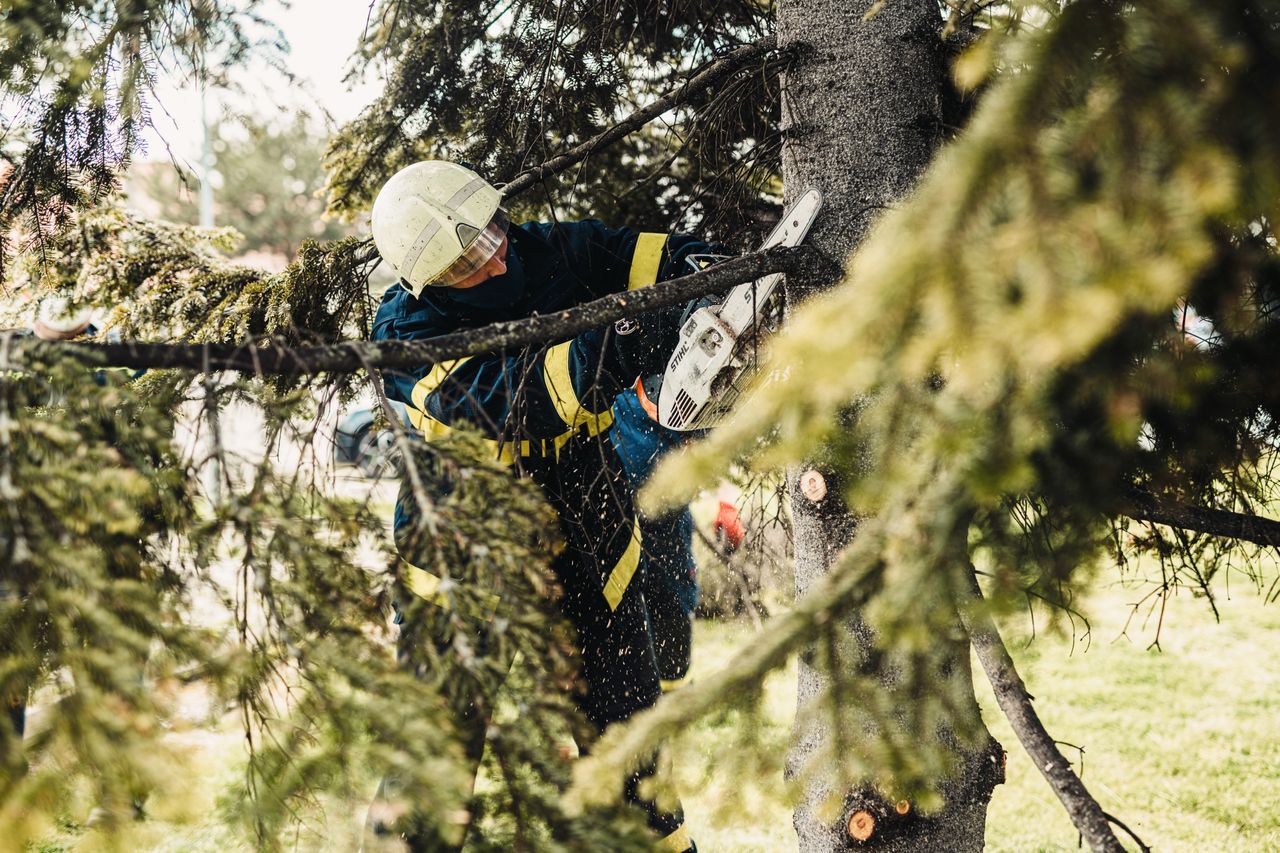
When we do a tree risk assessment, the goal is simple: look for signs that a tree might break, fall, or fail during bad weather. That means checking the trunk, branches, and roots clearly, from the ground up. We don’t just see what’s easy to spot. Our job is to pay attention to little signs that might lead to bigger issues.
• Cracks in main limbs or splits in the trunk
• Mushy spots at the base or signs roots are rotting
• Branches that are dead but still hanging on
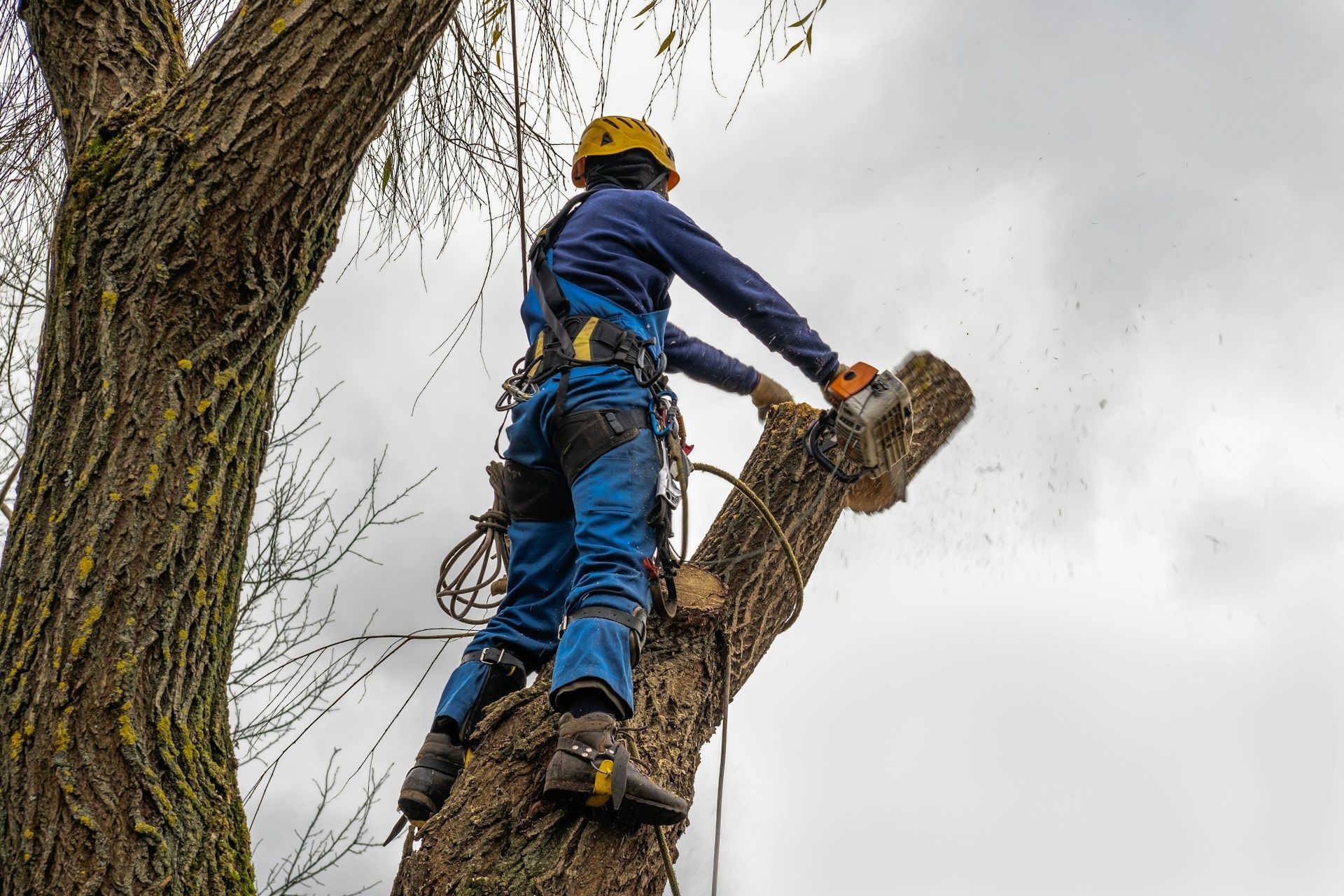
We use careful tools and trained eyes to decide what might come down in high wind or what might not survive heavy rain. Then, we can make a plan. That might include thinning out heavy branches so the wind passes through easier, or hauling away damaged limbs that are already weak. If a tree is in the wrong spot or poorly rooted, sometimes we recommend new tree planting in a safer area.
The most important part of this step is timing. Late winter is perfect for this kind of work. It gives your trees a chance to handle the storm season early, without surprises down the line.
Signs Your Trees May Be at Risk
You don’t need to be an expert to spot a few signs that something isn’t right with a tree. Some things might seem small at first, but when storm season hits, they can turn into big problems fast.
• Branches hanging low over your roof, driveway, or power lines
• Trees that lean to one side more than they used to
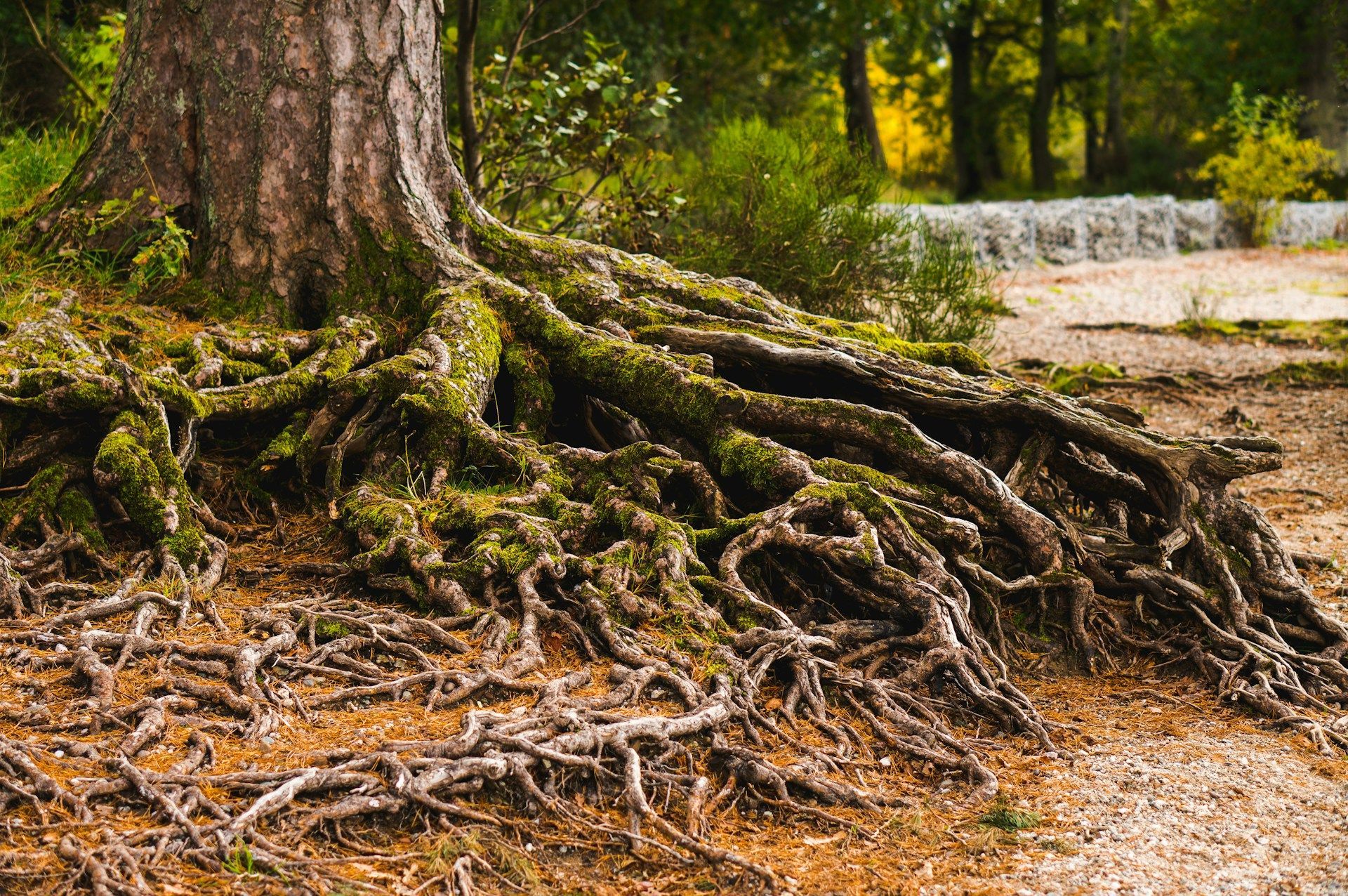
• Roots sticking out, ground shifting near the base, or soil pulling back
• Visible cracks, bark peeling away, or deep spots that never dry out
These aren't just signs of age. They may mean a tree is hollowing out, losing strength underneath, or was damaged in past storms and never healed. Limbs in bad shape often fall first when wind hits fast. Trees that lean may already be slipping in loose soil, and roots that pop through the surface usually mean shallow footing.
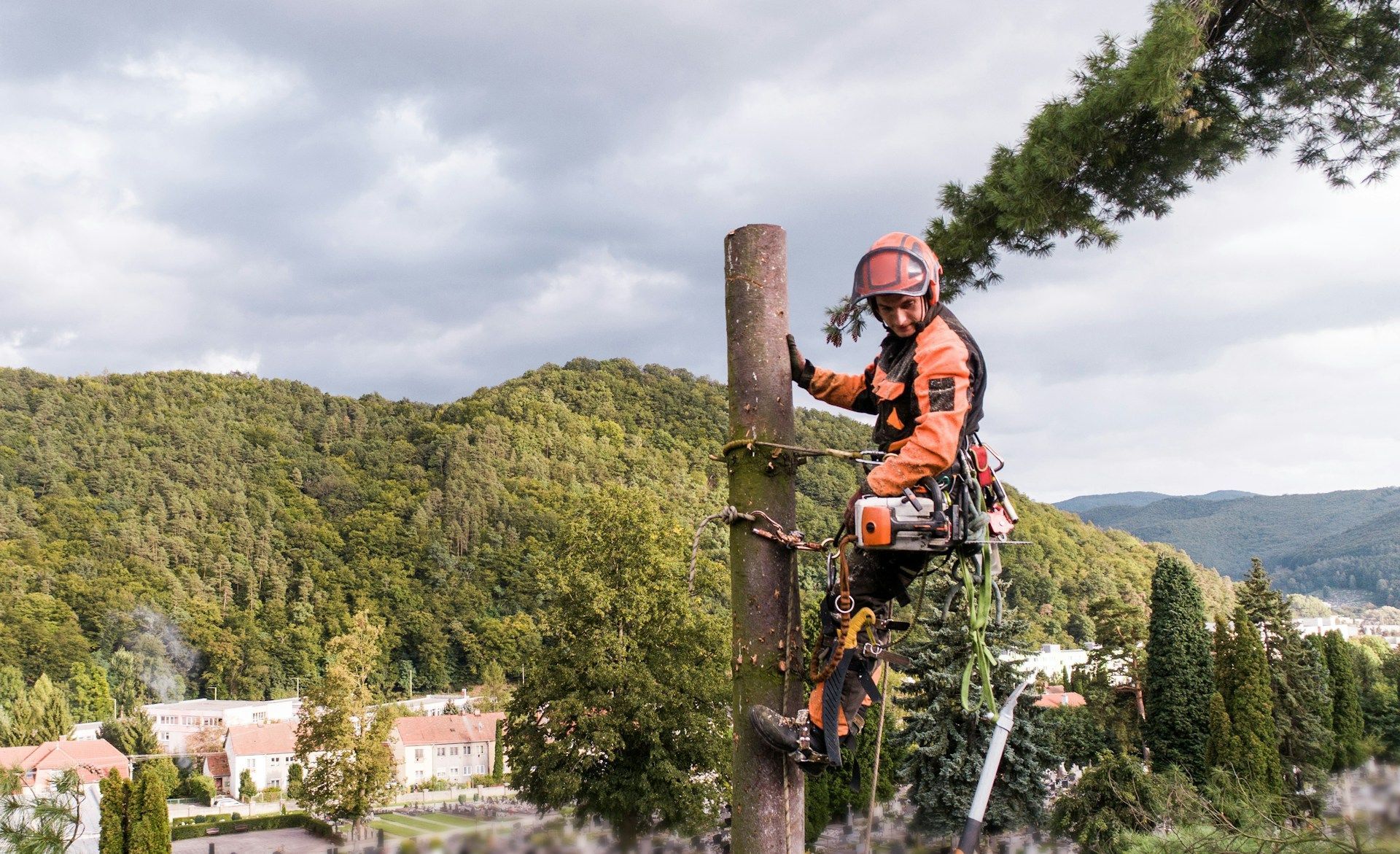
If you notice more than one of these problems on a tree, it’s time to check in on it. At that point, a licensed tree service can give you real answers and help you decide what needs hauling, thinning, or pruning before weather turns rough.
How Early Action Prevents Bigger Storm Problems
It’s easier to clean up, trim, or plant something new when the weather’s calm. That’s why planning ahead, before storm season kicks in, makes such a difference. With everything solid and in place before the skies darken, you’re not scrambling after a storm to figure out what went wrong.
• Lot clearing helps remove dead trees and thick underbrush that might fuel storm damage
• Tree planting can be done in stronger, safer spots, far from driveways, fences, or roofs
• Mulching helps root systems stay in place when soil gets soaked by heavy rain
Thinning gives sturdy trees breathing room, which helps them stay upright when wind tries to push them over. Smart hauling removes stacked branches and old clogged piles that might tumble or shift during a storm. These aren’t just cleanup steps. They’re ways to build a safer yard on purpose, not by chance.
Once storms begin, there’s usually less time and less access to do the heavy jobs. That’s why we recommend early checks and repairs. It’s not about fear, it’s about being ready.
Why You Need a Reputable, Licensed Tree Service
It’s not always easy to know what a tree needs just by looking at it once. That’s why hiring a licensed tree service matters. We’ve trained to read what trees are telling us through signs in the limbs, the shape of the leaves, and what’s happening under the soil. We make safety calls based on experience, not guesses.
A reputable tree service takes care to avoid overdoing or underdoing the work. We don’t just lop off limbs to make something look finished. We focus on what makes the whole tree stronger and safer. It’s the difference between a quick trim and a smart plan.
• Honest tree service means explaining what’s needed without scare tactics or pressure
• Licensed crews stay updated on seasonal weather trends in San Antonio, Texas
• Local timing helps us plan mulching, thinning, or hauling before the real storms start
We see the weather swing quickly here: clear skies in the morning, gusty wind by afternoon. That’s why planning tree work this time of year makes sense. Getting the right help early means we’re not rushing to fix problems after it’s already too late.
Look Ahead With Confidence
The best time to prepare your trees for storm season is before anything happens. A risk assessment gets you clear answers early, when there’s still time to act calmly. Knowing what to expect helps you avoid surprise damage, and gives you space to work safely.
By spotting weakened limbs or trouble spots now, you’re not just protecting your trees, you’re protecting your home, driveway, and anything nearby. The more prepared your yard is, the smoother it handles what Texas weather brings. And when hauling, thinning, or lot clearing are done with care ahead of time, you don’t have to play catch-up after the storms pass through.
Staying ahead of storm damage starts with a proactive approach to your yard. From lot clearing to mulching, understanding which trees need attention is smart for a safer environment. We recommend scheduling a trusted
tree risk assessment in San Antonio to help prevent costly emergencies before heavy weather strikes. Contact Teague’s Tree Service today and let our experts check your trees before the next big storm.