What Tree Cleanup Involves After a Big Spring Storm
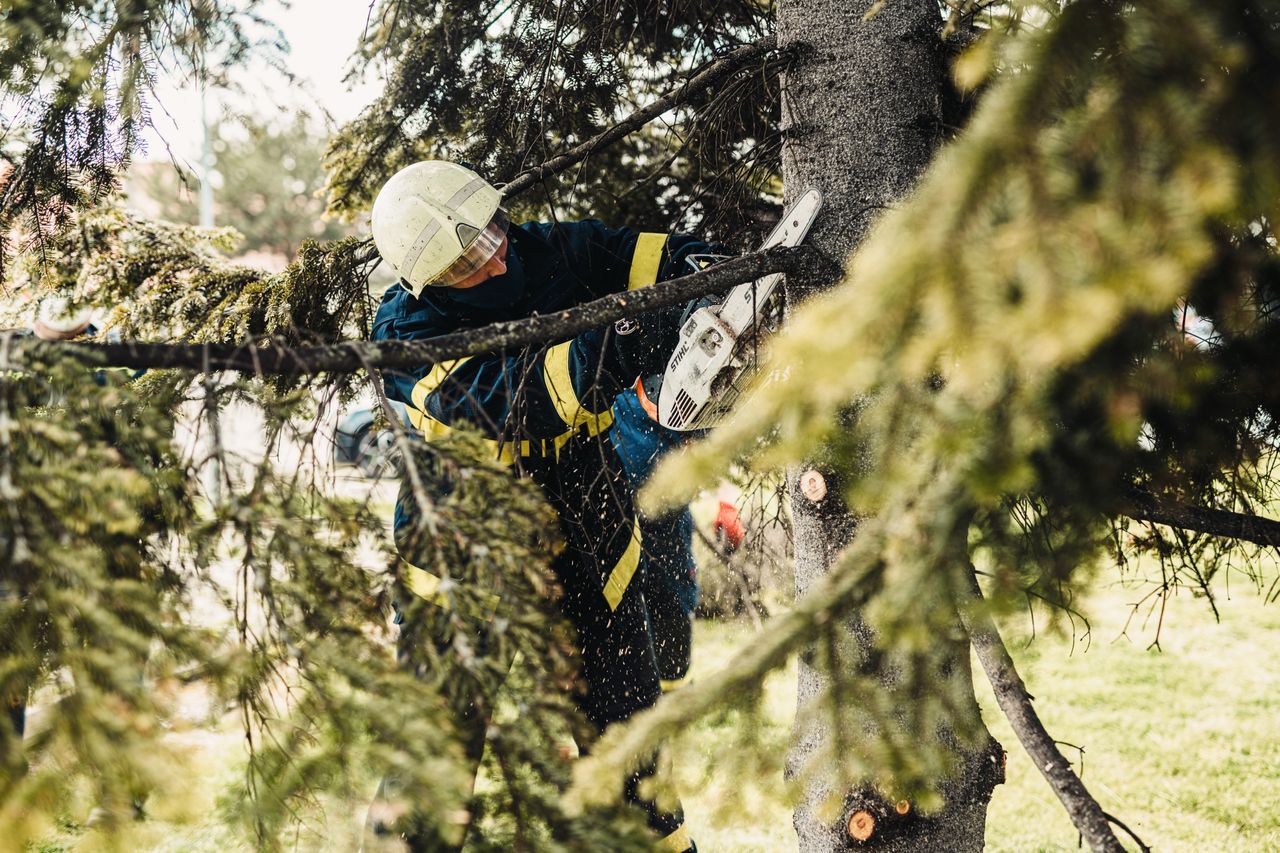
When a spring storm rolls through San Antonio, it doesn’t just leave behind puddles and wind. We often see broken limbs twisted in trees, trunks split in half, and yard space covered in brush. A storm can change how your yard looks in just a few hours.
Tree cleanup in San Antonio isn’t just about picking up sticks. Quick action helps your trees stay healthy and makes your yard safer. If we leave broken limbs without checking for damage, we risk having them fall later. If leaning trees or loose roots go unnoticed, bigger problems can pop up in the weeks after a storm. Cleaning up the right way means more than tidying up. It keeps your space safe and helps your yard come back stronger.
First Steps After the Storm
Right after a storm passes, it’s smart to take a slow walk around the yard before jumping into cleanup. Trees can get knocked around without looking too bad at first glance.
- Look for broken branches still hanging from trees
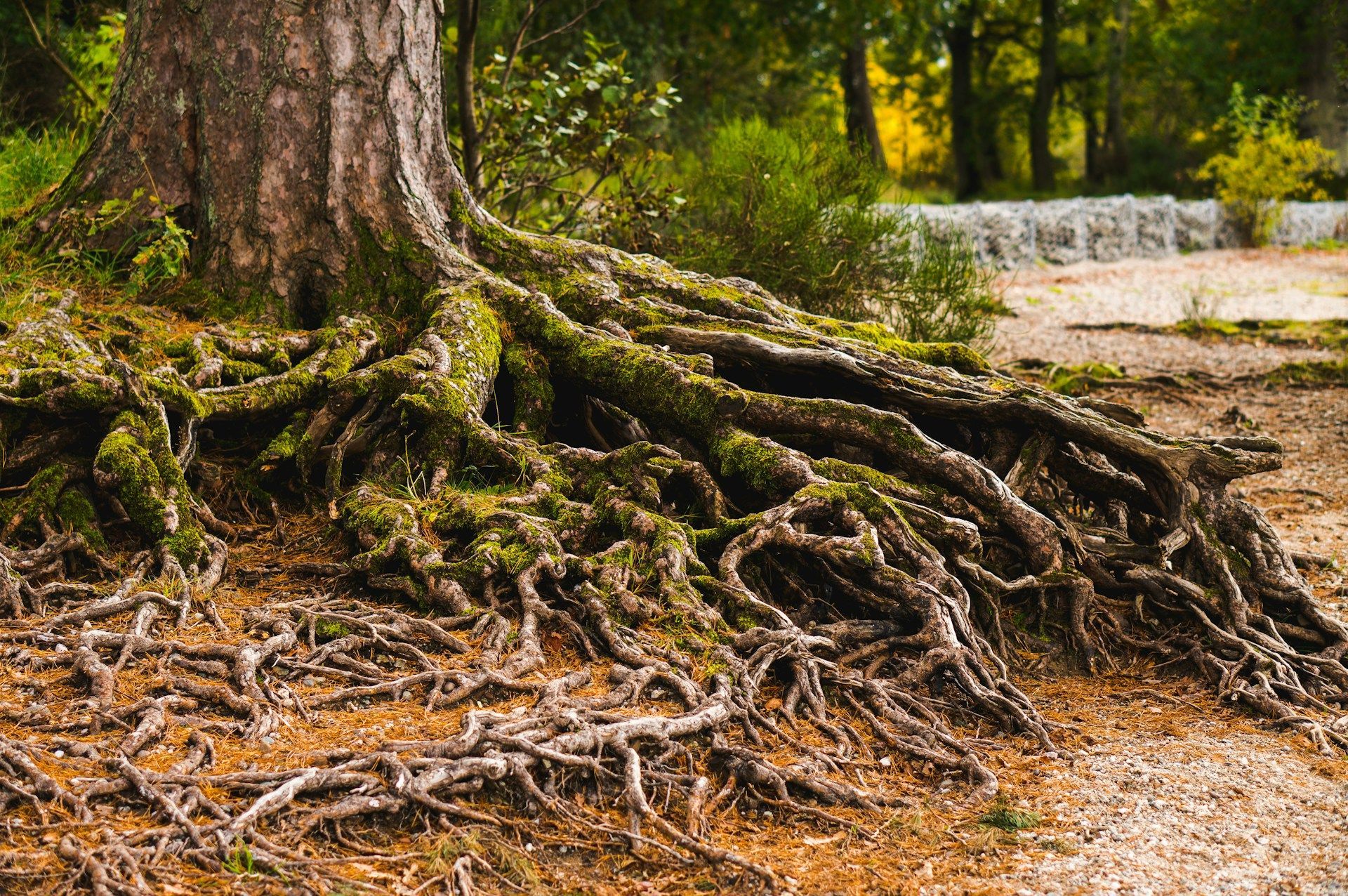
- Check if any trees are leaning or if their roots have started to lift out of the ground
- Watch for any low branches or split limbs that could fall on people, fences, or roofs
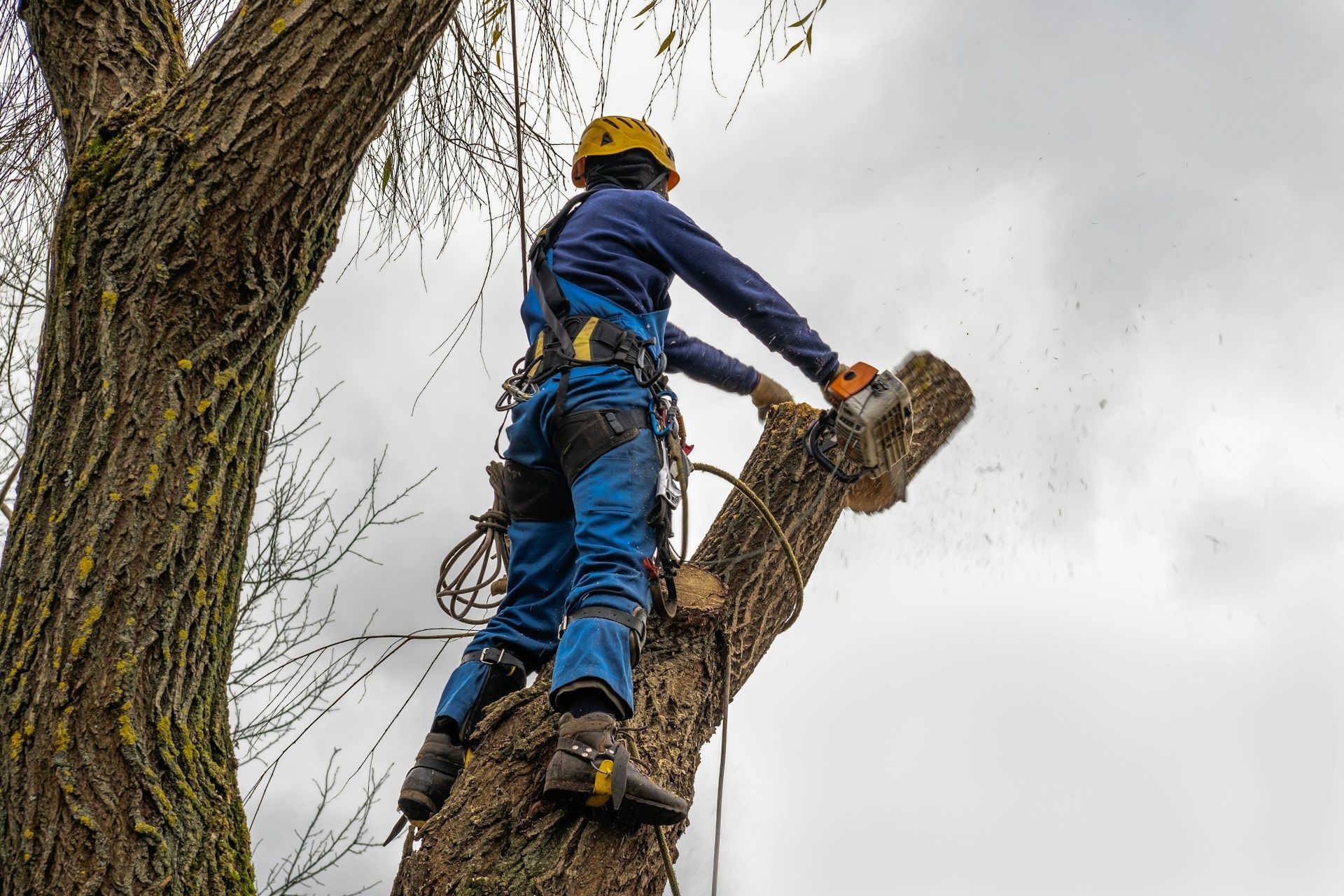
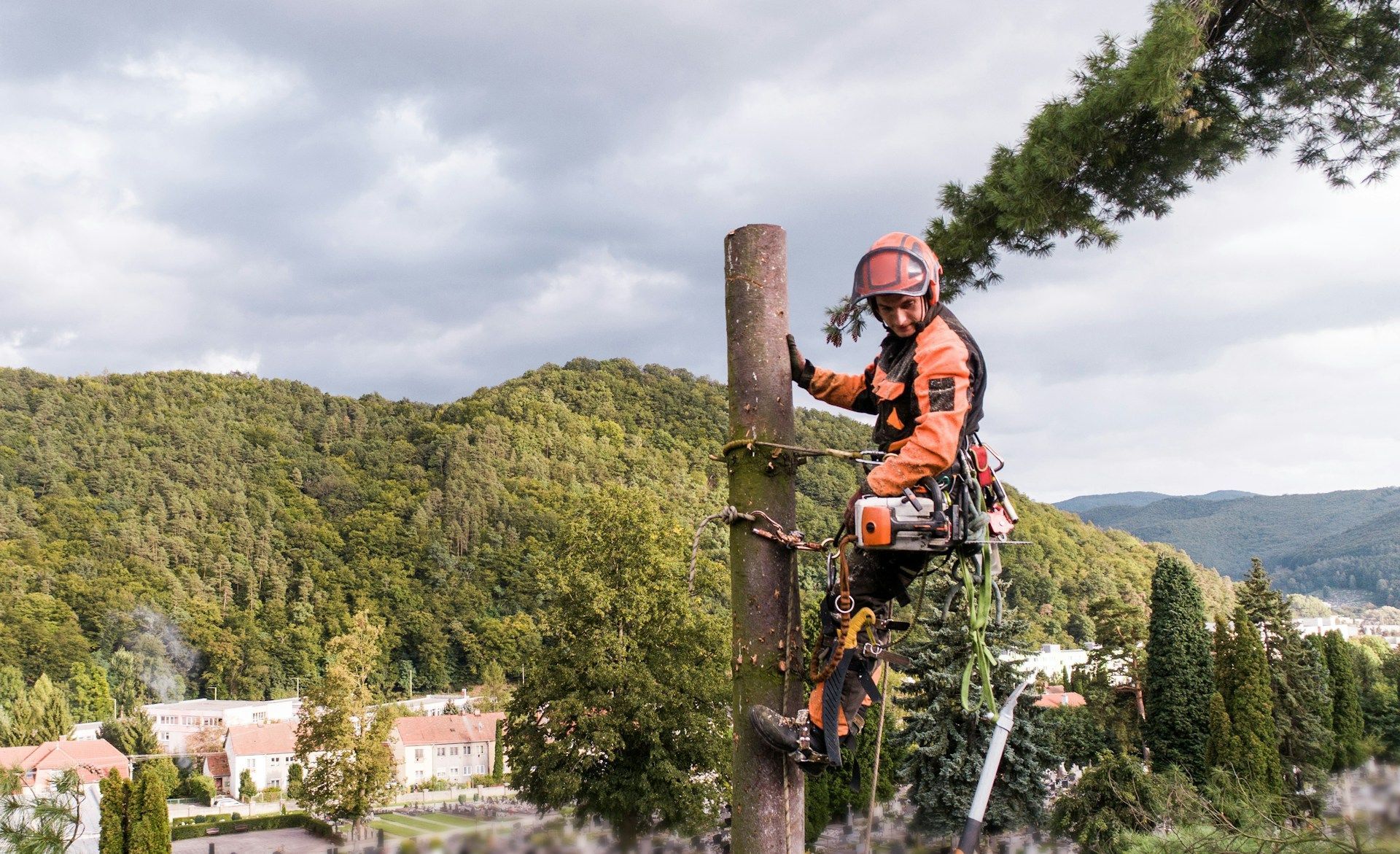
We never assume it's safe just because the storm is over. Some limbs stay cracked but hang on for a while before they drop. A licensed tree service will know which ones are dangerous and which can wait. It’s not just about cutting. It’s about knowing when, where, and how.
All around the yard, you may also spot leaves or twigs scattered in odd places. These can be signs that branches suffered more stress than it seems. Sometimes it’s the little details, like a pile of twigs wedged into a fence or debris caught up high in the crown, that point to hidden problems. It pays to look closely and take your time during that first walk.
Clearing Out Debris Safely
Once it’s safe, the next step is removing everything that came down. After a big storm, that often means more than just tossing a few branches in a trash bin.
- Hauling away fallen limbs and bigger pieces keeps the area clear for foot traffic and lawn tools
- Lot clearing may be needed if large sections of trees or brush block parts of the yard
- Piles of tree litter attract bugs and animals and can grow mold if left too long
Spring cleanup moves fast because warmer weather helps plants bounce back quickly. If storm debris sits too long, it can stunt that new growth or lead to new cleanups later. Making space early helps your grass and flowers grow without a fight.
Don’t forget to check corners, flowerbeds, or hidden spots behind sheds and fences. Branches and bark can pile up in tricky spots, hiding damage or blocking sunlight. Sometimes, even after things look mostly clear, it pays to sweep through once more to catch anything missed. Keeping walkways and open spaces safe for everyone is always the goal.
What to Save, What to Trim
Not all damage means something has to go. Some trees bounce back with the right care. Cleaning up after a storm is usually more about thinning out what’s damaged than cutting everything away.
- Thinning is a good way to remove weak or cracked limbs while keeping the healthy parts untouched
- A branch with a bend may still be strong underneath, so it helps to check before cutting
- A reputable tree service knows how to spot the difference between damage that heals and damage that spreads
An honest tree service doesn’t try to take down more than needed. We always look for ways to balance the tree's shape and health. Trimming should help the tree recover, not make it smaller or weaker. Each cut should help support new spring growth and prevent more breaks later.
Sometimes, it can be hard to tell what a tree really needs just by looking. Professional help is useful because we know which species bounce back best, how trees in San Antonio handle storm stress, and what kind of trim keeps things thriving long-term. If you have flowering trees or younger plantings, checking for bark splitting or light bending can help keep future blooms safe too.
Getting the Yard Ready to Grow Again
Once broken trees and fallen limbs are out of the way, we shift focus to recovery. The soil might be packed down, tree trunks may have exposed roots, and the rest of the yard often needs care too.
- Mulching around damaged trees keeps the roots cooler and helps hold moisture as the weather warms up
- If a large tree came down, tree planting might be a smart way to fill that space
- When trees are crowded together, some thinning or light lot clearing gives others room to grow
These steps might seem small, but they’re part of giving your yard a fresh start after a storm. We don’t want to rush planting or reworking areas before the ground’s cleaned and cared for. Done right, this process clears the way for grass, plants, and small trees to grow strong without fighting buried debris or blocked sunlight.
You might also notice patches where water sits longer after a storm or where grass looks thin. Raking out extra debris or adding a bit of topsoil can help even out the surface so everything grows evenly. When thinking about what to plant, picking trees and shrubs suited for San Antonio’s climate makes a difference in how well they handle next spring’s storm season. It’s about setting things up for steady, healthy growth.
Mulch and organic leftovers from storm trimming can also be blended back into beds or around new plantings. This doesn’t just clean up your yard – it recycles nutrients and helps your soil bounce back without waste. Over time, your yard will grow greener and fuller where you help it the most after rough weather.
Why Spring Cleanup Brings Long-Lasting Benefits
Taking care of storm mess right away makes a difference. Trees heal faster when damage is cleared early, and clean spaces grow back fuller when they’re not cluttered with the leftovers from the storm. Waiting too long can mean new troubles like pests, mold, or unstable trees.
Spring cleanup isn’t only about what’s removed but about what’s protected and restored in your yard. When new shoots or young trees have open space, they can drink in sunlight and water without fighting for air or room. If roots are protected with mulch or branches are thinned, the growing season rolls forward with less stress for each plant.
The growing season begins early in San Antonio, and that means spring cleanup has to be smart and fast. If the ground is already warming up and we wait too long to act, the damage can mix into new growth. Tree care after a storm is a lot easier to manage when we step in with a solid plan, good tools, and the knowledge to handle what’s safe to keep and what needs to go. That early effort builds a stronger base for the rest of spring and summer.
Tending your yard now saves headaches later. Future storms are easier to manage if your trees are trimmed, yard clutter is gone, and the soil is strengthened. Paying attention to what needs special care, like flowerbeds or young saplings, means you’ll have a healthier, fuller yard as the hot weather returns.
Spring storms can take a toll on your yard, but our team is ready to help you recover with safe, attentive care. We begin every job with a thorough assessment to determine exactly what your trees need to thrive again. When it comes to
tree cleanup in San Antonio, quick, careful action is key to ensuring your property grows back strong and healthy. From debris removal to supporting new growth, we handle every step with your yard’s long-term health in mind. Call Teague’s Tree Service today to schedule a cleanup that keeps your trees resilient for seasons to come.