Why You May Need Tree Removal in San Antonio After Rainstorms
When rainstorms roll through San Antonio, trees don't always come through untouched. The rain might pass, but problems can stick around. Soaked soil can loosen roots. Wind can break limbs or split trunks. A tree that looked fine before the storm may now be leaning, stressed, or half-uprooted.
That’s when it’s time to take a closer look. Tree removal in San Antonio isn't always about cleanup. Sometimes, it’s about safety. A damaged tree can be a risk to your home, your family, or anyone walking nearby. In these cases, waiting it out may not be the best choice. Let’s look at why rainstorms can cause so much damage and when tree removal becomes the right next step.
When Rainstorms Turn Tree Damage Into Danger
Not all storm damage shows up right away. Some trees start leaning slowly over a few days. Others crack but don’t fall. And soggy soil makes it all worse.
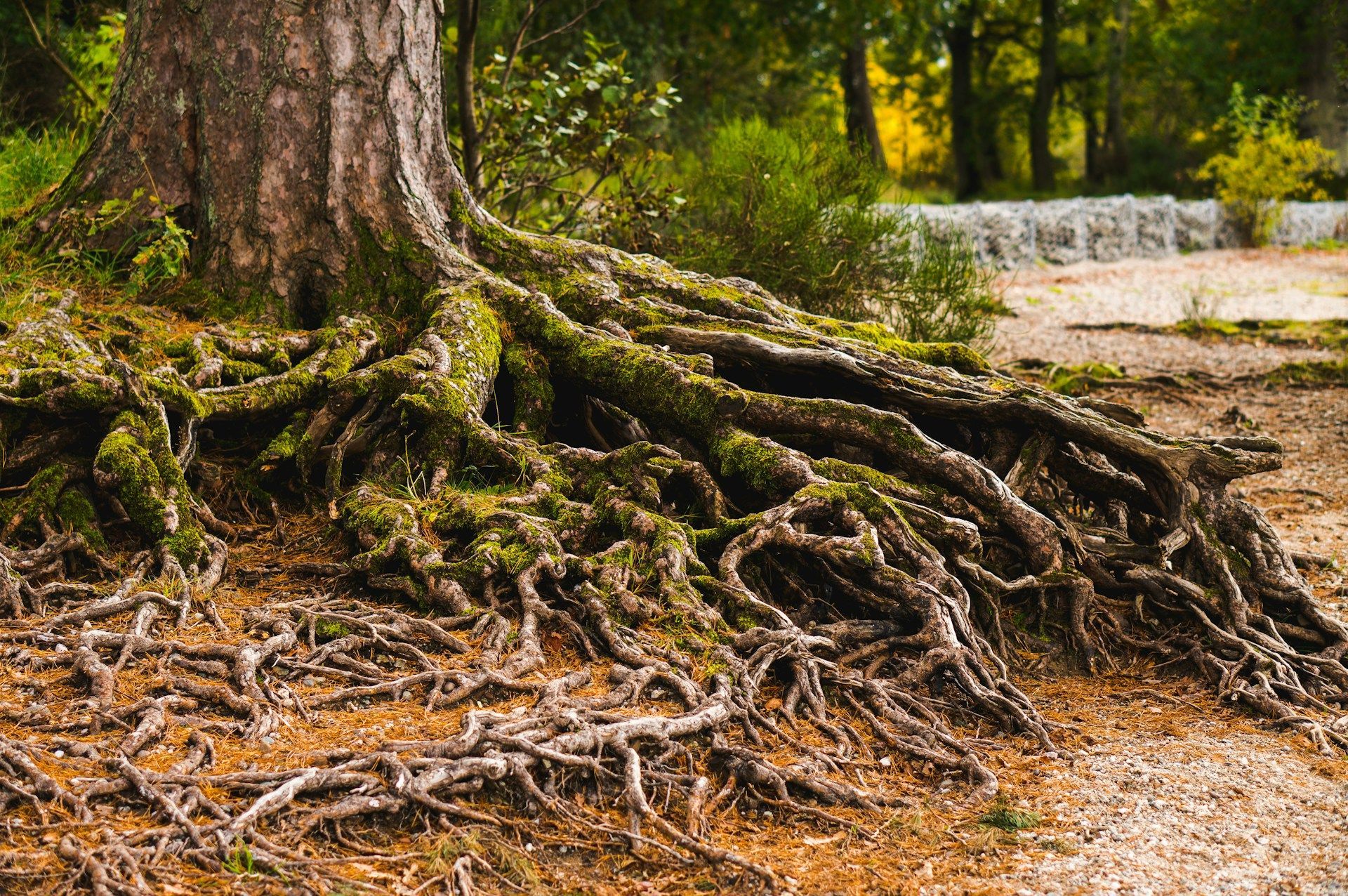
• After heavy rain, roots can lose their grip in soft soil. Even large trees may start to tip.
• Strong winds may leave hanging branches or tear bark, both of which create weak spots.
• If a trunk splits or a tree leans toward a house or street, it can become unsafe fast.
If your tree looks tilted, wobbly, or cracked, it’s best not to wait. Quick removal can keep things from getting worse, especially if the roots are torn or pulling out of the ground. We’ve seen trees go down days or even weeks after a storm, especially when the ground stays wet. If something feels off, it probably is.
How Cleanup Services Work After a Storm
Tree damage can scatter branches across a yard in minutes. But cleanup takes more than a rake and a few bags. Proper hauling is key after a storm. Debris piles up fast, especially when large limbs fall. Leaving it in your yard or dragging it to the curb doesn’t always work.
• Hauling clears out heavy, broken branches that can block pathways or driveways.
• Lot clearing may be needed if multiple trees have fallen or large areas get filled with debris.
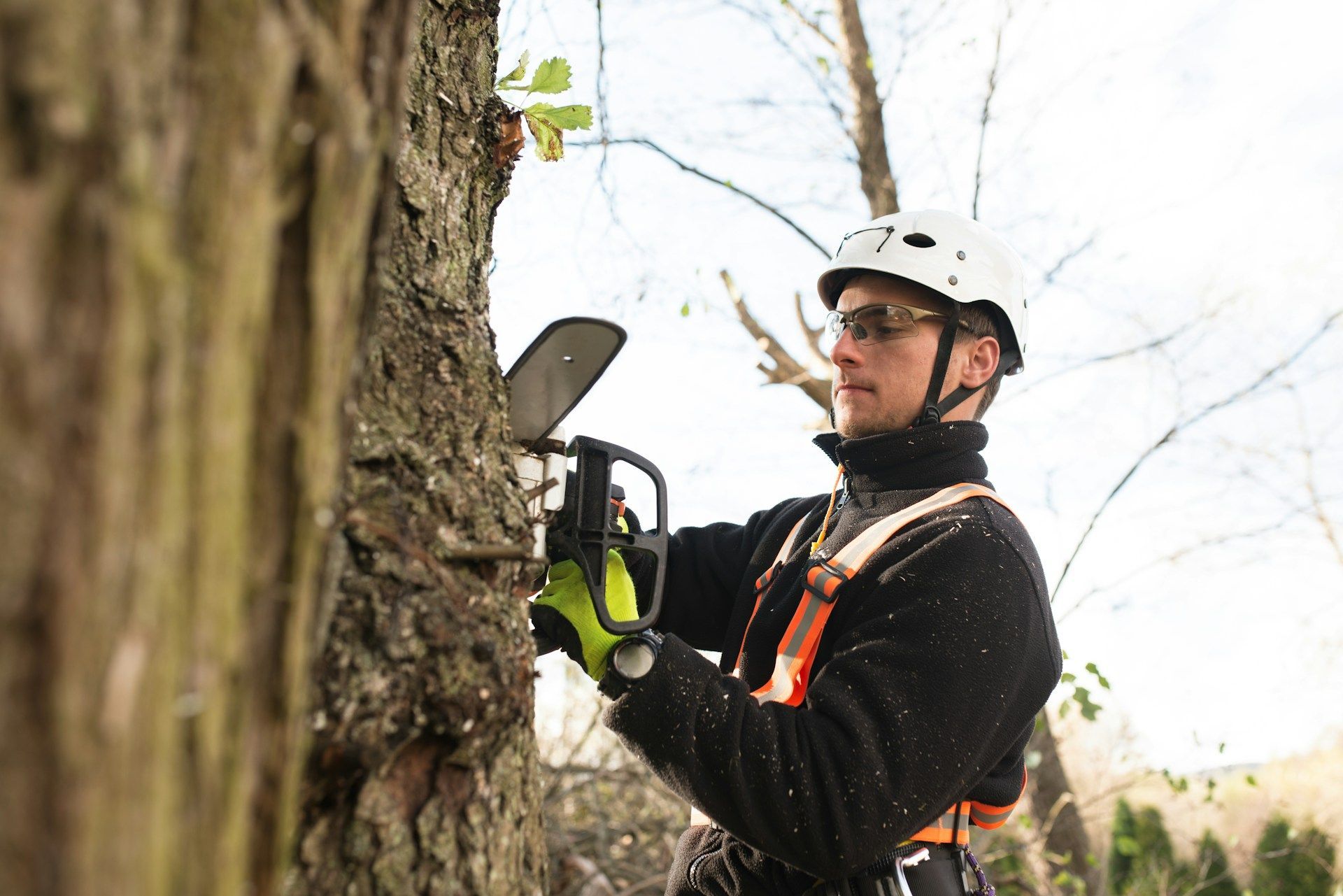
• Using a licensed tree service helps make sure everything is handled without injury or more damage.
We check the whole area before we start. That includes checking for downed limbs, looking at how close they are to structures, and clearing a safe space to work. Cleanup after a storm should make a yard safer and ready for whatever the next step is, whether that’s replanting or repairing.
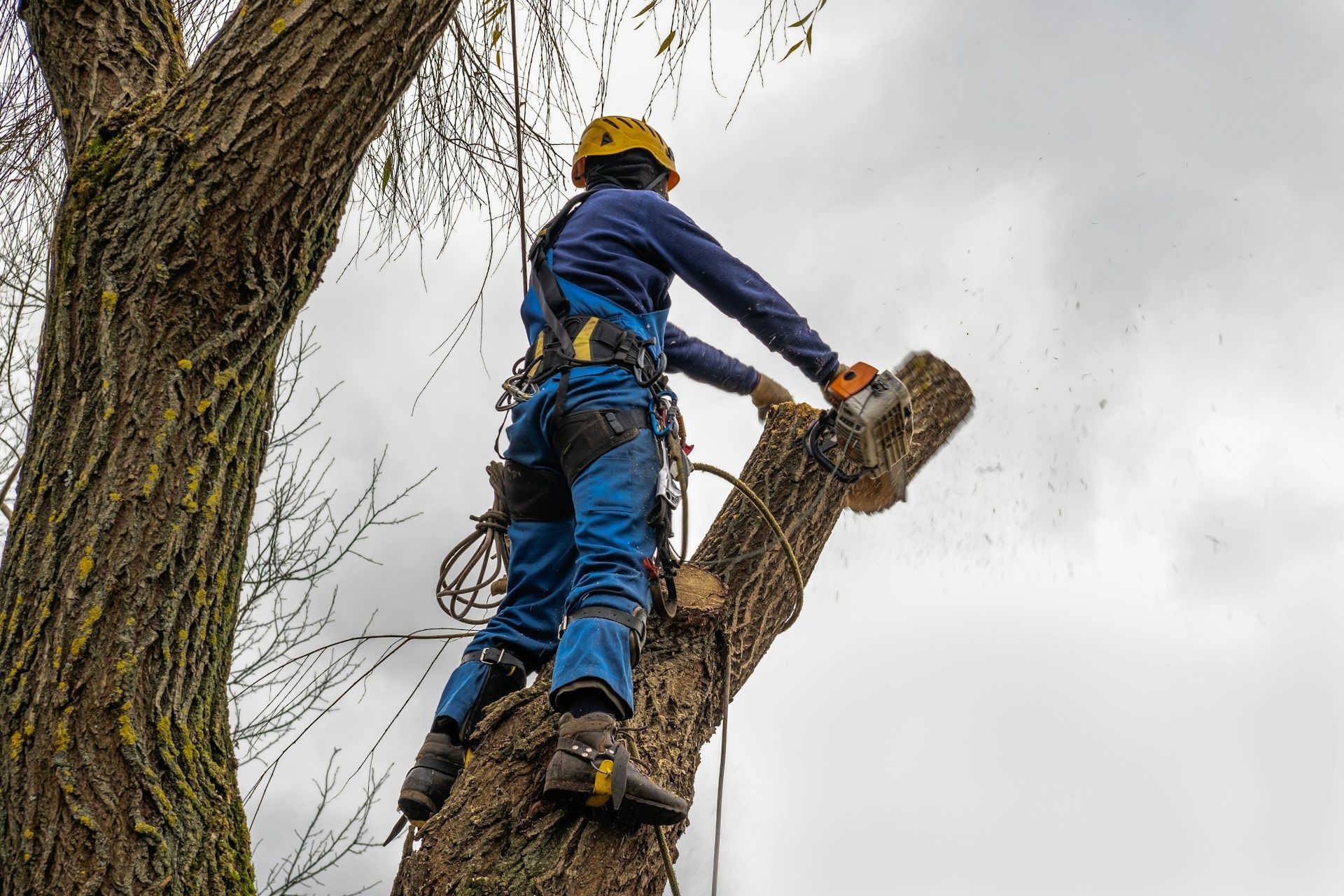
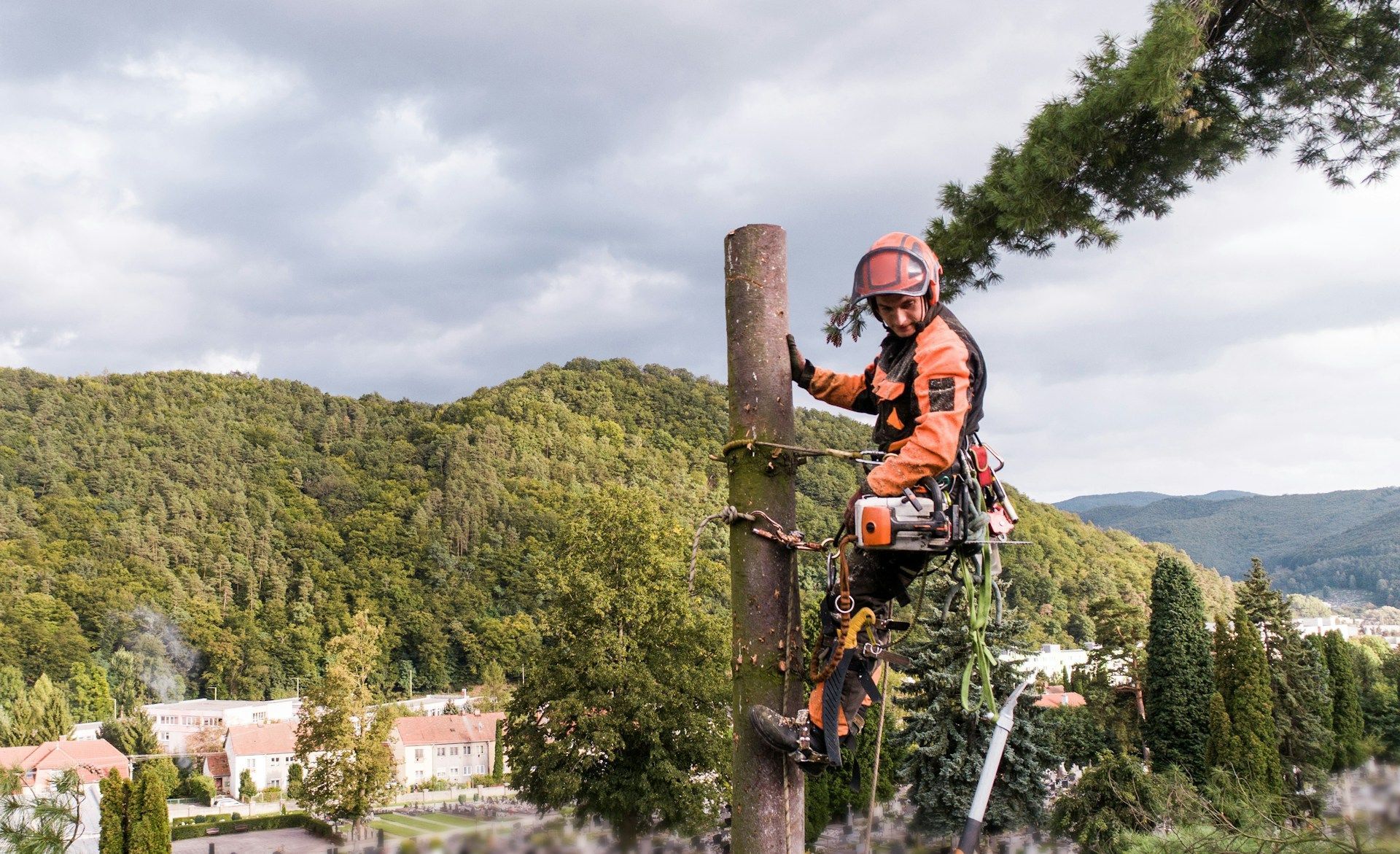
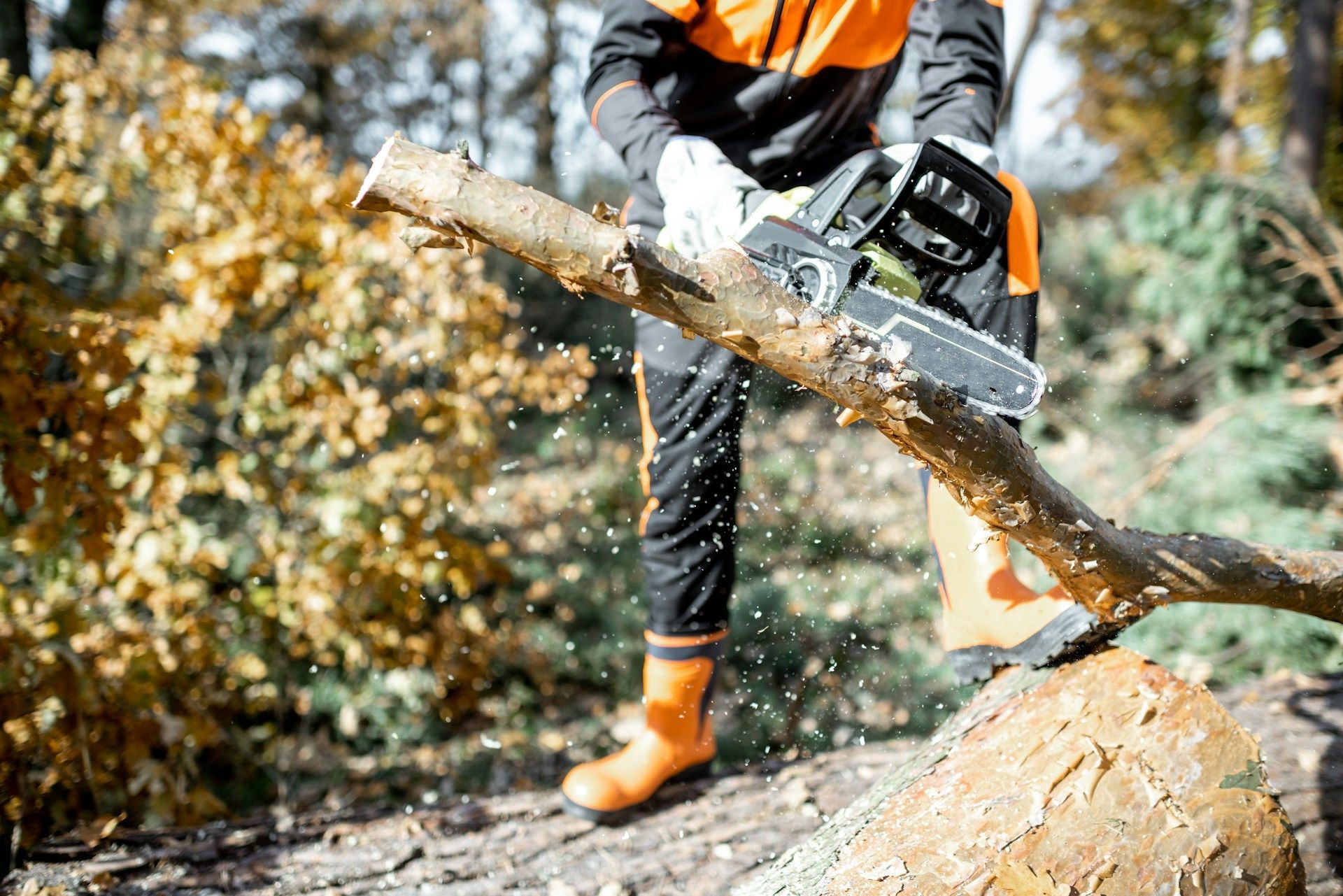
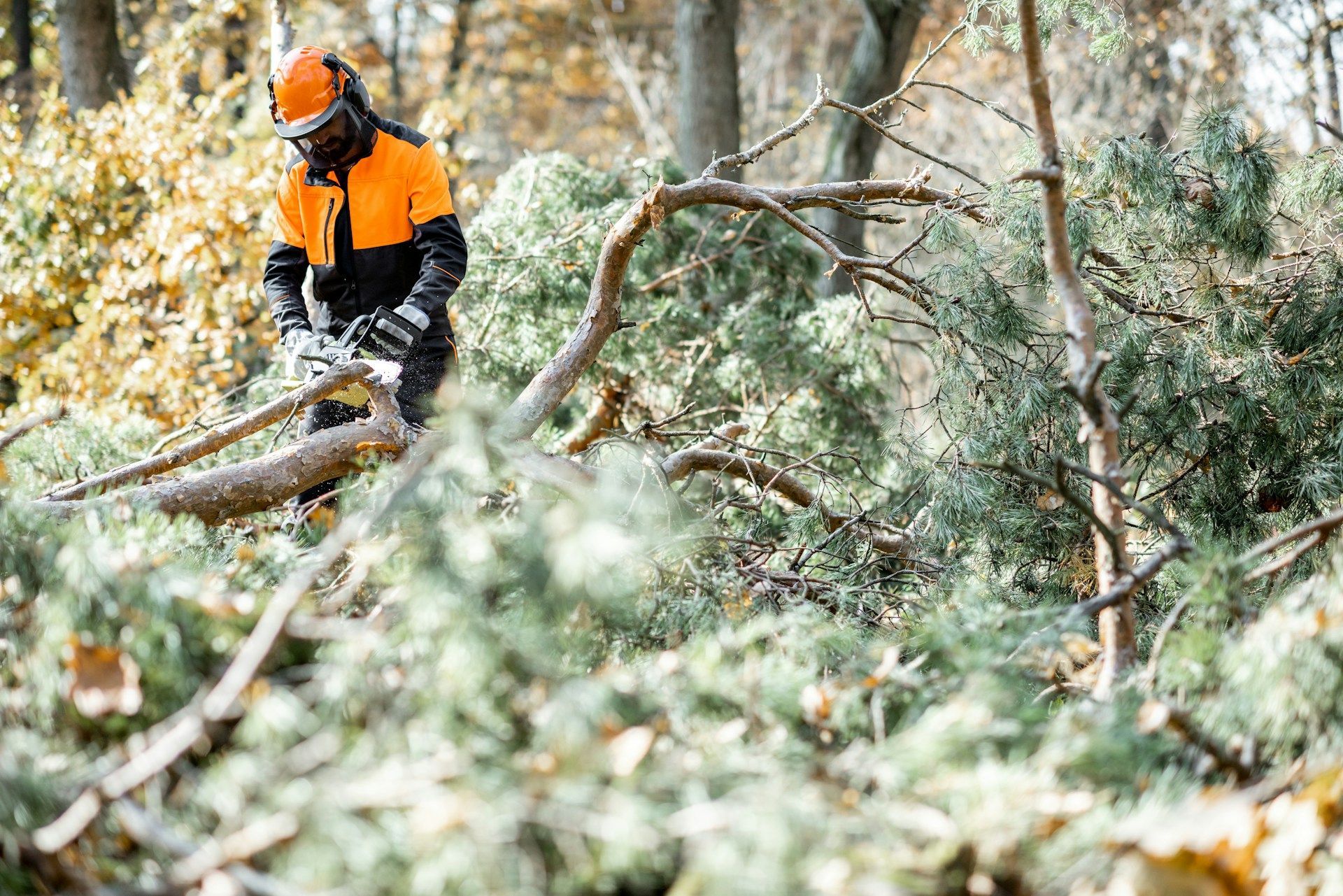
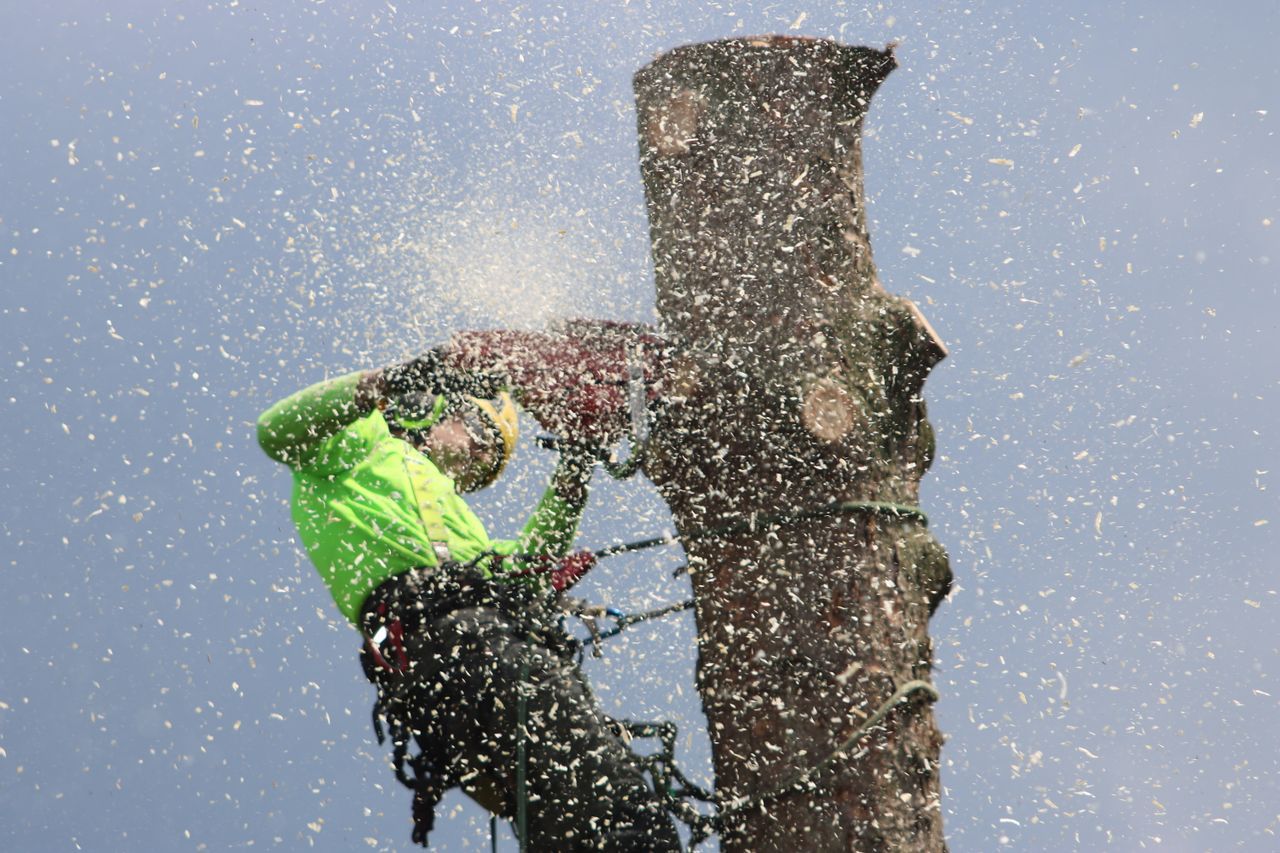
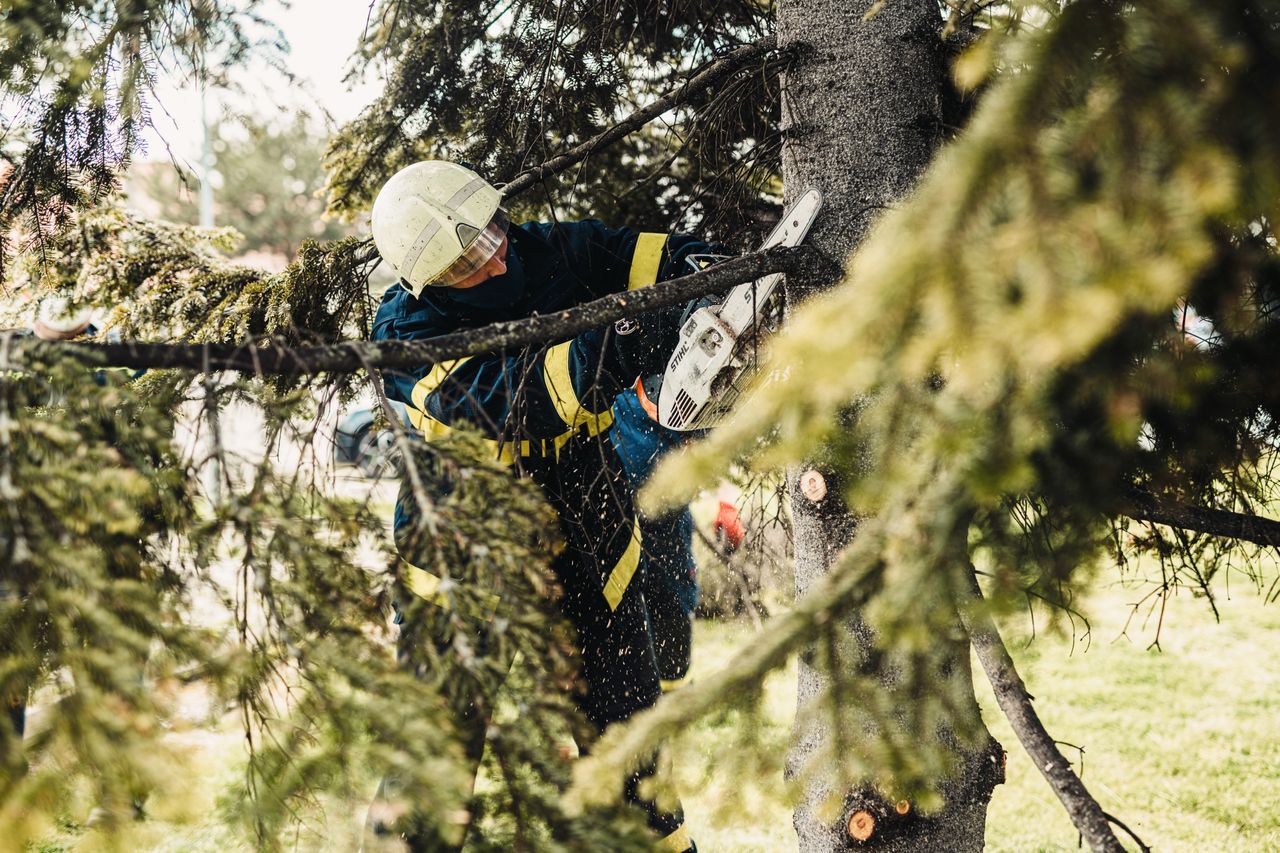
Our team at Teague’s Tree Service provides 24-hour emergency response for tree removal after storms and is equipped with specialized tools for safe, efficient removal of damaged trees in San Antonio.
Some Trees Can Be Saved, Others Need to Go
We always look to save a tree when we can. But not every tree can be trimmed back into health.
• Thinning helps when a tree is mostly healthy but has too many crowded limbs. This opens up space and lets air and light in.
• Trimming works when only parts of the tree are hurt. Removing damaged limbs can help prevent rot or disease.
• When the trunk splits, the tree leans too far, or roots are damaged, full removal may be the safest choice.
An honest tree service helps sort those decisions out. We look at the full picture, not just what’s on the surface. How deep the roots go, how much damage is hidden, and how close the tree is to homes or fences all matter. Sometimes, taking one tree out protects the rest of your yard.
Cleaning Up Leaves Room for New Growth
Tree removal opens up more than just space. It can create a better setup for new trees to grow strong.
• Tree planting is a smart way to start fresh after storm damage clears. December's cooler weather gives young trees time to settle.
• A layer of mulch helps protect those new roots. It keeps the ground warmer at night and holds in moisture between winter rains.
• Lot clearing and cleanup help the whole yard breathe again. Without stumps, weeds, or leftover branches in the way, new growth has room to spread.
If you're thinking about planting after a storm, we suggest waiting until the land is properly cleared. Good cleanups make it easier for new trees to grow strong, upright, and away from power lines or walkways. That gives better long-term protection from whatever future storms blow through.
Keeping San Antonio Yards Safe and Clean After the Storm
Storms don’t give much warning. They blow through fast and leave behind a mess that can linger for weeks. The best way to handle it is to act early.
Tree removal, thinning, and lot clearing all play a part in keeping spaces safe. Knowing what can be saved and what needs to go is part of the process. A broken tree does more than block your view, it can pull up pavement, damage rooftops, or fall without warning.
Getting your yard back in shape after a storm isn’t just about looks. It’s about safety, space, and starting fresh. A good cleanup clears the way for better planting, easier maintenance, and more peace of mind. We always look at what’s best for the whole area, both above and below the soil.
When winter storms strike San Antonio, damaged trees can quickly become safety hazards, and sometimes trimming isn't enough. Weak roots or a split trunk may require complete removal to protect your property. We thoroughly assess each situation to determine what can stay and what truly needs to go. Unsure if your tree can be saved? See how we approach
tree removal in San Antonio for storm-related damage. At Teague’s Tree Service, we help restore your yard safely and responsibly, just give us a call.