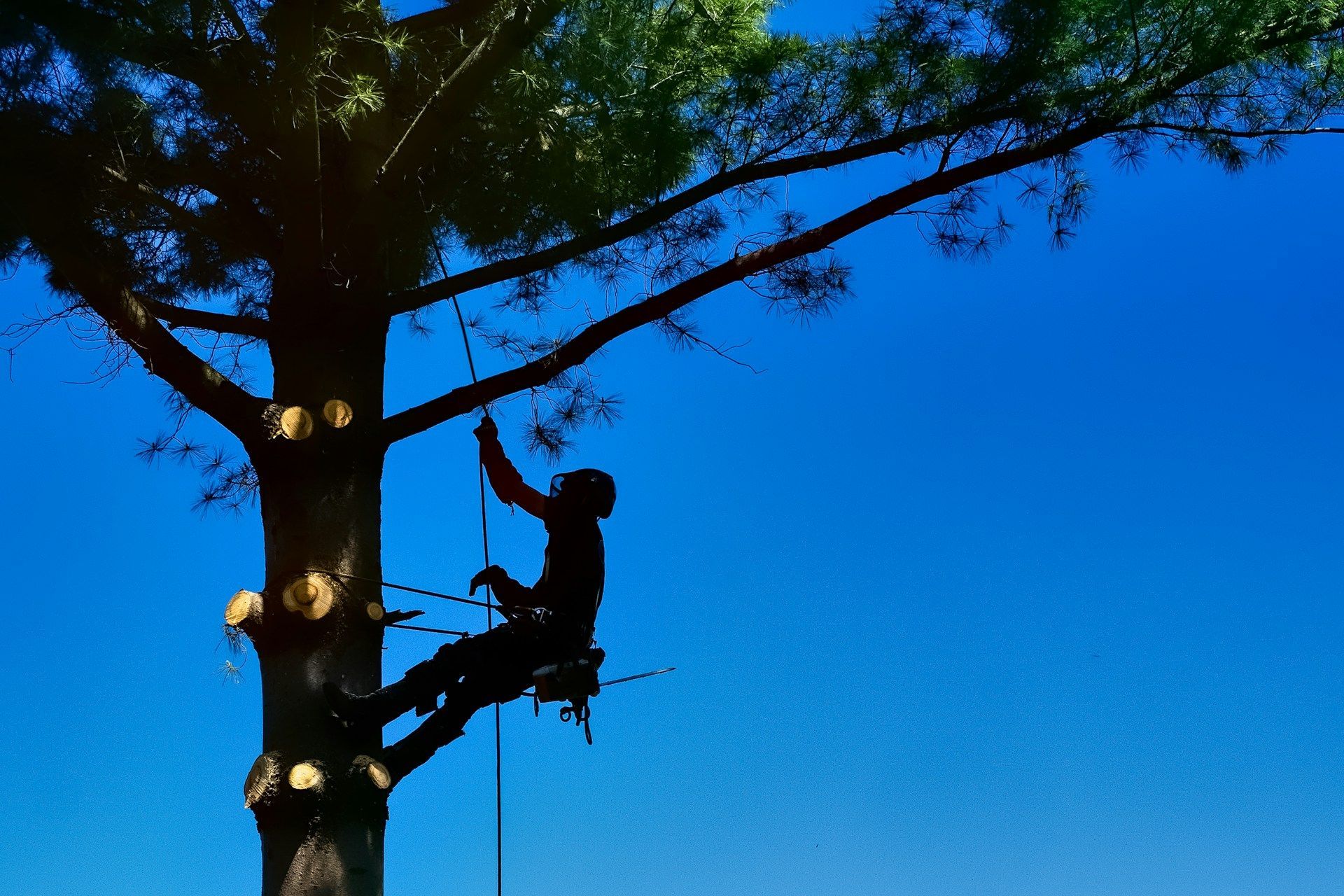
How Oak Tree Trimming Helps Prevent Fall Pests in Texas
As the air starts to cool in Texas, many of us look forward to fall evenings and time spent outside. But the change in season also brings out something less welcome, pests. Bugs and small animals start looking for places to hide as they prepare for the colder months ahead. Unfortunately, trees often make the perfect spot, especially when they're overgrown or have weak, dying limbs.
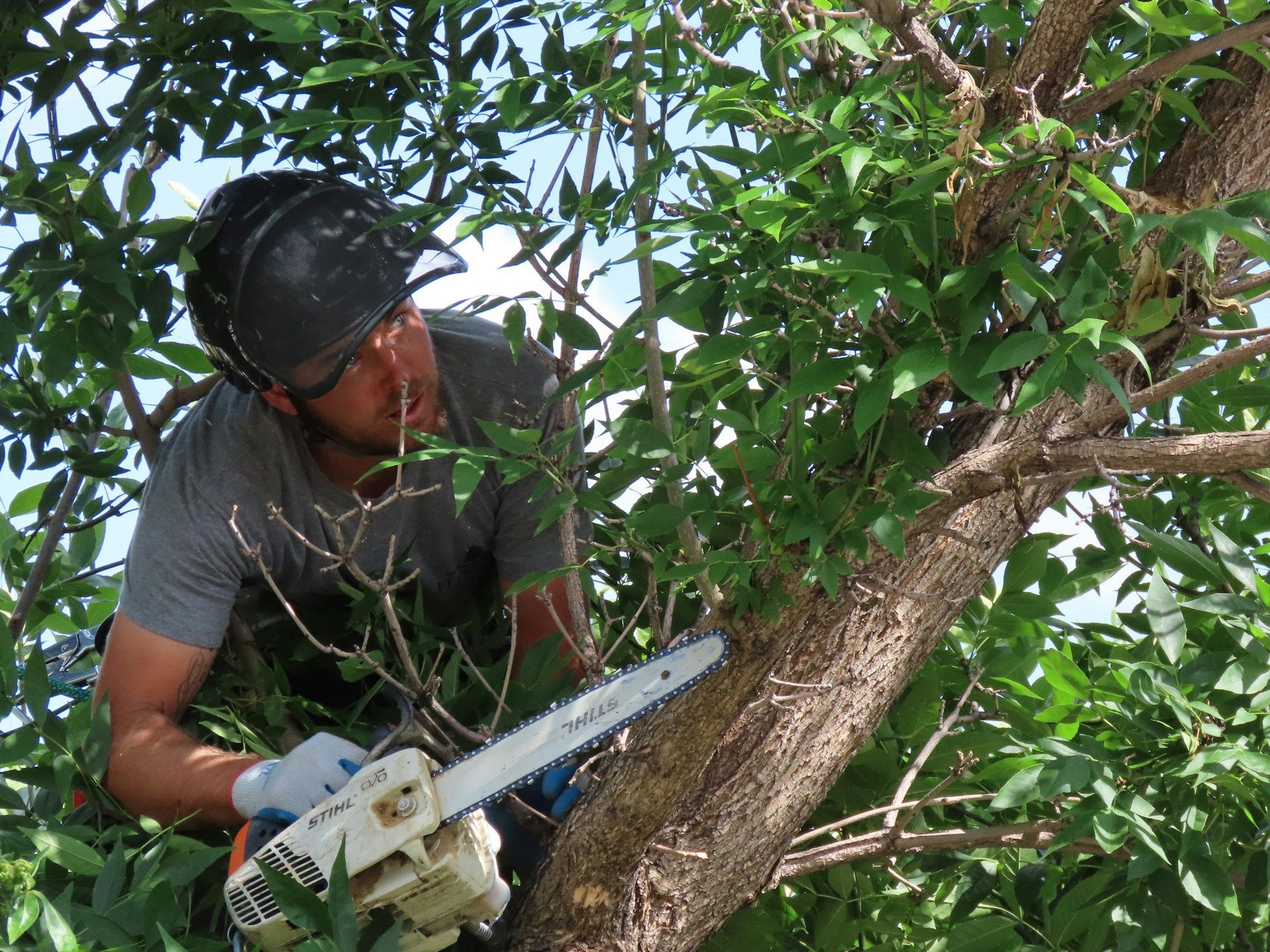
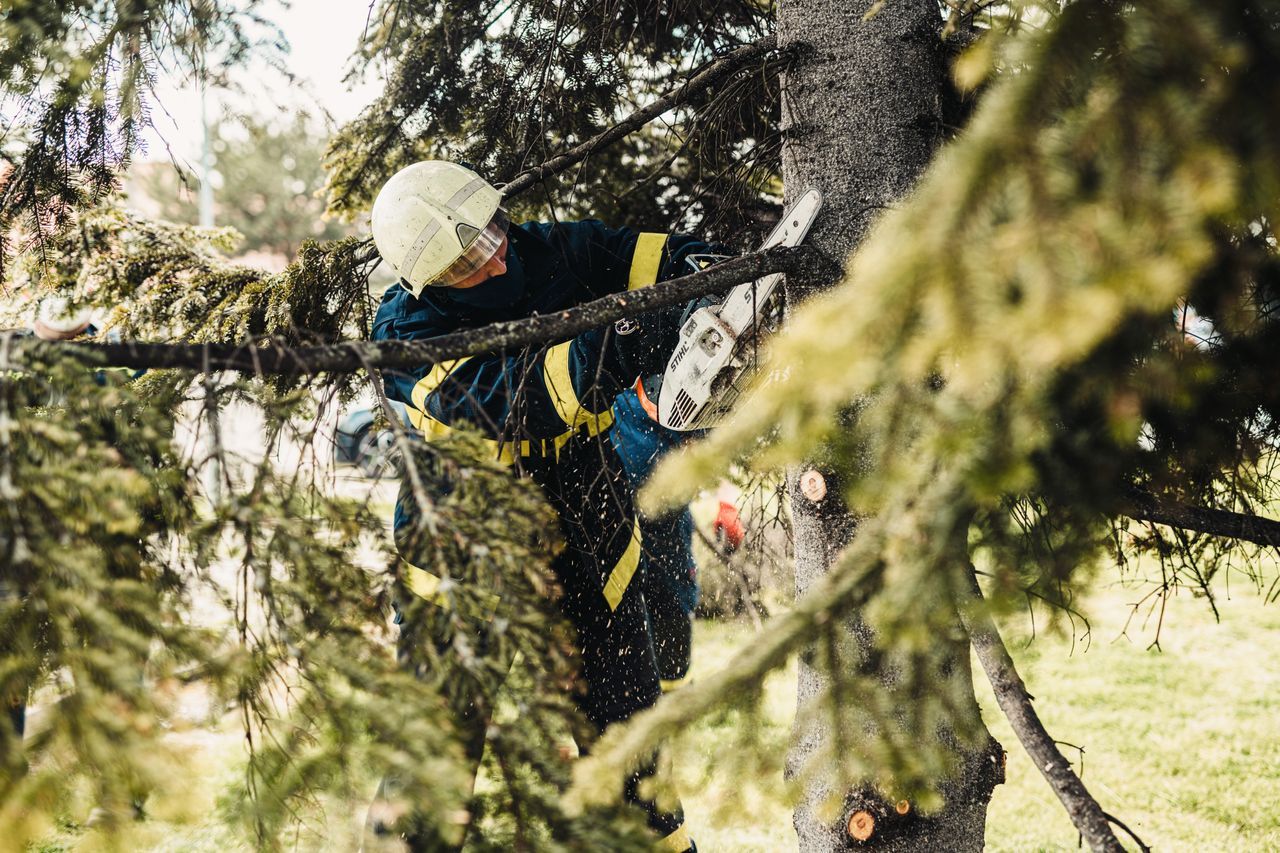
That's where timing matters most. Regular oak tree trimming in San Antonio, especially before peak fall weather, makes a big impact. When trees are trimmed the right way and at the right time, there's less cover for pests to settle in. Clean, open canopies help discourage insects and animals while keeping your trees in better shape heading into colder weather.
Why Fall Is Prime Time for Tree Pests in Texas
Fall in Texas doesn't usually bring frost right away, but the cooler nights and shorter days are enough to push pests into hiding mode. This is when they start searching for a place to stay warm and safe.
Trees, especially oaks, offer shelter when their branches grow thick or crowded. Pests like beetles, ants, and borers often find small openings in the bark or creep into cracked limbs. Some bugs even lay eggs inside damaged wood, which starts problems not just now but into spring.
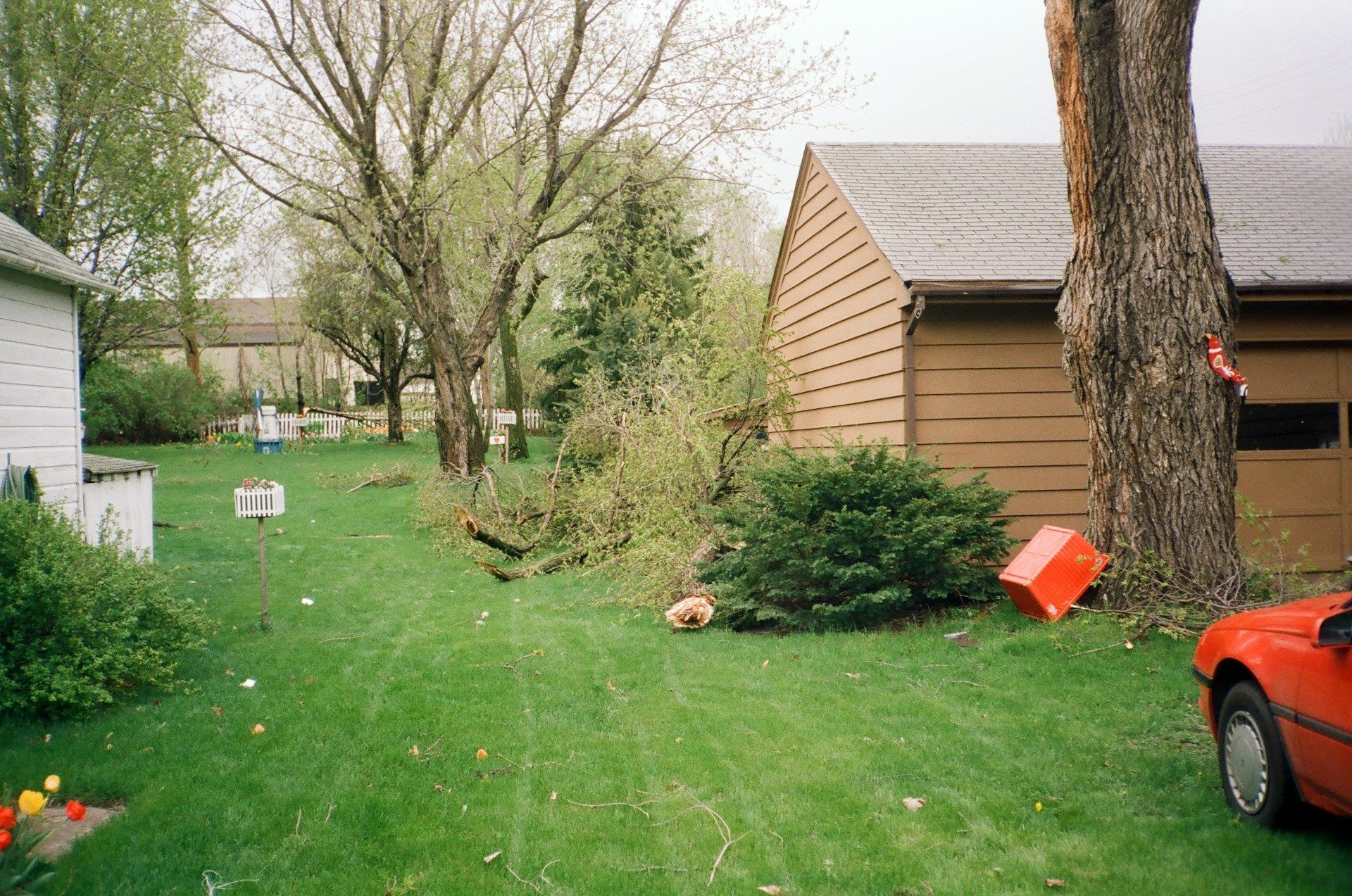
Another issue is the mess left behind by fall itself. Piles of leaves, dead limbs, and thick undergrowth become a quiet hiding spot. Pests use these areas like shelter, and once they're settled in, they don't leave easily. When too much of this buildup happens in one yard, pests just move from one tree or home to the next.
How Overgrown or Damaged Limbs Attract Pests
Most pests don't dig their way into healthy trees. They look for exposed and easy entry points, which often means weak or broken limbs. Oak trees with overgrown tops or damaged sections are easier targets.
Dead branches are especially risky. They're soft, sometimes hollow, and quick to decay, which insects love. Once bugs find these openings, it's hard to get them out. Thick canopies can trap moisture and block sunlight, which creates the darker, damp environment certain pests prefer.
If there's fungus growing on the trunk or limbs, that's usually a sign that decay has already started. Hollow spots and peeling bark don't just signal tree trouble, they send a welcome message to pests.
Benefits of Trimming Before Problems Start
By trimming oaks before pest season kicks into full gear, there's a much better chance of avoiding costly damage. Once the weak branches are out of the way, there's less space for pests to dig in and settle for the season.
Here's what proper trimming can do:
- Remove branches that are already dead, cracked, or holding moisture
- Open up crowded areas so sunlight and air can move through easily
- Shape the tree in a way that keeps it growing strong and balanced
When trees are trimmed ahead of fall, the cleanup process gets easier. There are fewer loose branches to collect after storms, and the structure of the tree is safer. That makes the whole yard less inviting to pests looking for large piles of debris or cozy spaces behind heavy limbs.
Most importantly, trimming early helps avoid surprise issues later in the year. Once a pest problem starts in an old, damaged part of the tree, the chances of that damage spreading go up. Dealing with it early is always easier than waiting until mid-winter or spring.
What to Look for When Checking Your Oak Trees
It's not always easy to know when a tree needs attention just by glancing up. But there are some clear signs that show when a tree might be struggling or at risk of drawing pests.
Keep an eye out for:
- Limbs growing too close to fences, roofs, or other trees
- Bark peeling away from parts of the trunk or branches
- Mushrooms or soft spots that suggest hidden decay
- Small holes in wood or signs that bugs are chewing through
If you hear loud cracking sounds during windy nights or see branches hanging down after a rain, those are red flags. Birds or squirrels using your trees isn't always bad, but if you notice more than usual climbing into hollow areas or scratching at the bark, it could mean pests are nearby.
Checking oak trees in late September or early October can help you spot problems before they get worse. If something looks off, trimming early in the season can keep small concerns from becoming bigger ones.
A Cleaner, Healthier Yard for Fall and Beyond
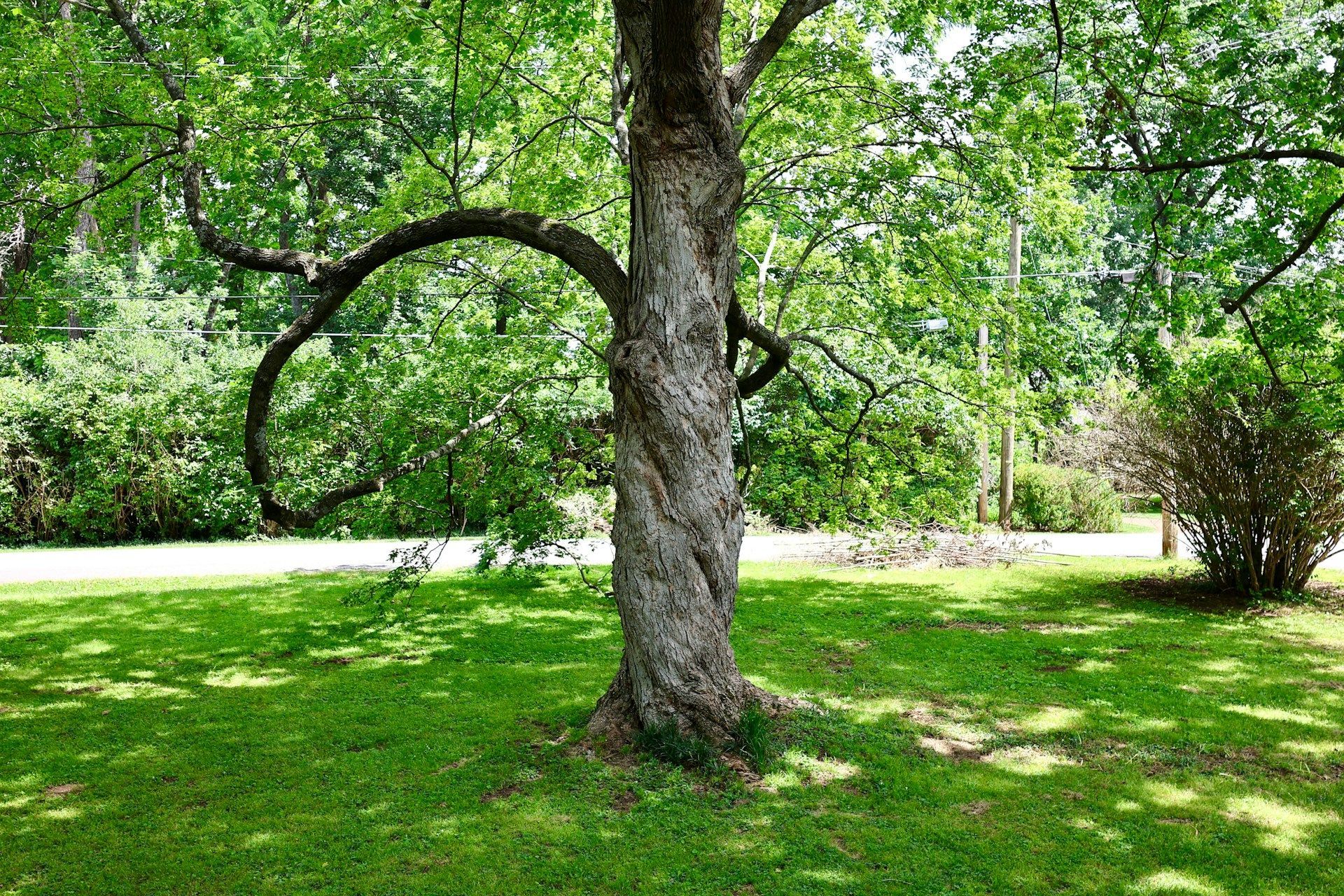
A tidy oak with plenty of space between its limbs is less attractive to pests. Trees that are trimmed in advance not only look better, they're better protected from the wear and tear of fall and winter.
Clean branches allow wind to pass through without breaking limbs. Healthier trees grow more evenly and drop fewer problems onto roofs or paths. When we stay ahead of decay and keep the canopy clear, pests have fewer places to hide or nest. That leaves your yard feeling safer and easier to enjoy.
Taking care of oak trees before the first strong cold front rolls through San Antonio gives you a good head start. The right cut in the right season can make a big impact on how your yard holds up between now and spring.
If your oak trees are starting to show signs of overgrowth or damage, now's the right time to take care of them. Staying ahead of weak limbs and buildup can help lower pest problems before they settle in for the winter. Regular trimming makes a big difference, especially when done at the right time in the San Antonio area. Since 1996, Teague's Tree Service has provided expert tree trimming with licensed and insured technicians who understand the specific needs of Texas oak trees. We offer professional
oak tree trimming in San Antonio to keep your trees healthy year-round. Contact Teague's Tree Service today to schedule a visit.