Why Tree Branches Fall More Often in Winter
When the air turns cold and the days get short, something else starts to happen in our yards, tree branches begin to fall more often. If you live in San Antonio, you’ve probably noticed this before. One morning, everything looks fine. Then after a chilly night, a branch is lying in the driveway or across the lawn.
This is more than just change-of-season cleanup. Tree limbs break more during the winter because trees go through stress that’s hard for us to see. That’s why understanding the reasons behind limb breaks is a big part of keeping your yard safe. Knowing how tree branch removal in San Antonio works, and why it matters during colder months, makes it easier to stay ahead of accidents and keep your trees healthy year-round.
Why Winter Makes Branches More Likely to Fall
Winter weather hits trees in ways we mostly don’t think about. The cooler temperatures, dry air, and shorter sunlight hours change how strong branches are.
• Cold air makes wood harder and more brittle. This is a bigger issue on older trees or branches that already have small cracks.
• Dryness in the air means branches lose some of their natural flexibility. When a wind gust comes through, those stiff limbs are more likely to snap.
• Quick drops in temperature can cause the water inside branches to freeze and expand. That can lead to stress cracks, even in branches that looked fine the day before.
These things don’t always cause a branch to fall the same day. Sometimes the damage builds up, and one cold night is just the last bit of pressure that causes the break.
Common Tree Types in San Antonio That Struggle in Winter
Here in San Antonio, different trees handle winter in different ways. Some stay fairly strong through the season, but others are more prone to dropping branches.
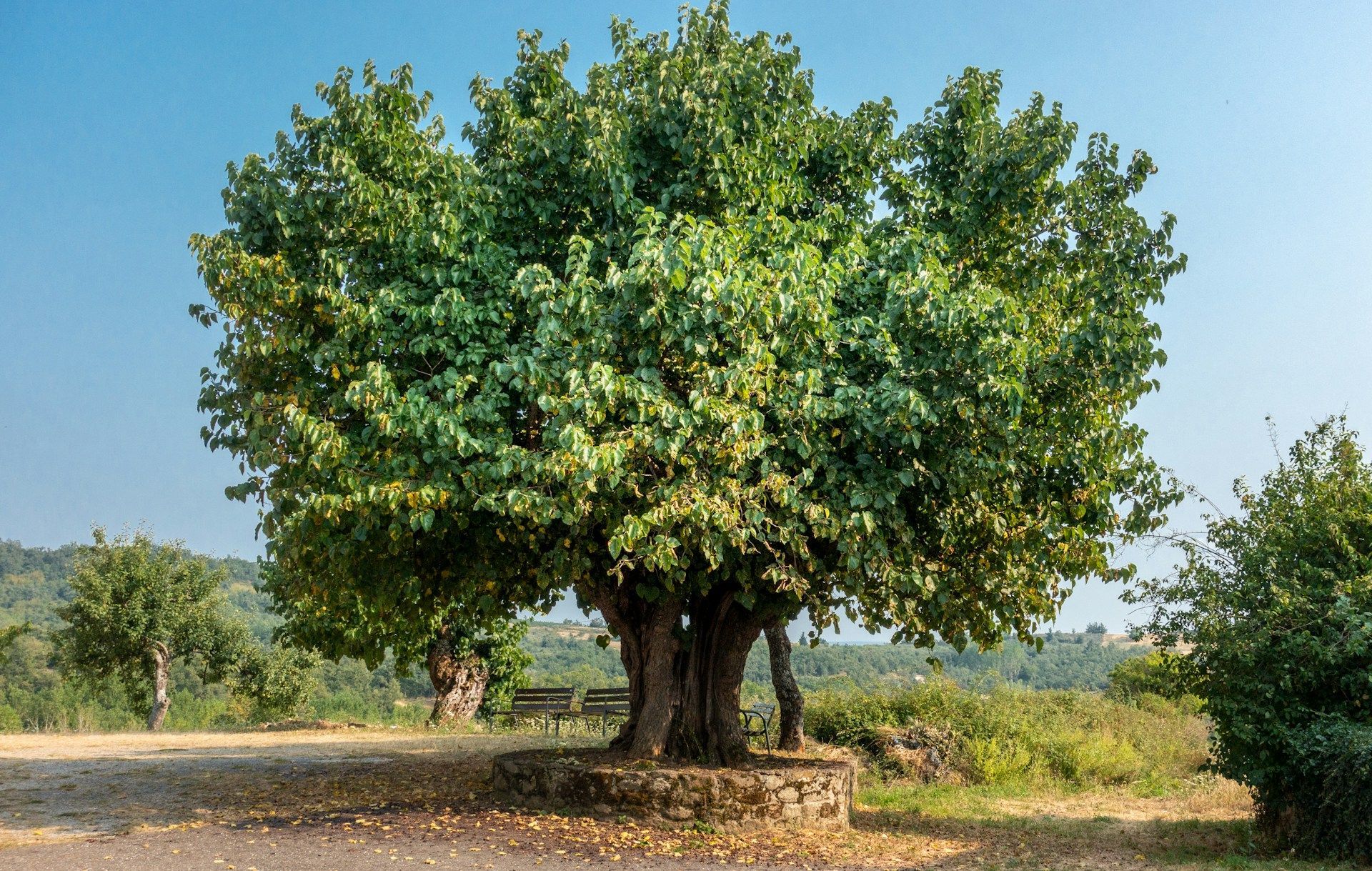
• Oak trees are common around here, and while they’re solid for most of the year, they can drop large limbs during cold snaps, especially if they haven’t been thinned properly early in the season.
• Evergreens might look tough, but their branches can still crack under early morning ice or after a sharp freeze.
• Any tree that’s become too top-heavy from lack of thinning is more likely to lose limbs. We see this a lot after long, wet summers when trees grow fast and then don’t get trimmed before winter hits.
Some tree types just don’t deal well with stress from changes in temperature. Weak spots show up more clearly in winter when the usual protection from leaves is gone.
How to Spot Branches That May Break Soon
Not all dangerous branches fall right away. Some hang around longer than they should, which is why it helps to pay attention to a few signs.
• Limbs that lean way out from the trunk or hang unusually low are at higher risk, especially if you’ve had some wind recently.
• Cracks or splits where limbs connect to the trunk can tell you the branch is under stress and may break soon.
• Bark peeling away near the joint or the middle of a limb can point to sickness or hidden rot.
• After a freeze or storm, look for branches that are hanging but haven’t hit the ground. These are often broken halfway and could fall at any time.
Spotting these signs early helps stop unexpected damage. During winter, even small broken limbs can fall when the yard is busy, especially after storms.
Why Professional Tree Branch Removal Is the Better Option
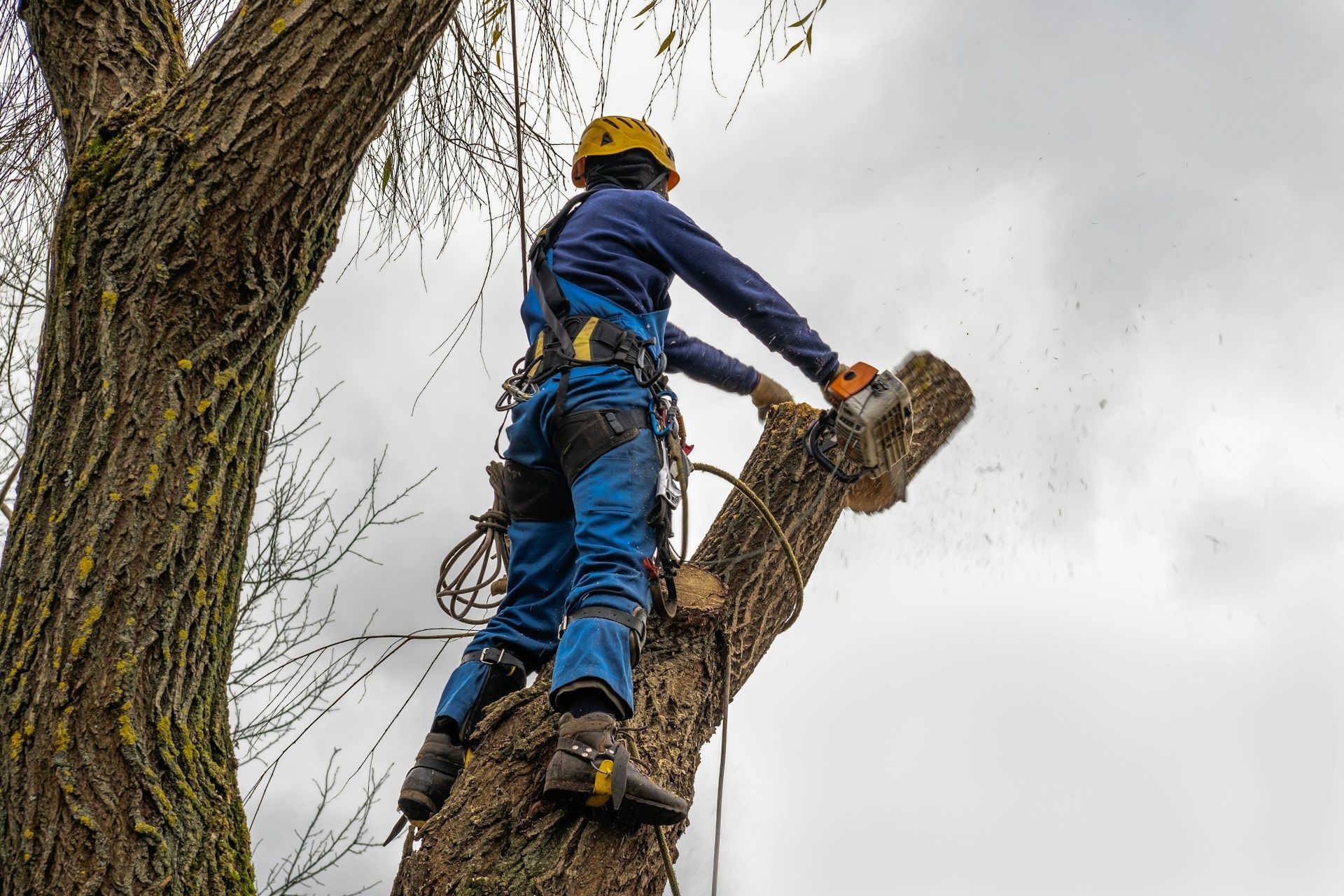
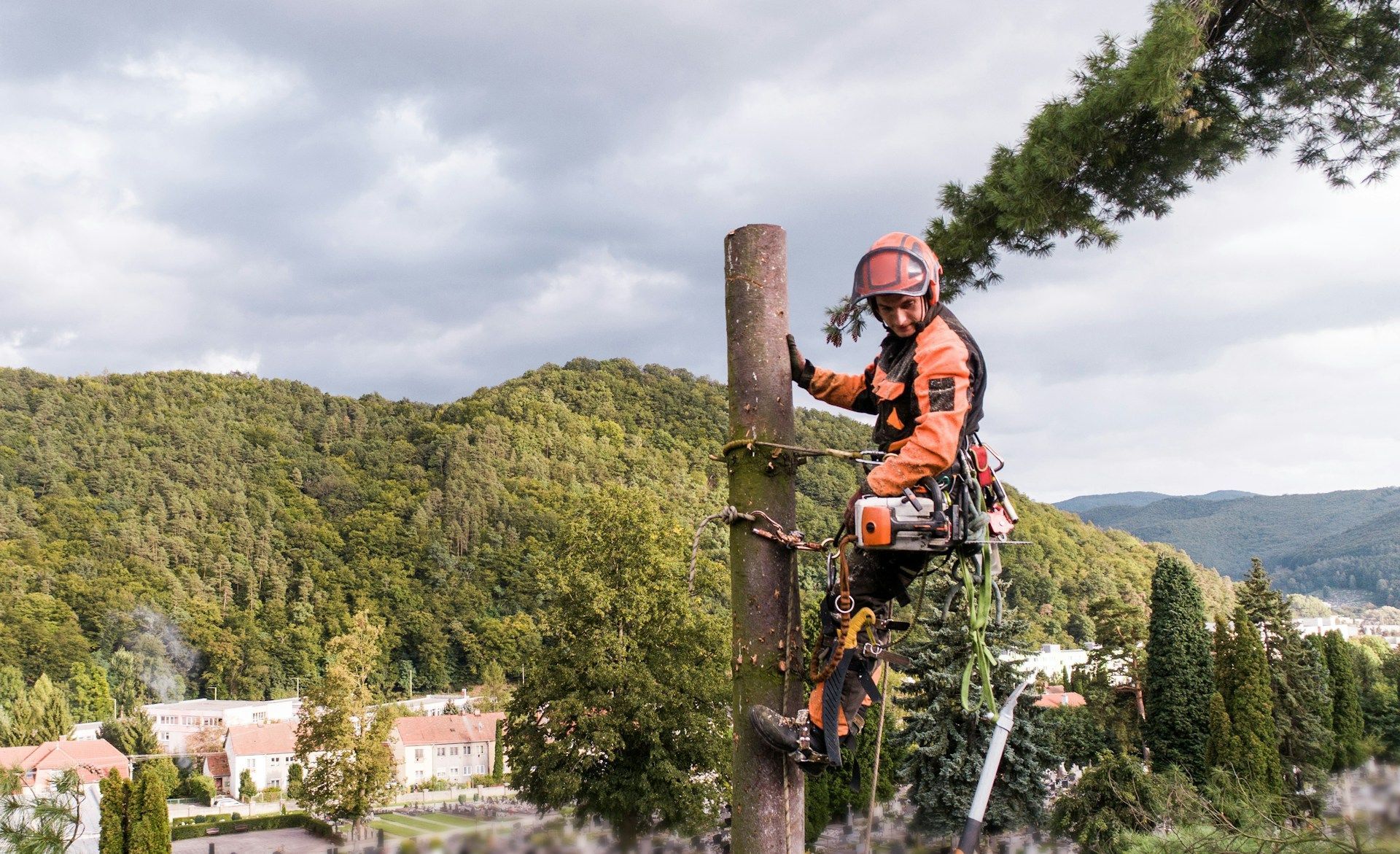
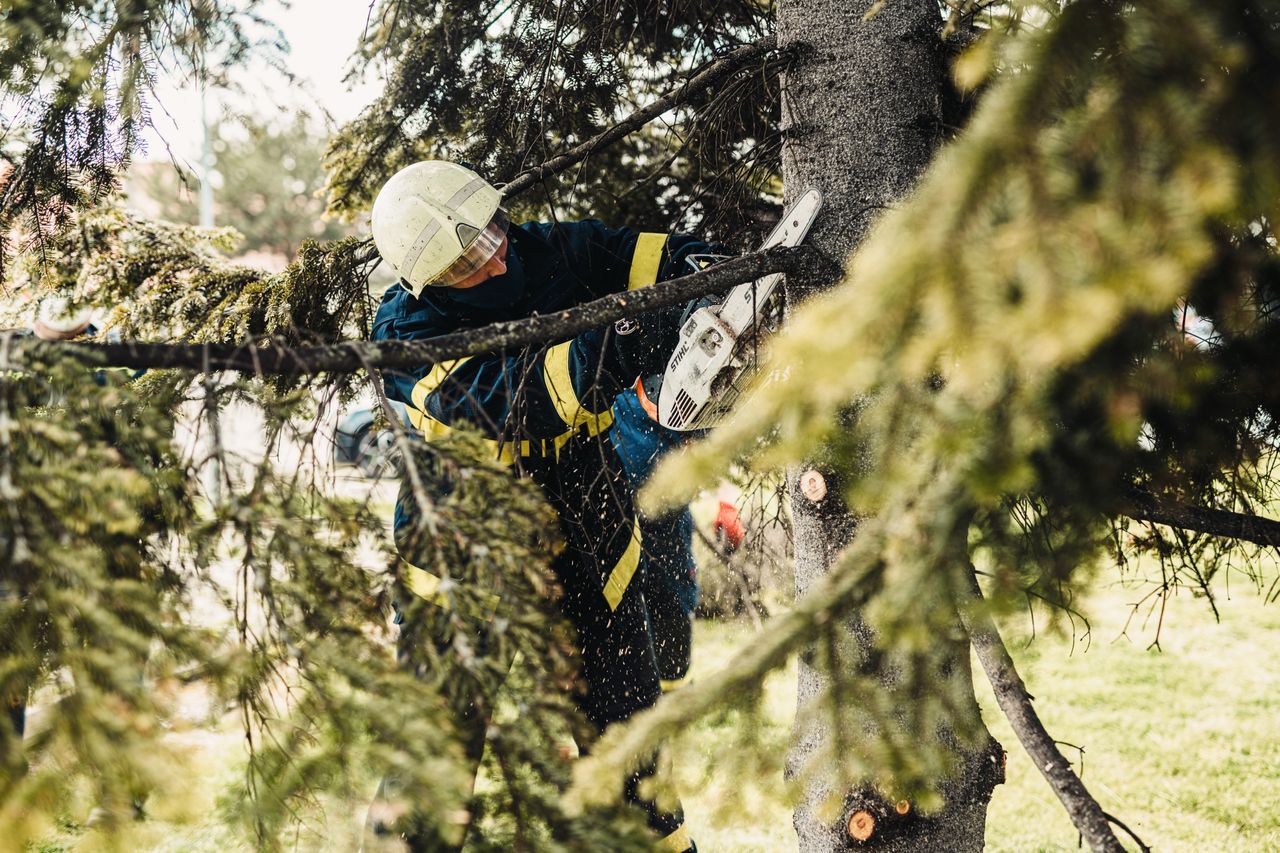
Cutting down weak or broken branches might sound simple, but in the winter it can be dangerous, even with a ladder and tools. There are better reasons to let professionals handle it.
• Working at height on slippery or uneven ground, especially when branches are icy or wet, is a big safety risk.
• A licensed tree service comes prepared, not only with equipment but with proper training to know how to trim safely.
• An honest tree service can look at your whole tree and tell whether a branch just needs a trim or full removal.
• Thinning is also part of smart branch removal. It keeps trees from getting too top-heavy, which helps prevent future drops in other parts of the tree.
Removing one broken limb doesn’t always fix the whole problem. Having someone who sees the tree as a whole gives you a much safer yard going forward.
Extra Yard Work That Helps Trees Stay Safe All Winter
Taking care of your whole outdoor space makes a bigger difference than just removing broken limbs. Winter offers a good chance to clean up and prep for a safer season.
• Lot clearing clears out smaller trees or brush that may block the way when a branch falls. If something’s in the drop zone, it’s better to move it before something lands on it.
• Hauling away loose limbs quickly, especially after winter storms, keeps kids and pets safer and opens up your yard again.
• Tree planting might not seem like a winter job, but planning it now helps your yard flourish in spring. Younger trees need time to take root before getting into the Texas heat.
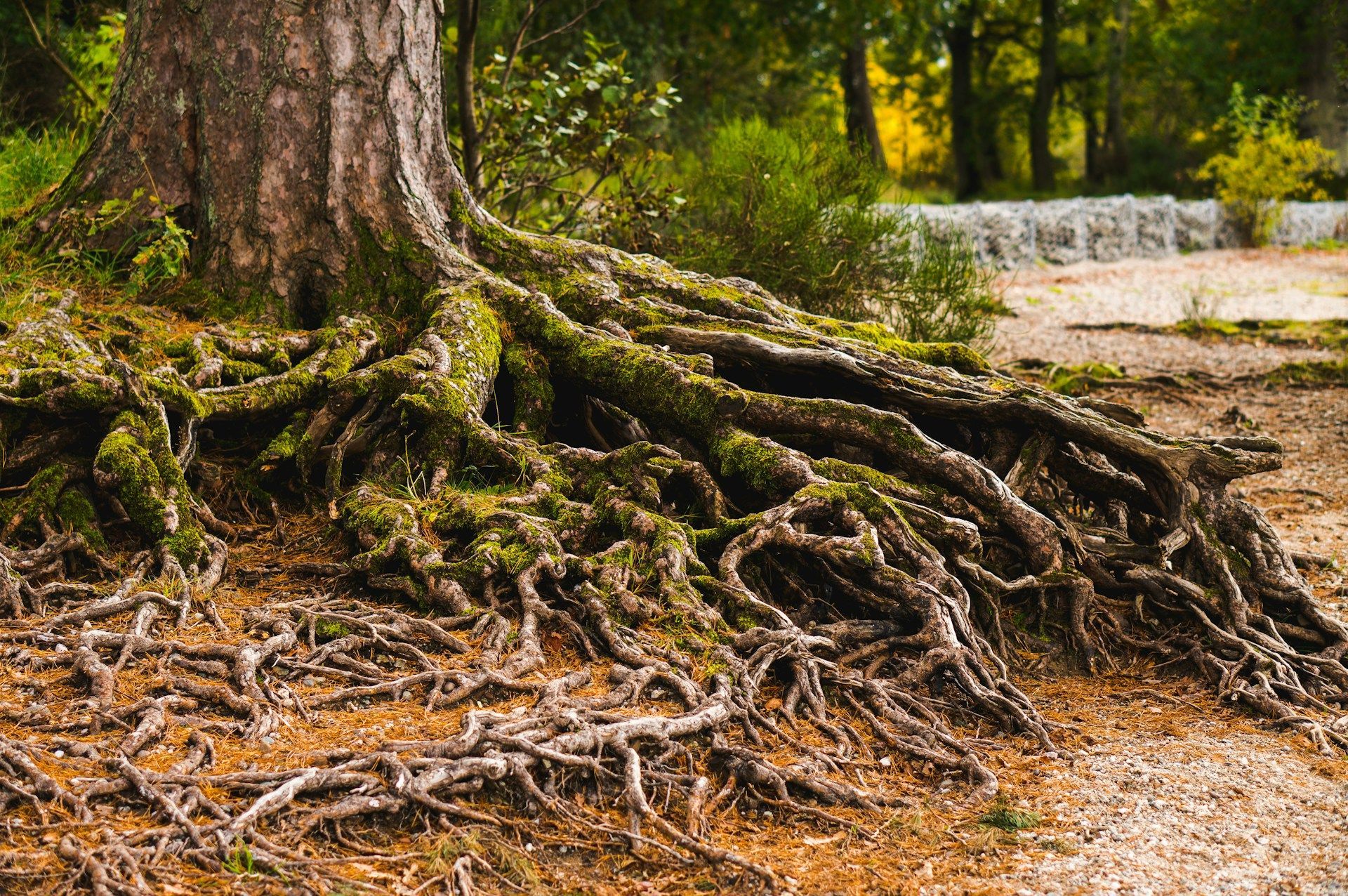
• Winter mulching is great for protecting those roots and keeping in moisture. It gives your yard a head start before spring fully arrives.
Working yard-wide during the colder months keeps trees quieter and healthier heading into the next season. Even simple changes have a long-lasting effect.
Keep Your Trees Standing Strong Through the Cold
San Antonio’s quick weather changes and strong winter winds make it important to care for your trees before problems start. Teague’s Tree Service offers licensed and insured technicians who know how to handle everything from emergency storm cleanup to tricky tree removal, so you don’t have to face the risks of icy limbs or unstable branches on your own. Every crew member is trained to look for damage, provide honest advice, and keep up with safe thinning and hauling through the coldest months.
Staying ahead of limb breaks and tree damage is the best way to protect your home and loved ones, especially as winter approaches. Our licensed team at Teague’s Tree Service can assess your property, identify potential risks, and recommend the right services, from thinning to hauling or trimming. See how we handle
tree branch removal in San Antonio to keep your yard safe all season long. Reach out today for expert guidance for your trees’ needs.