How a Palm Tree Removal Is Different in San Antonio
Palm trees add a lot of character to San Antonio yards, but taking one down isn’t as straightforward as chopping any old shade tree. Each one brings its own challenge. Palm tree removal in San Antonio deserves extra thought because of how palms grow, how our weather works, and what cleanup looks like after the job is done. While winter might seem like a quiet season, late February is a good moment to take care of big trees before spring work begins. Palms, in particular, need to be handled the right way, and knowing what makes the removal different can help you avoid future headaches.
What Makes Palm Trees a Special Case
Palm trees don’t behave like most other trees. From their shape to the way they grow, everything about them requires a different approach.
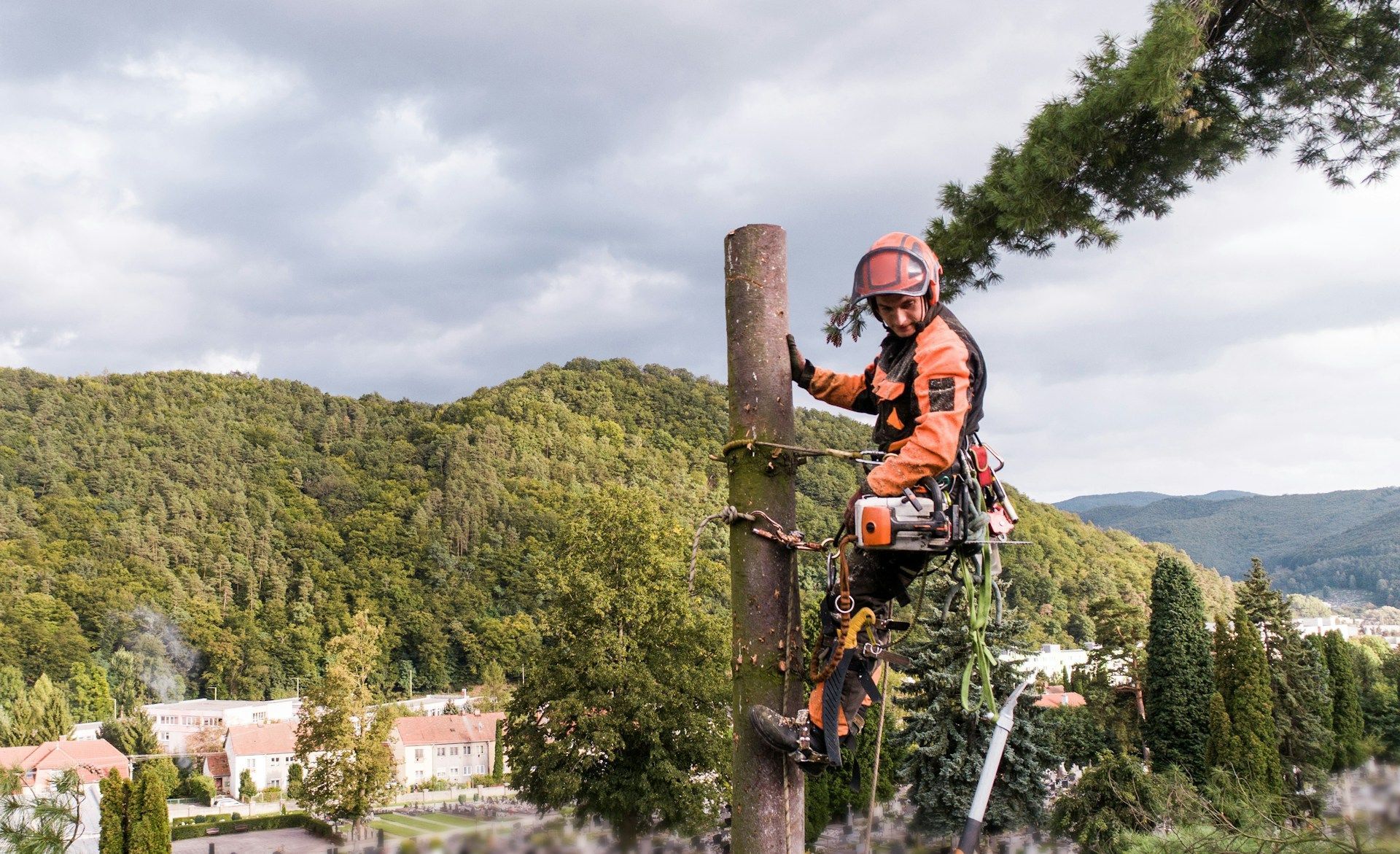
• Palms grow tall and narrow, which can make them harder to manage when it’s time to bring them down. Their trunks don’t branch in the same way as oak or ash, so you’re working with one long, heavy piece of wood.
• Older palms sometimes hide decay inside. From the outside, they might look strong, but inside the trunk you could have soft spots or rot. That can affect how safe it is to climb or cut.
• Palm fronds are tough and stringy. When it’s time for hauling, they don’t stack neatly, and the weight of the trunk itself can be a lot more than expected. Every cut takes careful planning, especially in smaller yards or tight spaces.
All of these challenges mean palm trees need more than just a quick trim or cut. Every job takes extra care to keep the space safe and the removal clean. Knowing how palms can throw surprises means a plan should be in place before any work begins. This helps make sure the job is handled with caution, and whoever works on the tree knows how to avoid problems from the start.
Why San Antonio’s Weather and Soil Matter
The way palm trees grow in San Antonio depends a lot on winter conditions. Our dry stretches and quick weather swings can affect how well certain palms hold up.
• Dry air and cold nights can take a toll on palm roots if the tree is already struggling. Weak trees may lean or lose fronds faster than usual, making the tree unstable before you even touch it.
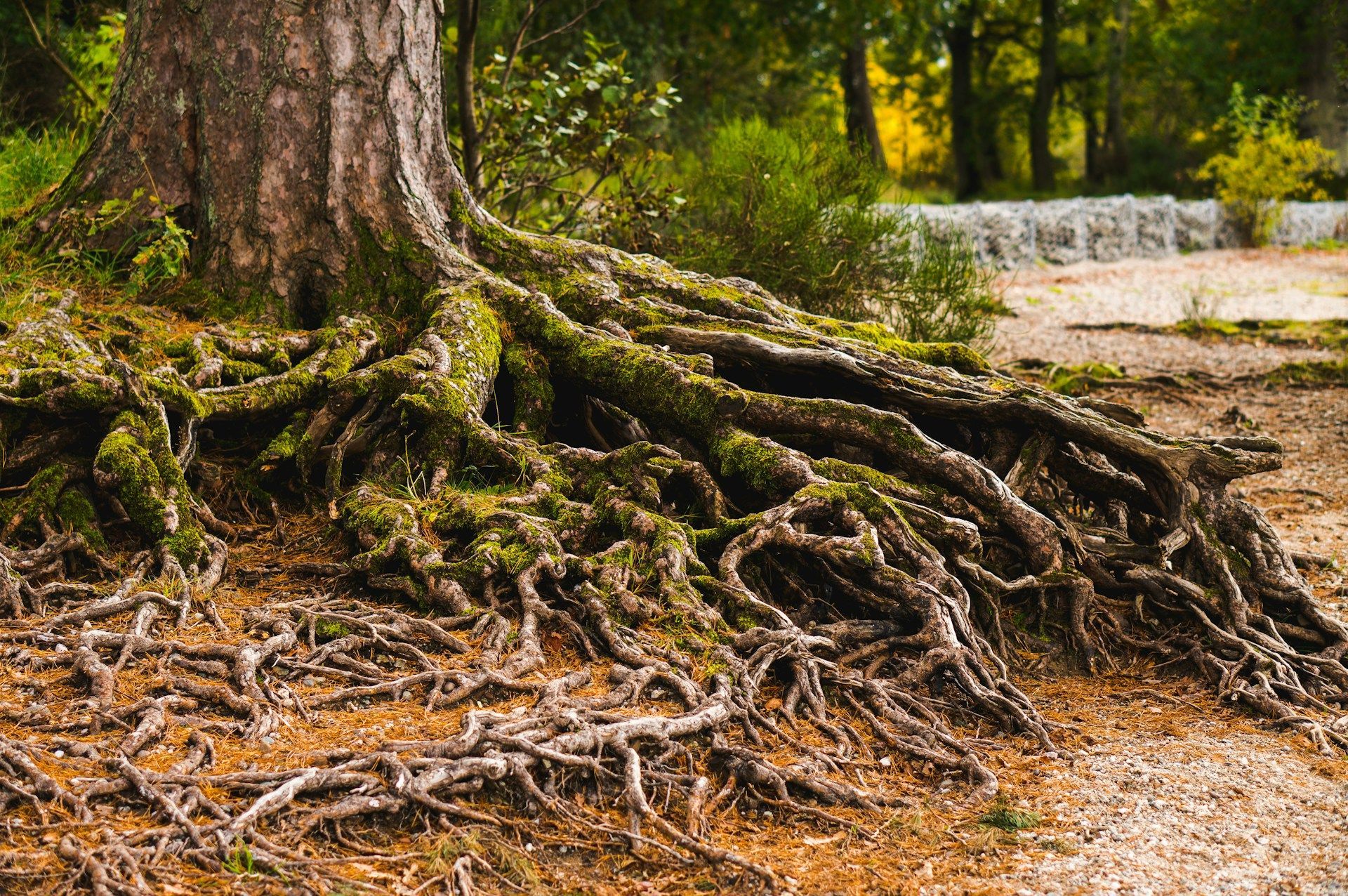
• San Antonio soil is different from yard to yard. In some spots it’s rocky and shallow, where digging out a stump feels like chipping at concrete. In others, the soil can be loose, making heavier palms more likely to shift in the wind.
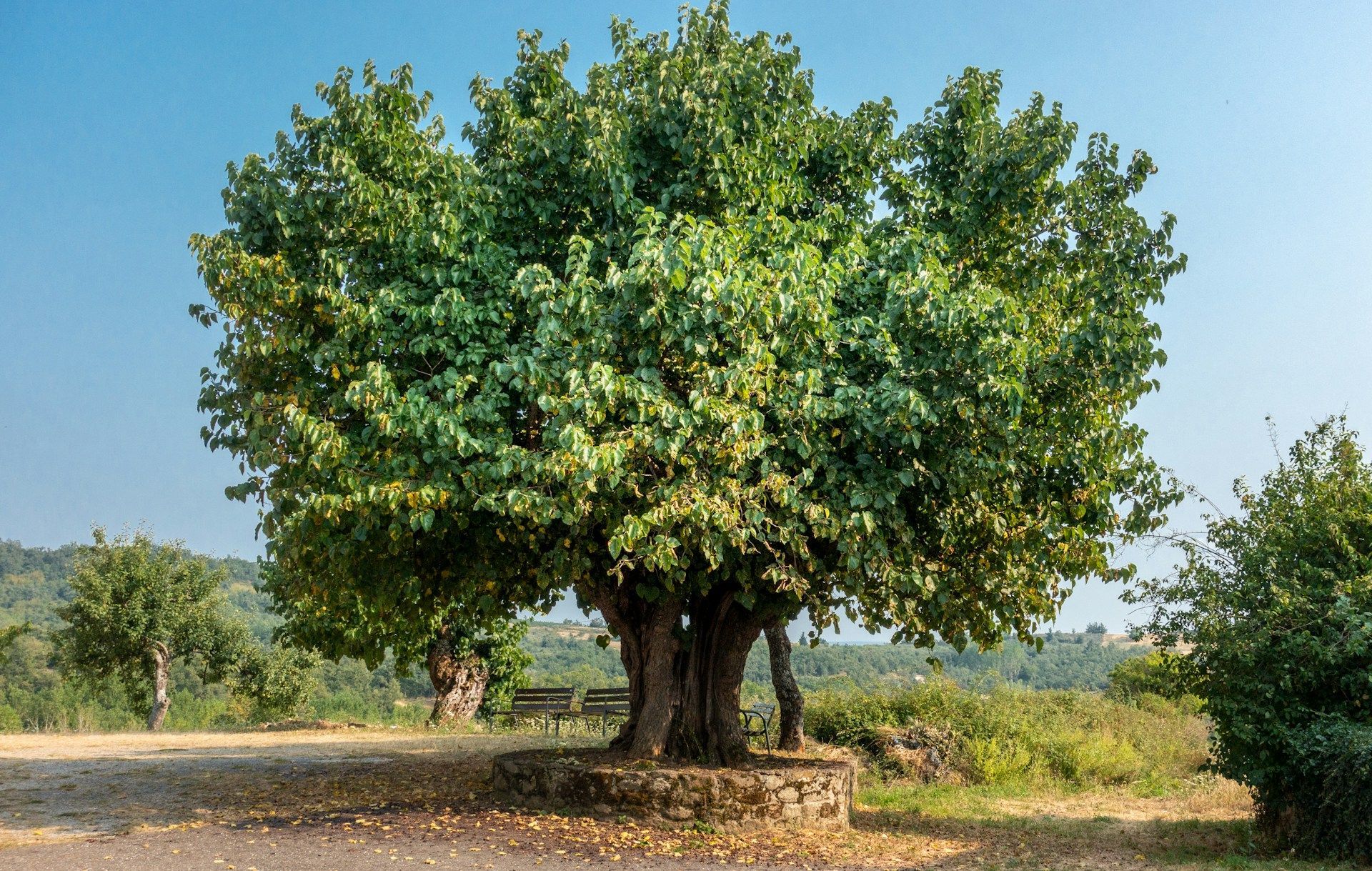
• Once a palm is out, there’s often room to think about what might grow better there. Tree planting can be part of the plan, especially with early spring on the way. Picking the right tree for our local soil and weather makes for a much healthier space in the long run.
Working with the weather and reading the soil right helps us know when to take action and what might grow better moving forward. Getting advice from people who know San Antonio soils saves time and trouble down the line. When it’s time to remove a palm, we can help you understand how weather and dirt can shape the process, so you see fewer surprises as the job goes on.
Safety Around Power Lines and Structures
Palm trees love light, so they tend to grow in open spaces. But over time, what felt like an open spot might end up too close to something important like a fence, driveway, or overhead wire.
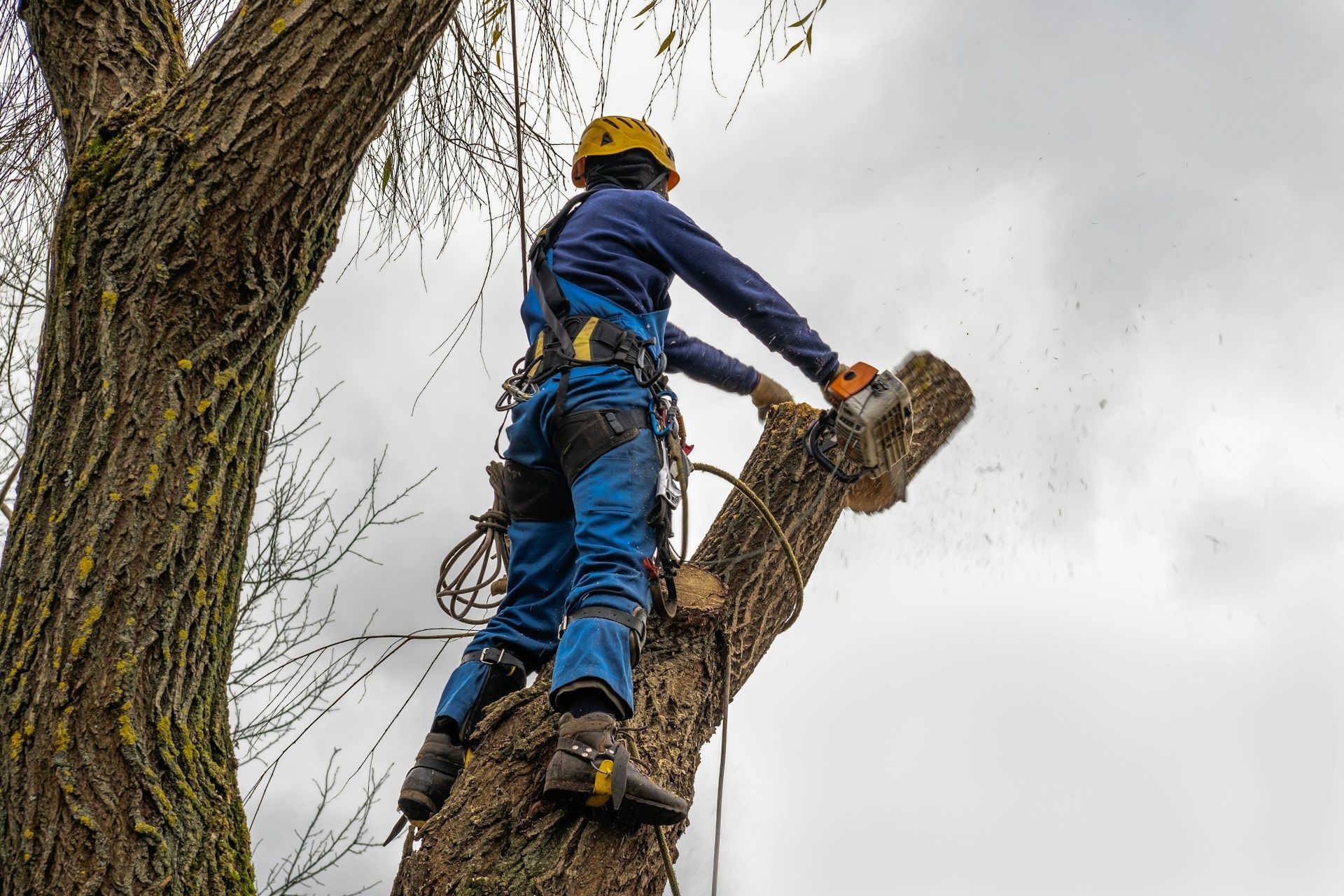
• Many older palms in San Antonio sit close to power lines. When they need to come down, that adds a layer of risk, and every move must be planned out ahead of time.
• Our licensed tree service knows how to work around those wires. It’s not just about cutting the tree. It’s about making sure we don’t risk pulling a line or damaging nearby property.
• Our honest tree service talks about those risks up front. We walk the space, point out the concerns, and talk through the steps clearly. That way no one is caught off guard once the work starts.
Safety is always first when removal involves other structures or power lines, and palms often bring both into the picture. When work takes place near anything important, like a shed, garage, or neighbor’s yard, a careful plan is needed. We use special tools and work in teams to keep everyone safe. Clear communication makes a big difference and keeps stress lower during the work.
Cleanup After Removal: What to Expect
Once the last frond has been cut, the real work begins. Cleanup after a palm tree removal can take longer than expected because of how these trees hold together.
• Palm trunks are heavy and can’t be sliced down too small without special equipment. Most need to be hauled in large pieces, and that adds extra time.
• Palm debris doesn’t break down quickly. Hauling off the bulky fronds has to be done before the space is safe to use again. Leaving them piled up brings unwanted pests and smells.
• Mulching leftover organic matter (like smaller pieces or chipped stumps) can help restore nutrients in the soil. It also evens out the surface for new growth.
• Thinning out overgrown spots or doing light lot clearing nearby is often needed. A palm that’s been standing tall for years might have caused other trees to grow in strange patterns. Clearing that out helps the rest of your yard breathe again.
Cleanup isn’t always quick, but when it’s done right, the results show. The space feels more open, balanced, and ready for what’s next. Making sure all leftover pieces and old fronds are cleared and mulched protects your yard and lets it recover faster. Good cleanup means the area isn’t left a mess and also helps to set up your space for whatever you’d like to do next, like new planting.
A Cleaner Yard Before Spring
Late winter in San Antonio is the perfect time for big yard projects. Taking out an unwanted or damaged palm now means you’re ready for new planting or improvements as soon as spring starts warming up.
• Tree planting in late winter or early spring gives roots time to settle before summer heat kicks in. Spaces made available by palm removal are great spots to start.
• With proper mulching and cleanup, the area can be prepped for whatever’s next: a flower bed, a young tree, or just a tidier lawn.
• When we do all this before spring rounds the corner, it keeps things from piling up and setting you back in the middle of the growing season.
By choosing to handle palm work in late February, you’re giving your yard a stronger start for the season to come. And when the work is done by a reputable tree service with licensed crews that plan it all out ahead of time, the job goes smoother and ends cleaner. It’s about removing a tree to set the whole yard up to grow well.
Planning for seasonal changes or dealing with a tall, aging tree can be stressful, but our experienced team is here to make the process easy and worry-free. We know every yard in San Antonio has unique needs, and we approach each project with care from start to finish. See how we handle
palm tree removal in San Antonio while prioritizing safety, thorough cleanup, and your spring plans. Call Teague’s Tree Service today to get started.