How Demossing Helps Your Trees Stay Strong in January
In San Antonio, trees take on a little more weight during winter. As growth slows down, moss that may have stayed small in warmer months starts to build up. That soft, green layer might seem harmless at first, but too much of it can weigh branches down and block out needed light. When heavy winds or a sudden cold front move in, that added pressure can bring limbs down faster than you would expect.
This is where a good demossing service in San Antonio can make a real difference. Clearing moss in January gives trees room to breathe and light to grow. It helps keep weak spots from getting worse and readies the whole yard for all the trimming, mulching, and tree planting that comes with early spring care.
Why January Is a Smart Time for Demossing
The cold season might not feel like the time for yard work, but for trees, it is the perfect chance to clean things up. In winter, there is less new growth, which makes it easier to get eyes on what needs help. With the canopy thinner than usual, we are not guessing where the moss is, it is right where we can see it.
Cooler temperatures also make the job easier on both people and trees. Moss is easier to handle in the dry, cold months, and we do not risk shocking the tree like we might in the heat of summer. By late January, the climate in San Antonio is stable enough to finish up demossing and start getting ready for new growth.
• Trees are less active, so removing moss does not interrupt new shoots.
• It is safer to remove moss now than in hotter or wetter months.
• Clearing moss in late January sets the stage for thinning or mulching before spring kicks in.
What Moss Really Does to a Tree
Moss is not just a soft blanket. After weeks of damp weather, it gets heavy, and that weight rests on every branch it touches. Some limbs are not strong enough to handle it, especially if they were already bent or damaged. Moss holds moisture, and wet limbs break faster in high winds.
Moss can also block key areas we usually need clear. When we are thinning or getting ready for mulching, moss-covered bark hides weak spots and makes tree health harder to judge. It can even cover pruned areas trying to heal.
• Moss holds water that adds stress to already fragile branches.
• It can hide cracks or weak points that need attention.
• Moss layers block sunlight and trap pests near the bark.
When a tree does not get enough light or airflow, it is more likely to struggle through the seasons. Moss can act as a cover for bugs and lead to rot if left too long. By catching it early, we keep the tree’s surface clear and give it a fighting chance to stay strong all year.
How Demossing Supports Other Tree Work
Once the moss is gone, the rest of the work goes more smoothly. Thinning becomes safer because we can actually tell which branches need to be cleared. It is also easier to check which limbs are growing too close together and which ones might get in the way as we plan for things like lot clearing or early tree planting.
• Demossing reveals the natural shape of each tree, so thinning does not risk removing the wrong limbs.
• It helps us spot growing issues early, so we can step in before the tree weakens.
• Cleared trees let us prep the area faster for major lot clearing or soil work.
If we are planning to start mulch beds or rehabbing certain areas, having trees that are not weighed down or hiding pests helps us choose where things will do well. Moss might not seem like much, but when it is gone, everything under the tree works better too.
Why Professional Help Matters for Moss Removal
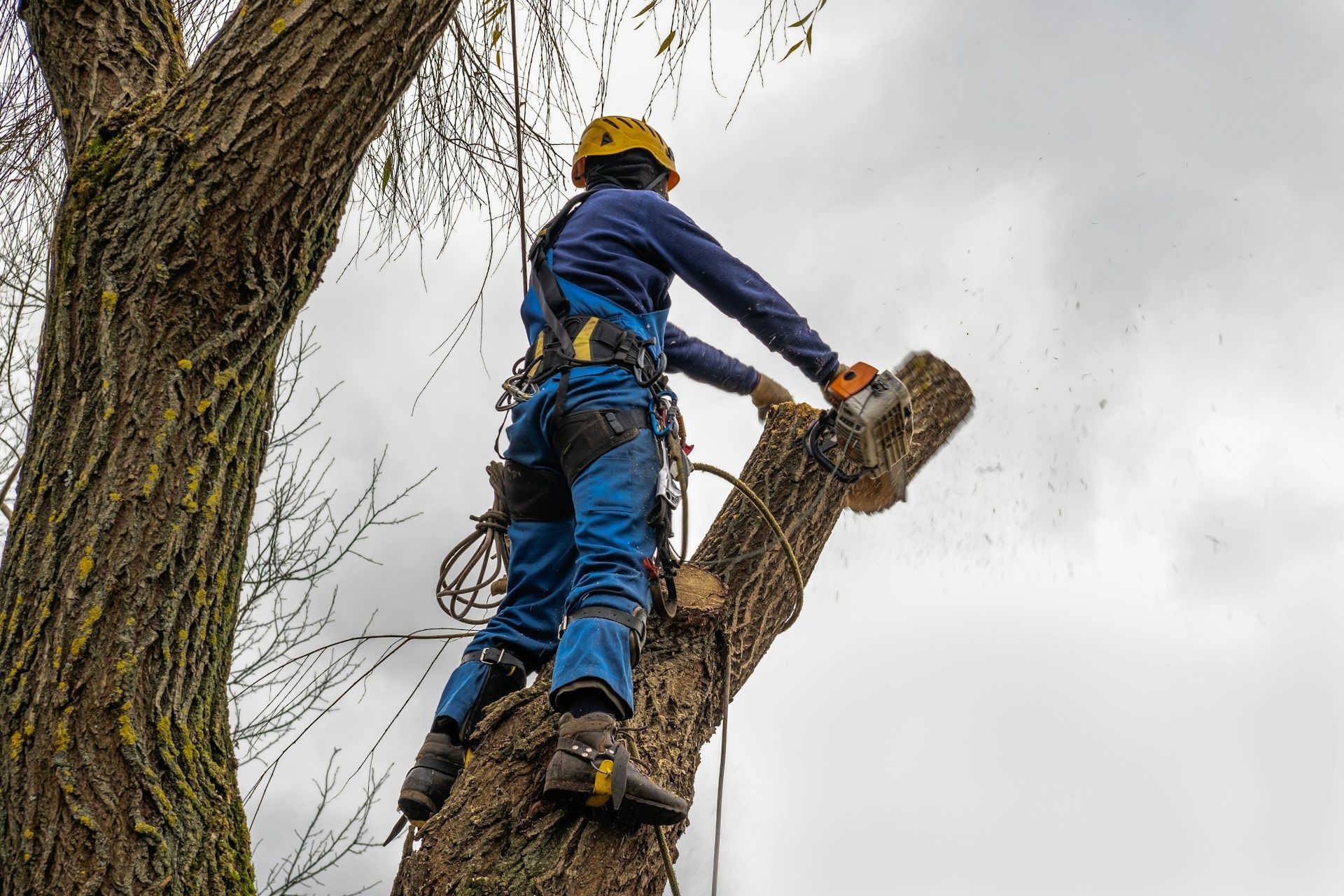
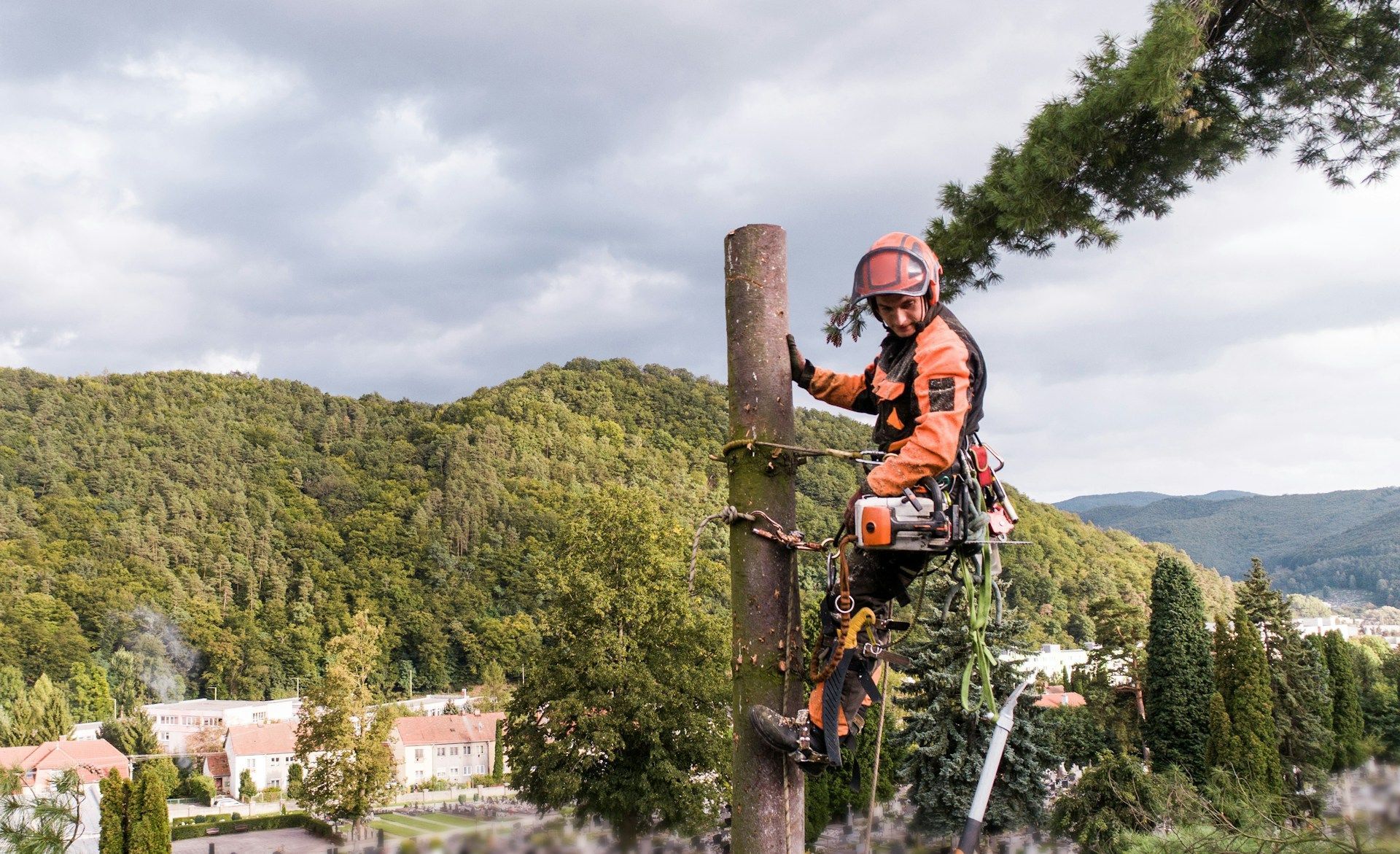
Taking moss off the wrong way can do more harm than good. That is why licensed tree service crews use tools and methods that protect the thin layers of bark underneath. Some moss can be gently pulled away, but other areas need a slower, softer touch. Rushing it could strip bark, which leaves the tree open to infection.
We also know when moss really is a problem and when it is just normal for the season. Not every tree needs a hard scrub, but some do need urgent help. It takes an honest tree service to tell the difference and not just remove it all without a plan.
• Licensed tree service workers know how to protect bark while removing thick moss safely.
• A good crew can separate what needs to stay from what needs to go.
• Afterward, we can haul off any moss clumps and dead limbs left behind.
Hauling is more than clean-up, it gives us a chance to check what we have done and make room for future work. If we have been through a storm or an area has been part of a bigger lot clearing project, cleaning that moss out helps the whole property stay safe and open for use.
What San Antonio Yards Gain From Demossing
Now is not just a good time for demossing, it is one of the few times when doing it right makes everything easier later. By catching moss in January, we help trees prepare for wet weather, winds, and shifting soil in spring. A cleaner tree holds up better in a storm and is less likely to drop limbs or block walkways when people are outside more.
• Moss-free trees are safer during storms and easier to manage when trimming later.
• Less weight on limbs means fewer breakages and cleaner yards.
• When paired with mulching, thinning, or tree planting, demossing makes those steps more effective.
A healthy tree does not just look better, it stays strong longer. When moss has been sitting for too long, other work slows down or does not stick. Clearing out now puts everything on solid ground before the busy growth season starts again. With cleaner trees, fewer surprises show up when spring arrives. That means more time for planning and less dealing with damage.
Winter moss can weigh down your trees and hide potential issues, making future thinning or mulching more challenging. Taking care of moss early helps keep your yard clean and prepares it for additional projects like lot clearing or tree planting. If you are considering a
demossing service in San Antonio, Teague’s Tree Service is ready to assess your trees and recommend the best solutions for the season ahead.