How Spring Rain Impacts Storm Damage Tree Service
Spring in San Antonio often starts with long, steady rain and warm gusts of wind that roll through neighborhoods without much warning. The weather can shift in just a few hours, and when it does, trees take a beating. Wet ground, strong bursts of wind, and lightning all play a part in snapping limbs, tilting roots, and causing sudden damage homeowners can't plan for.
Many people count on storm damage tree service in San Antonio when spring rain turns steady into serious. It’s not just about picking up branches. It’s about keeping walkways clear, roofs safe, and trees steady before the next wave shows up. With storms getting stronger earlier in the season, it makes sense to understand how spring rain plays into cleanup, safety checks, and smart planning.
How Spring Rain Weakens Tree Structures
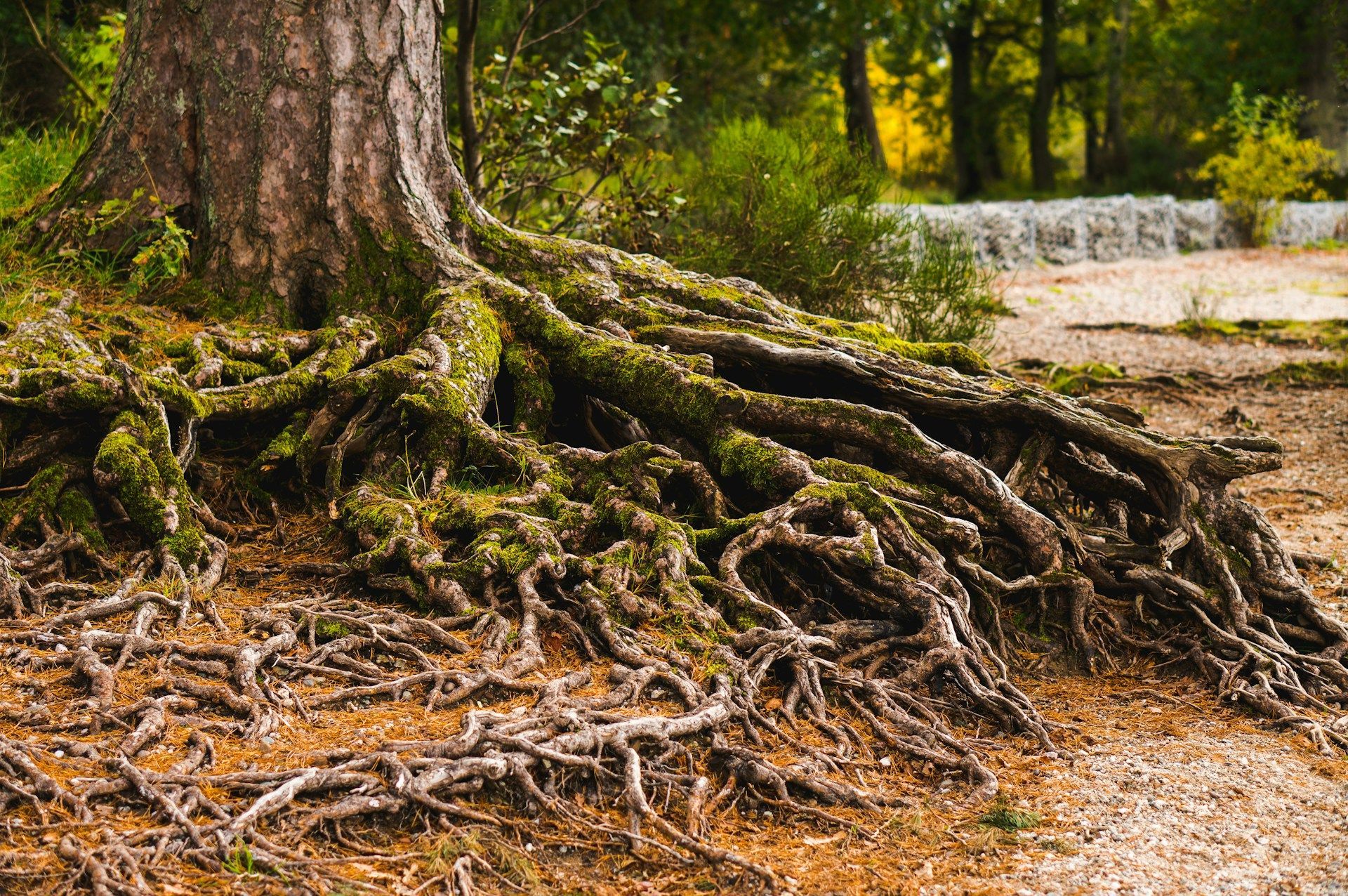
We see it every year. The rain starts coming in late February and picks up through early spring. It soaks the ground, softens roots, and makes trees that were once upright and steady start to tilt.
• When soil gets too wet, it loses its grip on deep roots. Trees that survived winter just fine can suddenly lean or fall.
• Rain adds weight to every limb, especially on fast-growing trees with large canopies. That extra pull can cause bending or sudden cracks, especially during windy days.
• Repeated wet and dry cycles expose damage that stayed hidden during winter. What looked like a healthy tree in January could be split or hollowed out by March.
These spring weather patterns have a way of finding the weak spots in trees, too. It isn’t unusual to see yards that looked fine just a few days earlier suddenly have fallen branches or trees that started to lean right after rainfall. This is why checking your trees as spring arrives is such an important step. Trees don’t always show signs right away. A strong wind after a night of heavy rain is what usually reveals the weak spots. That’s when things shift from looking fine to full removal or emergency thinning work.
Homes with older or mature trees tend to see issues first because those roots have been through several rainy seasons and might have already started to weaken. Sometimes, we find that even smaller trees seem to have trouble, especially those growing in the lowest, softest spots in a yard. All it takes is one round of steady rain, and suddenly their roots are stressed and unable to keep the tree steady.
What Storm Damage Looks Like After Rain
The morning after a spring storm can look messy. Trees that looked strong the day before may have lost big limbs or dropped half their canopy without much warning. When we show up, we often find:
• Hanging or cracked branches that are still attached but too weak to stay up
• Leaning trunks that used to stand straight just a few days earlier
• Larger branches or toppled trees blocking driveways, sidewalks, or resting on fences
Broken branches can sometimes hang high above reach but still pose a danger if another gust of wind comes along. Leaning trunks, if not quickly checked, can lead to full tree falls, putting fences or buildings at risk. Tree roots, if exposed or pulled up by the storm, may no longer hold the soil tightly, making the area more likely to wash out with the next big rain.
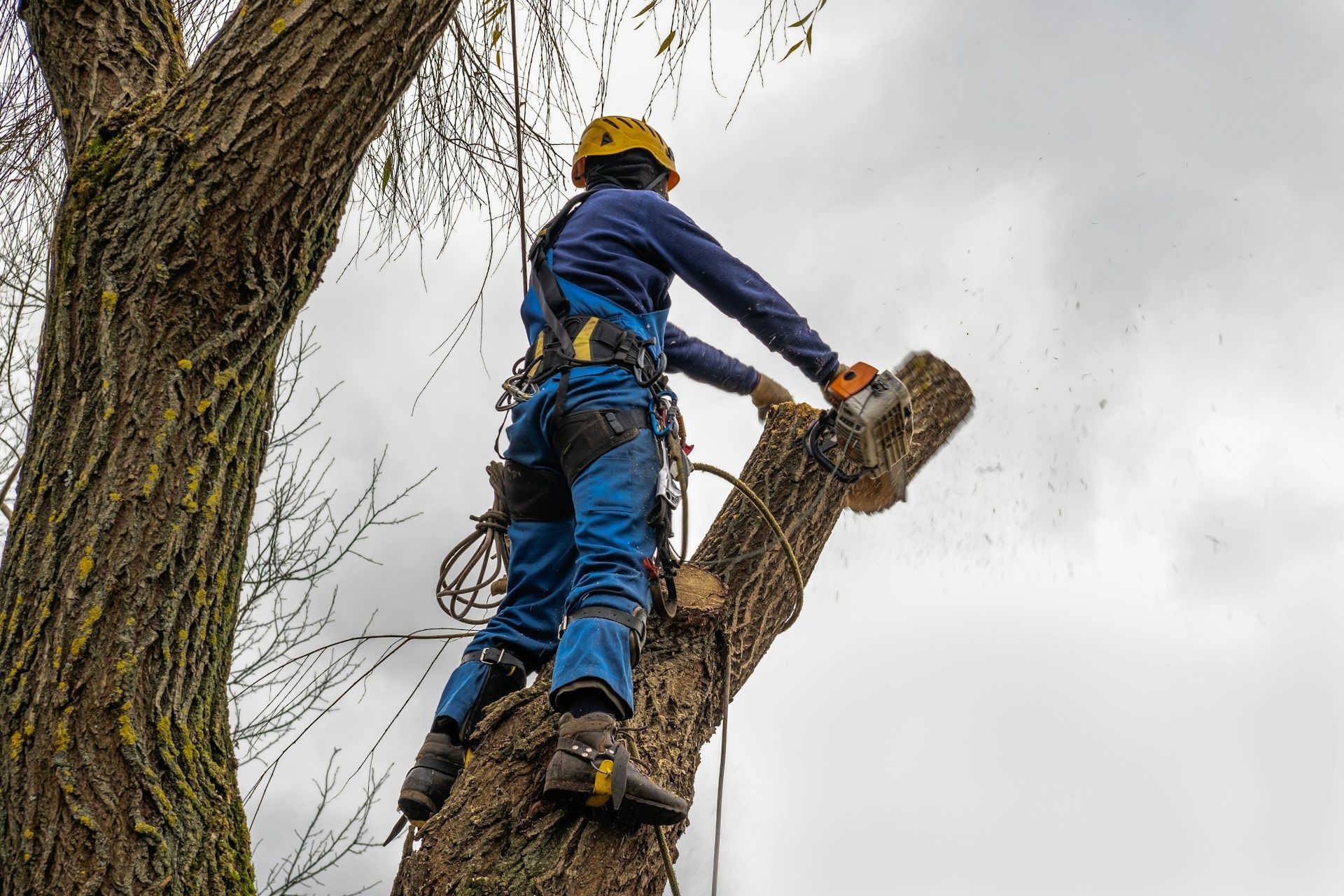
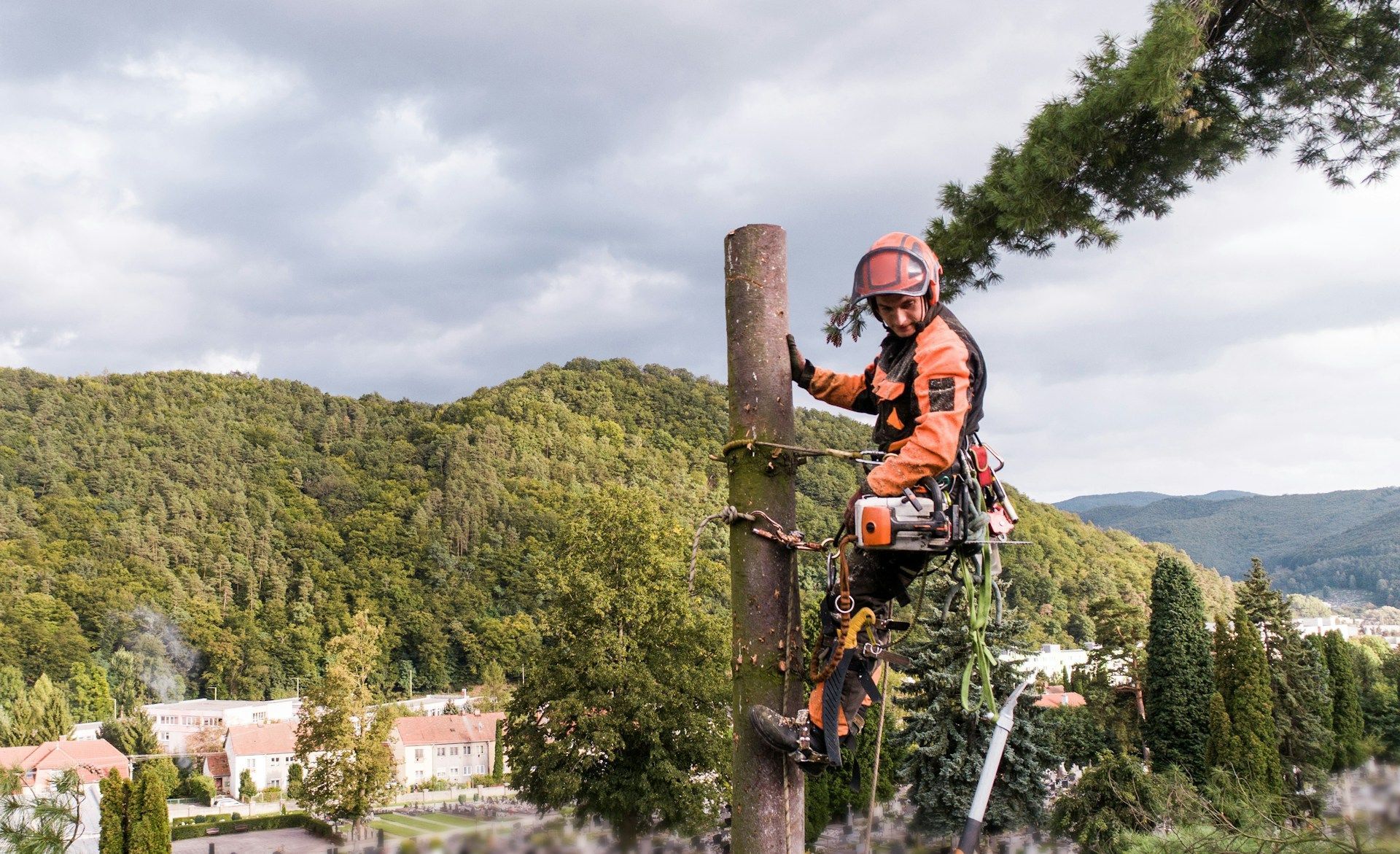
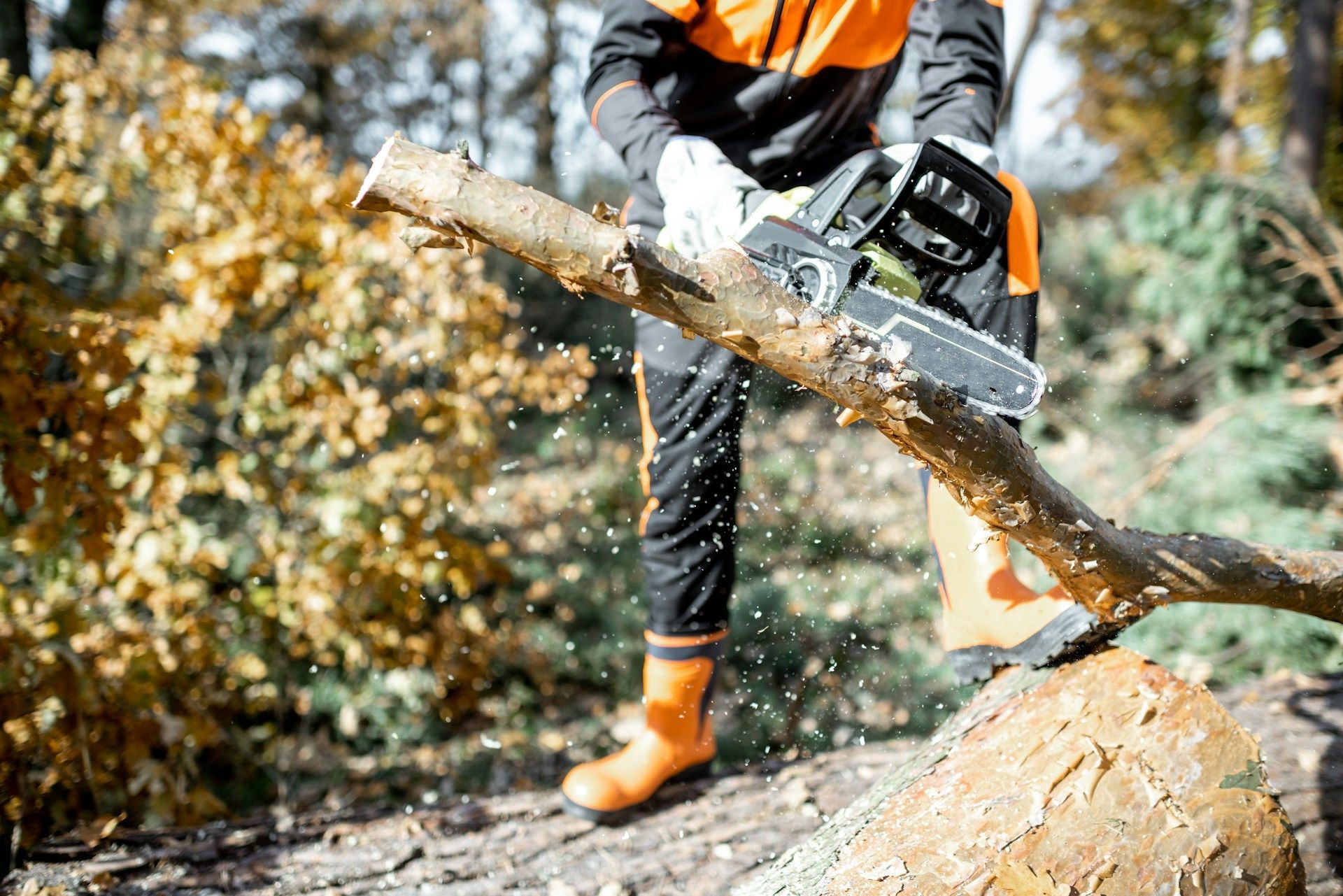
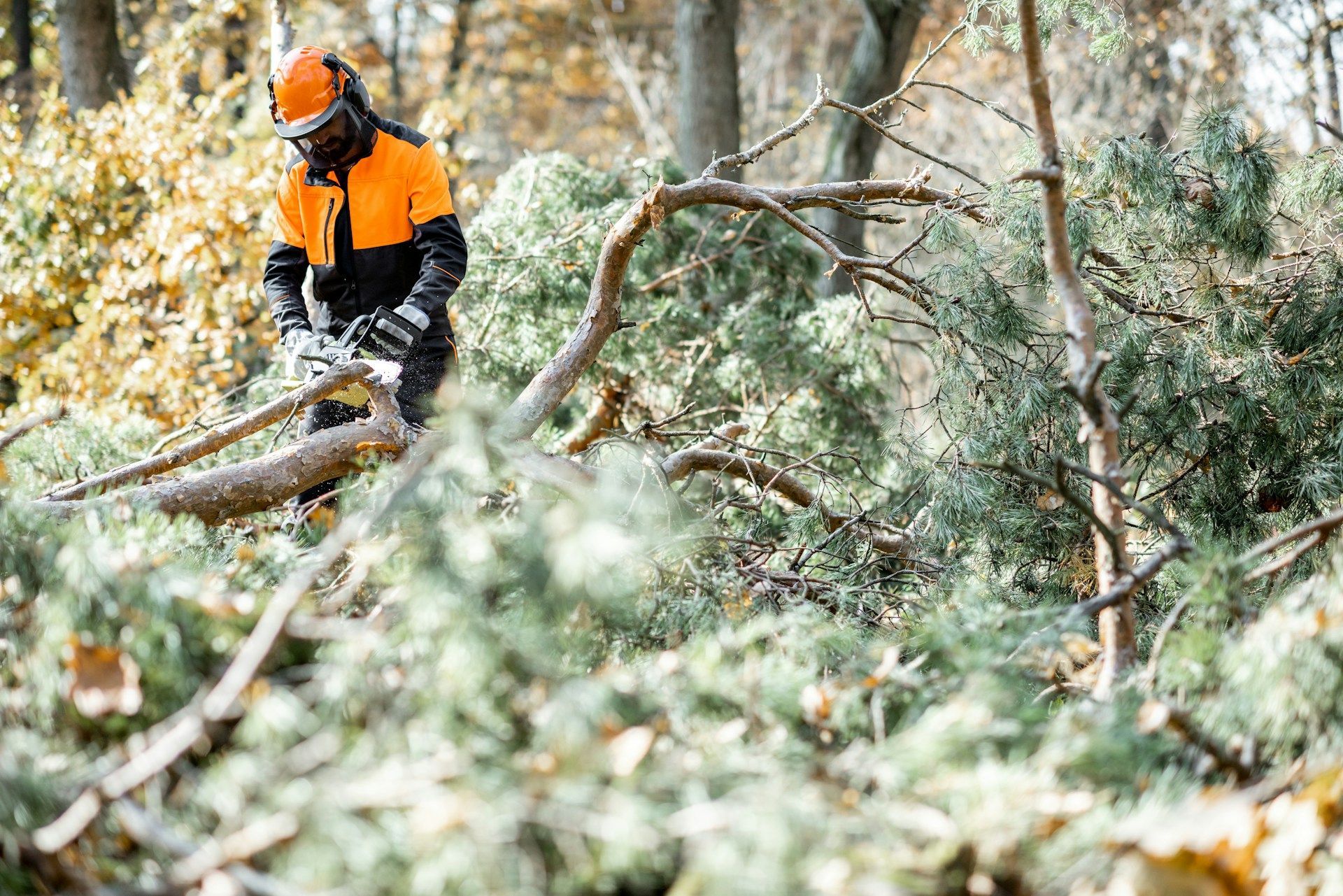
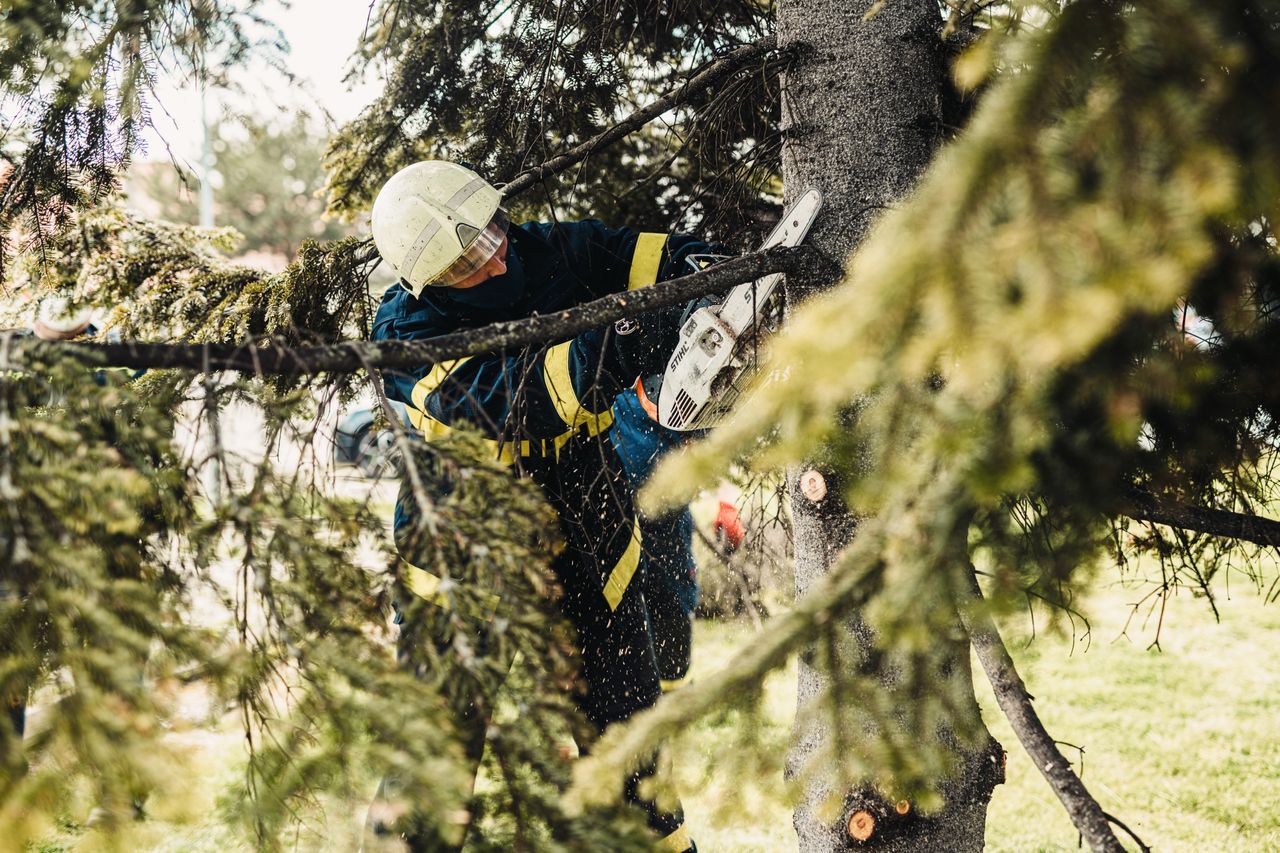
When there’s a group of trees involved or damage across big areas, we use thinning and lot clearing to remove what’s no longer safe. Our focus stays on protecting everything nearby (houses, porches, sheds, other trees) while making sure nothing else is at risk. It’s not just chain saw work. Every cut gets planned to keep things stable, especially around wet ground.
Having a full view of the yard helps us spot problems that might not be clear at first glance. For example, some debris may look harmless but may actually be pressing down on other healthy plants or lawns. Taking time to walk the property after a storm helps us mark the right places for cleanup, thinning, or full removal. It’s always better to be careful than to rush and miss a spot that could get worse with the next round of rain.
Cleanup and Safety: Why Wet Conditions Need Careful Planning
Doing cleanup right after spring rain means slowing down, not speeding through. Wet ground adds a layer of risk we don’t ignore, no matter how urgent things feel. That’s why it matters to work with a licensed tree service during storm season.
We have to think about how each branch gets hauled out, especially when the yard’s soft and the roots of nearby trees still hold water. Honest tree service means knowing when to step back and avoid tearing up soil that’s already been pushed to its limit.
To protect the space long-term, we:
• Lay down boards or tarps when needed to avoid damaging the lawn during hauling
• Do careful stacking close to natural walkways rather than dragging heavy limbs over wet grass
• Add mulching where branches or heavy equipment might have lifted soil
Clearing fallen limbs, branches, or even trunks takes more than just muscle. When the yard is soggy, foot traffic or moving heavy equipment can quickly create ruts or ruin grass that would otherwise recover. That’s why the most reputable tree service crews set up drop zones and path markers before picking up a single branch. This slows down the cleanup a bit but pays off when the yard starts to dry out again.
Rushing cleanup in these conditions usually leads to more problems later. Wet ground doesn’t forgive careless foot traffic or fast-moving gear. Every step needs planning, and sometimes, we recommend putting off certain jobs until the ground firms up just a bit more. It’s all about getting things right the first time so your yard doesn’t end up needing more work after it should be finished.
By using hauling methods that limit ground contact, like wheelbarrows, sleds, or even temporary walkways, we save the healthy parts of your property. And if we spot places where the rain has caused more than just mess, like soil that’s washing away, we add mulch or coverings to help hold it all in until things dry out.
After the main debris is removed, we always double-check for hanging branches still stuck up high or broken roots poking through the grass. Sometimes, a second sweep is needed after the ground has had a chance to drain, and we always point out areas where future trouble might pop up.
Keeping Trees Healthier Before and After Spring Storms
The best way to handle spring storms is to get ahead of them. Even small changes make a big difference when the weather starts turning. For example:
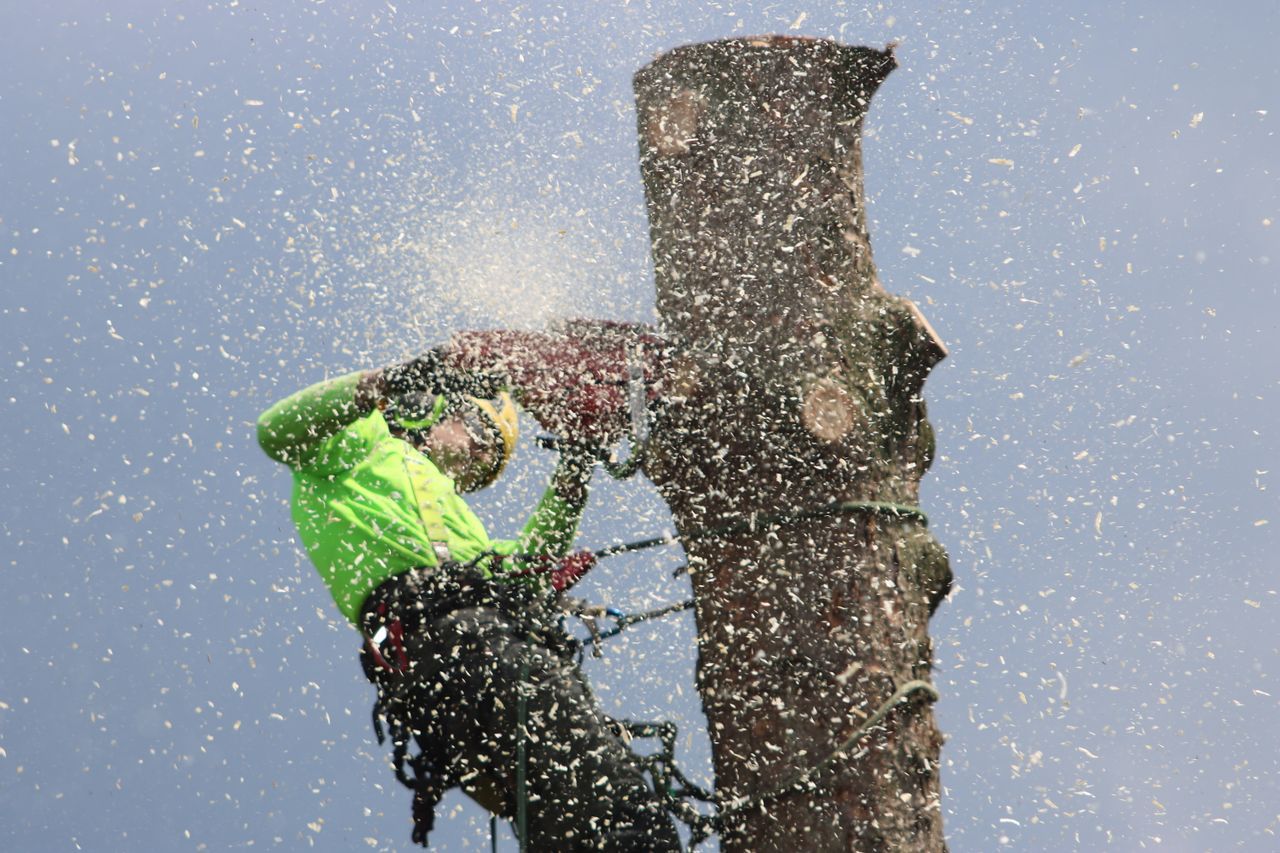
• Thinning tree canopies before rainy season helps lower wind resistance and limb stress
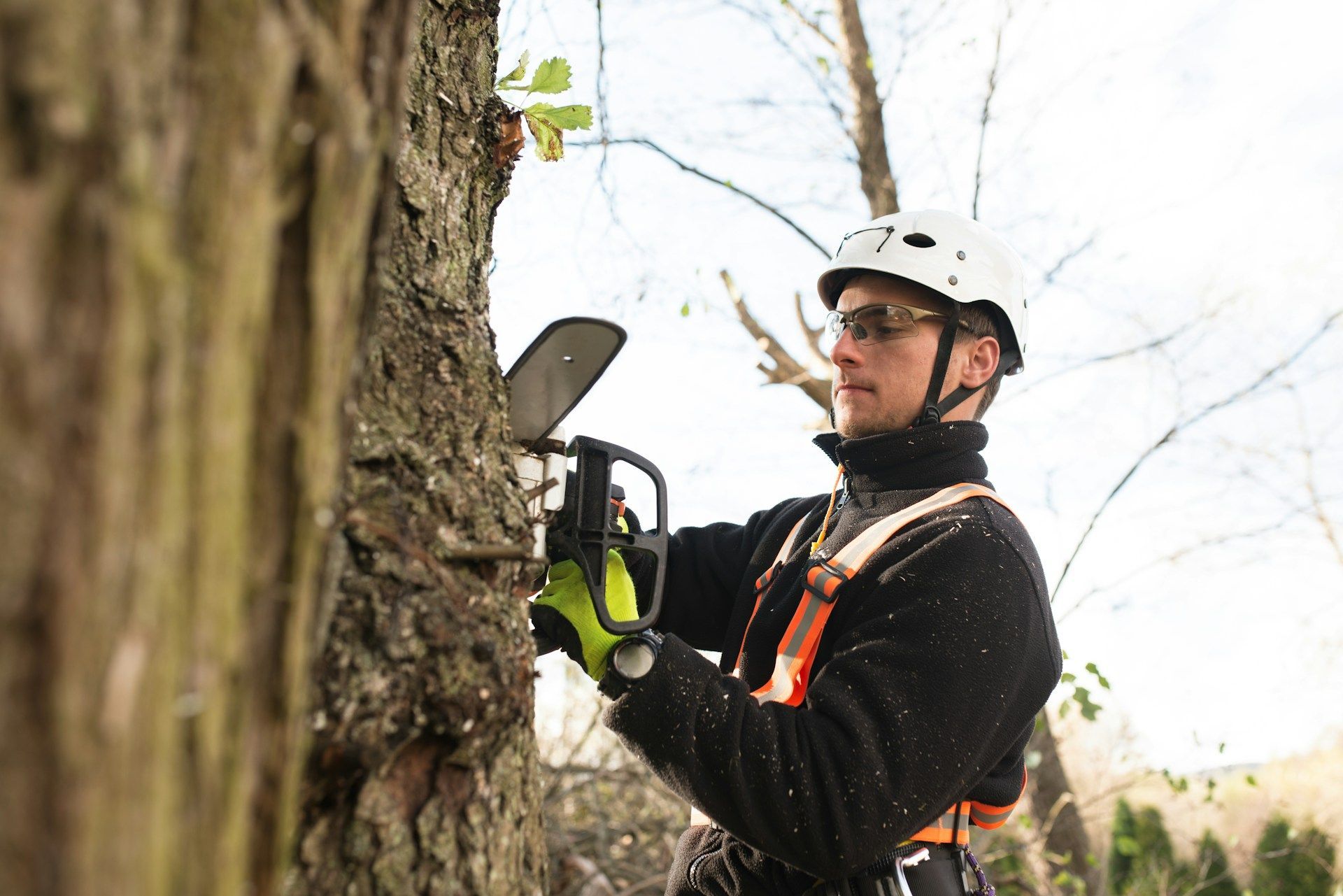
• Trimming or removing weak branches early makes storm response quicker and yard damage smaller
• After a rough storm, tree planting in drier months helps replace trees the right way, leaving space for roots and sunlight
Many homeowners ask when it’s best to do this kind of upkeep. We suggest having a tree check-up as soon as the last cold snap ends and before the first long stretch of rain. Regular thinning, mulching, and safe tree planting keep yards less crowded, and stronger trees stand up better against storms.
We often need to do stump removal later in the season, once soil dries out. Until then, we mark and monitor those areas. Planning this way helps us build a safer yard bit by bit, without leaving cleanup half-finished. When you work with a reputable tree service, it feels less like catching up on damage and more like staying ready.
Mulching helps in more ways than people realize. Spread around the base of trees, it holds in moisture during dry stretches and protects roots when heavy rain washes over the ground. In areas where trees have been removed or stumps are waiting to be ground down, mulch holds soil in place so there’s less mess and fewer muddy tracks.
If you’re thinking about tree planting after a rough winter or big spring storm, make sure new trees have space to grow. We look out for overhead wires, nearby fences, and possible future root paths, so your trees get the safest start possible.
Smart Tree Care Makes Spring Less Stressful
There’s never a perfect time for spring storms, but they don’t always have to mean big surprises. With a little planning and safer cleanups, we keep trees healthier before weather hits and keep homes safer afterward.
Regular upkeep, honest tree service, and careful lot clearing are what make the biggest difference when the weather is unpredictable. Taking just a little time to prepare and working with trained crews helps prevent the biggest messes. From quick cleanup after a windy night to planned thinning and mulching before the rainy season, the right moves help every part of your yard recover faster.
Storm damage tree service in San Antonio works best when there’s a plan, clear steps, and a focus on safety. Rain changes how we move, cut, and clean up, but it doesn’t change our care. The best work during storm season is honest, steady, and done right the first time. That’s how trees (and people) stay ready for what’s next.
Spring storms can bring strong winds and heavy rain to San Antonio, quickly changing the area and leaving behind leaning trunks or dropped limbs. We help you stay safe and recover with care, using our expertise in cleanup, thinning, and smart hauling to respond effectively without causing additional damage. For fast assistance from a licensed and honest crew, see our
storm damage tree service in San Antonio. Contact Teague’s Tree Service today to get started.