The Role of an Arborist Consultation Before Planting
Getting ready for spring tree planting takes more than just digging a hole and picking a sunny patch in the yard. If we want trees to grow healthy and strong, the planning really matters. In San Antonio, weather can switch from dry spells to storms pretty fast. That makes location and timing important, especially when dealing with tricky soil or tight yard spaces.
Getting an arborist consultation in San Antonio before planting helps us make better choices right from the start. It means thinking through where the tree goes, how the roots will grow, and what steps might be needed to help it settle in safely. Thoughtful planning now often leads to less thinning, less cleanup, and fewer worries after those spring rains roll in.
Why Tree Planting Needs Careful Planning
Planning matters more than people think. Different parts of San Antonio have different soil, from soft clay in some yards to dry, rocky patches in others. That can affect how deep roots grow or how much water the area holds. Some spots flood easily, while others stay cracked and dry in the heat.
A tree that goes into the wrong kind of soil might not last long. Roots can rot in wet areas or fail to anchor in dry ones. That’s why we check conditions ahead of time and think about what each tree type needs.
Spring brings some of our heaviest rains and strongest winds. Put a young tree in the wrong spot, and it might start leaning or lose branches in the first storm. That’s where planning ahead helps. A licensed tree service can take a close look at the land and recommend safer options.
• Placement affects everything, from how roots spread to how close the tree gets to fences or driveways.
• Choosing the right tree now avoids problems like cracked walkways, tangled roots, or too much shade in one area.
• Planting farther from areas that may need future lot clearing can help new trees avoid being cut later on.
A little planning now can save years of trouble.
What Arborists Look For Before Planting
Before putting any tree in the ground, we take time to check what’s happening above, below, and around the area. There’s more to it than just size or sun.
• First, we look at sunlight. Some trees need full sun all day, while others do better with a break from the heat.
• Next, we check for standing water, dry runoff spots, or places where water flows fast during storms.
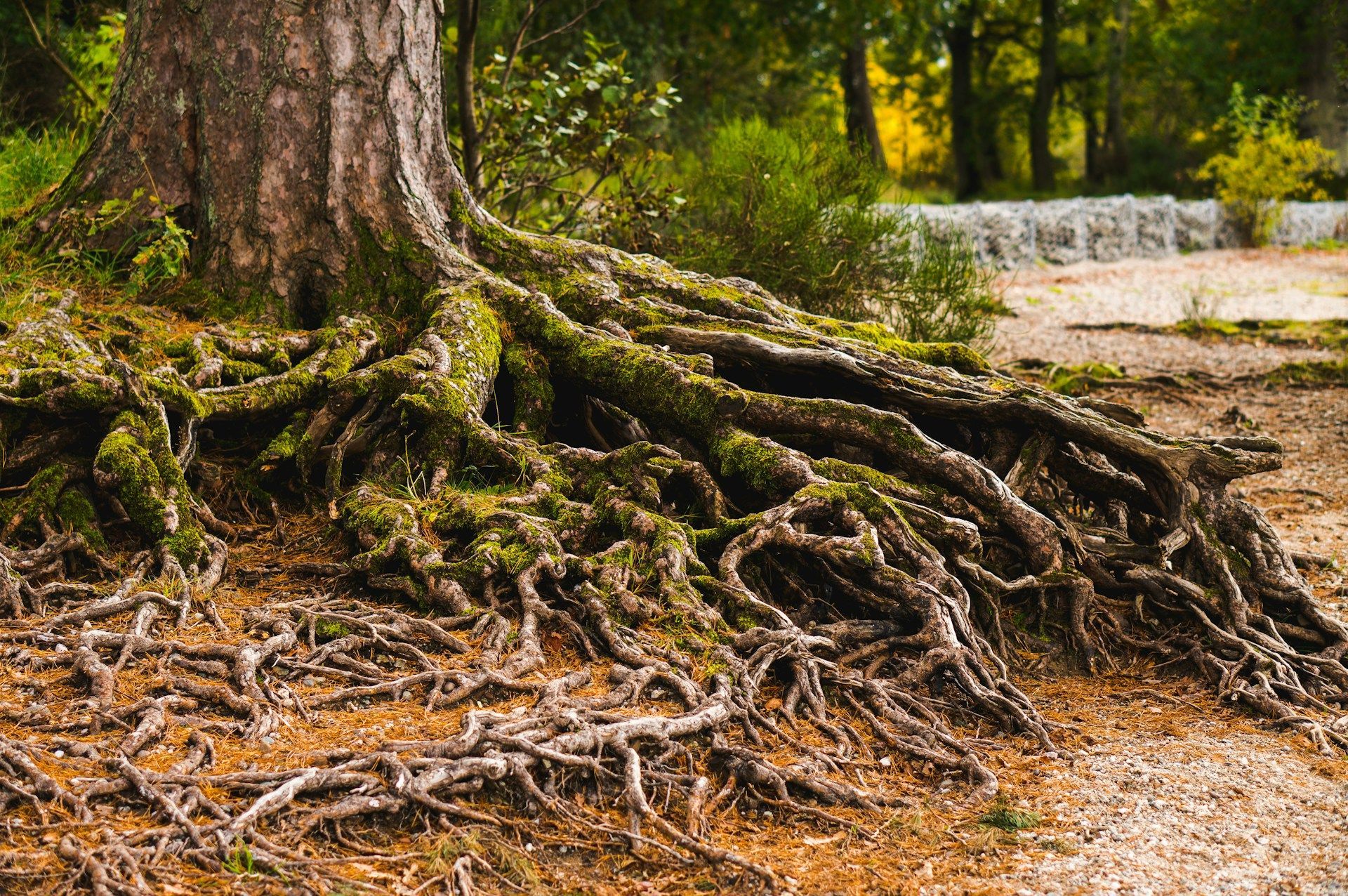
• Roots need space. If nearby sidewalks, fences, or walls might get in the way, that impacts where we plant.
• Past damage matters too. If the spot had a tree before that got blown over or broke in a storm, we’ll look at what went wrong.
Even nearby trees are part of the plan. Some trees grow fast and need thinning. Others stay small but can send roots farther than you expect. We review which kind of tree will do best in that exact space based on how much care it will need later. That includes how hard or easy it will be to mulch or manage surrounding growth in the future.
More than just evaluating the obvious factors, arborists consider sun patterns throughout the day and across seasons. Some trees may thrive under the dappled shade of a nearby structure for a part of the day, while others do best with unobstructed sun. Poor outcomes sometimes result from simply picking a visually open spot that doesn’t match a tree’s daily sun or water needs.
Understanding how rainfall drains through your yard is also part of the plan. Some areas that look dry in winter might become soggy or even flood after a heavy spring rain. Placing a new tree where water pools could stunt its growth or cause ongoing root issues. That’s why we inspect low spots and watch how water moves across lawns and driveways, recommending higher ground for certain species.
If your property has existing landscaping, we also check how new roots may interact with nearby plants or underground utilities. By mapping out rough root paths early, we avoid future issues with pipes, irrigation, or garden beds that might be too close for comfort. A full site review keeps all elements balanced without letting new plantings interfere with existing features.
Tools Arborists Use to Prevent Future Hazards
Planting a new tree is about more than just digging. We think long-term, including how to protect younger trees after they’re in the ground.
• Mulching helps a lot in the first season. It keeps moisture in, blocks weeds, and eases the shock of bright, hot days.
• We stack leftover soil and clear out extra debris in ways that won’t mess up the surrounding lawn or garden.
• In tight spaces, smart hauling keeps the rest of the yard safe. That means no dragging tools across grass or piling sticks where roots start.
• Tree placement is chosen with the future in mind. We don’t want branches growing into power lines or roots hitting your fence in five years.
An honest tree service makes sure each step supports the next one. From driveway to back fence, every part of the yard affects tree health. Well-placed trees don’t just look better, they cause fewer headaches later.
After planting, ongoing care is part of the plan as well. Mulching needs to be refreshed from time to time, especially after storms, and young trees sometimes need light pruning to shape them for stronger future growth. These steps help the tree adapt to the local climate while reducing the risk of later storm damage or root spread into unwanted areas.
When we clean up after planting, we avoid compacting the soil around new roots, so the tree has the best shot at settling in. Instead, we use low-impact hauling or hand tools, keeping heavy equipment off wet ground and steering clear of fragile lawn areas. This small detail prevents lasting ruts or soil compaction, which can otherwise hold back healthy root growth.
How a Consultation Helps Long-Term Tree Health
What we do before planting shapes how a tree grows over time. When we match the right tree to the right space, it means less work in the future. The tree stands stronger, needs less trimming, and we avoid emergencies after heavy weather.
• Scenes of broken branches or jumped-up soil can sometimes be traced back to poor planting choices.
• With the right match, the tree needs less help. That means less thinning in summer and fewer mulching repairs after storms.
• We look for safe spacing so each tree has the right room to grow roots without crowding nearby plants or driveways.
Licensed tree service isn’t just about removing old limbs or emergency hauling. It includes making smart plans that help yards stay balanced through the year. That’s where a consultation really pays off. It sets clear steps that keep trees healthy and gives the whole yard a better chance to grow naturally.
When tree placement is considered alongside the needs of surrounding grass, gardens, and sidewalks, everyone benefits. Healthier trees mean fewer diseases and pests, and they support the larger landscape by providing natural shade and reducing soil erosion. Smart placement also improves curb appeal, keeps maintenance simpler, and limits the need for corrective work years later.
Checking the history of each spot (like whether previous trees have failed there) adds another layer to our plans. Sometimes soil amendments are needed, such as a bit of compost for structure or sand to improve drainage. Matching these details to each new planting helps support long-term success and avoids repeating the problems of the past.
Better Results Begin with Smarter Starts
When we start early, trees often grow stronger and cause fewer problems down the line. A quick visit before planting can prevent root spread issues, flooding headaches, or placement regrets.
An arborist consultation in San Antonio gives us time to think ahead before the rush of late spring storms. By planning smarter now, we can help homeowners avoid mid-season damage and set up each tree to handle both wet weeks and dry streaks. A healthier yard doesn’t always come from more work, it comes from clearer choices at the start.
Planning to plant new trees this spring? Our team can walk your property, evaluate soil and yard conditions, and determine the optimal spots for each tree to thrive. Setting up anarborist consultation in San Antonio is the best way to prevent future issues and ensure healthy growth. At Teague’s Tree Service, we make planting safer, easier, and better for the long term. Call us today to schedule your visit.